Aljaraque - Flickr
Andalucía · Passion & Soul

Aljaraque

The morning fish van arrives at 10:37 sharp. By 10:42, the queue outside the Panadería San José has doubled, and the baker is wrapping still-warm t...

22,737 inhabitants · INE 2025
35m Altitude

Why Visit

Church of Our Lady of Remedies Bike trails through marshes

Best Time to Visit

summer

Pilgrimage to the Virgen de los Remedios (May) mayo

Things to See & Do
in Aljaraque

Heritage

  • Church of Our Lady of Remedies
  • Tharsis Wharf
  • Corrales Mining Club

Activities

  • Bike trails through marshes
  • Golf at Bellavista
  • Walks along the Muelle

Festivals
& & Traditions

Fecha mayo

Romería de la Virgen de los Remedios (mayo), Fiestas de San Sebastián (enero)

Las fiestas locales son el momento perfecto para vivir la autenticidad de Aljaraque.

Full Article
about Aljaraque

A residential town near the capital, surrounded by marshland and pine forests; it blends modern growth with deep-rooted traditions and green spaces like Corrales.

Ocultar artículo Leer artículo completo

The morning fish van arrives at 10:37 sharp. By 10:42, the queue outside the Panadería San José has doubled, and the baker is wrapping still-warm tortas de Pascua in waxed paper while explaining to a teenager that yes, the biscuits keep until Christmas if you store them properly. This is Aljaraque: not a film-set village, but a working place where locals pop out for bread and end up discussing yesterday's football score with half the barrio.

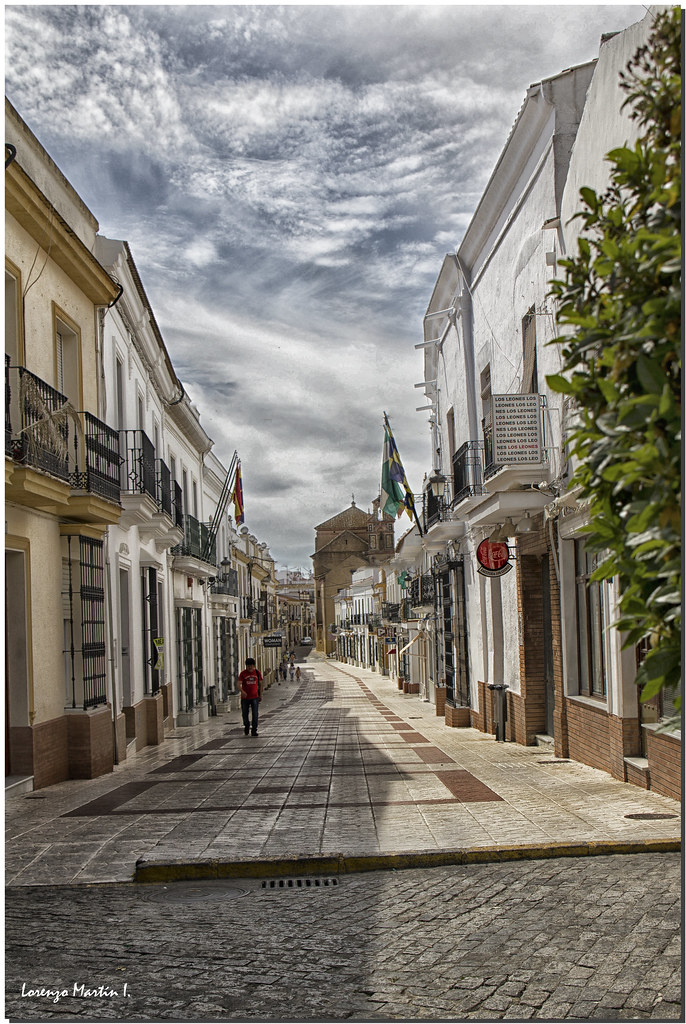
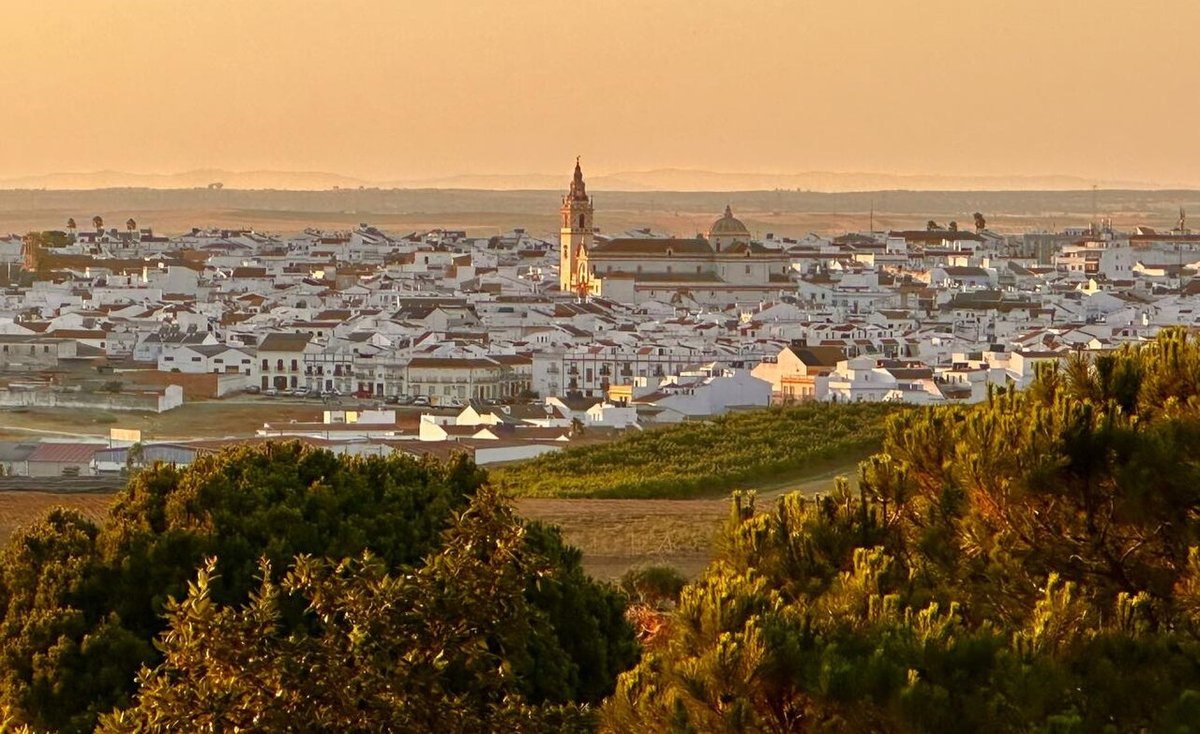
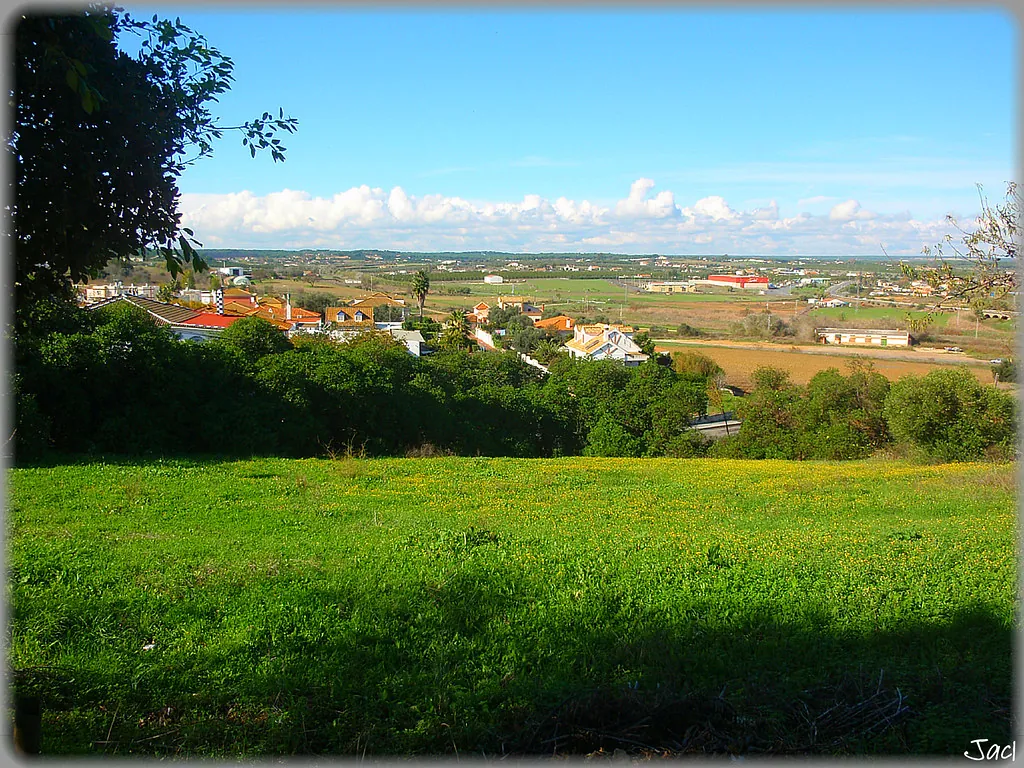
At barely 35 metres above sea level, the town sits on a low ridge between Huelva's industrial sprawl and the Odiel marshes. Drive in from the A-5000 and you'll see what looks like a modern commuter settlement – four-storey blocks, a Mercadona, traffic lights that actually work. The surprise comes when you turn into the old core. Two streets back from the main road, the tarmac narrows, houses shrink to single-storey whitewash, and someone has painted their window grills the exact colour of the bougainvillea spilling over the wall opposite.

The Church That Survived the Earthquake

Sixteenth-century Iglesia de Nuestra Señora de los Remedios squats at the top of Calle Real, its mudéjar tower banded in brick and stone. Inside, the baroque retablo glitters with gilt cherubs caught mid-dance; look closer and you'll spot the crack running through the central panel – a souvenir of the 1969 earthquake that shook half of Huelva province but left the tower standing. The sacristan keeps the key on a nail behind the door; ring the bell if you want to see the 1754 silver monstrance kept in the side chapel. He'll ask for a euro donation, then tell you how his grandfather helped carry the statue of the Virgin down this same aisle during the Civil War.

Beyond the church, the historic quarter unravels in less than ten minutes. That's not a criticism – you can cover every cobbled lane without getting footsore, peering into patios where geraniums sit in olive-oil tins and small dogs bark from behind iron gates. There's no plaza mayor; Franco-era town planning replaced it with a roundabout. The social hub is now the covered market, open mornings except Monday, where a stall sells quesillo (a sort of baked cheesecake) that tastes of lemon zest and Sunday afternoons.

Salt Wind and Spoon Food

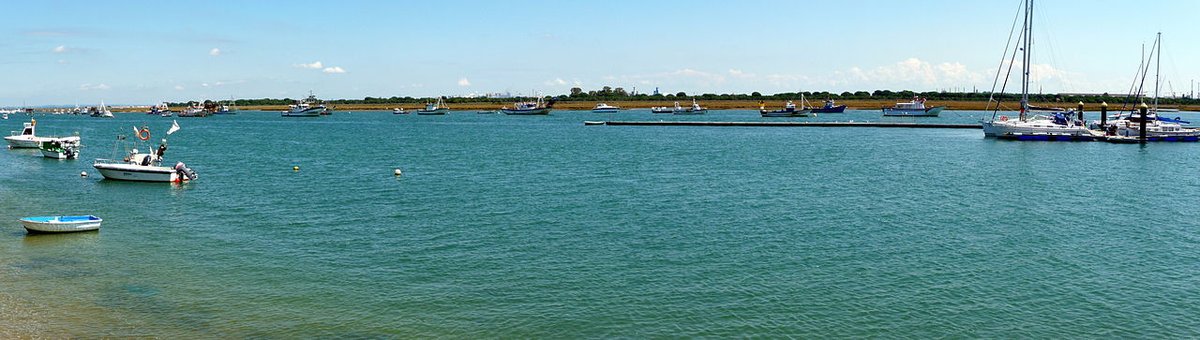
Aljaraque's relationship with the sea is practical rather than pretty. The coast lies ten minutes south by car, but the town turns its back on the beach. What matters here is what arrives from the water: baskets of white prawns landed at Punta Umbría, cuttlefish that ends up as choco con papas, and the salt wind that sweeps across the marismas keeping summer temperatures mercifully lower than inland.

Lunchtime choices divide along generational lines. Pensioners fill Bar Casa Paco for guiso de pescado – a gentle stew of hake, potatoes and saffron that tastes like someone hugged you with a ladle. Their grandchildren queue at the new gastro-tapas bar on Avenida Andalucía for grilled octopus on sweet-potato purée. Both camps agree on one thing: order the vino de la casa. It arrives in a plain glass bottle chilled just enough, costs €2.50, and goes down like liquid sunshine.

If you need English spoken, phone ahead. Staff at the golf club reception cope after a fashion, but in the family bars you'll do better with pointing and smiling. Cards are accepted at the supermarket and the petrol station; everywhere else, bring cash or risk washing dishes.

Flat Pedals and Flamingos

The flat lanes west of town are ideal for lethargic cycling. Pick up a free map at the tourist office (open Tuesday to Thursday, mornings only) and you can plot a 25-kilometre loop that threads between strawberry fields and pine scrub to the Odiel salt pans. Spring brings flocks of greater flamingos so pink they look photoshopped; take binoculars because the viewing platforms sit half a mile from the road. In July the same route smells of heated pine resin and requires two water bottles – the only bar en route opens unpredictably.

Serious walkers drive 40 minutes north to the Sierra de Aracena for chestnut forest trails. Aljaraque itself offers gentle strolls rather than hikes: follow the dirt track past the football ground at sunset and you'll reach a ridge where the lights of Huelva's chemical plants glitter like a grounded constellation, while behind you storks clatter on their rooftop nests.

Feria Season: Earplugs Advised

August changes the tempo completely. The fairground occupies the polígono industrial, casetas sprout striped awnings, and every night between Tuesday and Sunday the town population appears to double. Locals dance sevillanas until 4 a.m.; visitors come for the paper cones of boiled prawns and the amusement rides that look alarmingly vintage. Accommodation within the municipal boundary sells out months ahead – if you haven't booked, stay in Huelva and get a taxi back (€18, scarce after midnight).

Semana Santa offers a quieter spectacle. Two processions squeeze through the old quarter's alleys: Jesús Nazareno on Thursday night, followed by a dawn procession on Good Friday so early the only spectators are delivery drivers and the odd sleepy dog. The brass band plays muted hymns; incense hangs in the cool air. You can follow the entire route in 25 minutes, ending at the church where women in black lace queue for the first coffee of the day.

Beds, Bogs and Bird Noise

Where to sleep? Options cluster in two zones. The modern edge near the golf course has business-style hotels with pools and secure parking – handy if you're combining bird-watching meetings with beach time. Otherwise, look for village houses converted into holiday lets inside the old grid: cheaper, thicker walls, and the chance to wake up to your neighbour's caged canary singing the soundtrack of provincial Spain. Neither area gets rowdy outside fair week; the loudest noise is likely to be the 7 a.m. bin lorry.

Weather-wise, October wins the popularity contest. Daytime temperatures hover around 24 °C, skies stay clear, and the summer crowds have retreated to Seville. Winter brings Atlantic fronts – not cold by British standards (12 °C afternoons) but wet enough to turn rural paths into clay glue. April and May smell of orange blossom and freshly watered vegetable plots; come then if you want to see the marismas lime-green with new growth.

Leave the car in the free shaded car park behind the health centre – it fills by 11 a.m. even in low season. From there you can walk everywhere that matters, though you'll probably end up driving to the coast for a proper swim. Playa El Portil offers five kilometres of sand backed by pines; water temperature reaches 22 °C in September, but watch the current near the river mouth. Punta Umbría's main beach has chiringuito bars serving sardines on sticks, plus a summer shuttle boat from Huelva if you'd rather abandon the car altogether.

Aljaraque won't pin you to a museum floor plan or send you home with ceramics you never wanted. What it does offer is the chance to observe ordinary Andalusian life at slow shutter speed: the fish van, the biscuit debate, the neighbour who waters his geraniums wearing pressed shirt and slippers. Turn up with curiosity, a phrasebook, and an appetite for spoon food, and the town will admit you without fuss. Just remember to step aside when the church bell strikes twelve – that's when the baker dashes across the street with the day's last baguette, and nobody keeps him waiting.

Key Facts

Region
Andalucía
District
Metropolitana
INE Code
21002
Coast
No
Mountain
No
Season
summer

Livability & Services

Key data for living or remote work

2024
ConnectivityFiber + 5G
TransportTrain nearby
HealthcareHospital
EducationHigh school & elementary
Housing~5€/m² rent · Affordable
CoastBeach nearby
Sources: INE, CNMC, Ministry of Health, AEMET

Official Data

Institutional records and open data (when available).

  • Molino de Cojillas
    bic Monumento ~0.9 km

Planning Your Visit?

Discover more villages in the Metropolitana.

View full region →

More villages in Metropolitana

Traveler Reviews