Full Article
about Gibraleón
Historic town on the banks of the Odiel with a noble past; known for its San Lucas fair and quality olive oil production.
Ocultar artículo Leer artículo completo
The 07:15 bus from Huelva drops you beside a shuttered pharmacy, opposite a bar whose door is already open at dawn. Inside, three men in work boots are drinking anis while the television mutters yesterday's football scores. Nobody looks up. This is Gibraleón on a weekday morning—26 metres above sea level, fifteen kilometres from the coast, and still half-asleep.
A Centre That Never Quite Became a Suburb
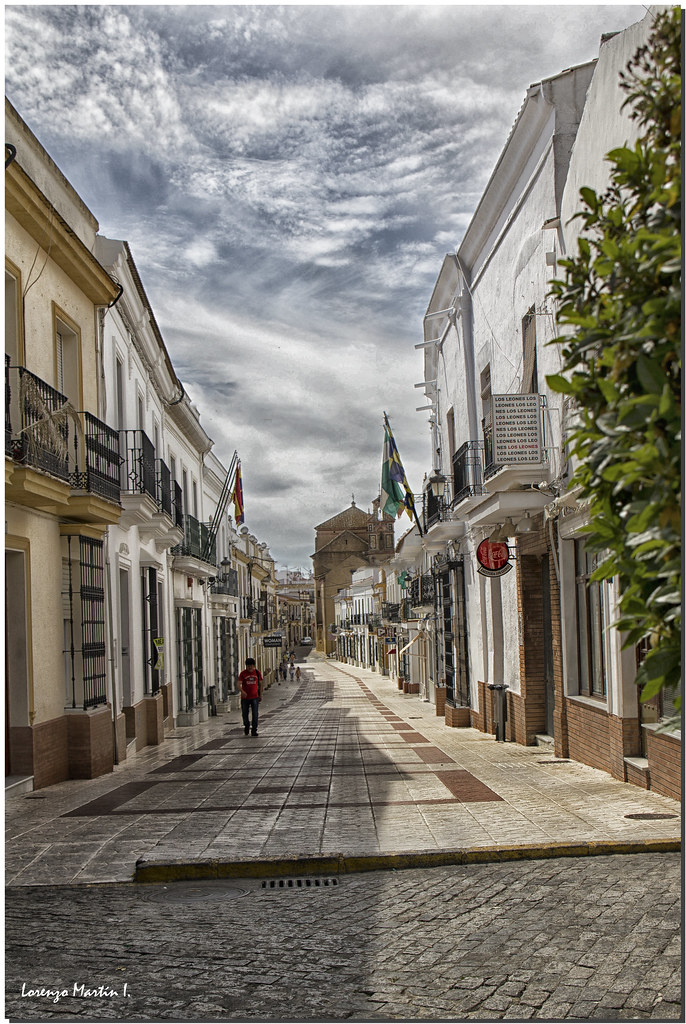
You could commute from here to Huelva in twenty minutes, yet the town refuses to behave like a dormitory. The 19th-century houses around Plaza de la Constitución are brick, not the postcard white-wash foreigners expect, and the shops sell school uniforms and ham knives rather than fridge magnets. That is the first surprise: Gibraleón has never redesigned itself for visitors. The second is the price of coffee—€1.20 if you stand at the bar, thirty per cent less than on the Costa de la Luz twenty minutes away.
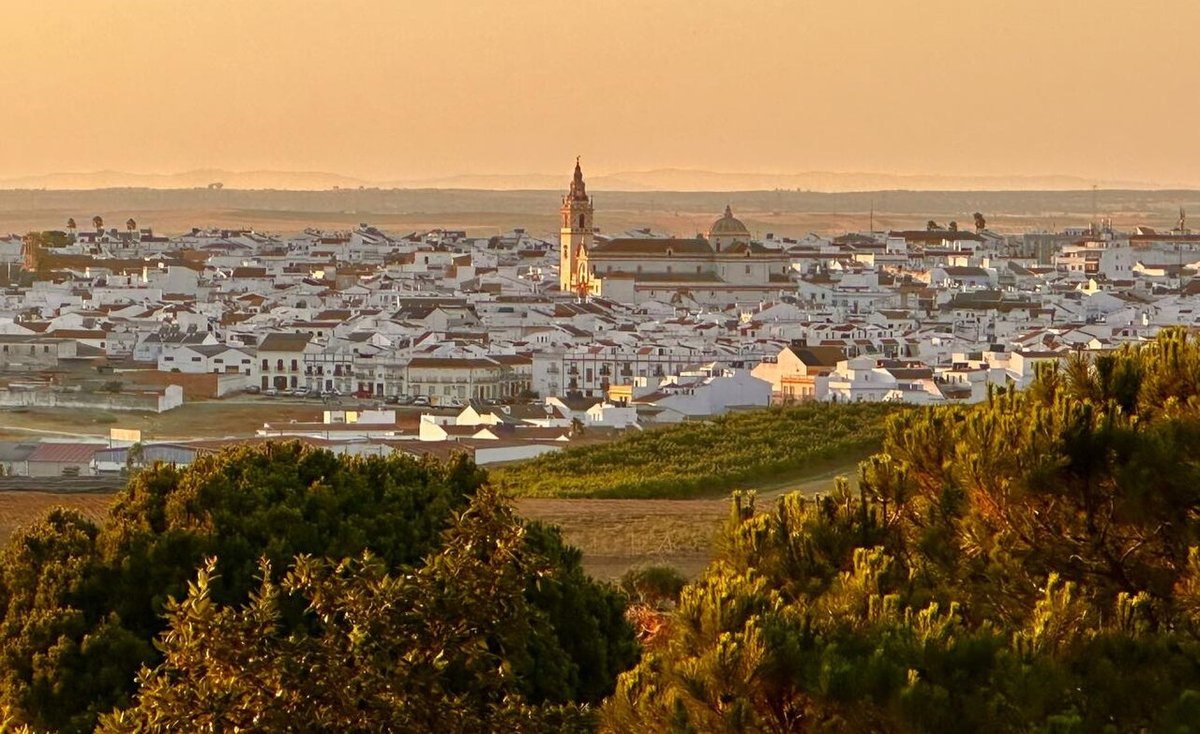
Start with the church tower you can see from almost everywhere. San Pedro is baroque, built on the remains of something Moorish, and its interior smells of wax and the strawberries that local growers pile outside after early mass. The convent opposite—Convento de las Angustias—still has nuns; ring the bell on the left door between 10 a.m. and noon and a voice behind the grille will sell you marzipan that crumbles like shortbread. Take cash—notes no larger than twenty—and a phrase-book; the sister will not negotiate in English, but she will slip an extra sweet into the paper bag if you attempt a respectful "hermana".
River, Marsh and the Smell of Cuttlefish
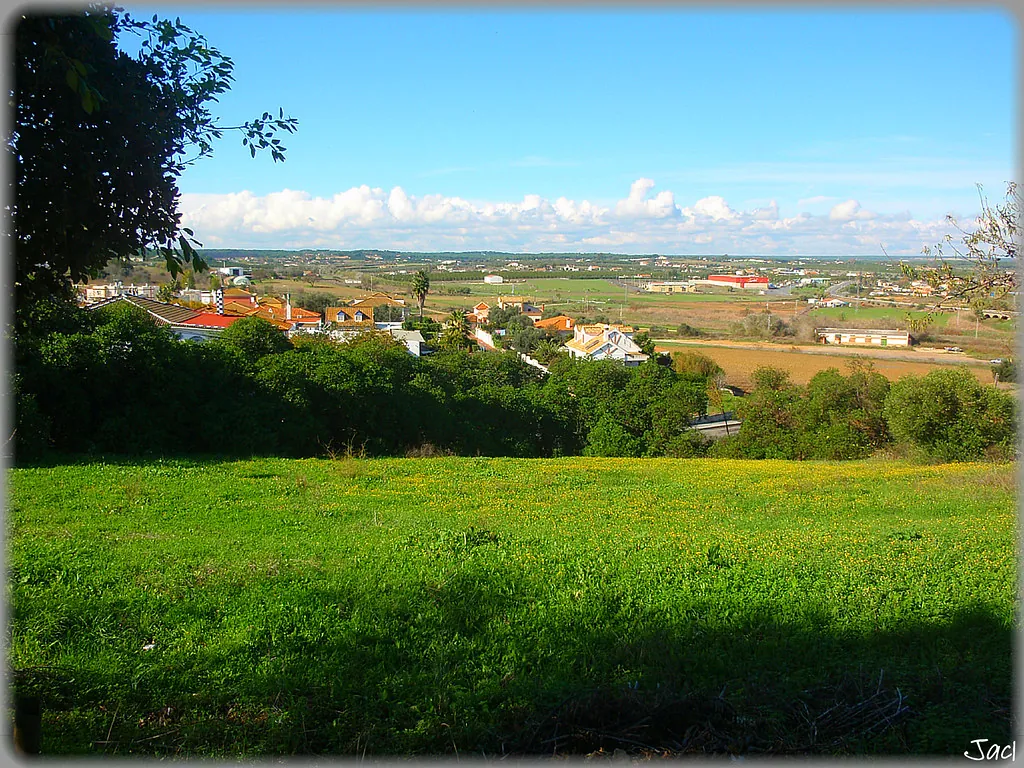
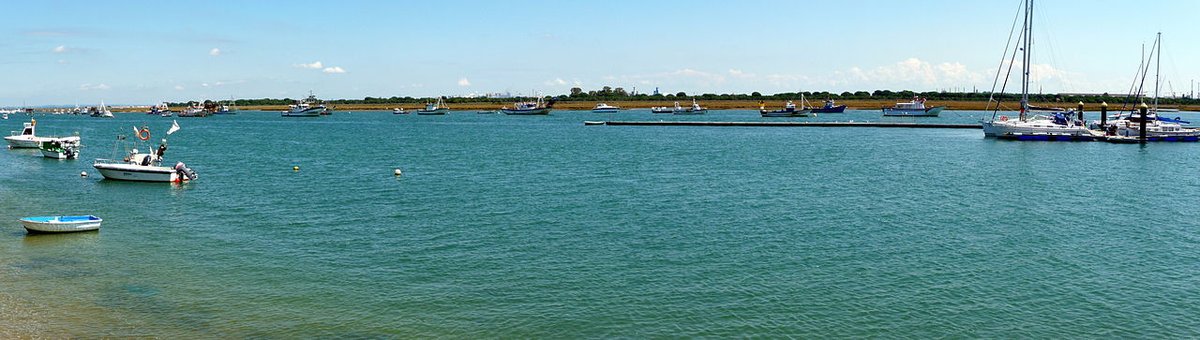
Walk five minutes south and the pavement stops. Suddenly you are among allotments and irrigation ditches where egrets pick between the bean rows. The Odiel marshes begin here, a ribbon of wetland that stretches to the estuary and fills with mosquitoes after April. A signed path—flat, push-chair friendly—runs four kilometres to an old tide mill; take repellent and you will have the track to yourself except for the occasional man collecting clams with a garden fork.
Back in town, lunchtime starts at 1.30 sharp. Locals eat choco—thick strips of cuttlefish slow-cooked in ink until they taste like calamari that has been to finishing school. Order it at Bar Goya on Calle Ancha: half-ration €6, full €11, bread included. If ink is not your thing, the spinach and chickpea stew is mild enough for vegetarian palates and arrives with a splash of local olive oil sharp enough to make you cough. Pudding is decided for you: the nuns’ marzipan if you were prudent enough to buy early, otherwise leche frita—cold custard squares coated in cinnamon—at the pastelería next to the town hall.
Monday is Closed, Saturday is Cheap
The small museum in the old hospital is worth the €2 entry—Roman coins, 17th-century pharmacy jars, black-and-white photos of strawberry pickers in the 1950s—but only from Tuesday to Friday. Monday everything cultural shuts; even the church opens reluctantly. Plan accordingly.
Saturday morning is livelier. The produce market spreads across the car park behind the bus station: pomegranates the size of cricket balls, jars of honey labelled only "Gibraleón 2023", and jamón ends sold by weight for people who can’t afford a whole leg. Prices are scribbled on cardboard and fall further after 1 p.m. when stallholders would rather not pack unsold fruit back into the van.
Cycling to Nowhere in Particular
Afternoons are for siesta or for gentle exercise. The tourist office—hidden inside the library—lends free route maps for cyclists. None is longer than 25 kilometres; all pass cortijos with storks nesting on the chimneys and fields that change colour every fortnight: poppies, then sunflowers, then onions drying on the red earth. Bike hire is €12 a day from the shop opposite the train station, but you must return it by 8 p.m. because the owner sings in the parish choir and will not miss rehearsal.
If you prefer to walk, follow the olive-oil trail south-west. The path is dusty rather than scenic—this is working agriculture, not a national park—but it explains why every bar table has a bottle of thick green oil. Plaques every kilometre give the history of the crop in Spanish and oddly poetic English: "The olive is a bank where sun is stored." You will meet no-one except the occasional dog whose bark is worse than his Spanish.
Fiestas, Fireworks and Strawberries in Alcohol
Visit in early May and the town competes with itself. Each neighbourhood builds a cross wrapped in carnations and paper shavings; balconies sprout lace tablecloths and somebody’s aunt guards a tray of homemade pestiños—honey fritters—like a nightclub bouncer. Music starts at midday, pauses for rosary, resumes with brass bands that march until the beer runs out. It is all free, chaotic and impossible to avoid; book accommodation early because every cousin returns home.
Mid-September brings the feria honouring the patrona, Our Lady of the Miracle. For three nights the fairground rides occupy the football pitch and the council hands out free strawberries macerated in aguardiente. The liqueur is sweet, deceptively strong, and served in plastic shot glasses that locals line up in sets of five. Drink two and the fireworks make sense; drink five and the 1 a.m. bus back to Huelva looks like a spaceship.
Getting Here, Getting Out
Gibraleón has two railway stations, a quirk of 19th-century politics. The one that matters is 1 km north of the centre on Avenida de la Estación; there is no taxi rank, so ring your hotel or walk—pavements are wide and flat. Regional trains run hourly to Huelva (18 minutes) and twice daily to Seville (1 h 25). From Seville airport a direct bus covers the 95 kilometres in two hours; a hire car halves the time and lets you stop at the roadside fruit stalls that appear from March onwards.
Accommodation is limited to three small hotels and a handful of casas rurales on the edge of town. Expect €55–€75 for a double, breakfast €4 extra: toast, olive oil, tomato purée, and coffee strong enough to keep you awake through the morning mass bells. There is no five-star option, and that, like the town itself, is rather the point.
Leave Before You Stay Too Long
Gibraleón works best as a single-day detour between Seville and the coast, or as a place to sleep before an early flight from Faro—an hour and twenty by car across the Guadiana bridge. Stay longer and you will notice the drawbacks: shops shut on Sunday afternoon, the only cash machine sometimes runs dry, and nightlife ends when the last bar owner sweeps the floor at half-past eleven. But for a few hours—long enough to drink anis with the dawn regulars, to buy marzipan from a nun, to taste cuttlefish that never knew a freezer—the town offers something the coast has mislaid: a working Spanish routine that carries on around you, politely indifferent to whether you came or not.