Full Article
about Moguer
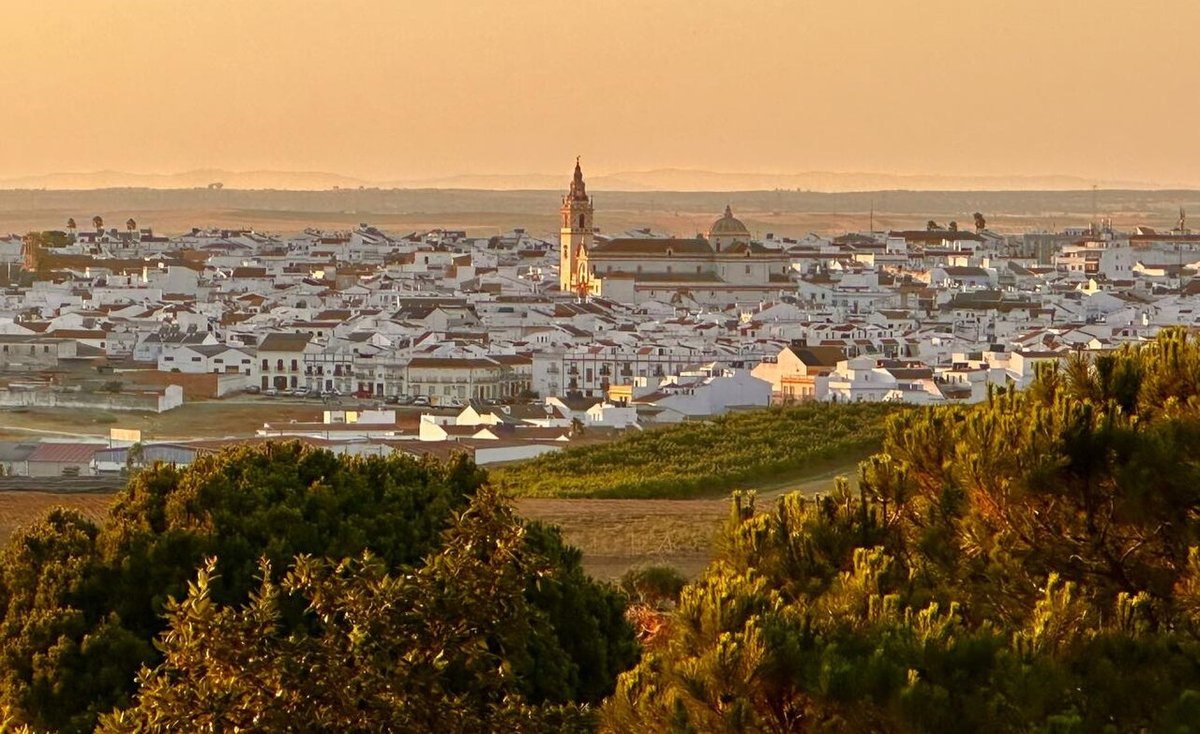
Birthplace of Nobel laureate Juan Ramón Jiménez and port of the caravel Niña; a historic-artistic ensemble of great beauty with convents and stately homes.
Hide article Read full article
A town shaped by the Tinto
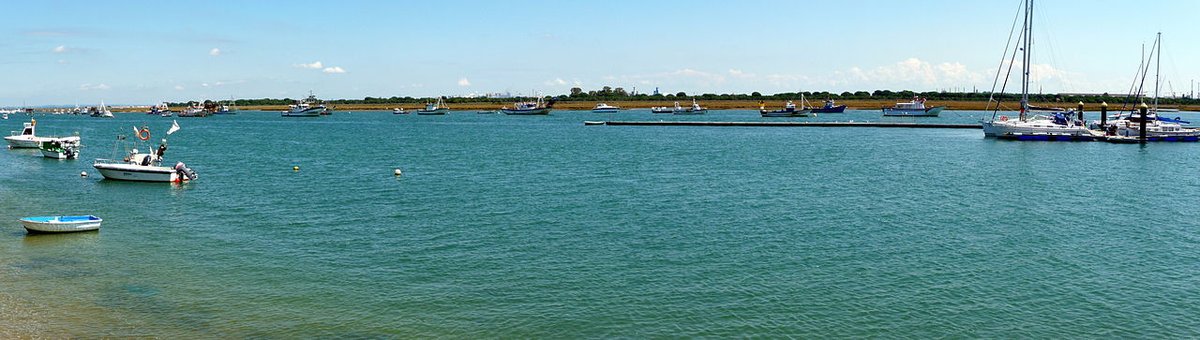
Tourism in Moguer often begins with a very specific story, that of the caravel Niña. This stretch of marshland along the río Tinto was linked for centuries to naval activity. The river worked as a route out to the Atlantic, and around it grew a small working world of ship carpenters, sailors and traders. Timber arrived from nearby pine forests, while mud from the estuary was used to seal and repair hulls.
That setting helps explain why sailors from Moguer took part in the Columbian voyages. They were used to navigating a difficult coastline where sandbanks shifted after every storm. Experience in these waters mattered, and it tied the town closely to the wider maritime networks of the time.
A town written into literature
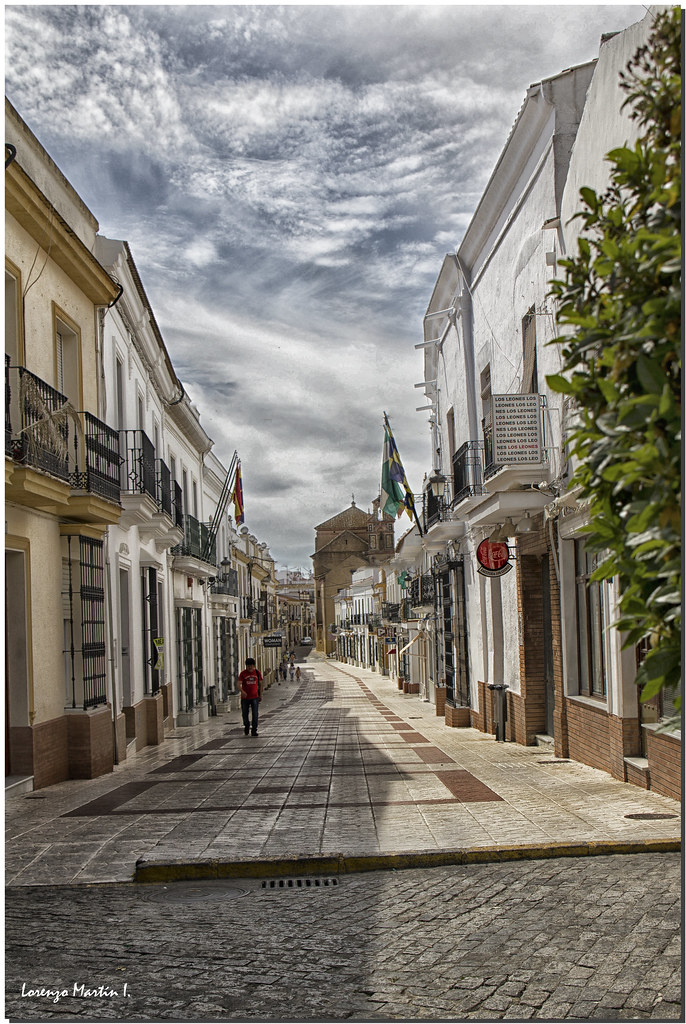
Moguer holds a distinct place in Spanish literary geography for a clear reason: it is the birthplace of Juan Ramón Jiménez. The writer turned the town into the setting for Platero y yo, and many of the streets mentioned in the book still form part of the historic centre.
His birthplace can now be visited as a museum. Rather than focusing on grand displays, the interest lies in its domestic atmosphere. Rooms, a central patio and the library offer a sense of the environment that shaped his work. Nearby streets add another layer to that literary presence. Ceramic tiles bearing fragments of his texts appear on building façades across the centre. They are not arranged as a strict route, so they tend to appear unexpectedly while walking through the town.
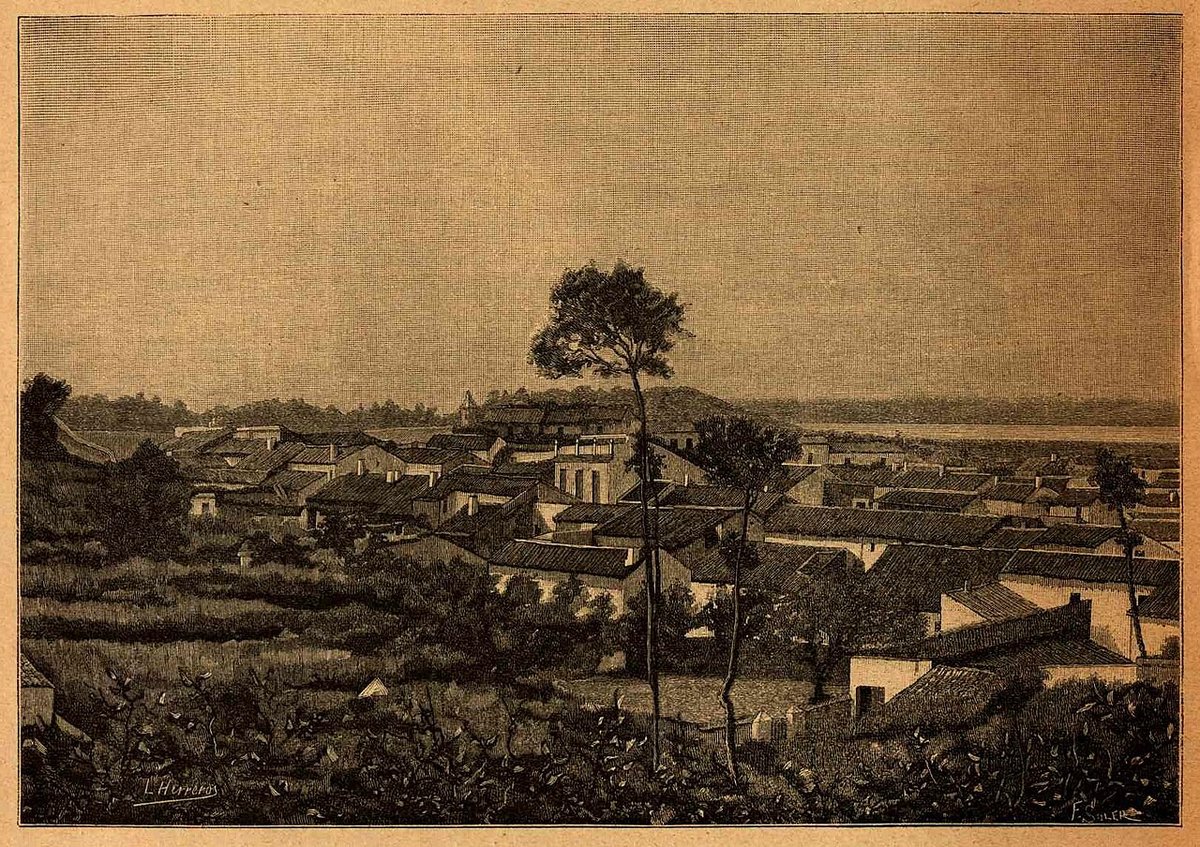
The Town Hall stands out in the main square, built in exposed brick with a square tower. Its current appearance reflects later alterations, yet the institution itself has deeper roots. For centuries, Moguer functioned as a seigneurial town linked to Castilian nobility. It was part of a territory that looked both inland towards agriculture and outward to maritime trade.
Santa Clara and the passage of time
The monastery of Santa Clara, founded in the 14th century, remains one of the key historic buildings in Moguer. Its church and convent complex show a blend typical of western Andalusia, with early Gothic elements, later additions, and Mudejar decoration visible in several parts of the structure.
The cloister is often noted as one of the older examples of its kind in the region. Its design is restrained and geometric. More striking than any label or style is the sense of continuity. The convent has maintained religious life for centuries and still retains the quiet atmosphere of places that were never entirely abandoned.
Historically, the building was linked to the route connecting the town with the banks of the Tinto. Before major sea departures, families would come here to pray. That relationship between convent, port and sea appears repeatedly in documents from the time of the Columbian voyages, tying the monastery to the rhythms of travel and uncertainty that defined the era.
Fields beyond the town
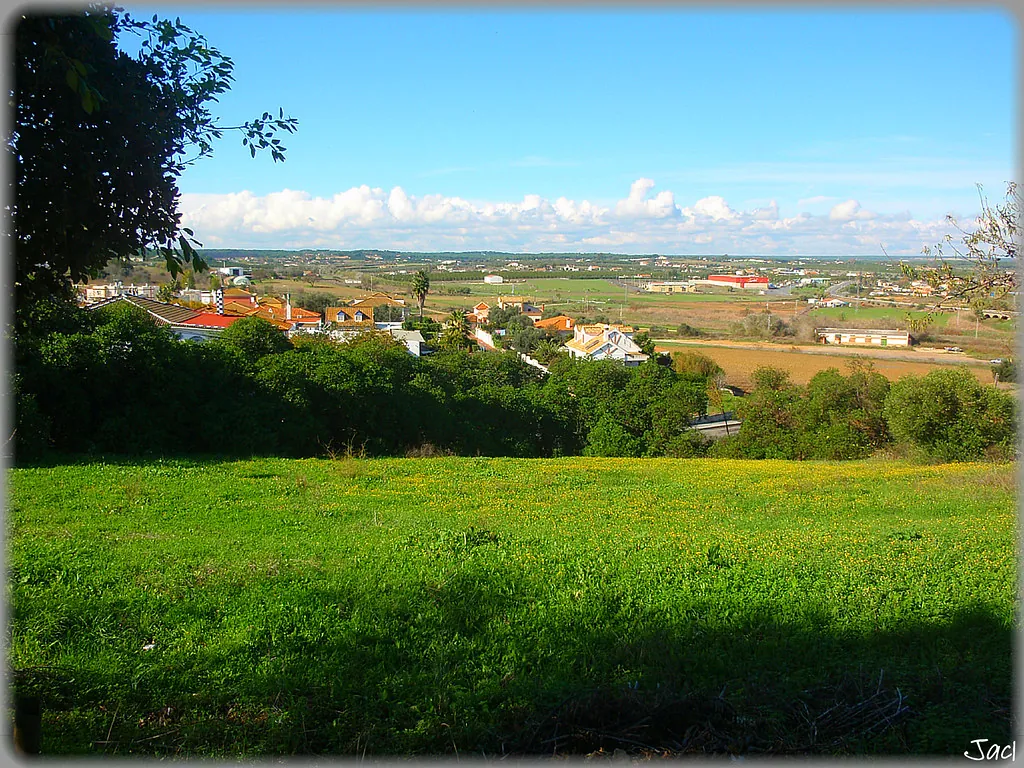
Just outside the urban centre, the landscape changes quickly. Moguer’s municipal area forms part of one of southern Europe’s major zones for berry production. Large areas are given over to crops, especially strawberries and other berries, with the familiar white plastic tunnels dominating the horizon during the growing season.
Much of the town’s recent agricultural economy revolves around these farms. The harvest period brings increased movement of workers and transport, particularly towards fruit handling centres in the wider area.
Local cooking reflects both land and coast. Produce from the fields appears alongside ingredients from nearby shores. Choco, a type of cuttlefish, is common in stews and rice dishes. Tuna and shellfish arrive easily from ports along the Huelva coast. Wines from the Condado de Huelva are also a regular presence at the table.
In the footsteps of Juan Ramón
On the outskirts of Moguer lies Fuentepiña, an estate associated with the life of Juan Ramón Jiménez. The setting, with pine woods and sandy paths, helps make sense of the landscapes that recur throughout his writing.
Tradition places here the burial spot of Platero, the donkey that gives its name to his best-known book. The marker is simple, a stone with a small plaque. Visitors often leave flowers or handwritten notes, turning the site into a quiet point of connection between literature and place.
Along the Tinto
From Moguer it is easy to explore the strip of pine forest and marshland that follows the río Tinto towards its estuary. This area once included the Puerto de la Ribera, a centre of naval activity during the period of voyages to the Americas.
Today the landscape feels calmer. Sandy tracks run through pine groves and wetland areas where water birds are a common sight. The area also connects with routes leading to Palos de la Frontera and the surroundings of La Rábida, both closely linked to the history of Columbus and his expeditions.
Getting there
Moguer lies close to Huelva and not far from the A‑49 motorway, which links Seville with the coast of the province. Access is straightforward, with the town positioned between inland routes and the Atlantic-facing lowlands that have shaped its history.