Full Article
about Palos de la Frontera
Cradle of the Discovery of America, from where the caravels set sail; key historic site with the Monasterio de La Rábida and the Muelle de las Carabelas.
Hide article Read full article
A place that rewrites expectations
Palos de la Frontera has a way of catching people off guard. At first, it can feel like a place trading heavily on its past, almost too eager to remind you of its famous connections. Then the pieces start to fall into place. You are near the river Tinto, you recall that ships once set sail from here, and the realisation settles in that this small town was tied to an event that reshaped much of the world.
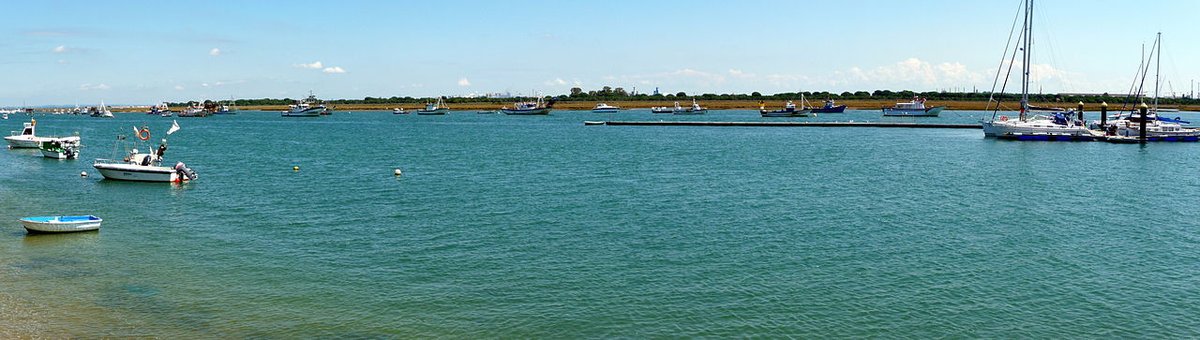
There is a detail that often surprises visitors. The river is not quite where many expect it to be for a historic port. Geography has shifted over time, and the estuary has changed its shape. The Lisbon earthquake of the eighteenth century also left its mark along this stretch of coast. What once felt like a direct relationship between town and water now requires a bit more imagination.
Where the unknown began
One of the key landmarks is the Iglesia de San Jorge. Built with reddish brick and whitewashed walls, it reflects the restrained style typical of Mudejar churches in this part of Andalusia. This is where the order from the Catholic Monarchs was read out, obliging the people of Palos to provide ships and sailors for Christopher Columbus’s expedition.
It is worth pausing to picture that moment. Local residents gathered in a modest church, listening to a command that would send them across an ocean that, on contemporary maps, faded into uncertainty.
The departure of the ships is traditionally dated to 3 August 1492. Today, the most immediate way to grasp what that meant is at the Muelle de las Carabelas. Here you find modern reconstructions of the Niña, the Pinta and the Santa María. They are not original vessels, but they give a clear sense of scale. Standing beside them makes one thing obvious: crossing the Atlantic in ships of that size must have required a great deal of nerve.
La Rábida and the turning point
A short distance from the town stands the Monasterio de La Rábida. Photos can give the impression of something larger, yet the reality is more compact, almost intimate. That smaller scale suits its story.
This was the place where Columbus spent time trying to push his plan forward when few were willing to listen. The Franciscan friars at the monastery played a significant role. They heard him out, supported him, and helped connect him with local seafaring families, including the Pinzón family.
Inside, several rooms are devoted to the voyage, offering context for what would follow. There are also striking murals by Daniel Vázquez Díaz, created in the twentieth century, which add a different layer to the historical narrative. The cloister and gardens invite a slower pace. Silence settles easily here, and it is the kind of setting where a short pause tends to stretch longer than expected.
A small town with a large story
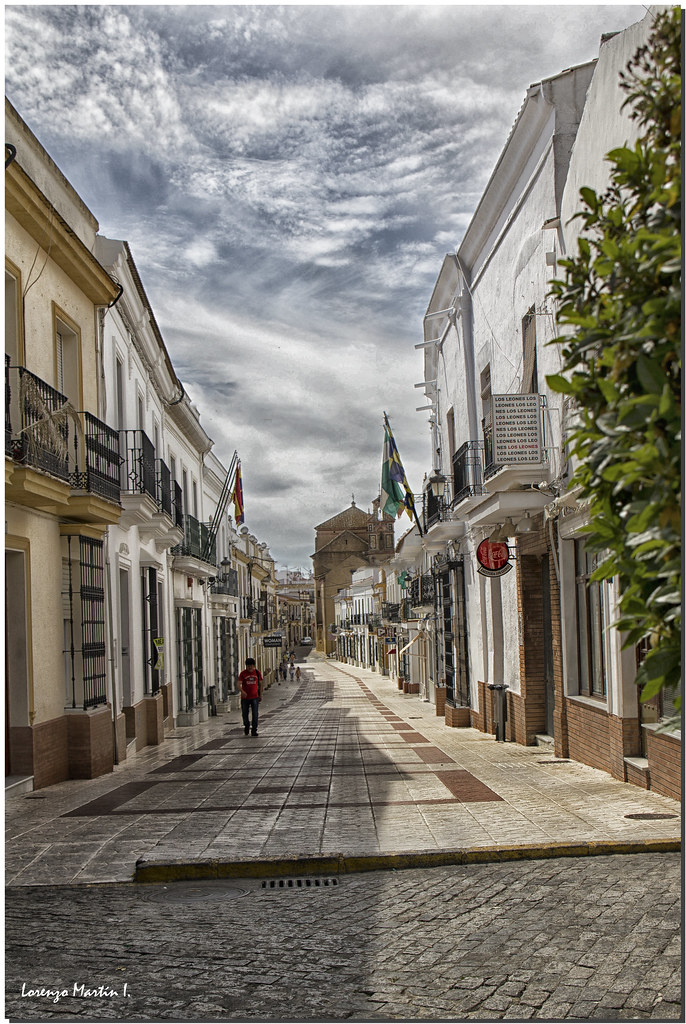
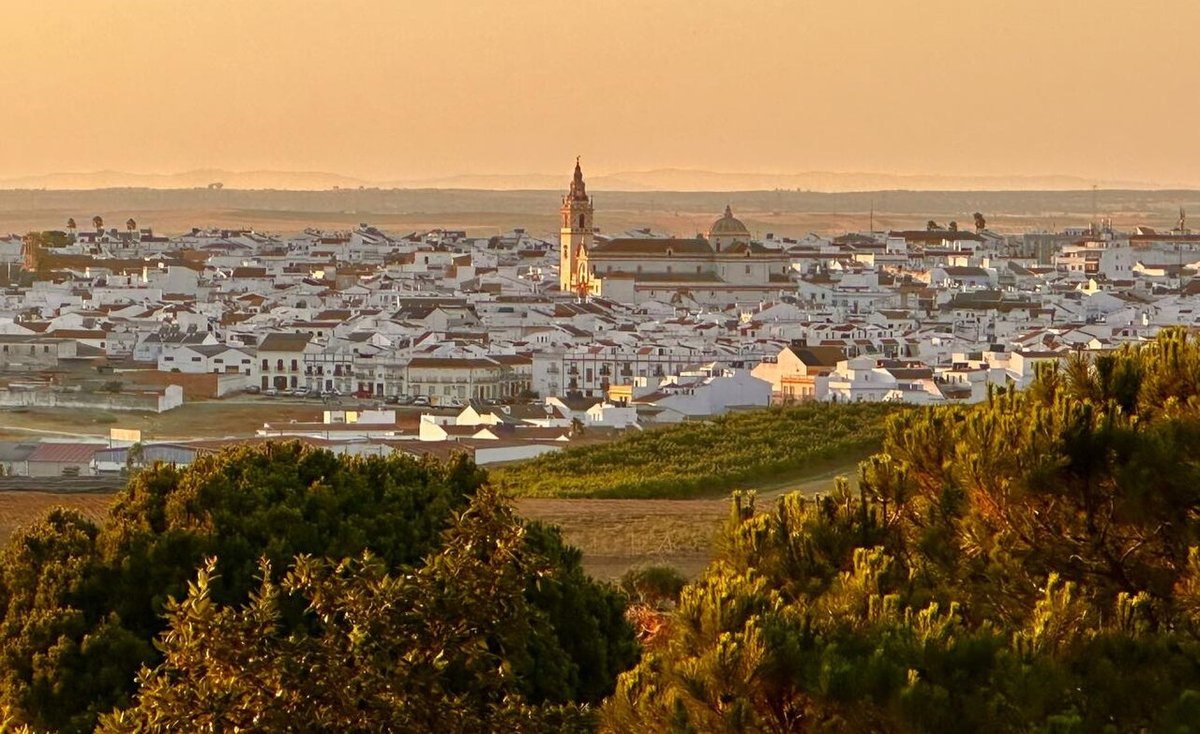
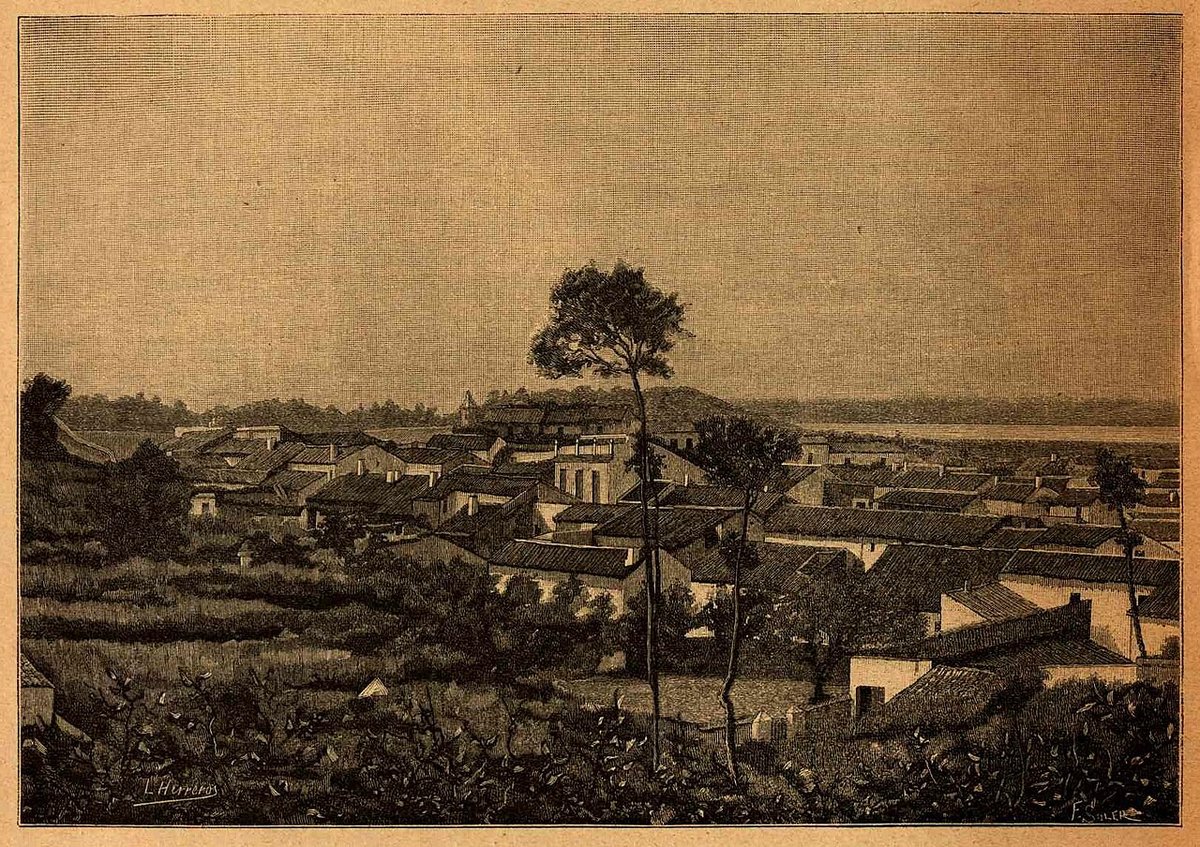
The centre of Palos de la Frontera is easy to cover on foot. White streets, quiet squares and a largely everyday rhythm define the place. It is not a large or monumental historic centre, and it helps to approach it with that in mind.
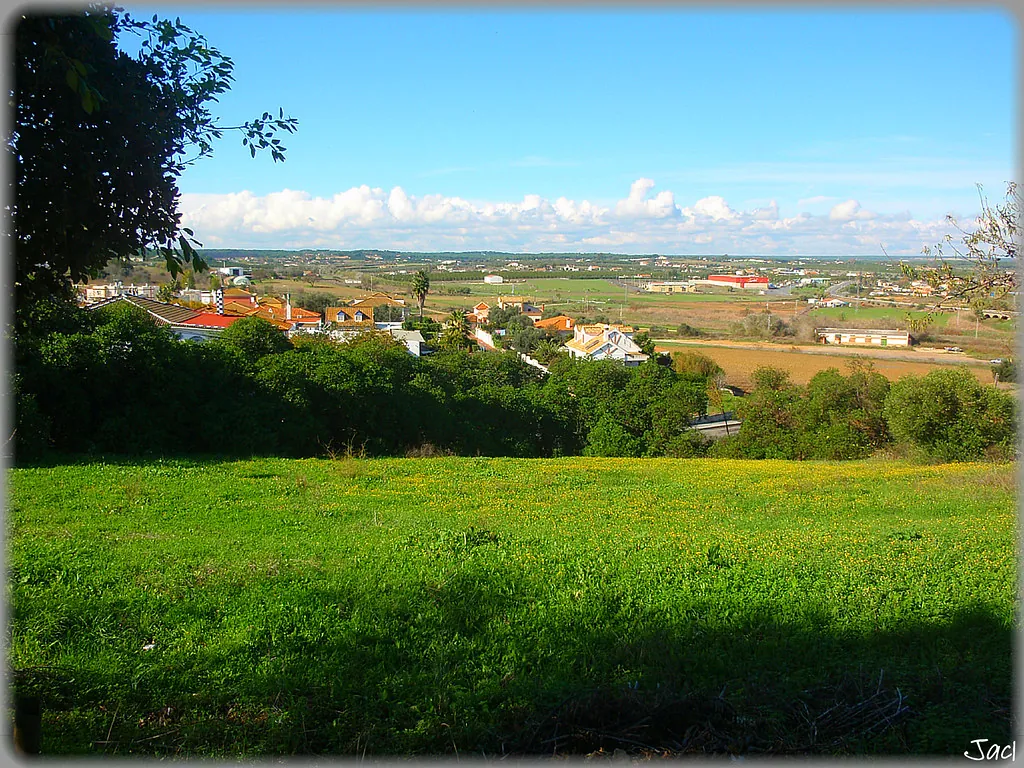
What makes it intriguing is less about grand architecture and more about context. This area, now dominated by farmland and agricultural activity, once had a much closer relationship with the water. Changes in the estuary, along with natural events such as the Lisbon earthquake of 1755, reshaped the landscape over time.
That shift explains a slightly disorienting detail. You hear about the old port, yet the sea is no longer where you expect it to be. It becomes clearer once you understand how the coastline has evolved across the centuries. The town’s history remains tied to the water, even if the physical distance has grown.
Between estuary and farmland
Local cooking reflects that mix of environments, where sea and land meet more closely than it might first appear. One of the most common dishes in the Huelva area is chocos con patatas. It is a simple stew, eaten with a spoon, carrying a subtle maritime character linked to the estuaries of the Tinto and the Odiel.
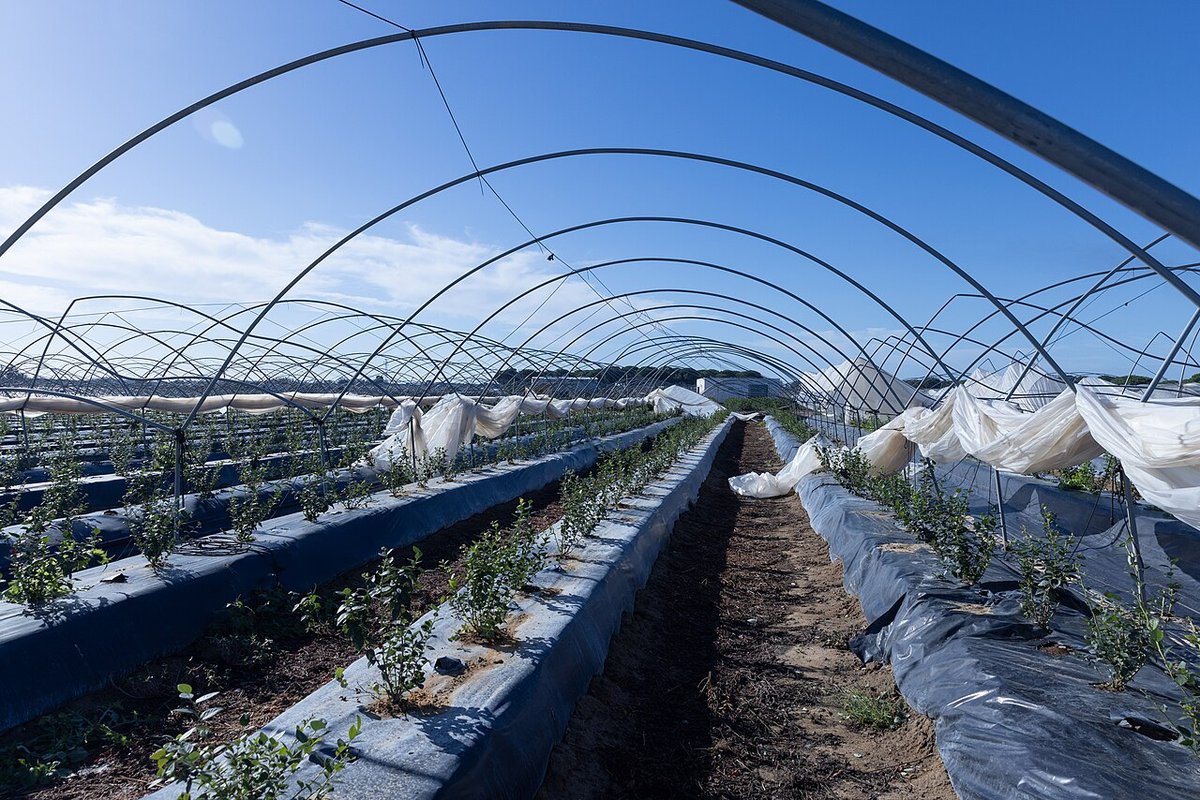
Then there are the strawberries. Driving around Palos reveals extensive fields covered in plastic, stretching across the landscape. A significant share of the strawberries grown here ends up in markets across much of Europe.
There is a certain historical irony in that. A place associated with voyages to the Americas now functions as a major exporter of fruit.
A visit that fits into half a day
Palos de la Frontera works best as a half-day stop rather than a long, drawn-out visit. A good way to approach it is to begin at La Rábida while the surroundings are still calm. After that, the Muelle de las Carabelas helps bring the scale of the expedition into focus. The town itself is well suited to a short walk to round things off.
In a few hours, it is possible to form a clear impression of what this place represents.
The wider area also offers several nearby options. Moguer, the natural surroundings of the marshes, and the beaches of Mazagón are all within a short drive. Each adds another layer to the region without requiring much extra time.
Palos de la Frontera has long been a point of departure. That role still feels appropriate today. Historically, this was not so much a place people arrived in, but one they left from. On occasion, as in 1492, those departures went on to alter the course of much of the world.