Mun 2019 SJ AD.jpg
Andalucía · Passion & Soul

San Juan del Puerto

Twelve metres above sea level isn't high by any stretch, yet San Juan del Puerto manages to feel like an inland village that just happens to have a...

9,969 inhabitants · INE 2025
12m Altitude

Why Visit

Church of San Juan Bautista Walks along the estuary

Best Time to Visit

summer

San Juan Bautista Festival (June) junio

Things to See & Do
in San Juan del Puerto

Heritage

  • Church of San Juan Bautista
  • Tinto Wharf
  • Salt Pans

Activities

  • Walks along the estuary
  • Traditional bull-running
  • Columbus Route

Festivals
& & Traditions

Fecha junio

Fiestas de San Juan Bautista (junio), Semana Cultural (agosto)

Las fiestas locales son el momento perfecto para vivir la autenticidad de San Juan del Puerto.

Full Article
about San Juan del Puerto

Historic port on the Tinto estuary tied to Columbus’s voyage; growing town with major infrastructure and bull-running festivals.

Ocultar artículo Leer artículo completo

The River That Forgot the Sea

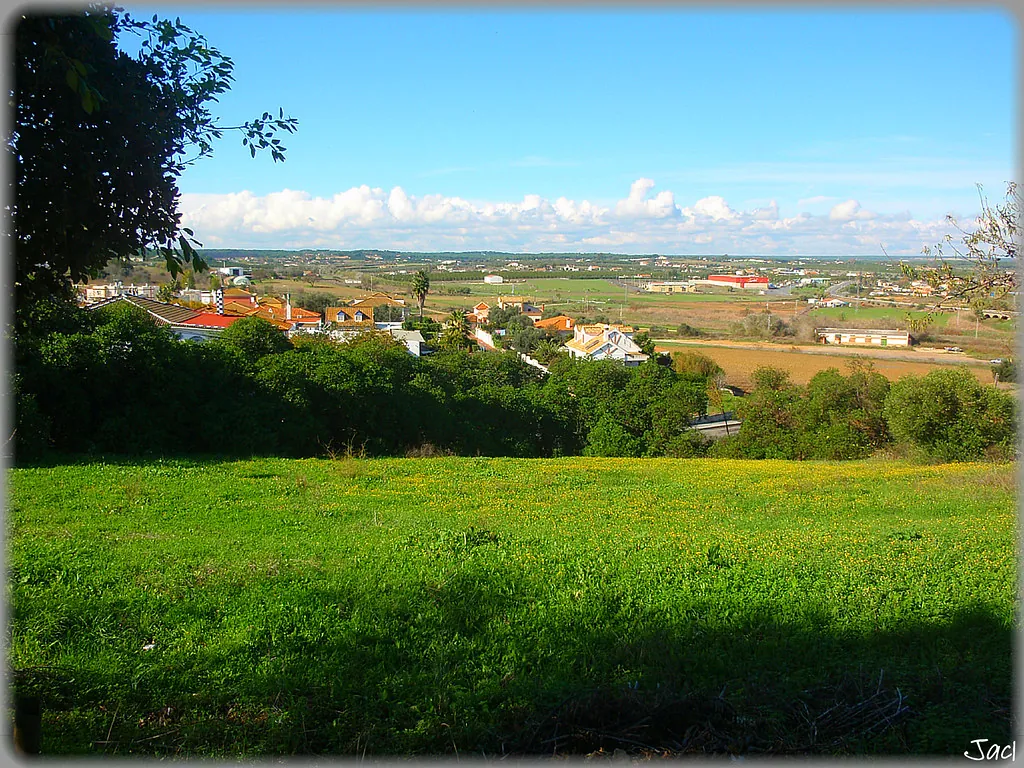
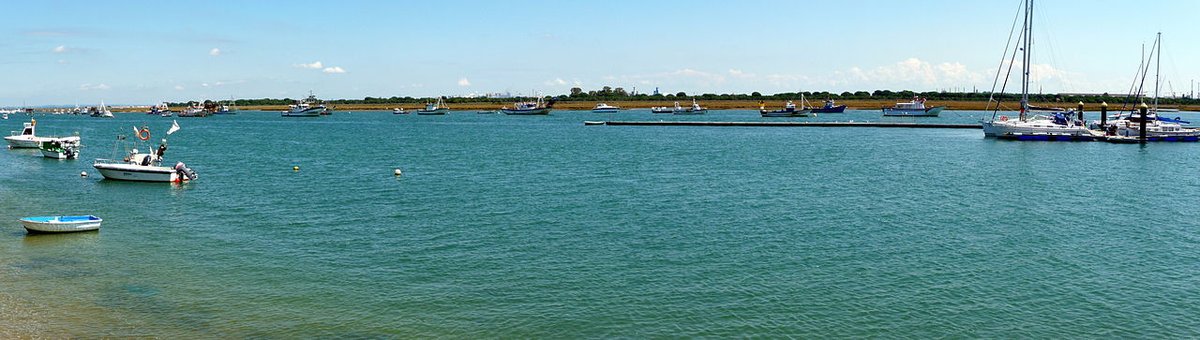
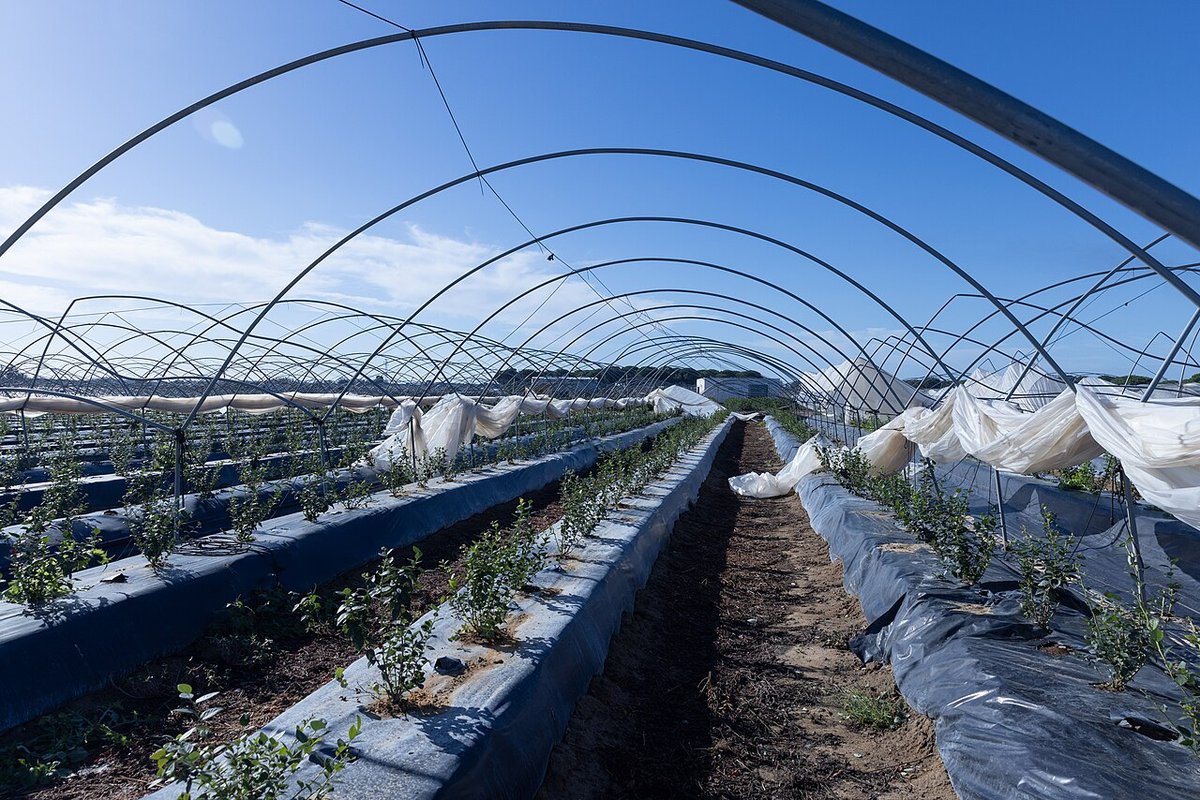
Twelve metres above sea level isn't high by any stretch, yet San Juan del Puerto manages to feel like an inland village that just happens to have a river for a neighbour. The Tinto slides past the southern edge of town, carrying its rust-coloured waters towards the Huelva estuary, but the village keeps its back turned to the water. Here, agriculture rules. Fields of strawberries stretch to the horizon, their plastic tunnels glinting like serpents in the sun, while citrus groves release their sharp perfume on warm mornings.

The name suggests maritime heritage—"del Puerto" implies a port—but any docking happened centuries ago. What's left is a working town of 9,778 souls whose rhythm follows the agricultural calendar rather than tidal charts. British visitors expecting whitewashed fishing cottages will find something else entirely: a practical place where neighbours still nod hello and the bar conversations remain resolutely Spanish.

Market Day and Other Realities

Thursday mornings transform the Plaza de Abastos into the village's social hub. The market occupies barely a quarter of the square—perhaps fifteen stalls—but locals treat it like a reunion. Women in housecoats squeeze tomatoes with the authority of decades, while farmers offload vegetables still warm from the soil. Strawberries appear from April through May, sold from the boots of battered Seat Ibizas at €3 per kilo. They're proper specimens: irregular, perfumed, nothing like the supermarket giants back home.

The market's modest scale becomes apparent when you need anything beyond basics. For serious shopping, Huelva lies twelve kilometres south-west along the A-49. Three to four buses daily make the journey, but timetables favour commuters rather than day-trippers. A hire car transforms the experience completely—exit 75 spits you onto the village bypass, and parking remains gloriously stress-free even during fiestas.

Language barriers hit immediately. English speakers are thinner on the ground than in coastal resorts, and menu translations don't exist. Bar Los Rosales on Calle Real becomes a lifeline: point at whatever the construction workers are eating—usually a substantial pork platter with chips for €8—and you'll eat well. The owner's daughter might attempt school-English if pressed, but it's safer polishing those GCSE Spanish phrases.

What Passes for Sights

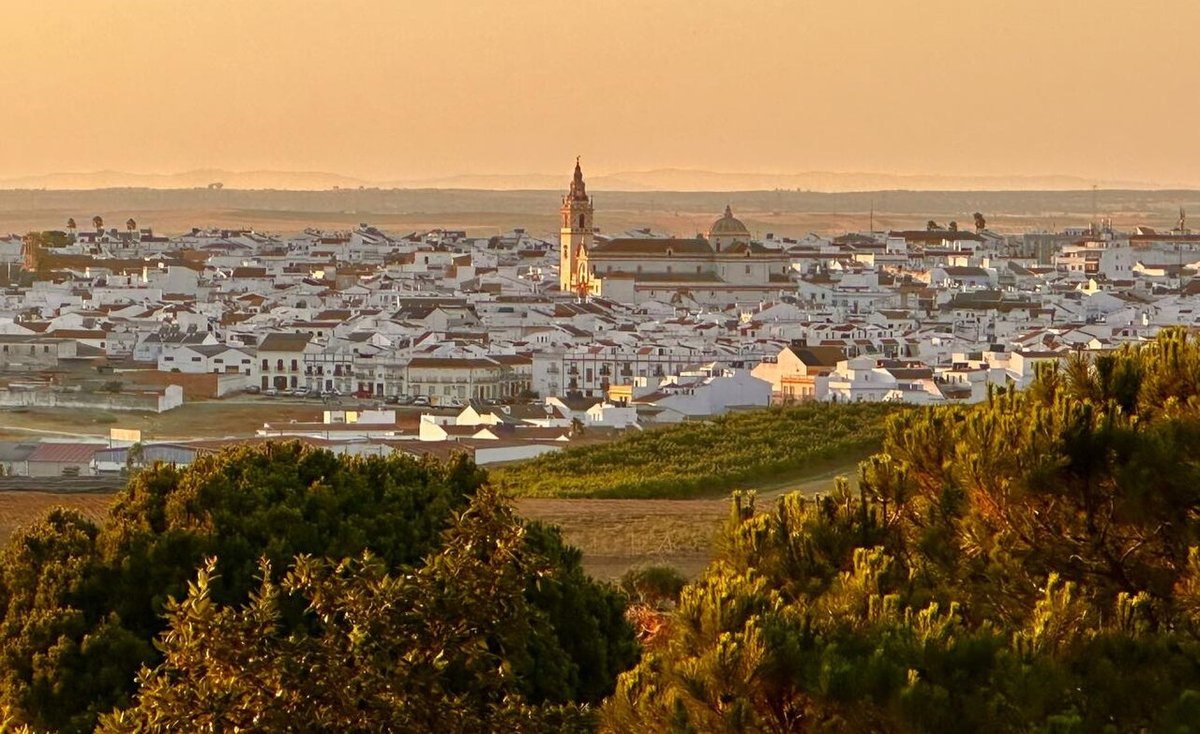
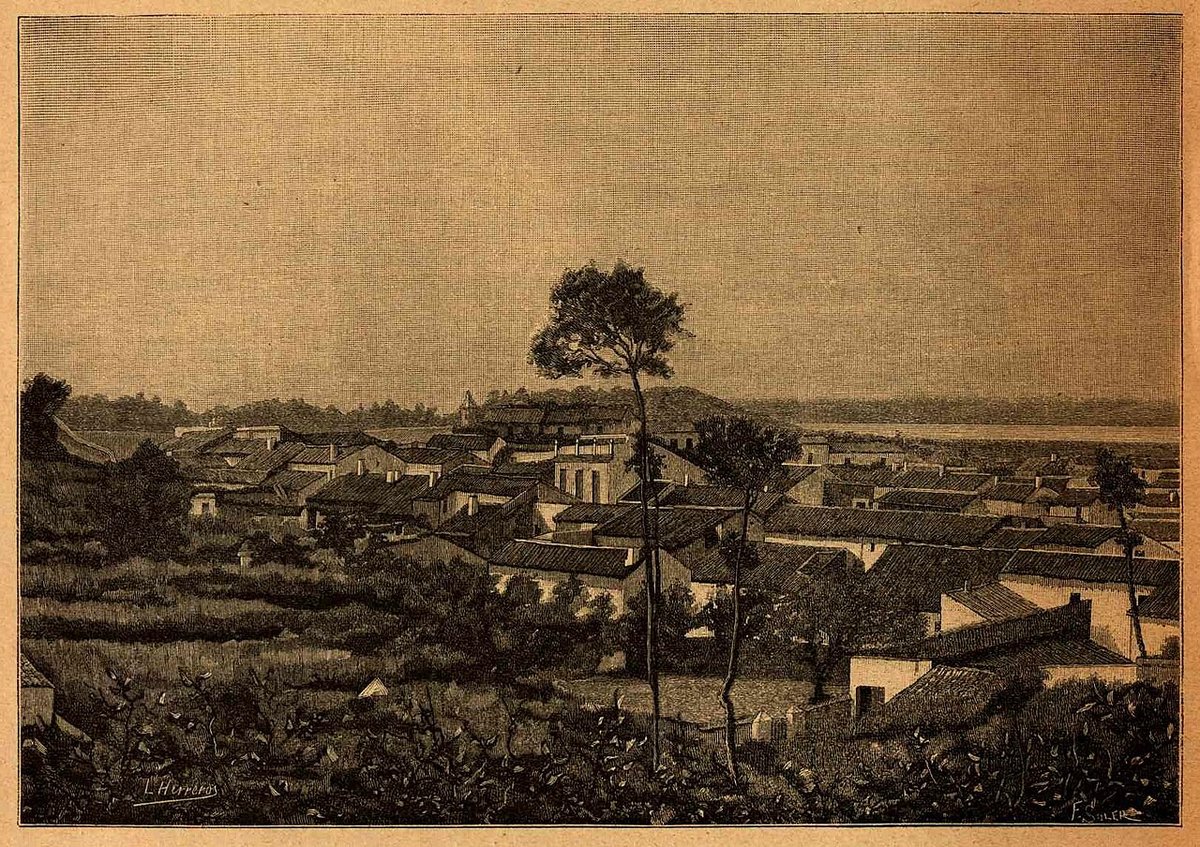
San Juan Bautista church dominates the skyline with its mish-mash tower, visible from anywhere in the village. Built across the sixteenth and seventeenth centuries, it absorbed whatever architectural fashions wandered through Andalusia at the time. The interior stays refreshingly cool even when outside temperatures hit 38°C—a legitimate tourist attraction during July's inferno. Mass times are posted on the door; visitors are welcome but shorts and vest tops will earn disapproving glances from elderly señoras.

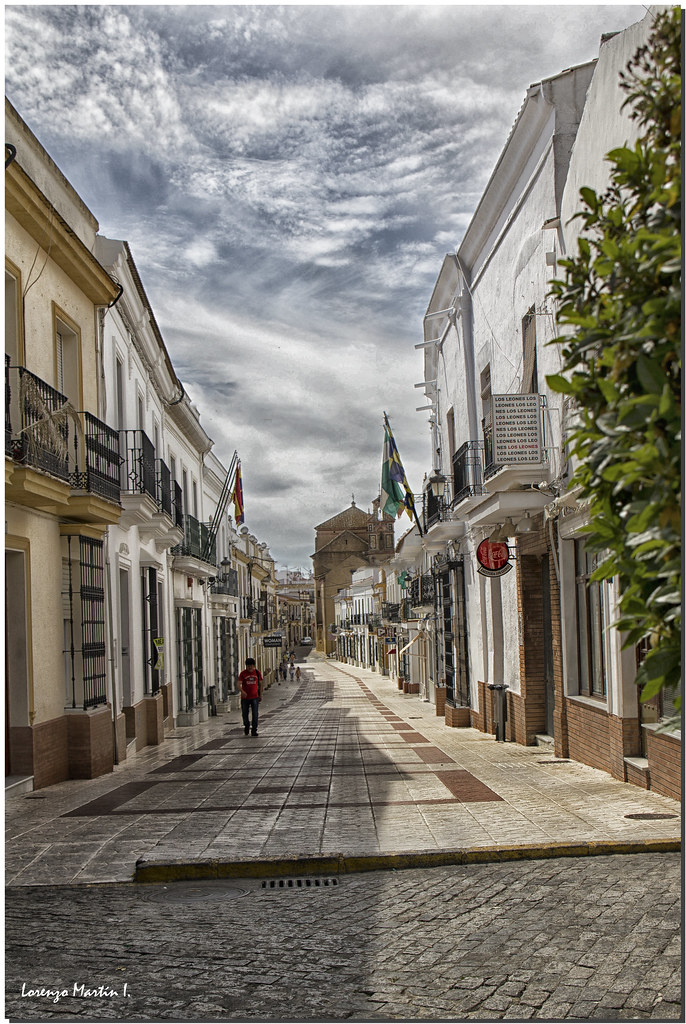
The Plaza de España functions as outdoor living room, complete with elderly men on benches who've occupied the same spots since Franco's death. Their conversation topics rarely stray beyond crop prices and football, though they'll pause to watch any unfamiliar face. The town hall occupies one side, its digital clock permanently flashing 12:00 like a forgotten microwave. Nearby, pastelería La Villa sells lemon-cheese tartlets that taste familiar enough to comfort homesick teenagers, though the coffee comes in glasses small enough to make Brits wince.

Beyond the centre, streets widen into residential grids where modern houses hide behind walls topped with broken bottles. It's not pretty in the postcard sense, but it's honest. Washing flaps from balconies, dogs bark behind gates, and the smell of garlic frying drifts through open windows. Real life, basically.

Cycling Through Plastic Seas

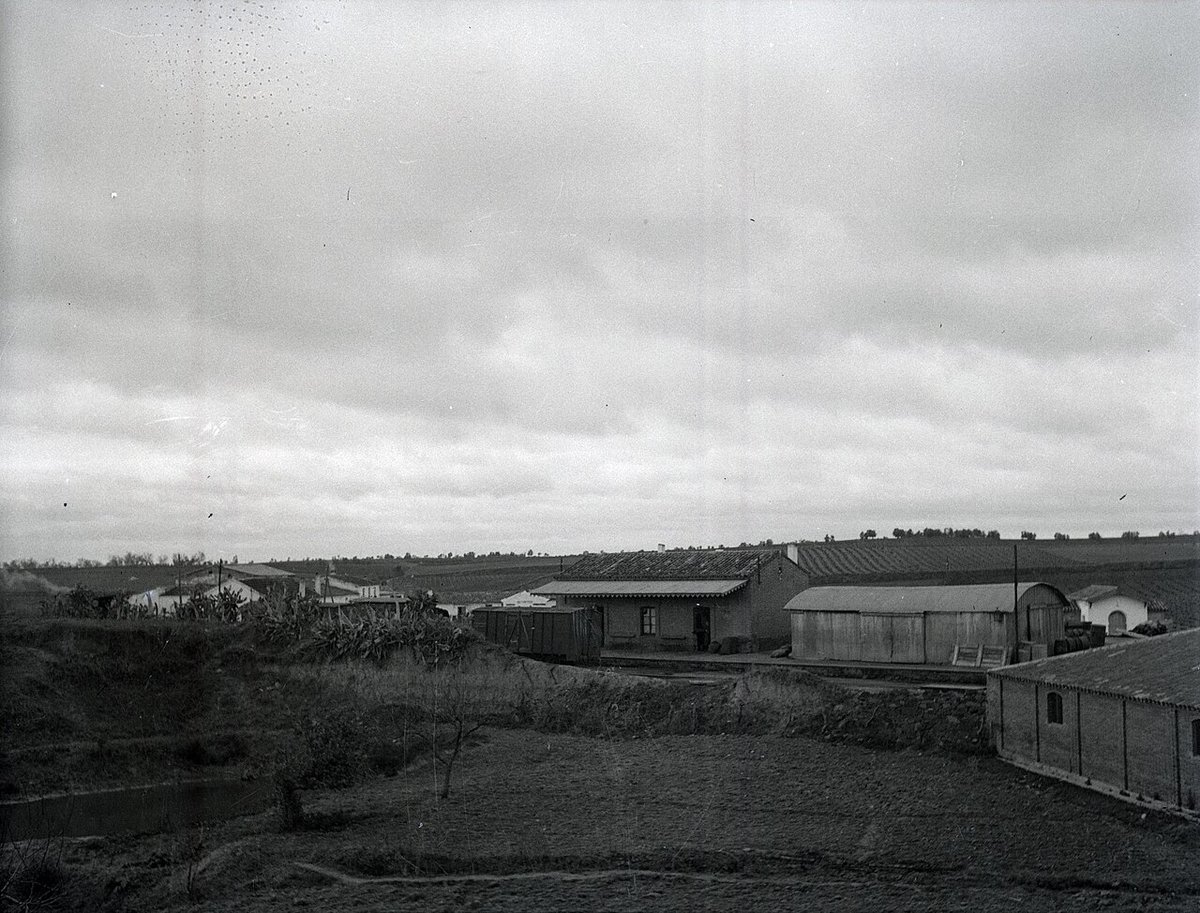
The old Buitrón railway line cuts through village outskirts, transformed into the Vía Verde de la Sierra cycle route. Seven kilometres of flat, car-free track connect San Juan to La Palma del Condado—perfect for families whose children object to Spanish hills. Hire bikes in Huelva first; the village lacks rental facilities. Early morning rides beat both heat and agricultural traffic, though polythene rustling in the breeze creates an odd plastic-sea soundtrack.

Serious cyclists continue towards Seville via an extended network, but day-trippers content themselves with countryside exploration. Tracks between strawberry tunnels reveal the industrial scale of modern farming—vast operations supplying British supermarkets through winter months. Perspective shifts when you realise those January punnets originate here, tended by workers in conditions that look brutal under August sun.

Walking works too, though shade remains scarce. Footpaths follow irrigation channels, leading past orange groves where fruit hangs like ornaments. Farmers rarely object to respectful wanderers, but stick to obvious tracks and close gates. The Tinto's banks offer limited strolling potential—vegetation grows thick and paths peter out quickly. Think of the river as scenic backdrop rather than recreational opportunity.

Fiesta Calendar: Locals Welcome, Tourists Scarce

San Juan Bautista's feast day on 24 June transforms the village utterly. What began as religious celebration morphs into five days of processions, concerts and street parties. The fairground occupies the polígono industrial—bumping cars and shooting galleries staffed by travelling families who follow fiesta circuits across Spain. Casetas serve fino sherry and tapas until 4am; even toddlers stay awake, fuelled by Coca-Cola and parental indulgence.

British visitors receive warm welcomes but remain curiosities. Young locals might practice English learned at school, while grandparents regard foreigners with benevolent confusion. Accommodation within village limits doesn't exist—Spanish families book every room at the single hostal months ahead. Stay in Huelva and drive over; police set up drink-driving checkpoints, but taxis cost €25 each way and the road's dead straight.

August's Feria mixes horse parades with agricultural shows, demonstrating San Juan's split personality between tradition and commerce. Women wear flamenco dresses that cost more than monthly salaries; men sport Panama hats and waistcoats despite 35°C heat. It's photogenic, certainly, but participation beats observation. Learn a basic sevillanas step and locals will applaud enthusiastically—even if your efforts resemble Dad dancing at weddings.

When to Visit, When to Avoid

Spring delivers the goods: temperatures hover around 22°C, strawberries ripen, and the surrounding countryside glows green before summer scorches everything beige. March brings occasional rain—proper downpours that turn dust to mud and release earth scents. Hotel prices in Huelva stay reasonable; coastal tourists haven't arrived yet.

July through mid-August presents challenges. Thermometers regularly top 40°C, humidity rises from surrounding wetlands, and agricultural activity attracts flies in biblical proportions. The smell of fertiliser hangs heavy—organic, but unmistakable. Spanish families escape to coasts, leaving village streets eerily quiet between noon and 7pm. Siesta becomes survival strategy rather than cultural curiosity.

Autumn offers redemption. September maintains warmth without July's brutality; orange harvest begins, and evening temperatures drop enough for comfortable terrace drinking. Winter stays mild—think Cornwall in April—but accommodation heating can prove inadequate for British constitutions. Pack layers and request extra blankets.

The Bottom Line

San Juan del Puerto won't feature on glossy Andalusia brochures. It lacks coastal drama, mountain grandeur, or Moorish architecture worth crossing continents to see. What it offers instead is Spain unplugged—authentic enough to feel voyeuristic, ordinary enough to prove refreshing after tourist-saturated highlights. Come for market-day people-watching, stay for conversations that stretch your Spanish beyond "dos cervezas, por favor." Just don't expect anyone to speak English, and remember: the strawberries you scoff in January probably started life here, under plastic tunnels tended by families whose children now serve your coffee with shy smiles.

Key Facts

Region
Andalucía
District
Metropolitana
INE Code
21064
Coast
No
Mountain
No
Season
summer

Livability & Services

Key data for living or remote work

2024
ConnectivityFiber + 5G
TransportTrain station
HealthcareHealth center
EducationHigh school & elementary
Housing~6€/m² rent · Affordable
CoastBeach nearby
Sources: INE, CNMC, Ministry of Health, AEMET

Official Data

Institutional records and open data (when available).

  • San Juan Bautista
    bic Monumento ~0.7 km

Planning Your Visit?

Discover more villages in the Metropolitana.

View full region →

More villages in Metropolitana

Traveler Reviews