Full Article
about Cuevas Bajas
Located on the Genil River, it's known for its purple carrot and riverside setting perfect for river tourism.
Hide article Read full article
By mid-morning, migas made with zanahoria morá steam gently in the pan and the air carries hints of cumin and damp earth. It is Sunday. Shutters rise slowly and, from houses in the El Cedrón neighbourhood, comes the smell of bread still baking in traditional ovens. Cuevas Bajas does not wake abruptly. It eases into the day, as if aware that the hours ahead will be long and the fields are waiting.
The Colour of the Soil
From the bridge over the Genil, the fertile plain opens out in green and ochre rectangles that shift with the light. In winter, the soil looks almost black, freshly turned. By May, olive trees cast a silvery sheen across the landscape and vegetable plots form careful lines across the vega, the agricultural lowland beside the river.
Here, carrots are not orange. The local variety, zanahoria morá, is purple, almost black at the core, with a slightly sweeter and more earthy flavour. It is part of everyday life and, in early December, it has its own festival. The square fills with improvised stalls and the smell of glowing embers hangs in the air. There are no large stages or booming loudspeakers. Instead, small groups gather, neighbours greet one another by name and conversations drift towards how the harvest has turned out that year.
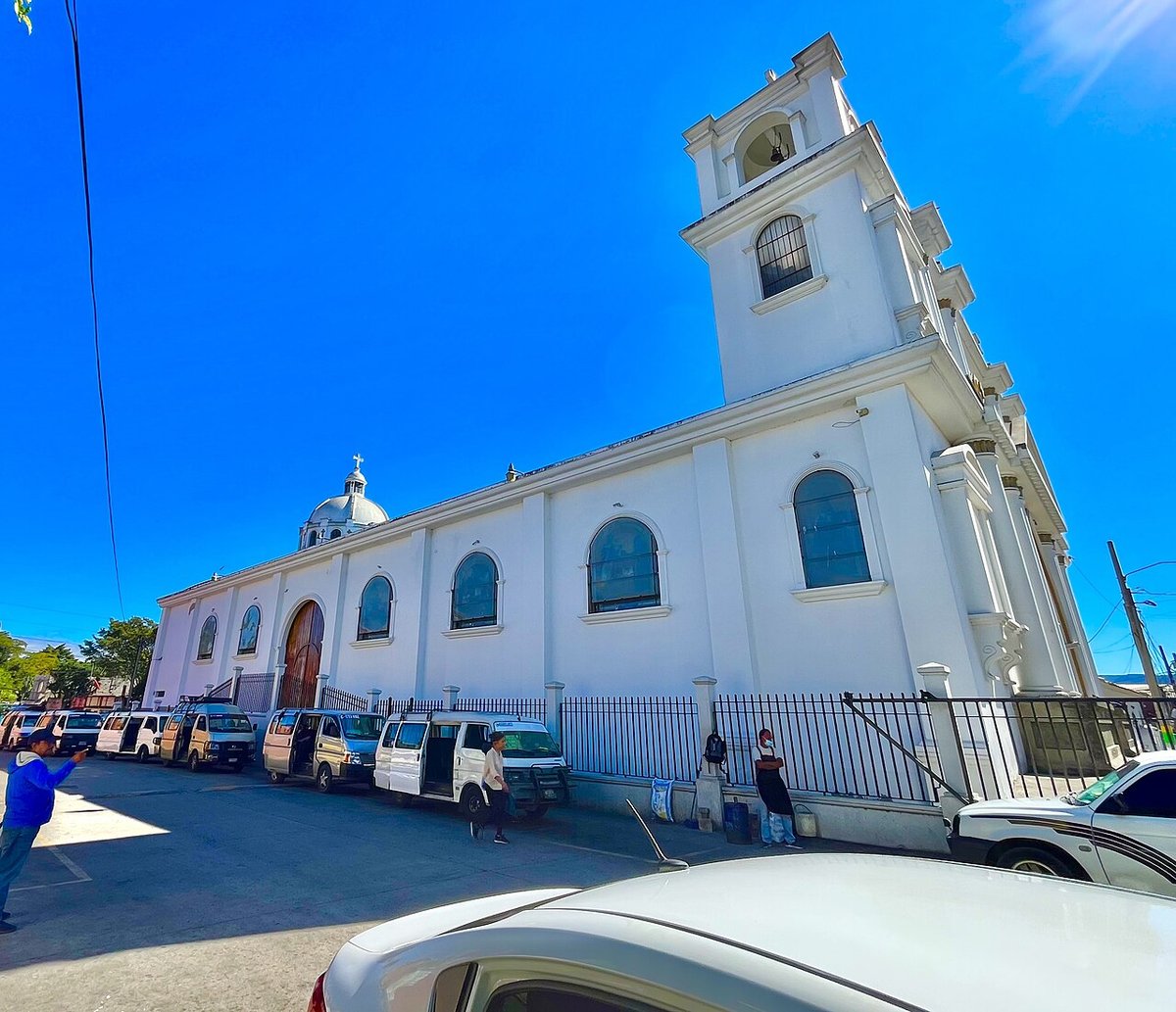
At the upper end of the village stands the church of San Juan Bautista, whitewashed and marked by two towers that serve as a reference point whether walking through the streets or out in the vega. It is not especially large, yet climbing the steps is enough to bring the valley into view: the Genil winding through the plain, dirt tracks leading off towards scattered farmhouses and the first houses clustered along the hillside. At midday, when the bells ring, the sound echoes off the surrounding hills and, for a moment, the village feels larger than the numbers suggest.
A Slow Sense of Taste
In one of the cafés near the centre, porra fría arrives in a deep bowl, thick and topped with pieces of pepper and hard-boiled egg. It is a chilled tomato-based soup, similar to salmorejo from nearby Córdoba, though here it tends to be a little lighter, more closely tied to the produce of the market garden. It is served with fresh bread that still holds some warmth. Ask for the recipe and a grandmother will usually enter the story. Before long it becomes clear that every household prepares it differently, and that the debate over whether it should include vinegar remains unresolved.
Resol, an aniseed liqueur closely associated with the village, is poured into small glasses with ice. It is less a party drink than something for after lunch. People take their time over it, leaning on a table in the square or sitting on a chair set out by the front door. During the August fair, which grew out of an old livestock fair, more is drunk, of course. Even then, the atmosphere tends to remain in the streets, particularly along Calle Real, where open doorways release the smell of puchero de trigo, a traditional wheat stew.
The River and the Waterwheel
The route to the Noria de la Agusadera begins at the end of the Paseo de las Huertas. Orange trees cast shade over irrigation channels that distribute water to the cultivated plots. This system of acequias, or watercourses, has centuries of history in this fertile plain.
The waterwheel itself combines wood and iron. When the Genil carries enough water, it can still be heard turning slowly, emitting a creak that calls to mind old machinery. It does not impress by sheer size. Its interest lies in understanding its function: lifting water to orchards and vegetable plots set a few metres above the river level.
The walk alongside the Genil is roughly two kilometres long. The path is flat and, in hot weather, often scented with wild mint. In summer, villagers head to certain stretches where small weirs create calmer pools to cool off. Children jump from wooden platforms while grandmothers keep watch from the bank on folding chairs. The water remains cold even in July, and through it the rounded pebbles on the riverbed are clearly visible.
When to Go, and When to Think Twice
Between October and April, the fields change colour dramatically and the air is usually clear after rainfall. In December, when the festival of the zanahoria morá takes place, the village feels livelier than usual, yet it is still possible to stroll through the square at an unhurried pace.
August is a different matter. Holidays coincide with the return of many residents who live elsewhere during the year, and cars fill the streets wherever there is space. Those in search of quiet may prefer to avoid this period.
In early summer, the romería of San Juan is held near the river. A romería is a traditional pilgrimage-style celebration, often involving a walk or procession to a rural spot. It is wise to take water and a hat, as part of the route is done on foot and the sun beats down directly on the paths across the vega.
Cuevas Bajas does not revolve around major monuments or dramatic viewpoints. What it offers is closer to the ground: dark soil after rain, the murmur of water running through the acequias and the sweet, earthy taste of a purple carrot rarely seen beyond this corner of Andalucía. Here, it still forms part of the everyday landscape.