Full Article
about Aldeaquemada
Small village deep in the Sierra Morena, known for the dramatic Cascada de la Cimbarra and its rock art.
Ocultar artículo Leer artículo completo
The road signs give up 15 kilometres early. One moment you're threading through olive groves that look like grey-green corduroy, the next the tarmac narrows and starts to climb. At 700 metres above sea level, Aldeaquemada appears suddenly: a scatter of white cubes balanced on a ridge, television aerials catching the sun like fishing hooks. Below, the Guarrizas River has spent millennies chewing a gorge so deep that eagles use it as an elevator.
This is northern Jaén province, the bit that tour operators erase from their maps. The village name translates roughly as "the burned hamlet", a reminder that this land has been sacked, rebuilt and sacked again since the Moors planted the first almond trees. Today's population—463 at last count—could fit inside a single block of a Costa del Sol apartment complex. They prefer it that way.
The Sound of No Coaches
Morning starts with church bells and the clatter of almond husks hitting terracotta roofs. By nine the baker has sold out of molletes (soft rolls that taste like cloud bread), the bar owner is hosing down last night's snail shells, and three elderly men have claimed the bench outside the pharmacy. They will still be there at dusk, having moved only to follow the shade.
British visitors expecting whitewashed perfection sometimes panic. Paint flakes. Satellite dishes bloom above 16th-century lintels. A retired teacher from Manchester admitted she spent her first hour "looking for the postcard bit" until she realised the entire place is the postcard—just one without filters. There is no gift shop. The nearest tat is 45 kilometres away in Bailén, and even that amounts to a single rotating stand of ceramic bulls.
What you do get is space to hear yourself think. Walk five minutes along the Camino de la Yedra and the village shrinks to Lego size. The path ducks through holm oaks whose trunks twist like corkscrews, then opens onto pasture where Iberian pigs graze freely. They are the local pension plan: each animal fetches around €400 at the autumn feria, enough to pay a year's electricity.
Water that Cuts Rock
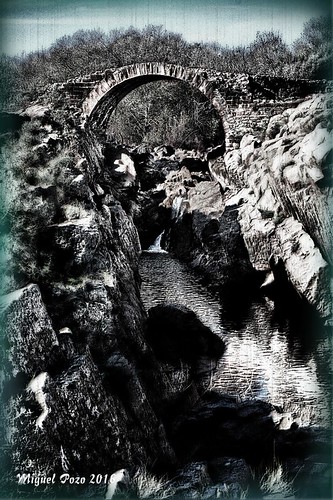
The real surprise lies twenty minutes south. Leave the village past the cemetery where plastic flowers outnumber the living, take the signed track that looks like someone's driveway, and the ground suddenly shears away. The Guarrizas gorge is only 60 metres deep but feels Grand Canyon-esque because you weren't expecting it. A short scramble—trainers suffice, though your shoes will collect enough ochre dust to terrify the hotel maid—ends at the Cimbarra Falls.
After winter rains the water plunges in a single silver thread; by late summer it relaxes into a bridal-veil trickle. Either version works. The pool below stays swimmable until October, shallow enough for a paddle yet deep enough to shock the circulation awake. Eagles nest in the overhang opposite; watch long enough and you'll see them teaching juveniles to ride the thermals, a sight that costs €30 a head in Doñana but here is simply what happens after lunch.
The loop back climbs past abandoned watermills. Their millstones lie cracked like giant biscuits, graffitied only by lichen. The whole walk takes ninety minutes, unless you stop to photograph every orchid. Spanish families treat it as a Sunday stroll; British hikers tend to overdress in Gore-Tex and then feel silly when an abuela overtakes them in espadrilles.
Calories and Cash
Food is where the village stops being shy. The only restaurant, Casa Curro, has four tables and a handwritten menu that changes according to what Curro's cousin shoots. Thursday might bring conejo al ajillo (rabbit with garlic); Friday could be trout that was swimming that morning. Vegetarians get migas—breadcrumbs fried with grapes and bits of bacon. The dish sounds like student cooking until you taste it: Sunday roast stuffing reborn as tapas. A three-course lunch with wine rarely breaks €14; they don't take cards, but at those prices you can pay from the change jar.
Breakfast is stranger. Order tostada and you'll receive half a baguette rubbed with tomato, topped with a layer of jamón so thin you could read the Guardian through it. The correct move is to add a bottle of local olive oil—Jaén produces more than Italy—and watch it soak into the crust like liquid gold. Coffee comes in glasses thick enough to survive the dishwasher; ask for it "con leche templada" if you dislike scalding milk.
Evenings centre on the Bar el Puente, where Wi-Fi works only if you sit by the window. Download your podcast before arrival. The house wine arrives chilled in a plain bottle and tastes of cherries and iron. Locals play cards with the intensity of bond traders; visitors who ask for the rules are handed a hand of cards and a shot of anis. You will lose spectacularly.
When to Go, When to Stay Away
April delivers the best balance: daytime 22 °C, nights cool enough for sleep, almond blossom floating like snow. October runs a close second, mushroom season turning the surrounding woods into a forager's playground. August is doable but odd—temperatures top 35 °C yet feel milder than the coast because the air is thin. The catch is the village fiesta: half the population doubles, music thumps until 4 a.m., and every spare room is claimed by cousins from Barcelona. Book a year ahead or come the week after when normal service resumes.
Winter is crisp, sometimes snowy. The gorge path can ice over; the bar owner keeps a box of crampons left by a Norwegian cyclist. If you enjoy empty places, January is magical—sunrise paints the stone walls peach, and the eagle pair performs aerial courtship above the falls. Just don't expect museums, yoga retreats or sourdough. The cultural programme extends to the church bell and whatever CD Curro feels like playing.
Leaving Without a Fridge Magnet
The nearest cash machine is 15 kilometres west in Santa Elena; it charges €1.50 and occasionally refuses foreign cards. Fill your wallet before arrival. Petrol is cheaper on the A4 at Bailén, so top up there if you're heading back to Málaga airport. Flight-wise, Málaga is two and a half hours south on excellent motorways; Madrid shaves off twenty minutes but involves more lorries.
What you take home instead of souvenirs is the quiet. Three days here reset internal clocks to a slower timezone. You find yourself noticing how goat bells make different notes according to the animal's size, or that olive leaves flash silver in a breeze. Back in Britain, the A40 ring road sounds suddenly barbaric.
Aldeaquemada won't change your life. It will, however, remind you what Spanish villages were like before Instagram did its thing. Visit once and the memory resurfaces every time you smell woodsmoke or hear distant church bells. No fridge magnet does that.