Full Article
about Carboneros
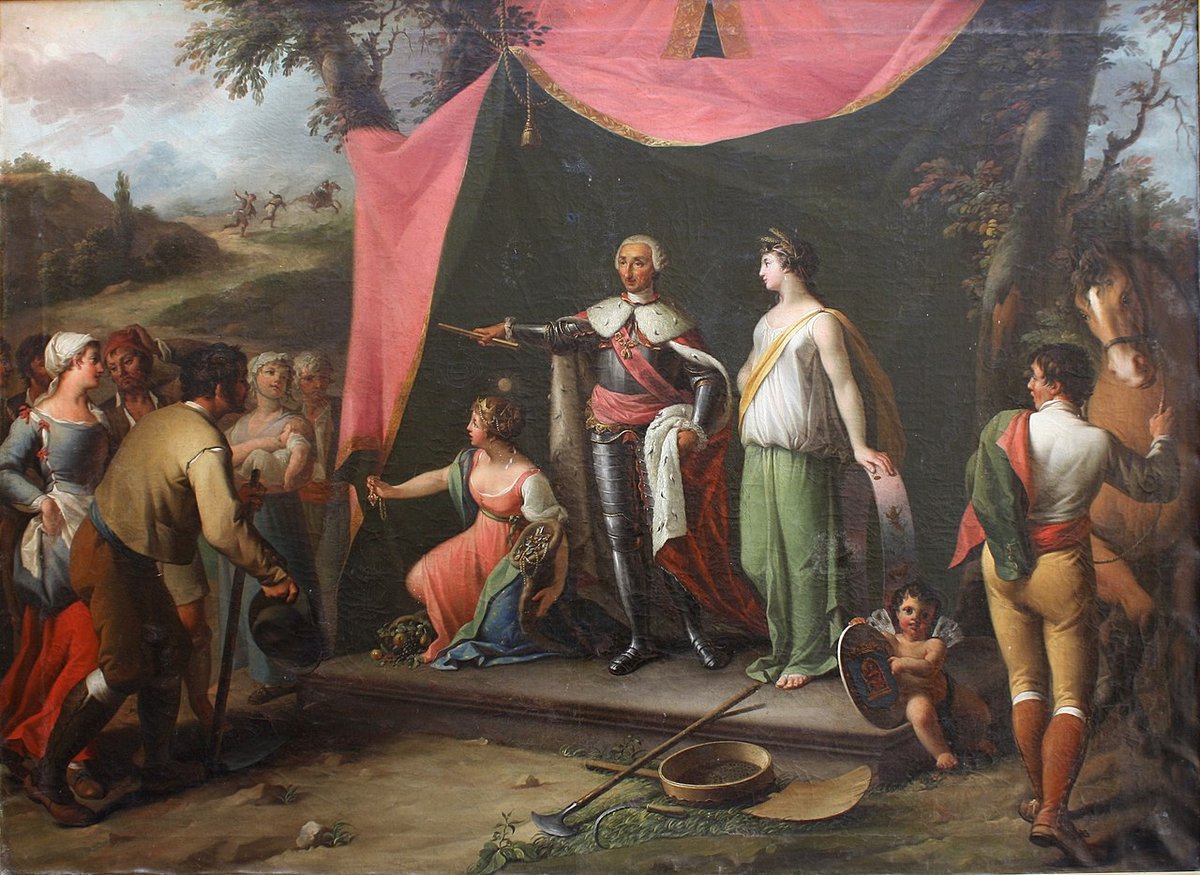
A settlement of the Nuevas Poblaciones de Sierra Morena founded by Carlos III; surrounded by dehesa.
Ocultar artículo Leer artículo completo
A motorway slip road, then silence
Most drivers barrel past Carboneros at 120 km/h without noticing the name on the green exit sign. At junction 275 of the A-4, you swing off, cross an iron bridge, and the roar of traffic between Madrid and the Costa del Sol drops away. Suddenly you're threading between whitewashed houses at walking pace, wondering how a place this close to Andalucía's main artery can feel so unplugged.
The village sits 403 m above sea level on a ridge of red clay that used to be mined for lead. Olive groves press in from every side; their silver-green foliage changes tone with the hour, so that dawn looks pewter and late afternoon turns the hillsides almost golden. With 584 residents, Carboneros is small even by rural Jaén standards, and it makes no apology for that. There is no tourist office, no gift shop, no multilingual menu. What you get instead is the sound of swifts cutting across the plaza and the smell of wood-fired chorizo drifting from somebody's kitchen at eleven in the morning.
What you won't find – and what you will
Forget castles, beaches or boutique hotels. The parish church of San Pedro Apóstol is the tallest building, and its bell tower doubles as the village compass point. Step inside and the cool air smells of candle wax and the previous Sunday's incense; the altarpiece is nineteenth-century pine, gilded rather than grand. Outside, the streets are barely two cars wide. Lime-washed walls flake gently; geraniums in olive-oil tins hang from wrought-iron grills. Every so often a wooden door stands ajar, revealing a cobbled courtyard where a pensioner in carpet slippers is hosing the dust from the flagstones.
Walk uphill for five minutes and the houses thin out. The track becomes a farm lane, tyres rutted into the chalk. Keep going and you reach a low crest where the horizon opens into what locals call the mar de olivos – a rolling carpet of trees that runs all the way to the Sierra Morena, 30 km north. Britain has barley fields; Jaén has olives, 67 million of them in Carboneros alone. Come back at sunset and you'll understand why the provincial tourist board bangs on about "landscapes of light". The trunks glow rust-red while the canopy catches the last sun like sheets of tin. No entrance fee, no car park, no selfie-stick vendors. Just you and a farmer on a quad bike raising two fingers in polite greeting.
Eating oil and drinking history
Jaén produces one fifth of the world's olive oil, and Carboneros squeezes its share in the Cooperativa San Isidro on the edge of town. Visit between November and February and the mill runs day and night; the air tastes faintly of grass and green tomatoes. Staff will sell you a five-litre cubo for €38 – the same bottle fetches £55 in Borough Market. Ask politely and they'll let you taste the picual variety: peppery at the back of the throat, good on toast with a rub of garlic and a pinch of salt.
Food here is built around what the land gives. At Bar California on Calle Real, a plate of migas – fried breadcrumbs laced with pancetta and grapes – costs €3.50 and counts as lunch. Weekend specials include lechazo, roast suckling lamb that arrives bronzed and collapsing, served with a wedge of lemon and a glass of tempranillo for €12. Puddings are seasonal: rosquillas in November, honey-soaked pestiños at Easter. Vegetarians can order an ensalada de comín, a cumin-scented potato salad that tastes like picnic food from a Spanish cousin you never knew you had.
Boots, bikes and a complete absence of way-markers
Carboneros doesn't do signposted hiking loops. What it does have is a lattice of farm tracks used by tractors and the occasional shepherd. Head east past the cemetery and you drop into the valley of the Arroyo Salado, a seasonal stream that smells of fennel after rain. The path climbs gently to the ruins of Minas de Santa Quiteria, where Victorian British companies once extracted lead and silver. Shaft heads are fenced off but you can still see the stone engine house, graffitied by teenagers who walk up on Saturday nights to drink lager and look at stars unspoiled by street-lighting.
Mountain-bikers find the terrain rolling rather than brutal: gradients top out at 8%, and the tarmac lanes linking Carboneros with neighbouring Guarromán and La Carolina are almost traffic-free. Take water – bars are scarce once you leave the village – and remember the Spanish siesta: nothing opens between 2 pm and 5 pm except the filling station on the motorway.
Fiestas that belong to locals first
Mid-August brings the feria patronal in honour of the Virgin of the Rosary. The main street is strung with paper lanterns, a cover band from Granada plays 1990s rock en español, and teenagers ride a waltzer trucked in for the weekend. At midnight the plaza becomes an open-air kitchen: neighbours haul paella pans the size of satellite dishes onto propane burners and hand out paper plates to anyone passing. You won't find a programme in English; ask who's in charge and you'll be handed a plastic cup of tinto de verano and put to work shelling peas.
September is quieter but more instructive. The Cooperativa opens its doors for the Día del Aceite Nuevo. Visitors taste oil straight from the centrifuge, green and almost aggressive, then watch a chemist explain acidity levels with the patience of a GCSE teacher. Kids chase each other between the pallets; grandparents sit on plastic chairs comparing this year's yield to Franco's era. Nobody charges admission, though a donation box for the local hospice fills up quickly.
The practical bit, without the brochure speak
Getting here: Fly London-Málaga (2 h 40 m) or London-Granada (seasonal). Pick up a hire car, join the A-4 towards Madrid and stay on it for 130 km. Leave at exit 275; Carboneros is 2 km south of the toll-booth. Total journey from airport about 1 h 45 m. Buses from Jaén city stop twice daily except Sunday; the timetable is posted in the window of the Casa de la Cultura, but it's in Spanish only.
Money: The village has no cash machine that accepts UK cards. Withdraw euros at Granada airport or in La Carolina, 10 km north. Bars prefer cash; some take cards but shrug when contactless fails.
Sleeping: Carboneros itself offers one self-catering cottage, Casa de la Tía Clementina (two bedrooms, €70 a night). Otherwise stay in Guarromán at Hotel Palacio de la Mesilla, a converted nineteenth-century manor 12 km away – doubles from €85 including a garage if you're nervous about leaving the hire car on the street.
Language: English is rarely spoken. Download an offline Spanish dictionary; politeness goes a long way. Start with "¿Me puede poner un café, por favor?" and you'll be fine.
When to come: April–May for wild fennel along the lanes and daytime temperatures in the low twenties. October–November for the olive harvest and daytime highs around 24 °C. July–August hits 38 °C; the village empties after lunch for good reason. Winter nights drop to 3 °C; days are bright but short, perfect if you like brisk walks and log-fire lunches.
Why bother?
Carboneros won't change your life. It doesn't have a beach, a Michelin star or a Moorish palace. What it offers is a calibration exercise: a place where lunch costs less than a London coffee, where the loudest noise is the church bell counting the hour, and where a farmer will stop his tractor to explain why he still harvests olives with a stick and tarpaulin rather than a mechanical shaker. If that sounds like three hours well spent, take junction 275. If not, keep driving – the Costa del Sol is 90 minutes south, and there's probably a traffic jam waiting to welcome you.