Full Article
about La Carolina
Capital of the Nuevas Poblaciones founded by Carlos III; Enlightenment-era town planning and mining past
Ocultar artículo Leer artículo completo
The A4 motorway between Madrid and Seville carves through olive groves for mile after mile, then suddenly reveals a town that looks like it was dropped in from another continent. Straight streets radiate from a central square in perfect grid formation, lined with buildings that wouldn't look out of place in Bordeaux or Brussels. This is La Carolina, and those geometric lines aren't accidental – they're the physical manifestation of an 18th-century Spanish king's attempt to civilise the bandit-ridden badlands of Sierra Morena.
The Town That Carlos III Built from Scratch
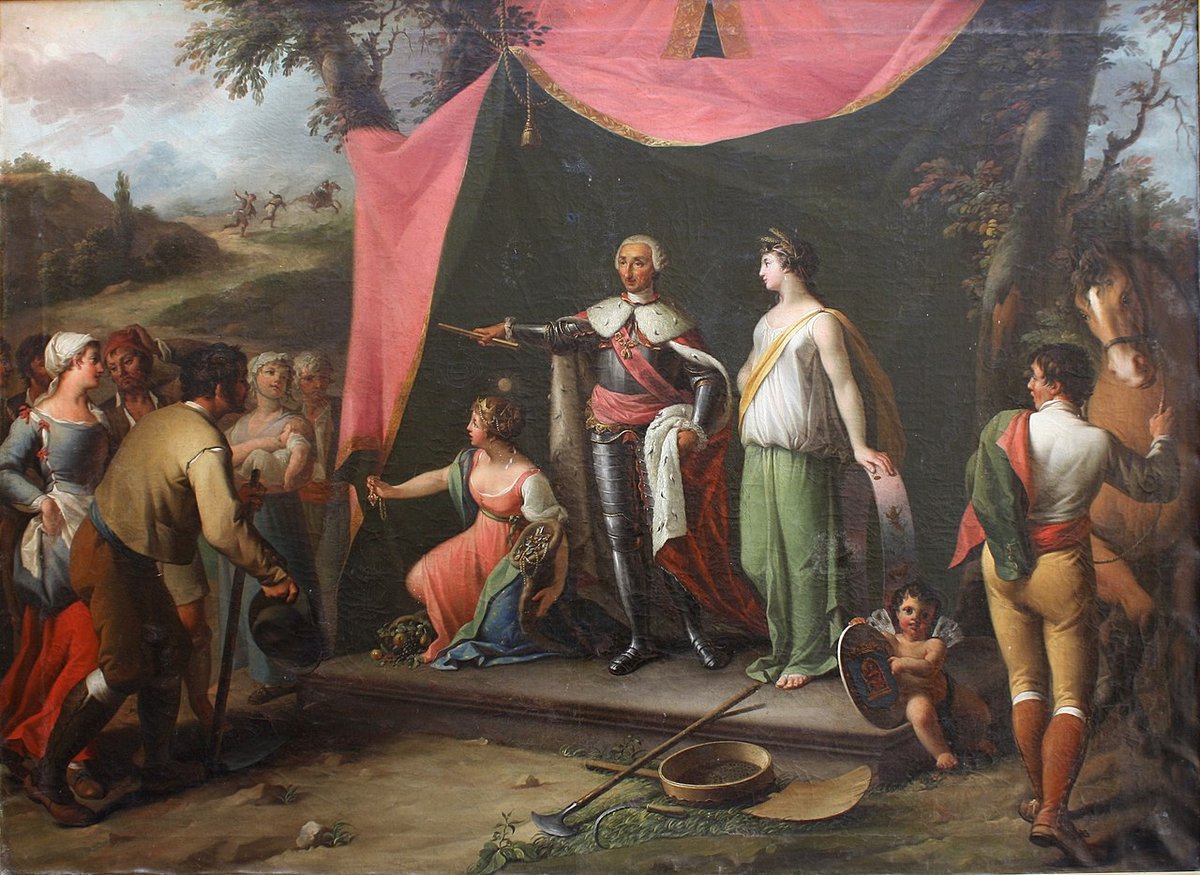
Drive in from the east and you'll spot the massive stone monument to the Battle of Las Navas de Tolosa – your cue to exit. Park in Plaza de la Iglesia, where the neoclassical church of La Inmaculada Concepción anchors one side of the square with understated authority. Everything radiates from here in a pattern so logical you could navigate blindfolded. This wasn't organic growth but deliberate urban planning, conceived in 1768 when Carlos III recruited German, Flemish and Spanish settlers to populate what was essentially the Wild West of southern Spain.
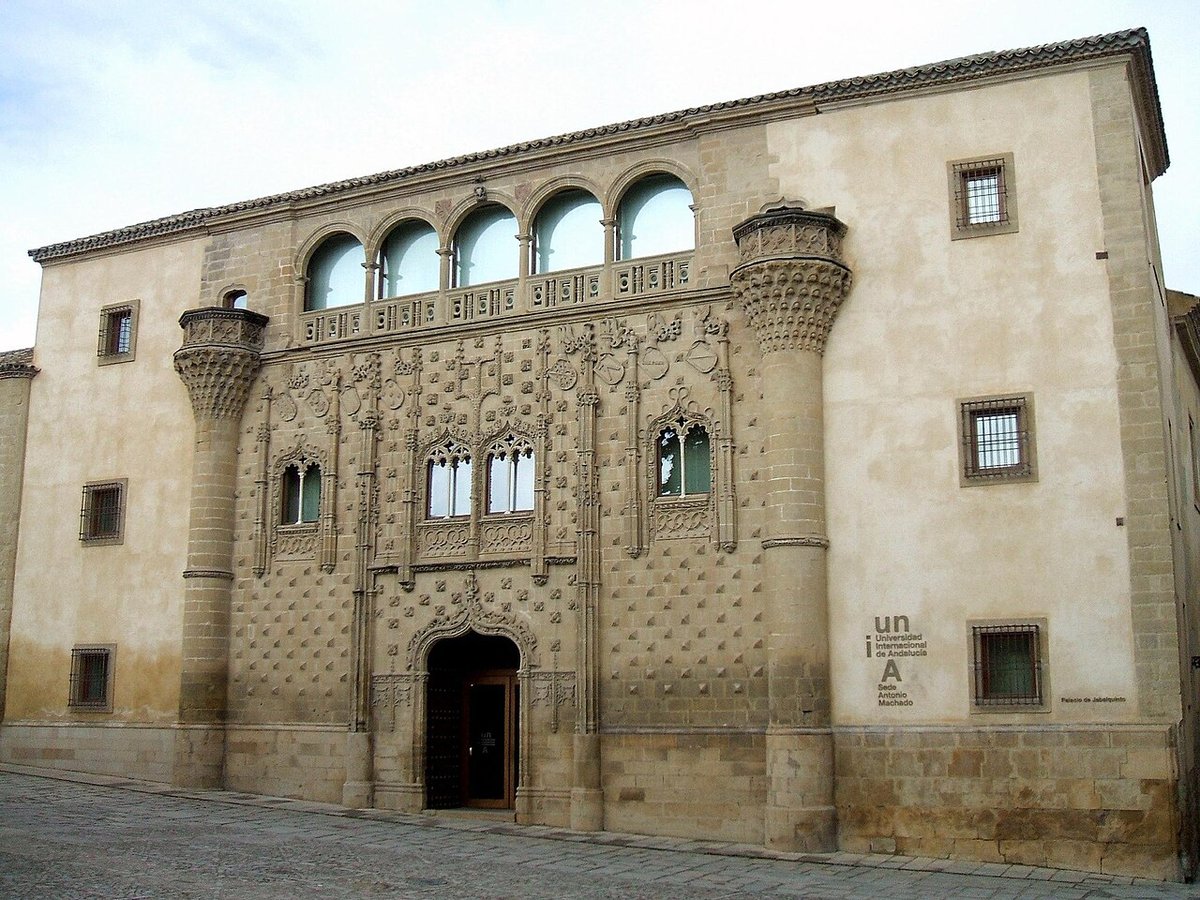
The Palacio del Intendente Olavide now houses the Museum of the New Towns, and it's worth the €3 entry fee to understand why everything looks so... foreign. Exhibits explain how Pablo de Olavide, the king's Basque administrator, designed each block with specific purposes: religious buildings here, administrative offices there, houses sized according to social status. The museum's collection includes original settlement contracts, showing how colonists received land, tools and tax exemptions in exchange for taming this frontier territory.
Walk the streets and you'll notice details that betray the town's mixed heritage. Some houses sport central European-style pitched roofs, rare in Andalucia where flat terraces dominate. Ironwork balconies echo those of northern Spain, while interior patios follow southern traditions. It's this hybrid DNA that makes La Carolina fascinating rather than conventionally beautiful – a living experiment in Enlightenment social engineering that actually worked.
Beyond the Grid: What Actually Happens Here
Friday transforms the town. Market day brings farmers from surrounding villages, their vans spilling olives, cheese and game onto temporary stalls in the main squares. The weekly influx injects energy into streets that can feel sleepy other days, especially Sunday afternoons when everything genuinely does shut. This isn't tourist theatre but agricultural necessity – locals stock up on provisions, exchange gossip, argue about olive prices over coffee in the morning.
The restaurant scene reflects both location and history. Hotel Orellana Perdiz does a reliable €12 menu del día that's approachable for cautious British palates – think grilled meats, simple salads, flan for pudding. For the adventurous, judiones con perdiz (butter beans with partridge) appears on proper local menus, a dish that tastes of autumn hunting seasons and centuries-old recipes. The olive oil here isn't condiment but ingredient, poured liberally over everything and sold in 5-litre containers for half UK supermarket prices.
Most places close 4-8pm, a rhythm that catches motorway travellers out. Arrive at 5pm expecting lunch and you'll find shuttered bars and hungry children. Plan accordingly – eat before 3:30pm or wait until evening service starts around 8:30pm. This isn't awkward timing but agricultural reality, structured around fieldwork and siesta in a town that still works the land.
Sierra Morena's Back Garden
La Carolina sits at 600 metres altitude, high enough to escape Andalucia's brutal summer heat but low enough for year-round access. The surrounding Sierra Morena isn't dramatic mountain country but rolling hills cloaked in holm oak and olive, punctuated by rocky outcrops and abandoned mine workings. This was mining territory – lead, silver, copper – and interpretation centres in nearby villages document an industrial heritage that predates the Enlightenment town.
The Despeñaperros Natural Park lies twenty minutes north, where sheer red cliffs create a dramatic gorge that funnels the motorway towards Madrid. Walking trails here range from gentle riverside strolls to steeper climbs up Cerro de Cristo, where vultures ride thermals above pine-clad slopes. Summer hiking requires early starts and serious water – shade is limited and temperatures hit 35°C by midday. Spring brings wildflowers and comfortable walking weather; autumn colours the oak woods copper and gold.
Closer to town, tracks lead through dehesa landscape – the classic Spanish pasture system where pigs roam beneath oak trees, fattening on acorns that become jamón ibérico. These routes follow old drovers' paths used for moving livestock between summer and winter grazing, though signage can be sporadic and some tracks cross private land. Ask at the tourist office for current route information; they'll provide basic maps and explain which gates to close behind you.
When the Past Comes to Life
August's Colonial Festival transforms the rational grid into an 18th-century living history experiment. Locals don period costume, market stalls sell "traditional" crafts, and the town temporarily embraces its founding narrative. It's more community celebration than tourist attraction – visitor numbers remain modest, accommodation easy to find, prices stable. The festival works because residents participate genuinely, not for tips but for pride in their unusual heritage.
Semana Santa provides another perspective on La Carolina's hybrid identity. Processions follow the grid pattern perfectly – no awkward corner negotiations for swaying pasos here. The wide streets accommodate elaborate floats comfortably, while the mathematical precision of the route feels oddly appropriate for religious observance in a town built on Enlightenment principles. It's Easter meets urban planning, Andalucian tradition filtered through Germanic organisation.
Winter brings different challenges. Altitude means occasional frost and even snow, though roads usually stay clear. Heating costs make hotels cheaper November-March, but some restaurants reduce hours and the museum operates on shorter days. Summer weekends see Madrid families heading south, filling the Parador in nearby Santa Elena and boosting restaurant demand, but La Carolina itself rarely feels crowded.
The town won't suit everyone. Those seeking Moorish architecture or classic white village aesthetics will find neither. Nightlife means local bars showing football, not cocktail lounges. The beach is ninety minutes away at Cádiz – this is inland Spain, where olive oil flows more freely than wine and dinner happens when Londoners are thinking about afternoon tea.
But for travellers interested in how Spain reinvented itself during the Enlightenment, or those simply wanting an authentic stop between Madrid and Seville, La Carolina offers something unique: a town that represents nothing less than an 18th-century attempt to design civilization from first principles. That it succeeded – and still functions as a working agricultural centre – might be the most Spanish thing about it.