Full Article
about Adra
Ancient Phoenician city and major fishing port; blends millennia of history with beaches and intensive farming.
Ocultar artículo Leer artículo completo
Dawn at the Docks
At six-thirty the harbour lights still glow sodium-orange, but the sky over the marina has already turned Turkish-blue. A trawler noses alongside the quay, ice sliding from its hold in cathedral-sized blocks. Within minutes the auction is underway: hake, dorada, deep-water rose shrimp rattling across stainless-steel tables while a caller fires prices in machine-gun Spanish. No visitor centre, no glossy leaflet—just the daily soundtrack of a town that earns its living from the Mediterranean rather than marketing it.
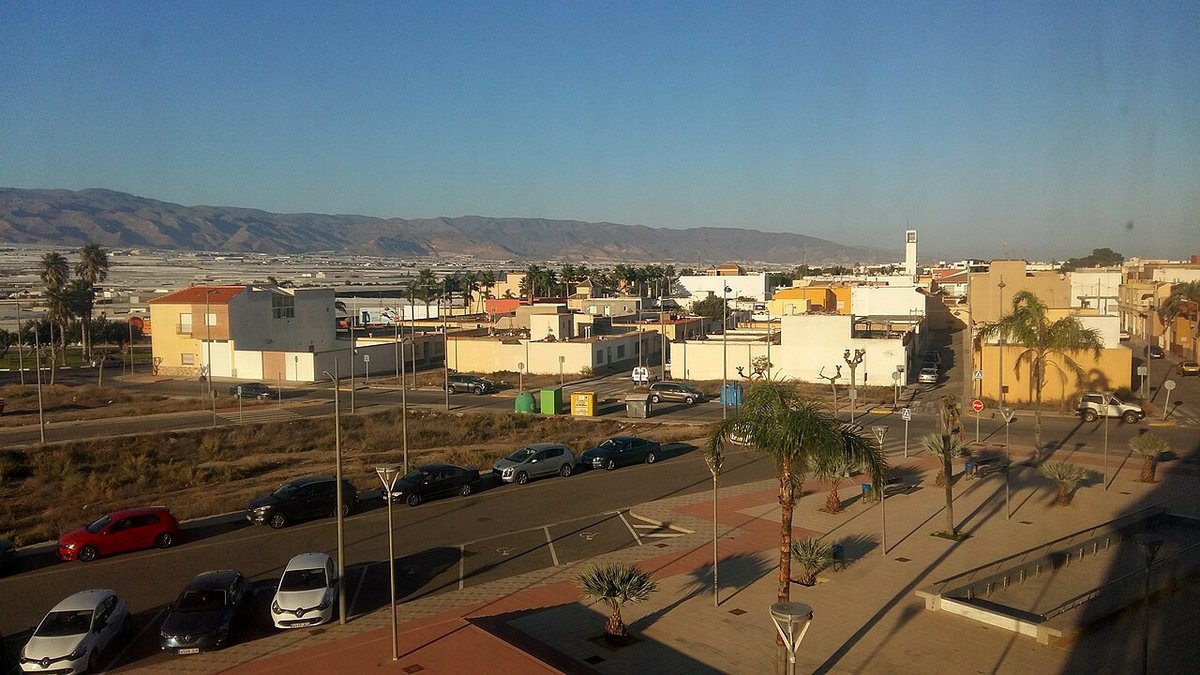
Adra sits at the western edge of Almería province, twenty metres above sea level and light-years away from the condo-and-cocktail strips further west. Twenty-five thousand people live here year-round, which means cafés keep their winter prices in August and supermarket cashiers still greet regulars by name. The seafront paseo is swept before breakfast; by nine the only footprints belong to dog-walkers and the odd early-rising British couple who have twigged that a south-facing bench is the cheapest sunrise ticket in Spain.
Fish, Fruit and Monday Morning Bartering
The weekly market colonises Avenida de las Fuerzas Armadas every Monday until two o’clock. Stallholders from the interior bring peppers so shiny they look lacquered, and tomatoes that actually smell of leaf rather than fridge. A kilo of avocados—grown in the polythene hinterland behind town—sets you back €2; try finding that in a Sainsbury’s. If you’re self-catering, queue at the fish van parked opposite the church: ask for “medio kilo de boquerones” and you’ll receive anchovies shiny as mercury, already cleaned and ready for the pan. Bring cash; the card machine “se ha roto” since 2019.
Eating out is simpler, but timing matters. Kitchens close at four and reopen after nine; turn up at seven and you’ll be offered toasted sandwiches in the one Irish bar that shouldn’t have been allowed to open in the first place. Stick to the port strip instead. Order a caña of Alhambra and whatever came off the boat that morning. Pescaito frito arrives in a paper cone, the batter lighter than anything Cornwall manages, and the squid tastes of iodine and salt rather than freezer burn. Price: about €9 with bread and alioli. Service: brisk until they realise you’re not rushing, then suddenly generous.
Beaches Without the Billboard
Adra’s coastline stretches six kilometres, but forget the Caribbean brochure fantasy. The sand is dark volcanic grey, flecked with crushed shell that glints like mica. It’s also surprisingly coarse—good for castle-building, murder on delicate feet. Water clarity is decent, improving as you head west. Playa de Poniente has showers and loos; families colonise the southern end while local teens play paddleball further up. La Albufera coves, ten minutes by car or a sweaty coastal walk, trade sand for shingle but give you snorkelling over seagrass meadows where saupe fish nibble algae in perfect circles.
August weekends fill up, yet even then you’ll find space. The British package market has barely noticed Adra, and Spaniards tend to own second homes nearer Málaga. What crowds exist arrive from Granada for the day: look for towels bearing the bull motif and coolboxes wedged with lager. They leave by seven, freeing the seafront for the evening paseo that is Spain’s most democratic pastime.
Layers of History, Minus the Gift Shop
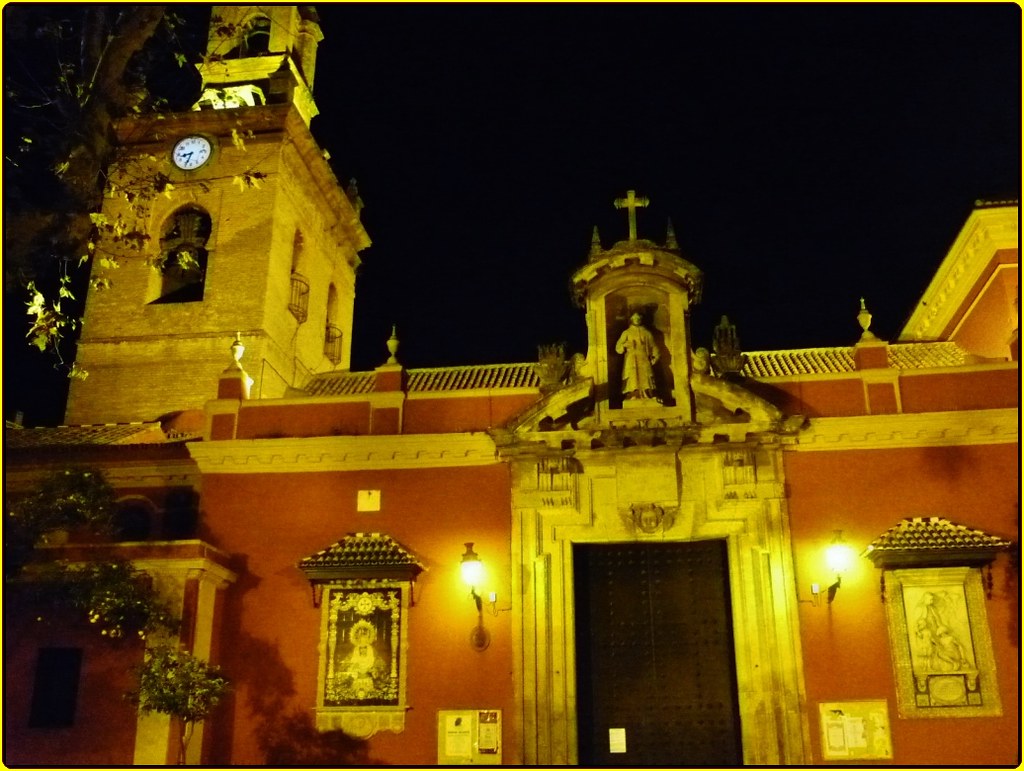
Phoenician traders called the place Abdera three millennia ago; Romans salted fish here; Moors fortified it. None of that is obvious at first glance. The visitor centre is a room above the library, open Tuesday to Thursday, and the star exhibit is a cracked amphora you could walk past without noticing. Better to wander the backstreets. Callejón de los Reyes leads past the sixteenth-century church whose Mudéjar tower tilts gently, like a drunk keeping his balance. Embedded in the opposite wall are chunks of Arab masonry—no rope, no label, just brick that has outlived civilisations.
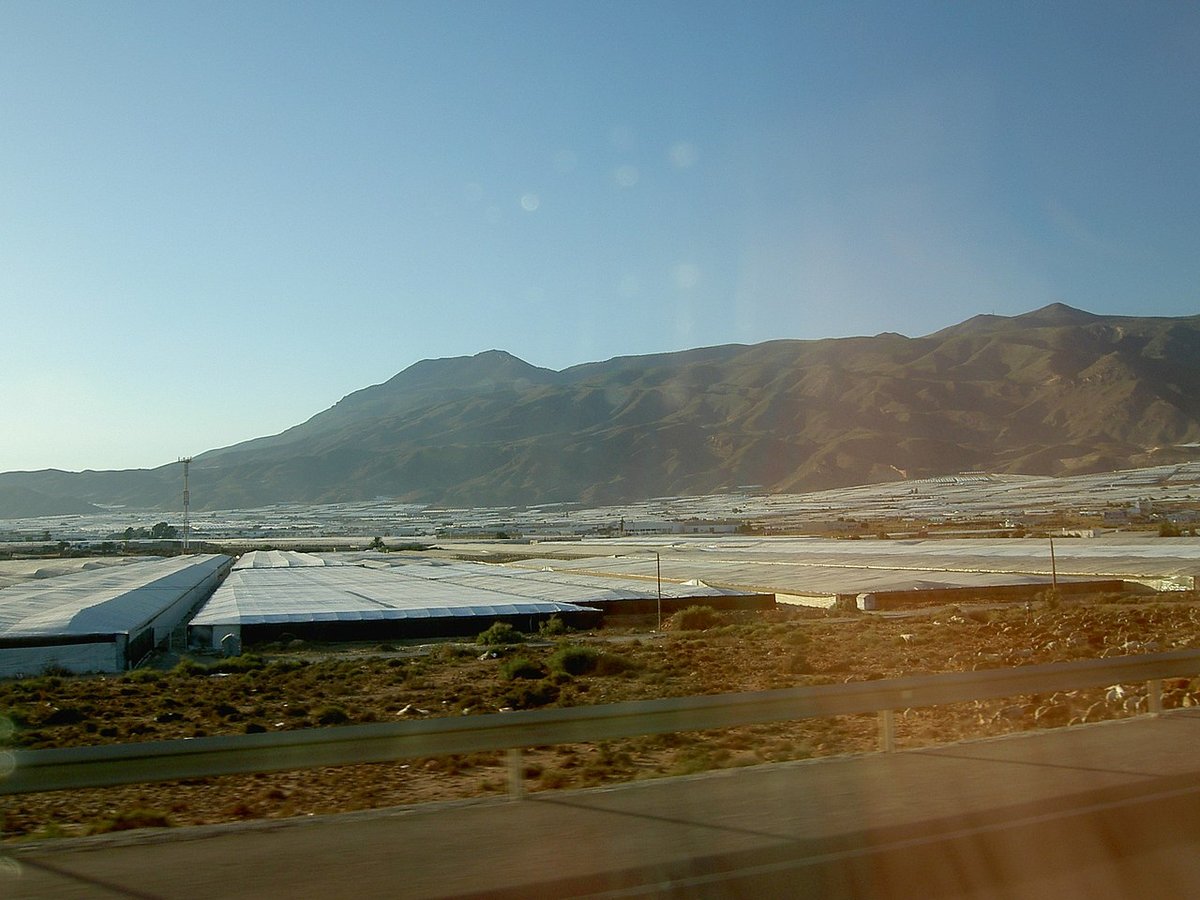
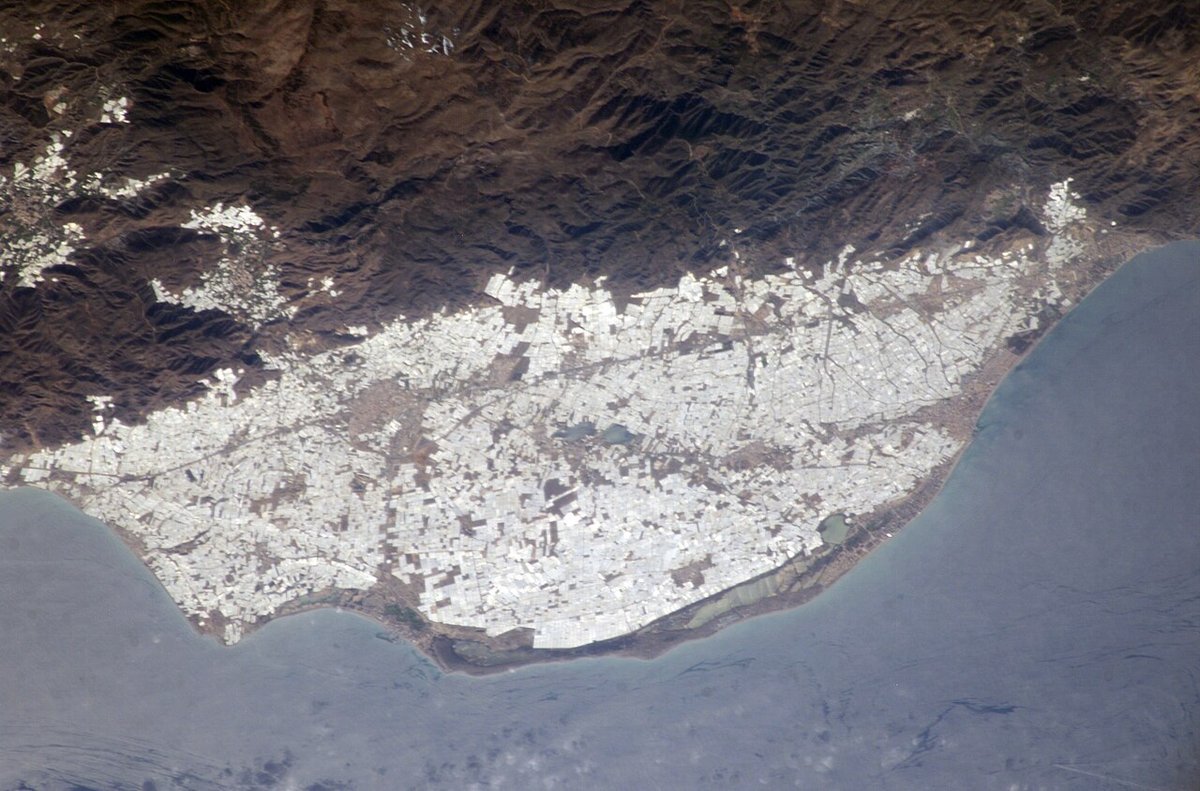
Climb the short track to the Torre de los Perdigones at sunset. The squat nineteenth-century tower once stored lead shot for coastal guns; now it frames the entire delta of the Río Adra, greenhouses glinting like a scaled Mediterranean ocean. The round trip takes forty minutes and you’ll share the path with two dog-walkers, maximum.
When the Thermometer Nudges Forty
Summer heat is serious: July averages 31 °C but the mercury can kiss 45 °C when the levante wind blows from North Africa. The town’s response is logical—everything slows, shutters half-close, siestas lengthen. Sightseeing is best done before eleven or after six. Inland hikes up the lower Sierra de Gádor are for March or October; summer attempts end with emergency services and a telling-off in two languages. Winter, by contrast, is gentle: 18 °C daytime highs, empty seafront benches, and almond blossom by late January. That’s also when the fishing fleet repairs nets in the streets, turning the port into a giant knitting circle that smells of hemp and diesel.
Getting Here, Staying Here, Leaving Again
Fly to Almería from Gatwick or Manchester (2 h 30 min with EasyJet). Car hire desks sit fifty metres from baggage reclaim; ignore the hard sell on GPS—signposting is excellent once you escape the airport roundabout. Take the A-7 east, fork onto the AL-12 at exit 429, and you’re parked on the paseo within forty-five minutes. Fuel costs roughly £1.30 a litre, motorways are free, and the last petrol station before town is cheaper than the coastal giants.
Accommodation is limited but adequate. Hotel Adra occupies a 1970s block on the front; rooms are plain, balconies wide, and the staff will lend you a corkscrew without a deposit. A smarter option is the new Apartamentos Arrayanes, fifty metres back from the beach, with proper blackout blinds and kitchens big enough to fry those market anchovies. Prices hover around €70 a night in May, €110 in August—about half the rate you’d pay in Mojácar.
Leaving is easy. Check-out is noon, the motorway quietest before ten, and Almería airport security rarely exceeds fifteen minutes. You’ll pass the last greenhouse, the final palm, and realise you spent a week on the Costa without hearing a single “Oi, Baz, fancy a full English?” Some will call that a miracle; Adra just calls it Tuesday.