Full Article
about Balanegra
Young coastal municipality split off from Berja; known for its beaches and greenhouse farming.
Hide article Read full article
Parking and First Impressions
Parking is the main issue in Balanegra. In summer, spaces near the promenade vanish by mid-morning. You will likely leave your car on a side street and walk down. The walk is short. The town is small.
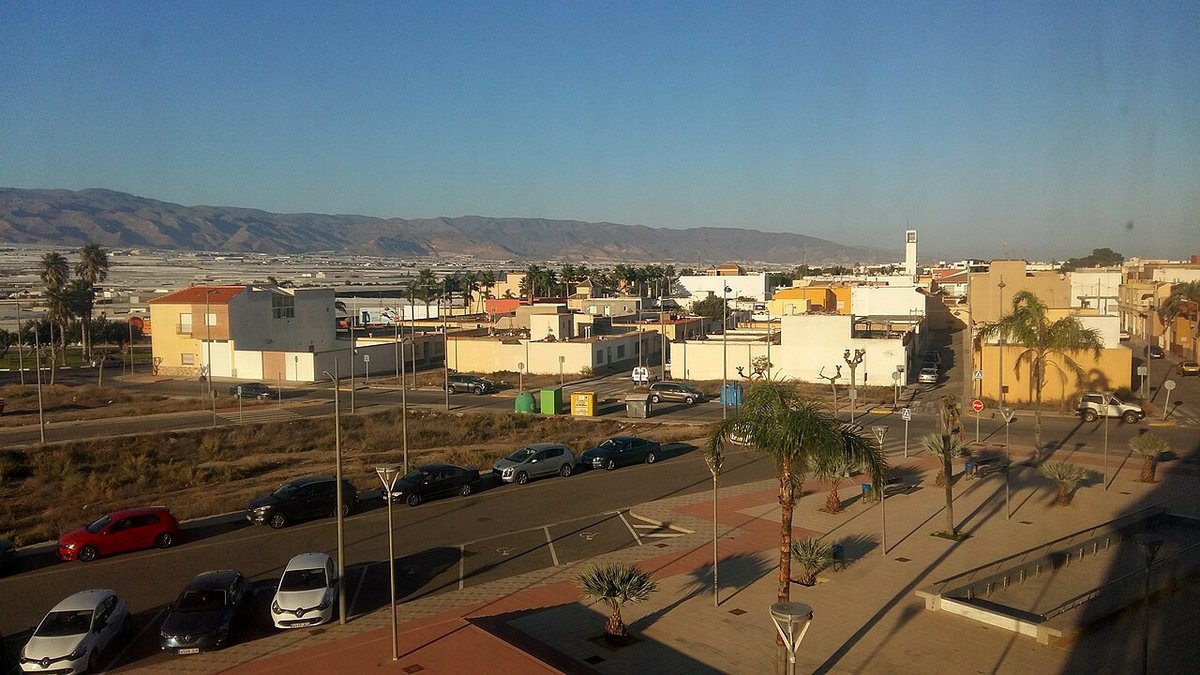
Balanegra sits on the coast of Poniente Almeriense. It is a practical place. On one side you see greenhouses, on the other the sea. There is no historic centre here.
From Berja, the drive takes about twenty minutes. You cross the sierra and descend to the coast. Access from the A-7 motorway is also direct.
Most life happens along the promenade. Summer parking there is regulated and full. Outside July and August it is easier. You can park close to the sand.
The Beach
The beach here is long and straight. The sand is dark, nearly black in places. There are no coves or rocks, just open sea.
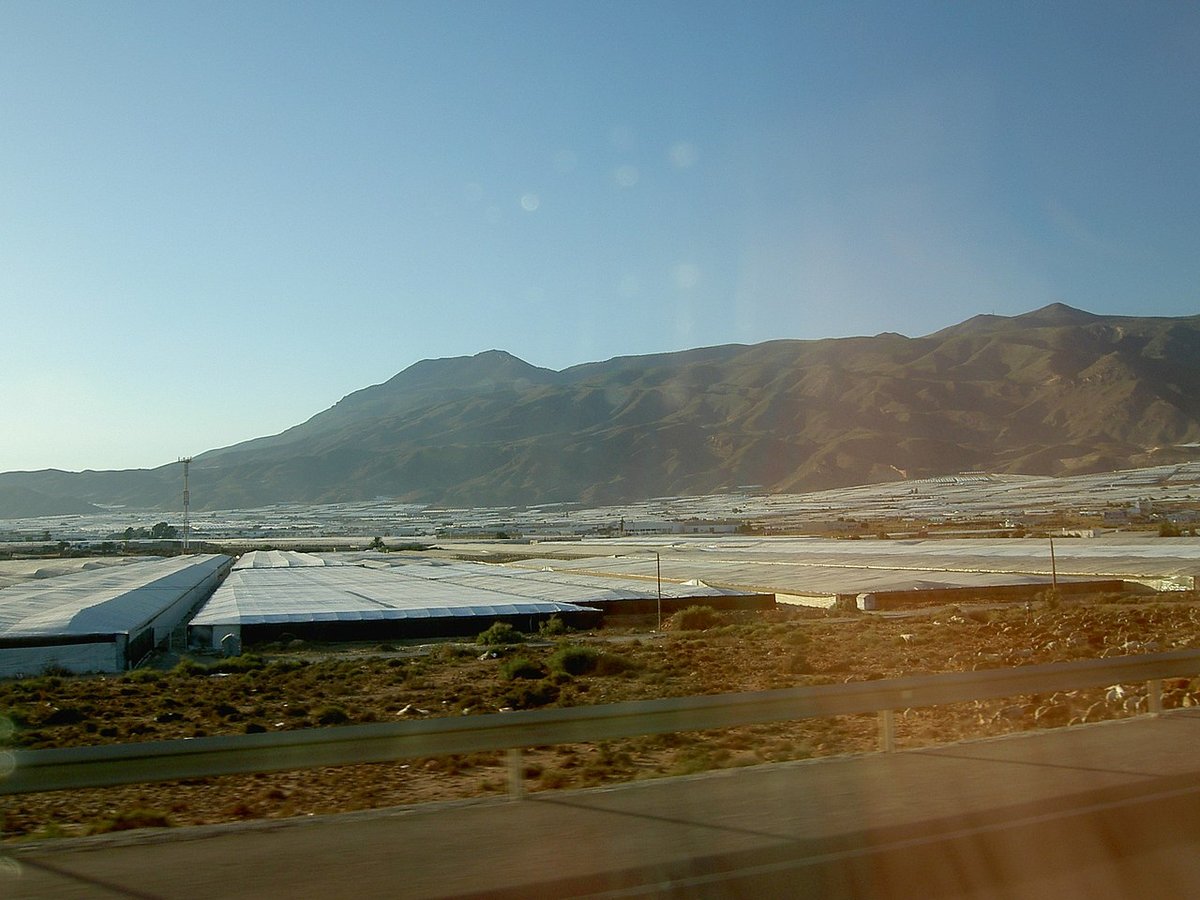
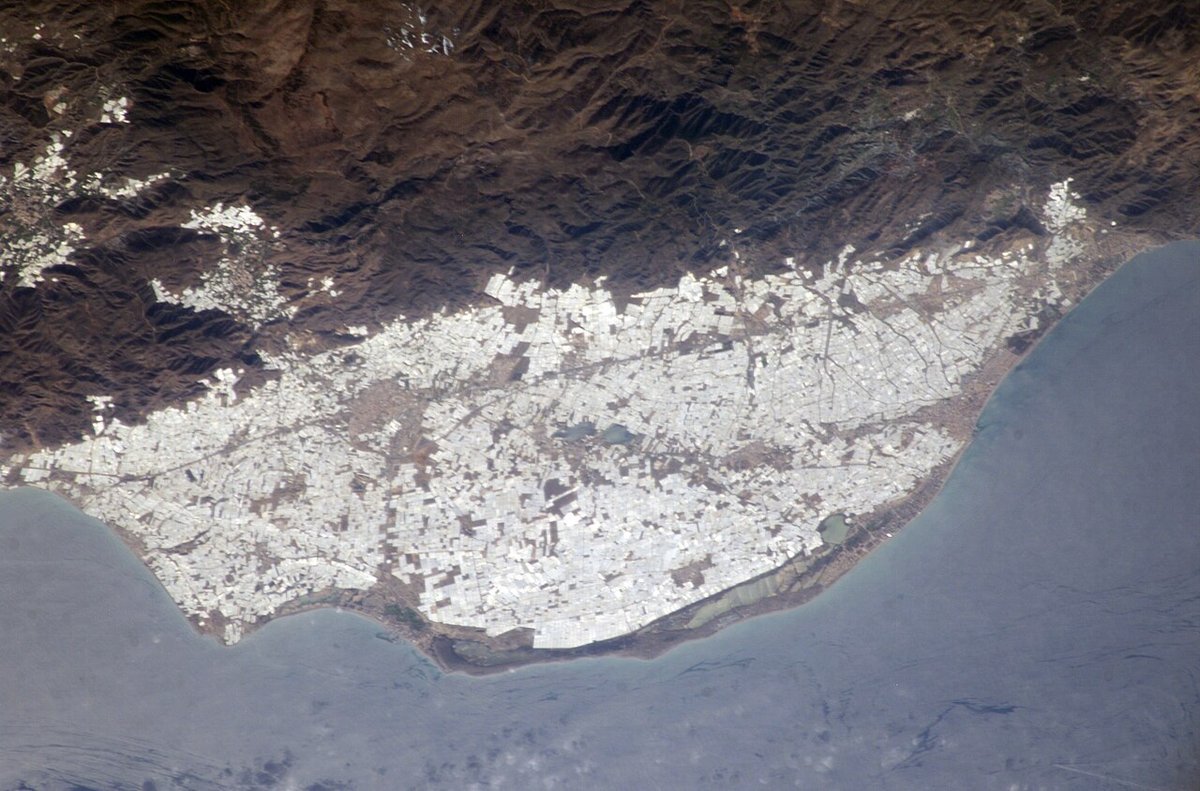
Behind the promenade start endless rows of white plastic greenhouses. They define this part of Almería. Agriculture sets the local rhythm, not tourism. Sometimes you smell fertiliser onshore.
In August, umbrellas cover the sand.The rest of the year it stays quiet.You might see people fishing at dusk.The atmosphere remains simple outside peak weeks.
A New Municipality
Balanegra was not always independent.It depended on Berja for years.It became its own municipality only recently.This happened after it reached a required population threshold.
Its administrative history is brief.Growth came from greenhouse agriculture.The urban layout shows this: low houses, straight streets.There was never an old quarter to preserve.
Do not expect historic architecture or monuments.This town feels functional.It was built for work and daily life by the water.
Torre de Alhamilla
An old watchtower stands on a nearby hill.Torre de Alhamilla dates from medieval times.It was part of a coastal surveillance network.
The walk up takes about ten minutes.Use a dirt path.In summer heat it feels longer.From the top you see the coastline and vast greenhouse plains below.
It's a short detour, not a full excursion.But it frames this area well.You see both sea and intensive agriculture clearly.
Eating Here
Several bars line the seafront.They get busy in summer and at weekends.Menus offer standard fare: fried fish,sardines in season,and simple tapas.Fresh fish arrives in village shops each afternoon.Local boats bring their catch then.If you come late,the selection shrinks.Supply follows fishing rhythms not tourist demand.Manage your expectations.Balanegra lacks major sights or nightlife.People come for beach time,a straightforward meal,and then move on.If that suits you,fine.If you want more,look elsewhere