Full Article
about Dalías
Alpujarra town known for its Cristo de la Luz; blends farming and religious tradition
Hide article Read full article
Dalías, cuando el pueblo decide el ritmo
Hay un detalle en Dalías que te explica cómo funcionan las cosas aquí. Un domingo cualquiera, puedes encontrarte con que la casa donde nació un cura del pueblo está abierta. No hay taquilla ni horario fijo; si la puerta cede, entras. Es la casa-museo de Padre Rubio, una figura local. No es el plan estrella de ninguna guía, pero es justo ese tipo de casualidad la que define la visita: las cosas pasan cuando pasan, y tú vas a su ritmo.
No es un pueblo que se haya rehecho para el turismo. Se nota.
Un municipio al que le quitaron la playa
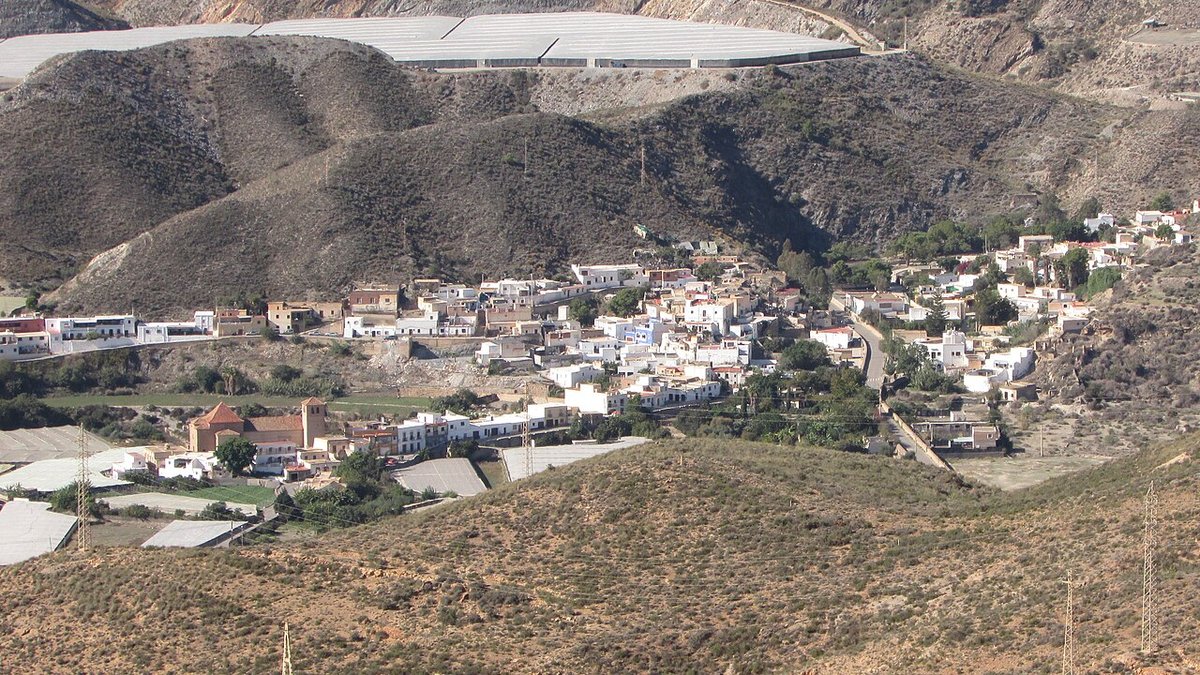
Dalías está a unos 40 minutos en coche de Almería capital, pero la sensación es de haber subido mucho más. Hasta 1982, este municipio llegaba al mar. Luego, un cambio administrativo separó El Ejido y Dalías se quedó sin salida al Mediterráneo. De la noche a la mañana. La historia reciente a veces es así de brusca.
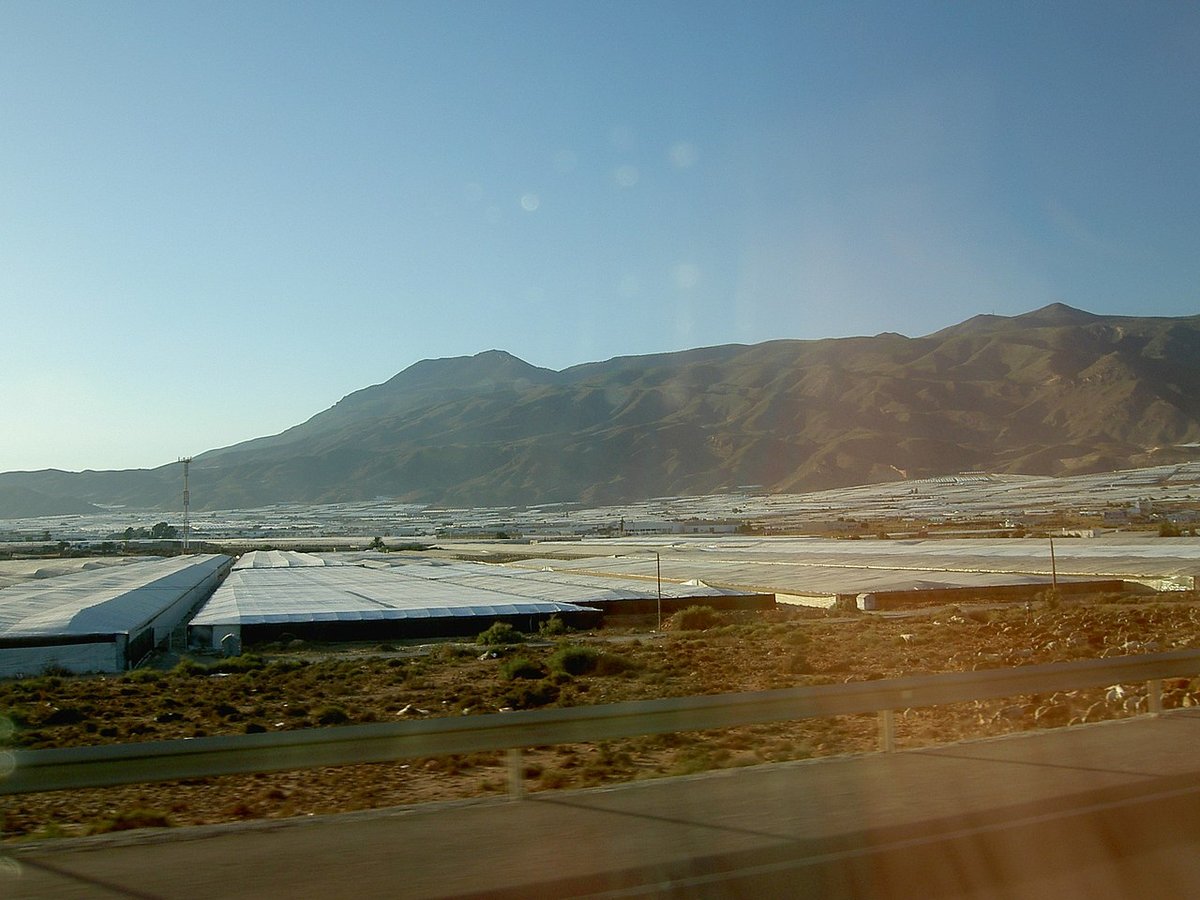
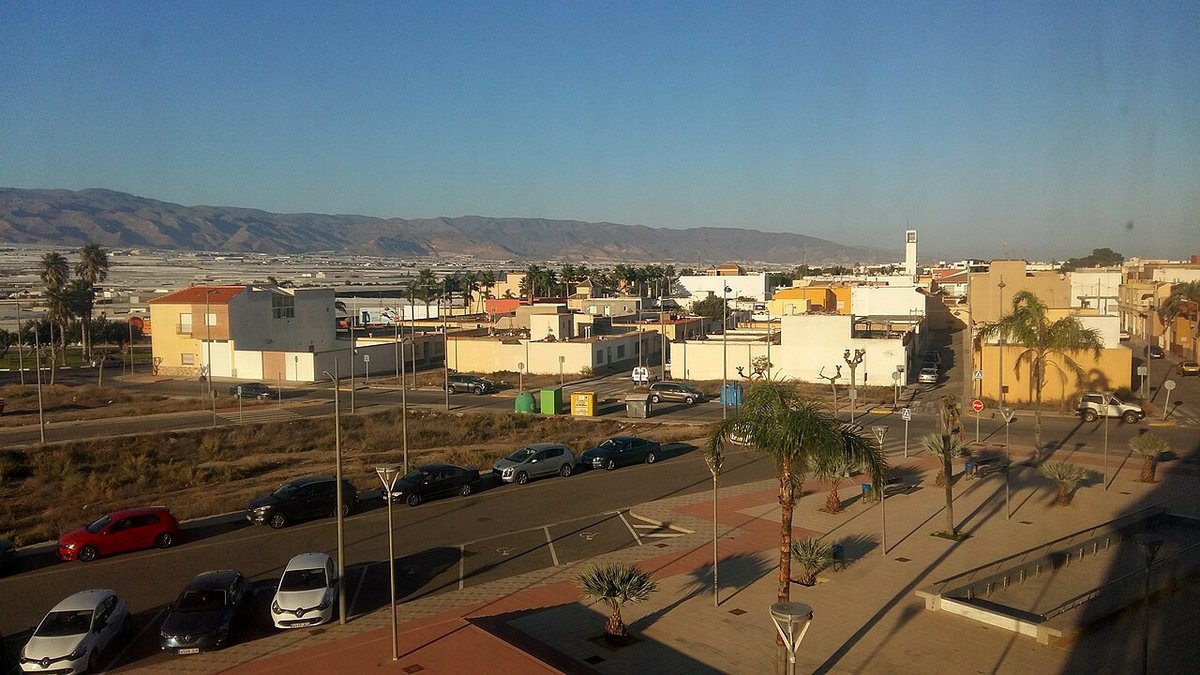
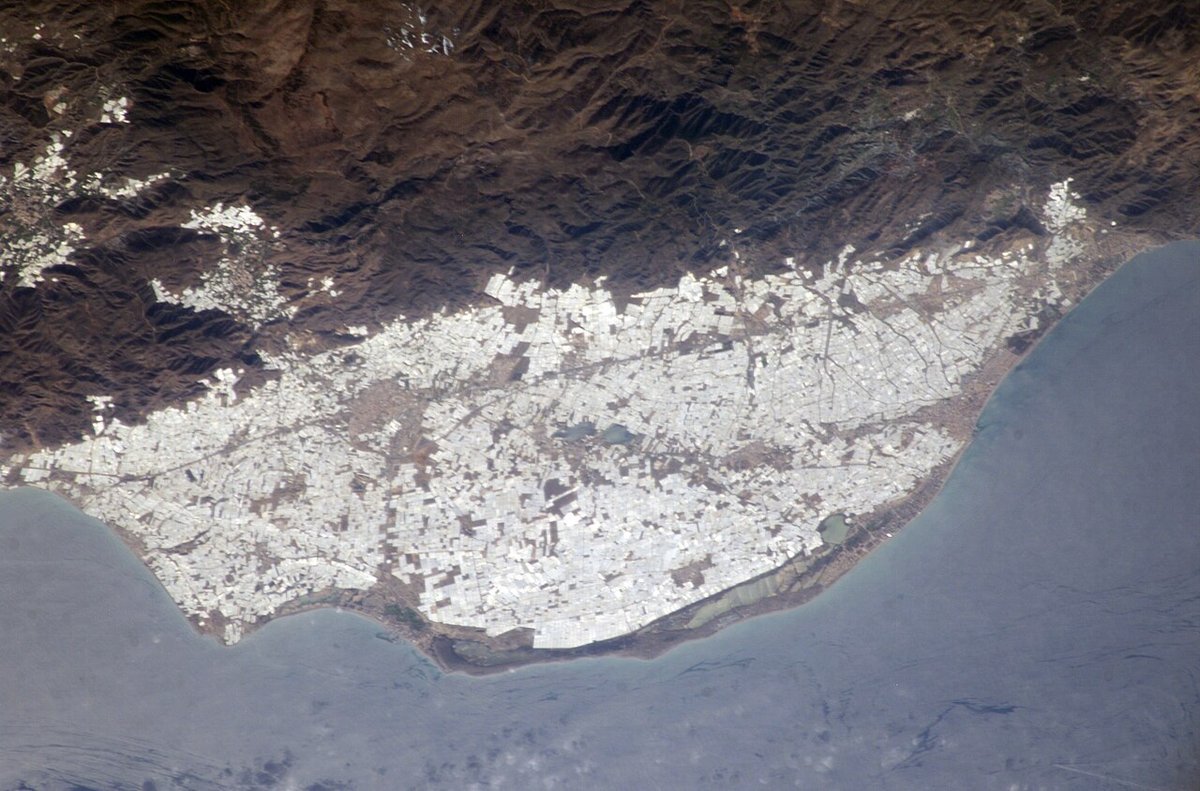
Ahora se encuentra a unos 400 metros sobre el nivel del mar, en esa franja donde terminan los invernaderos del Poniente y empiezan las primeras estribaciones de sierra. La carretera sube y el paisaje cambia: menos plástico blanco, más barrancos y almendros.
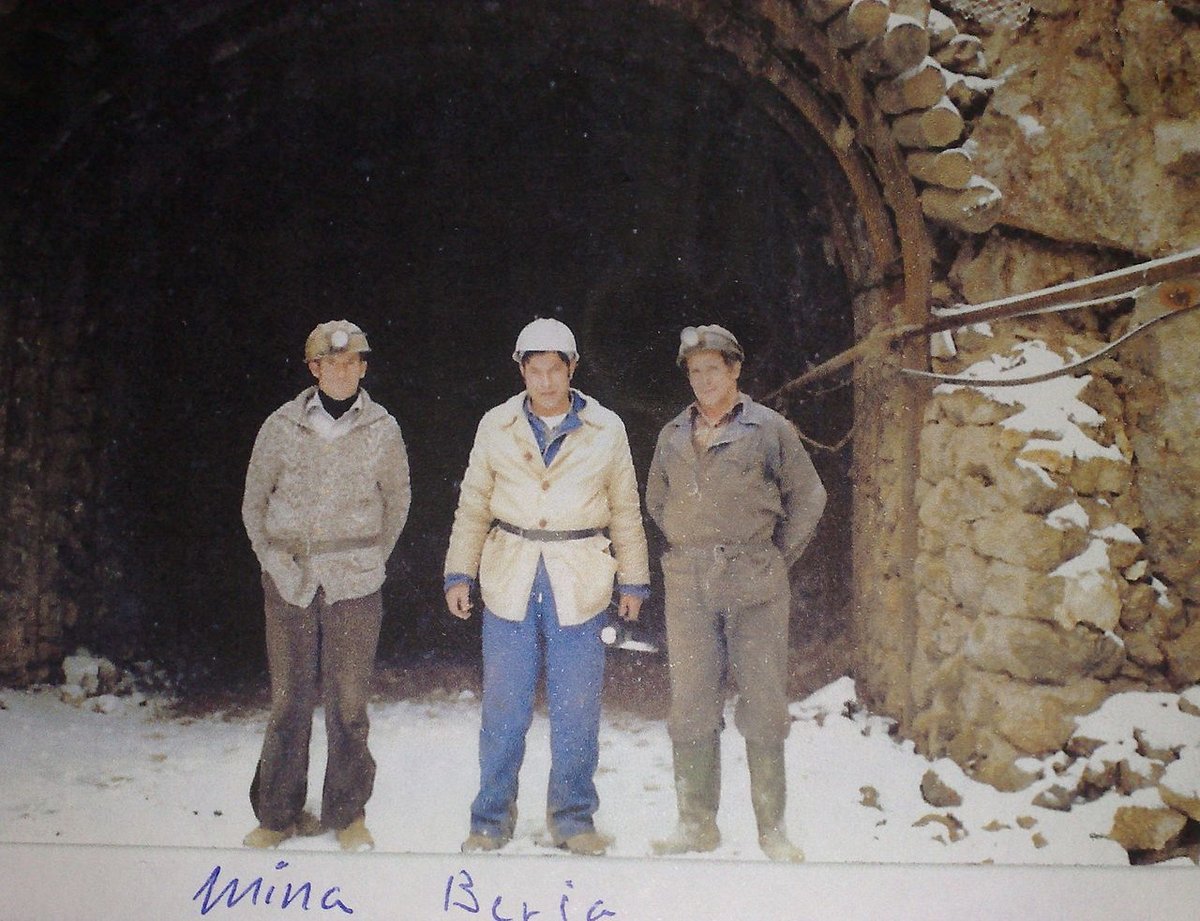
El nombre parece venir del árabe “Dalaya”, relacionado con viñas. Y tuvo su sentido: cuando decayó la minería en el siglo XIX, muchos se lanzaron a cultivar la uva Ohanes, que luego viajaba en cajas de madera por media Europa. De aquella época de cierto aire próspero queda el Casino de Dalías, una casa grande con patio interior que fue punto de reunión para quien podía permitírselo.
Lo antiguo pegado a lo cotidiano
Lo más interesante aquí es cómo lo histórico aparece sin avisar. Los Baños de la Reina son un ejemplo: unos baños andalusíes del siglo XIII que no están en un recinto vallado, sino integrados entre las casas del barrio. Pasas por una calle normal y te encuentras con eso.
Cerca está la Torre de Aljízar, una torre defensiva medieval pegada a una ermita. Es esa mezcla de épocas tan común en los pueblos, donde todo acaba conviviendo sin demasiado protocolo.
Para un plan tranquilo, la gente del pueblo suele mencionar el Arroyo de Celín. Nace en un manantial y forma una zona sombreada con agua donde es habitual ver familias comiendo al fresco. No hay servicios ni infraestructuras turísticas; solo mesas bajo los árboles y gente con sus tupperwares. Funciona porque nadie ha intentado "mejorarlo".
Comida sin manual de instrucciones
La cocina es la de tierra adentro: platos contundentes que nacieron del trabajo en el campo. Choto al ajillo, caracoles serranos o tortilla de présules (que son guisantes, pero aquí nadie les llama así). Son recetas que se han quedado porque alimentan y saben bien.
El gazpacho también tiene su versión local, aunque preguntes a dos vecinos y te den recetas distintas. En los bares se come lo que hay; no hay carta para turistas ni explicaciones sobre los platos. Te sientas, pides lo que veas a otros comiendo o preguntas al camarero, y punto.
Fiestas para quien esté
Las celebraciones giran en torno al patrón, Padre Rubio (sí, el de la casa), en mayo; luego está la feria de agosto y la romería de septiembre. Son fiestas locales clásicas: peñas, música en la calle y mucha gente que vuelve aunque viva fuera.
No son espectáculos montados para visitantes; son planes comunitarios donde puedes colarte un rato sin llamar mucho la atención.
La sierra siempre presente
Si te apetece caminar, tienes rutas cercanas como el sendero que va desde Cortijo Blanco hasta Castala por media montaña. Es un paseo serrano con desnivel moderado-alto —de esos que empiezan suaves y luego te hacen sudar— pero las vistas sobre los barrancos recuerdan dónde estás realmente.
Al final Dalías es eso: un pueblo entre dos realidades —la huerta y la sierra— al que le quitaron el mar pero no le cambiaron el carácter. No vas a encontrar una postal perfecta ni una lista de imprescindibles; vas a encontrar lo que haya ese día. Y a veces eso basta