Full Article
about Enix
Balcony to the sea from the sierra; a quiet village known for its water and traditional cuisine.
Hide article Read full article
A hillside village above the Poniente
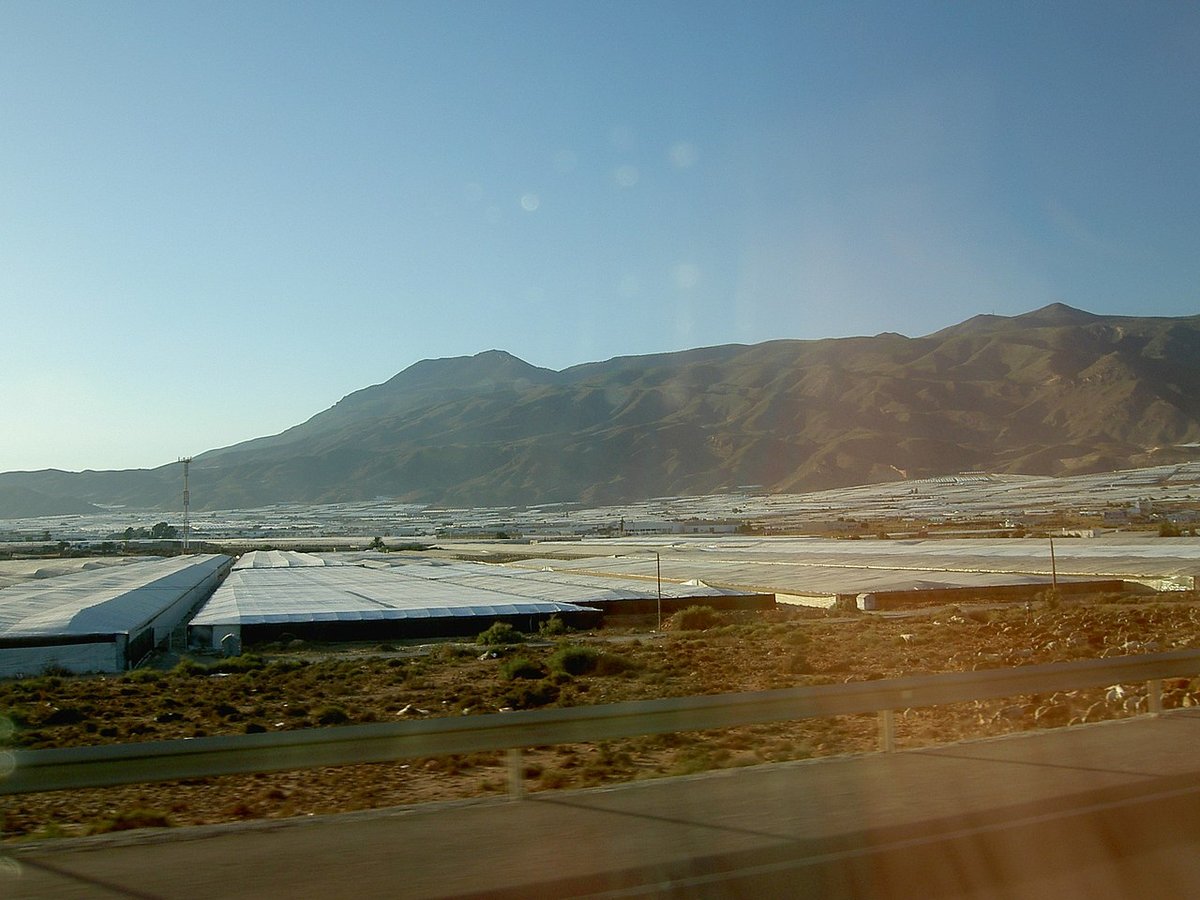
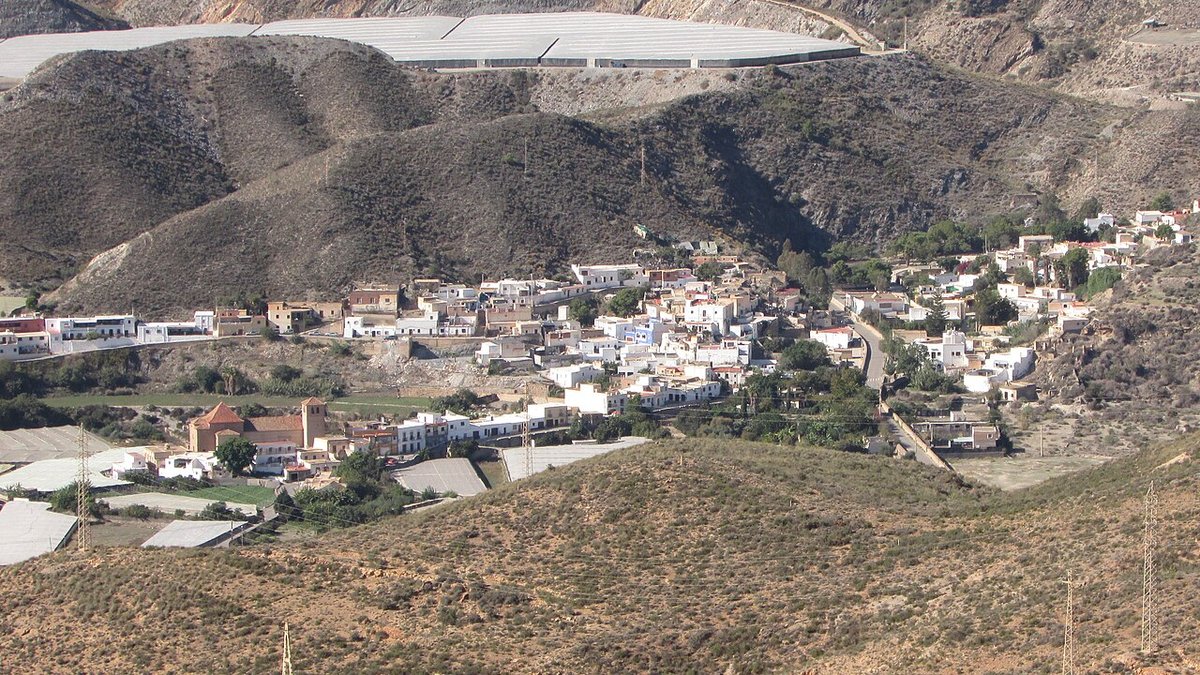
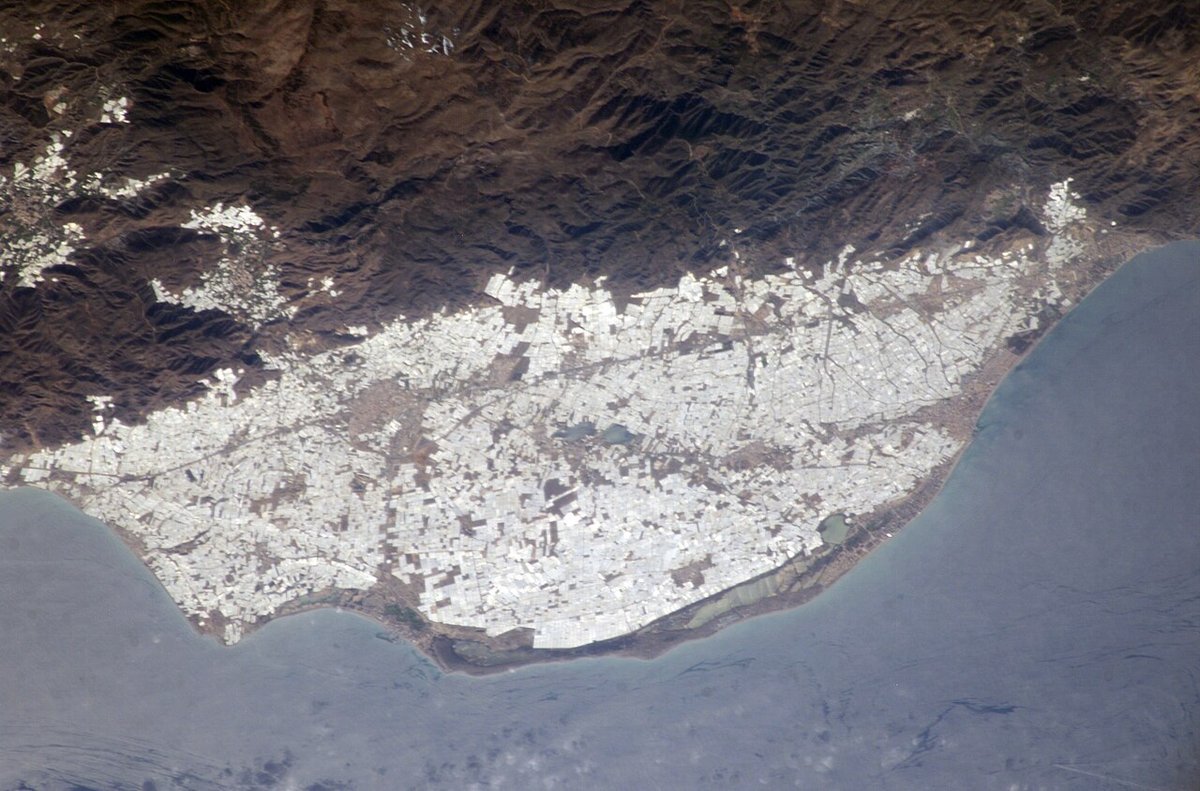
The drive up to Enix from the coast feels like a quick shift in pace. One moment you leave behind the greenhouse landscape of the Poniente, and within half an hour of winding road you arrive somewhere cooler, calmer, and far less hurried. The village sits on the slope of the Sierra de Gádor, surrounded by terraces of almond trees and a kind of quiet where everyday sounds still carry.
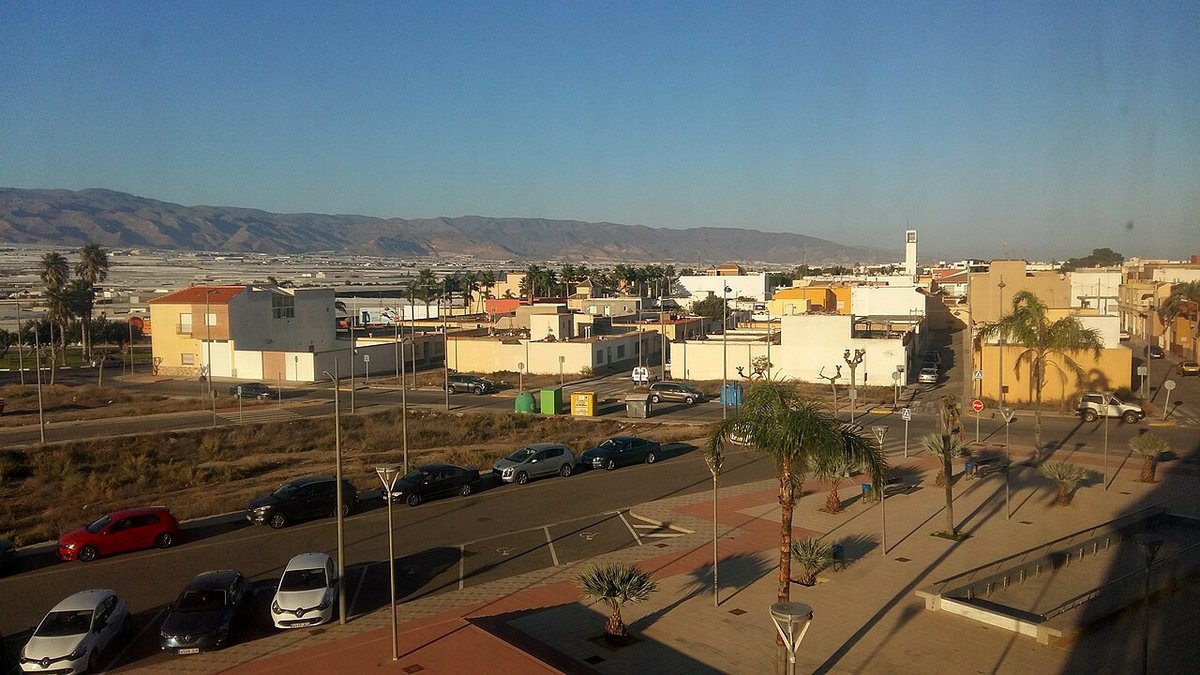
Just over 600 people live here. Enix does not present itself with obvious attractions or carefully signposted highlights. It works differently. Whitewashed houses line streets that rise and fall unpredictably, as if scattered across the hillside. Small squares still act as meeting points, and daily life unfolds without much concern for visitors.
There is a sense of stepping into a lived-in place rather than a staged one. Corners have purpose, not decoration. Nothing appears arranged for effect. Things simply continue as they have.
That sense of normality gives Enix its character. Narrow streets, an old fountain here or there, and traces of how people lived not long ago. The old washhouses are a good example. They recall a time when much of the village gathered to work and talk at once. Today they remain as quiet pauses along a walk.
Threshing floors can also be found nearby, spaces once used to process grain. They help explain how life was organised in a landscape that has never been easy to farm.
Enix also makes sense geographically. It lies between the coast and the higher parts of the Sierra de Gádor. Many people come up for a short walk or simply to enjoy cooler air than below. It suits a brief escape: a change of scenery without a long journey.
Looking a little closer
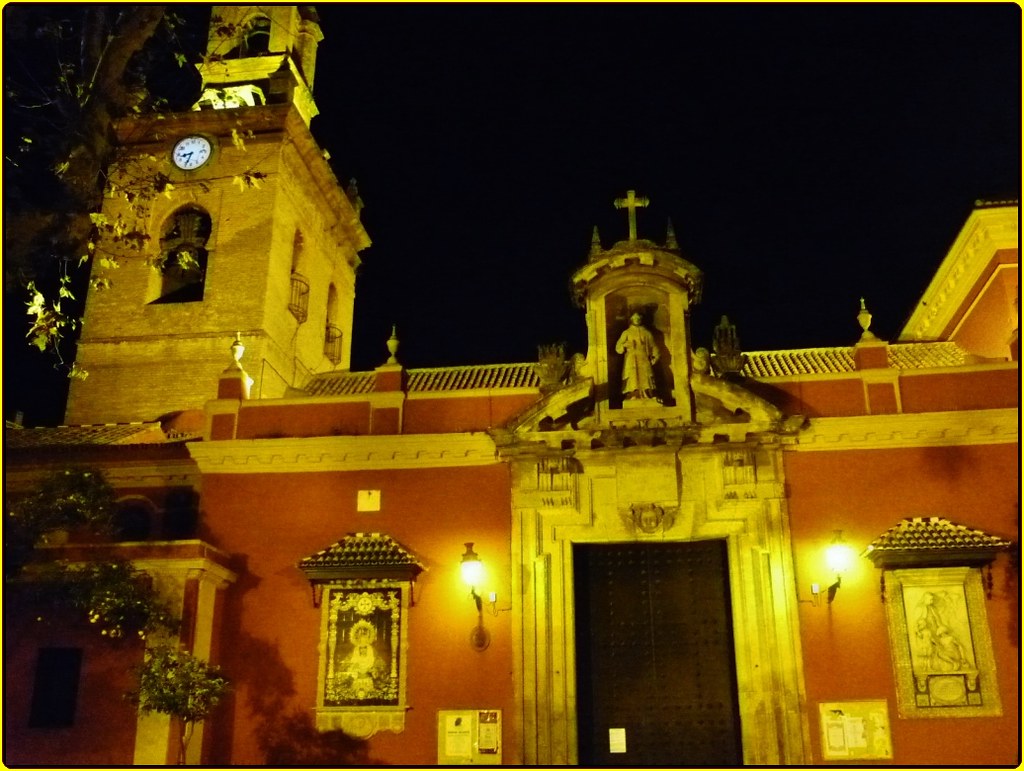
The parish church of the Encarnación defines much of the village skyline. It dates from the 16th century and stands on the site of a former mosque, which is common in this part of Andalucía. The building is not grand. Its appearance reflects different periods, with each leaving its mark.
Inside, there are some Baroque details and a well-known image of the Virgin that still holds importance locally. The church functions less as a monument and more as a centre for community life and celebrations.
Nearby stands the fountain known as the Cinco Caños. It does not stand out for its size, but it says a lot about how water was managed in a place where every drop mattered. Its simple system resembles a domestic arrangement adapted for the whole village. For a long time, it played a part in daily routines.
Close to the fountain are the remains of old washhouses. It is easy to picture the sound of water and overlapping conversations. The atmosphere would have been similar to a neighbourhood café today, though centred on work rather than leisure.
Across the wider area, traces of threshing floors and hydraulic mills still appear. They are not always clearly marked. Instead, they show up as clues to how resources were used when people depended on rainfall and seasonal streams.
The landscape shifts with the seasons. Almond trees dominate many slopes. When they bloom, usually between late winter and early spring, the hills take on patches of white and pink, like a light dusting across the terraces.
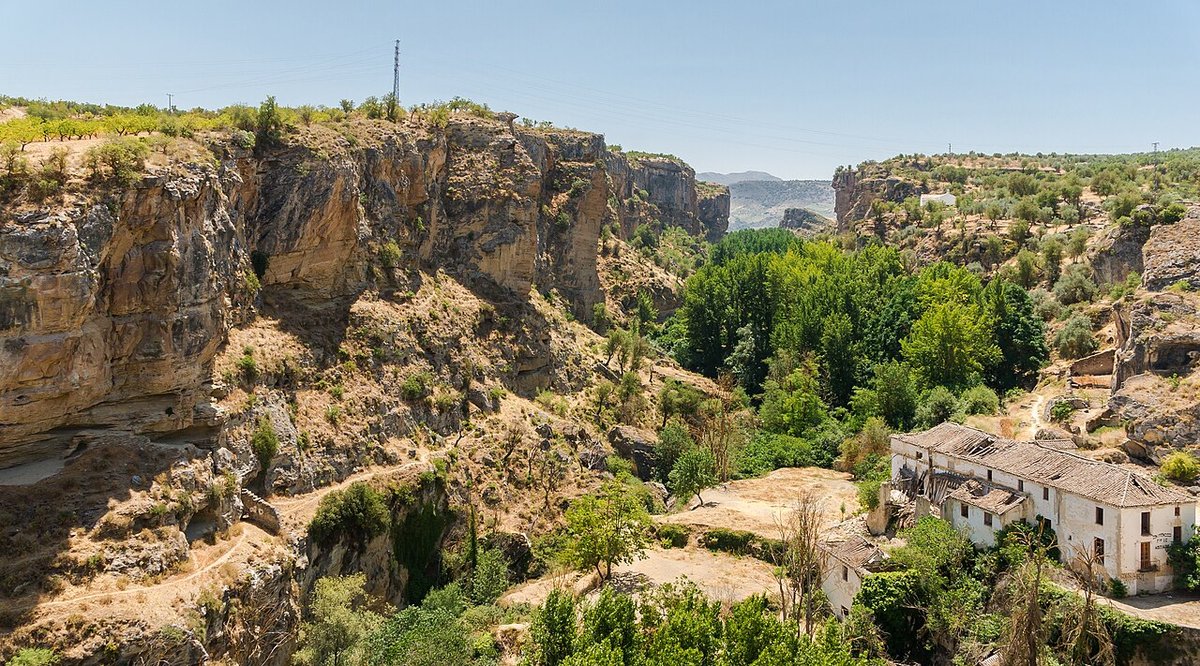
Nearby ravines carry scattered Mediterranean vegetation. Holm oaks, carob trees, and hardy shrubs grow in conditions shaped by long, dry summers.
Paths through a worked landscape
Walking around Enix offers a way to understand how the land has been shaped over time. Paths leaving the village link cortijos, fountains, and old mills that once used temporary streams.
The Ruta de los Molinos follows part of these traditional routes. It is not especially technical, though the slopes are noticeable. The effort builds gradually, much like climbing several hills in an old town.
Those looking for something longer can attempt the ascent to the Pico de la Maroma, which reaches around 1,400 metres. This route requires more time and some experience in the mountains. On clear days, the views stretch across much of the Poniente Almeriense, and sometimes as far as Sierra Nevada in the distance.
There are also gentler paths crossing agricultural terraces planted with olives and fig trees. These walks move at a slower pace. Stone walls supporting the भूमि create the impression of a vast staircase built over time.
Encounters along the way often feel simple and direct. A greeting of “buenos días” can lead to a brief exchange about the weather or the coming harvest. These small conversations remain part of daily rhythm here.
Everyday flavours
Local cooking follows long-standing traditions. Stews and simple dishes continue to define the table, shaped by what the land provides and by habits passed down over time. The focus stays on continuity rather than reinvention, much like the village itself.