Full Article
about Felix
Mountain white village overlooking the Mediterranean; it keeps Moorish architecture and fountains
Hide article Read full article
A Village Above the Andarax Valley
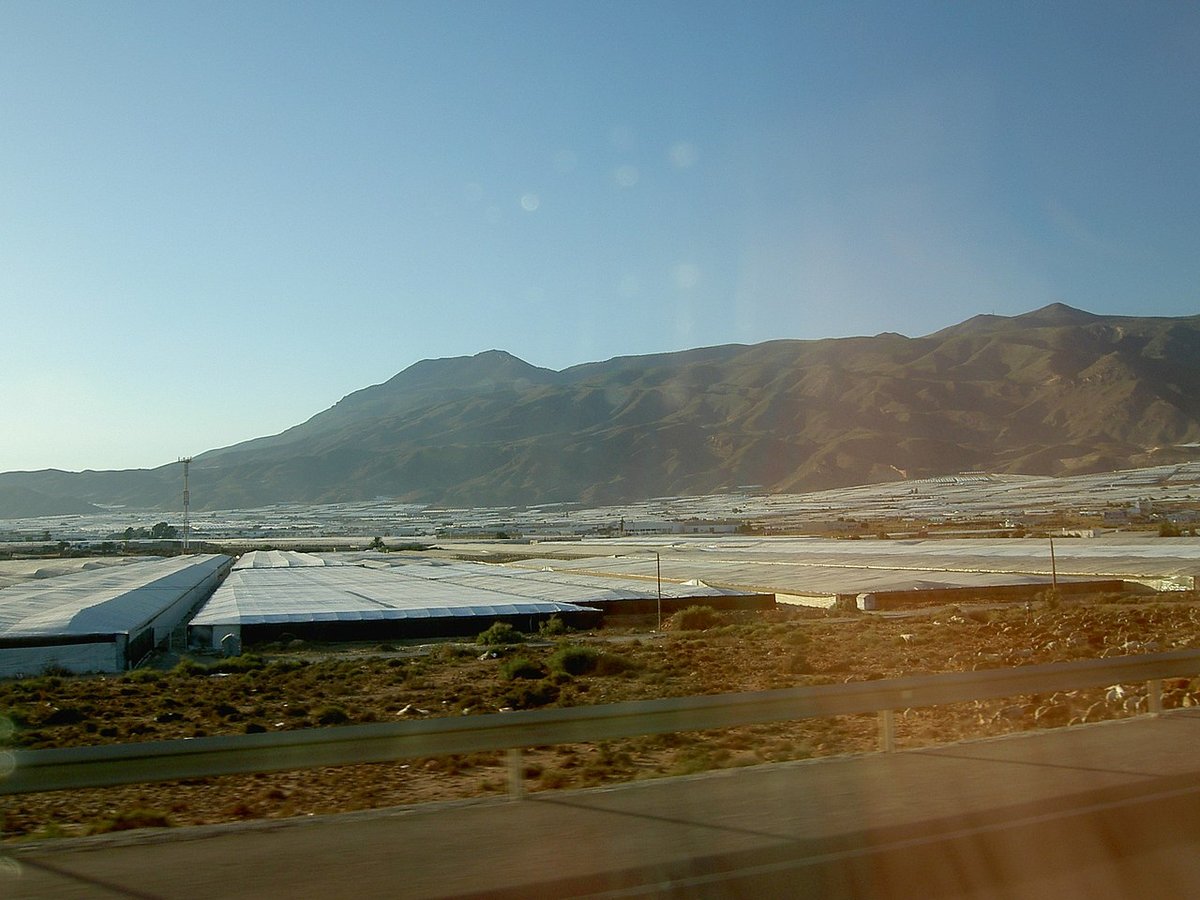
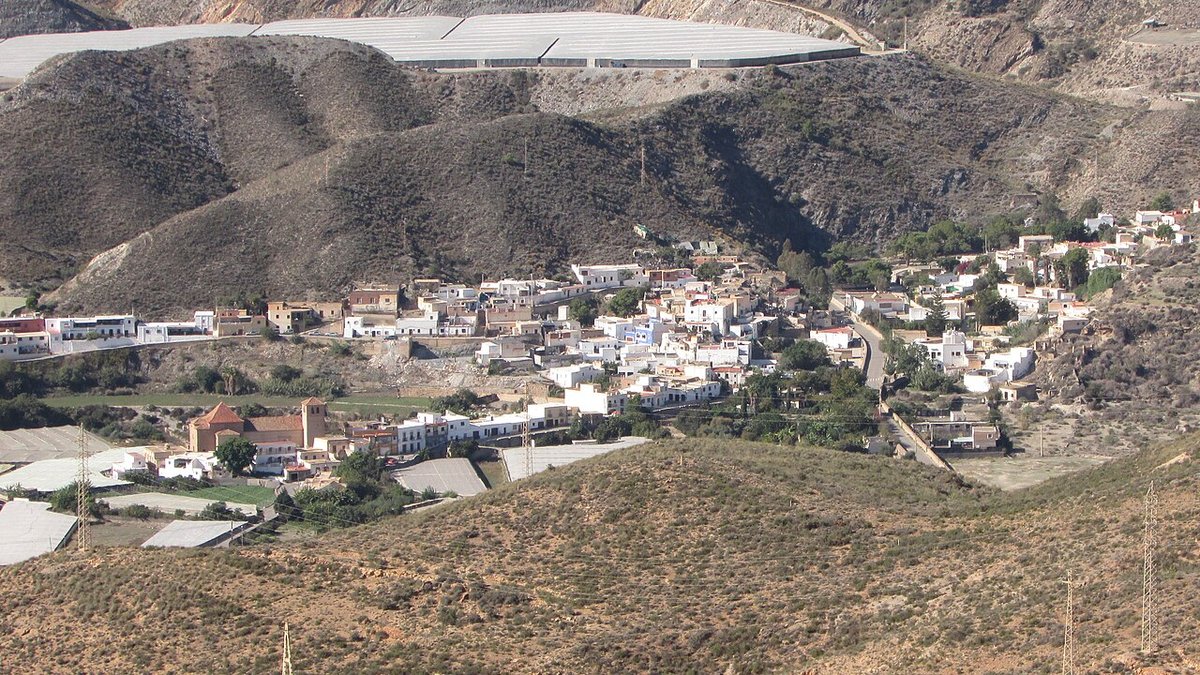
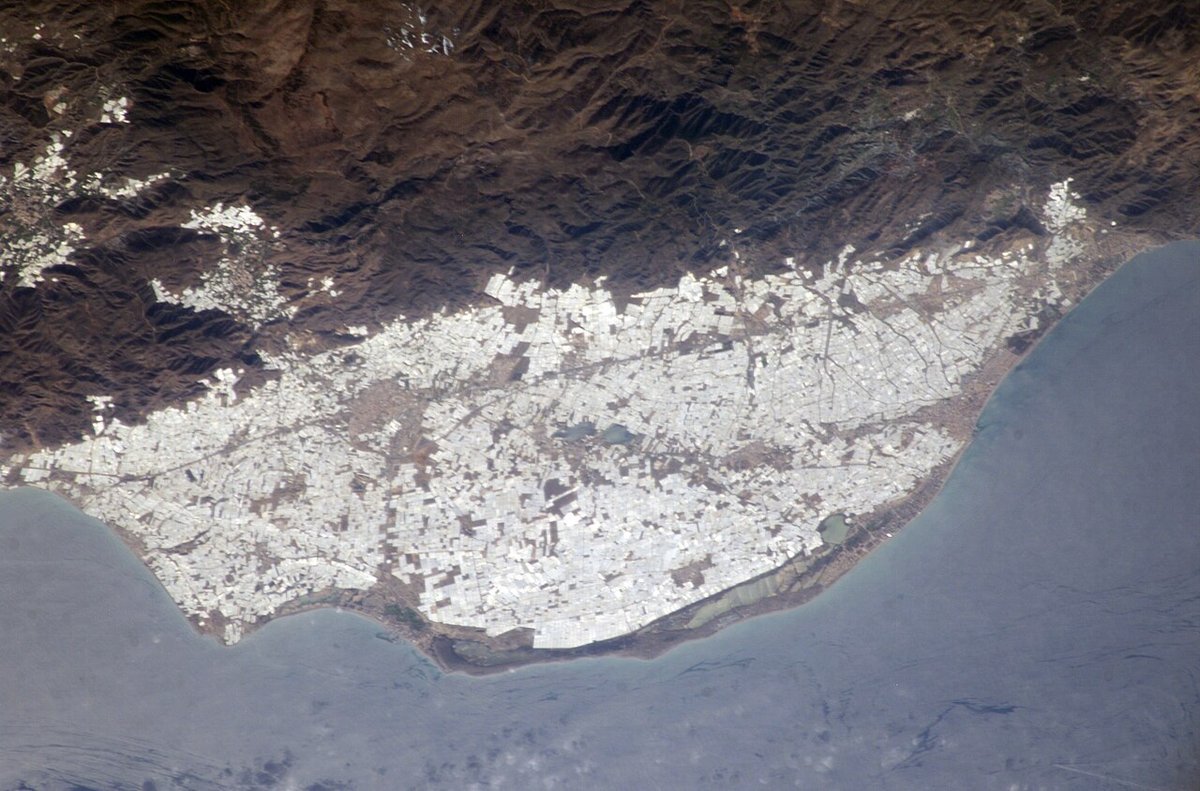
Felix is reached by climbing up from the Poniente Almeriense along a road that gains height quickly. The village appears on the slopes of the Sierra de Gádor at close to 800 metres above sea level. From this vantage point, its setting becomes clear: mountains rising behind it, and to the south the Andarax valley stretching towards the wide agricultural plain that now covers much of the coastline. On clear days, the outline of Sierra Nevada can be seen in the distance.
Tourism in Felix bears little resemblance to that of the nearby coast. There are no promenades designed for visitors and no carefully restored historic quarter prepared for sightseeing. Daily life revolves around the main square, the parish church and the small-scale agricultural work that still continues in the surrounding land. The landscape is that of Mediterranean mountain terrain. Almond trees, olive groves and scrubland cover the hillsides. In winter and early spring the ground briefly regains some green tones. By summer, dry and sun-beaten colours dominate, characteristic of this part of Almería.
The atmosphere is defined less by visitor facilities and more by continuity. Felix functions as a working village, shaped by its geography and its agricultural rhythms rather than by tourism.
Architecture Shaped by the Slope
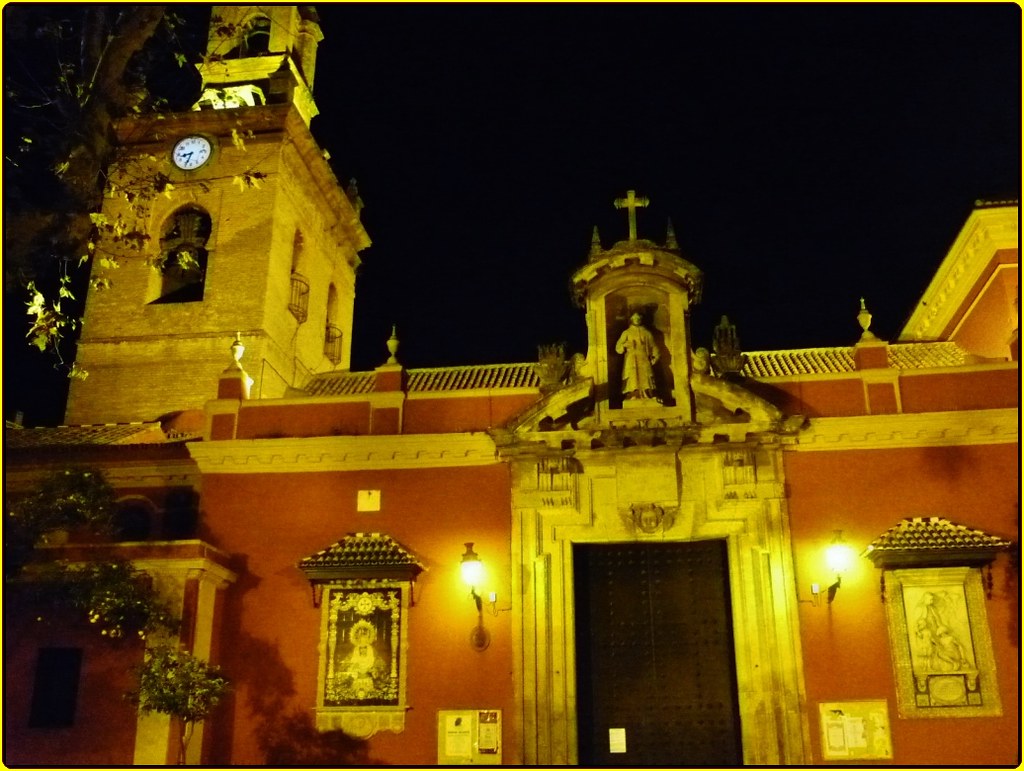
At the centre of the village stands the parish church of the Purísima Concepción. Its origins date back to the 16th century, although the building was altered in later periods. It is not a large church, yet its position on the square makes it the focal point around which the houses are arranged.
The layout of the old centre follows the incline rather than any formal plan. Streets rise steeply and turn in response to the natural form of the hillside. Many houses retain traditional features: whitewashed façades, simple rooflines and small interior courtyards. In some stretches there are signs of recent renovation. In others, homes have remained closed for years.
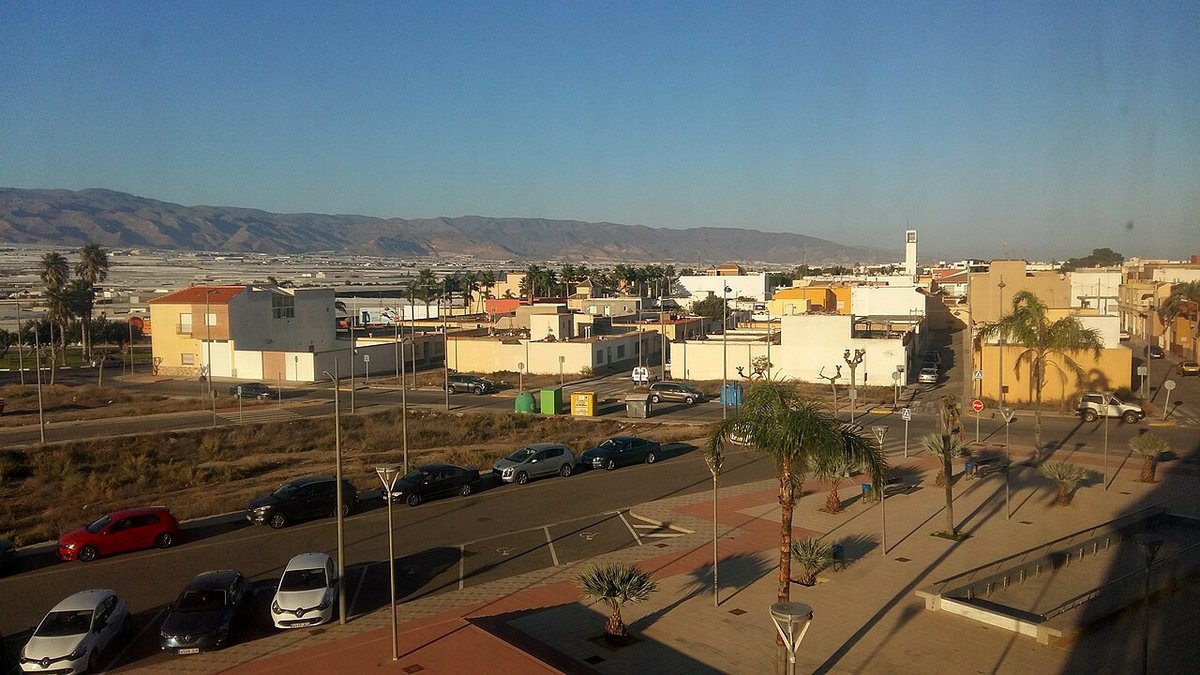
Walking through Felix means accepting the gradients. The terrain leaves little alternative. From several higher points there are open views across the Andarax valley and towards the agricultural strip of the Poniente. The contrast between the dry sierra and the sea of greenhouses below forms part of the present-day landscape.
Beyond the village itself, older traces of settlement can still be found. Disused terraces step across the hillsides. Remains of cortijos, traditional rural farmhouses, stand scattered in the surrounding countryside. Old bridle paths once linked small agricultural holdings and connected communities across the mountains. This area, like much of the Almerían sierra, had an Andalusí presence during the period of Muslim rule in the Iberian Peninsula. Visible remains today are limited and dispersed, yet the historical layer is part of the wider story of the region.
Paths into the Sierra de Gádor
Felix maintains a network of traditional paths that begin within the village itself. Some lead towards former cortijos or small mountain springs. Others join longer trails running through the Sierra de Gádor. It is advisable to seek information before setting out, as certain stretches are not well maintained.
One of the best-known routes in the area is the Ruta de los Almendros. Its character changes markedly with the seasons. At the end of winter, when the almond trees come into blossom, the hillsides turn white. During the rest of the year, the route offers a clearer sense of the dryland farming that has shaped this landscape for generations.
The slopes are constant and the terrain is rarely flat. Suitable footwear is essential. In return, the sierra provides quiet surroundings and broad views across the mountains and towards the valley.
Those interested in wildlife may spot birds of prey along the nearby cliffs and ravines. Species such as the águila perdicera, known in English as Bonelli’s eagle, have been recorded in this part of the province. Sightings are not guaranteed, but the habitat supports such raptors.
The natural environment remains closely tied to everyday practices. Seasonal activities continue to mark the rural calendar. Wild asparagus, known locally as espárragos trigueros, are gathered when conditions allow. After periods of rain, some residents search for mushrooms in the hills. Respect for local rules and care for the mountain environment are essential when following these traditions.
Food and the Rural Calendar
Local cooking in Felix reflects the traditions of the sierra. Migas, a dish based on breadcrumbs or flour cooked with oil and typically served in cooler months, frequently appear at family gatherings and during colder periods. Stews made with pulses and vegetables are common, and in season there are dishes prepared with small game. The food mirrors a simple agricultural economy that still has a visible presence in daily life.
Rather than being reinvented for visitors, these dishes remain part of domestic routines and community occasions. Meals are linked to the agricultural year and to the availability of ingredients from the surrounding land.
The festive calendar follows patterns shared by other villages in the Sierra de Almería. The Purísima Concepción, the village’s patronal dedication, is celebrated in December. Religious events and gatherings of neighbours concentrate much of the year’s social activity into those days.
In August, summer fiestas take place. Many people with family ties to Felix return to the village during this period. For a few days the atmosphere shifts, with meetings and celebrations spread through the streets and the square.
A romería is also held in spring, although the exact date can vary from year to year. A romería is a traditional pilgrimage or countryside gathering common in many parts of Spain. In Felix it functions primarily as a meeting point for neighbours and families, who share food outdoors in the setting of the sierra. It is one of the moments when the connection between the village and its surrounding territory becomes most evident.
A Different Pace from the Coast
Felix stands apart from the coastal tourism associated with Almería. Its appeal lies in its elevation, its views over the Andarax valley and its continuity as a small mountain settlement. The whitewashed houses, steep streets and working terraces reflect adaptation to a demanding landscape.
The village does not present itself as a curated destination. It remains a place shaped by agriculture, by seasonal change and by local tradition. For those who make the climb from the Poniente plain, Felix offers a perspective over both mountain and valley, and a sense of how life in the Sierra de Gádor continues alongside the more developed coastline below.