Full Article
about La Mojonera
Agricultural municipality in the heart of Poniente; key in agricultural research and fruit-and-vegetable production.
Ocultar artículo Leer artículo completo
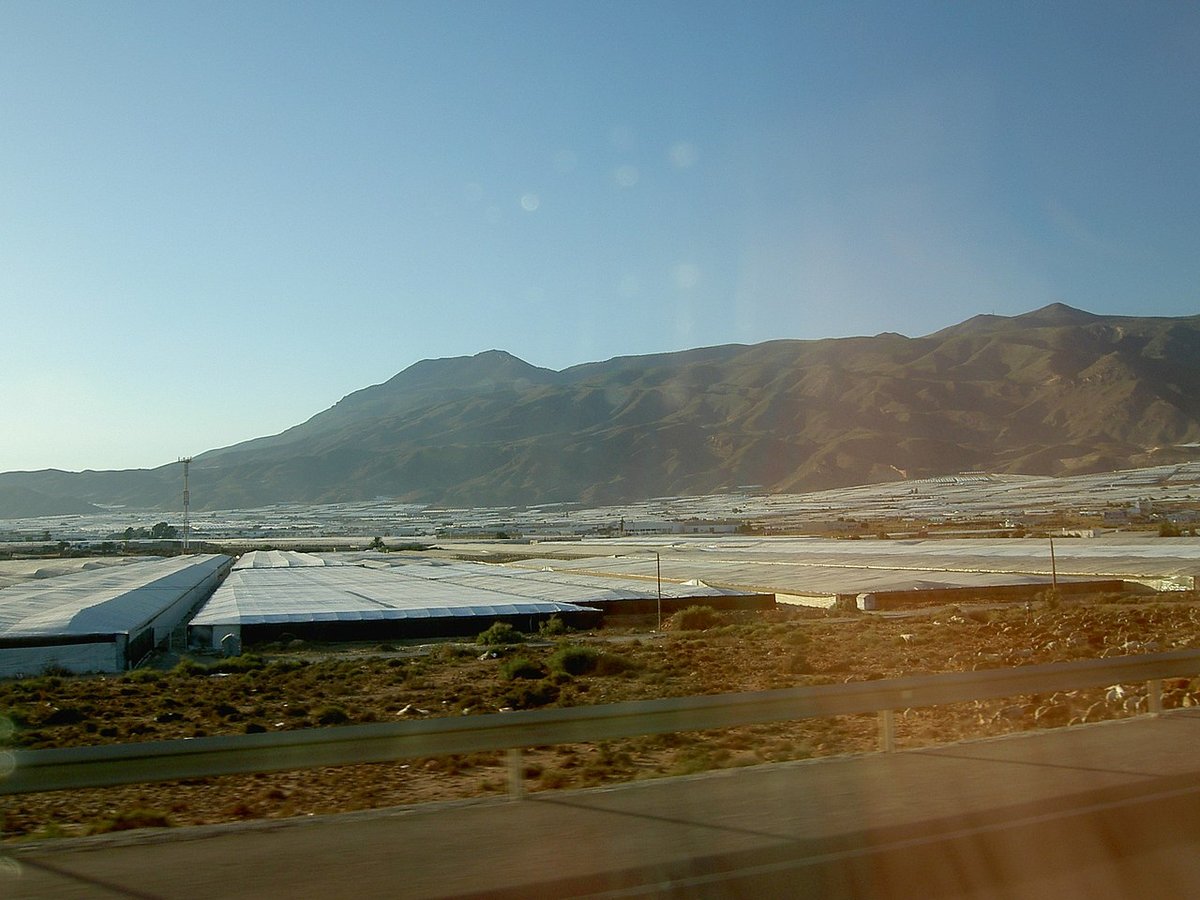
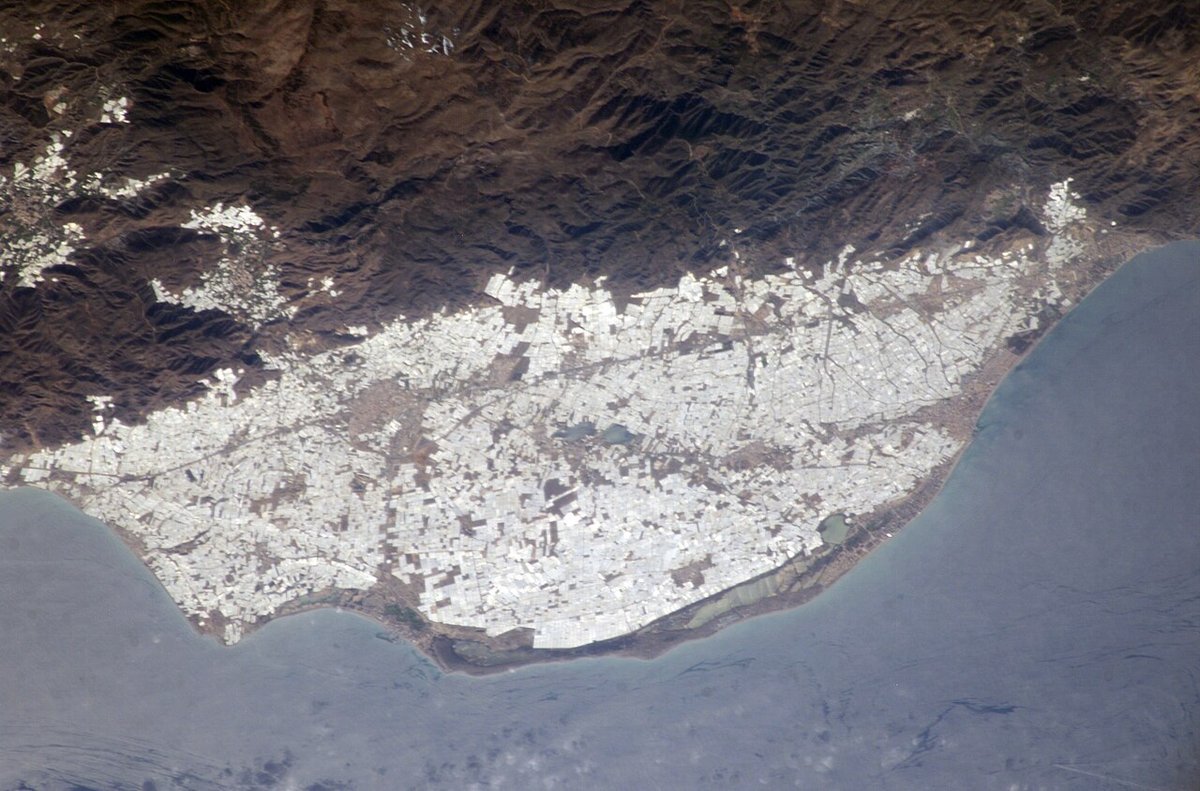
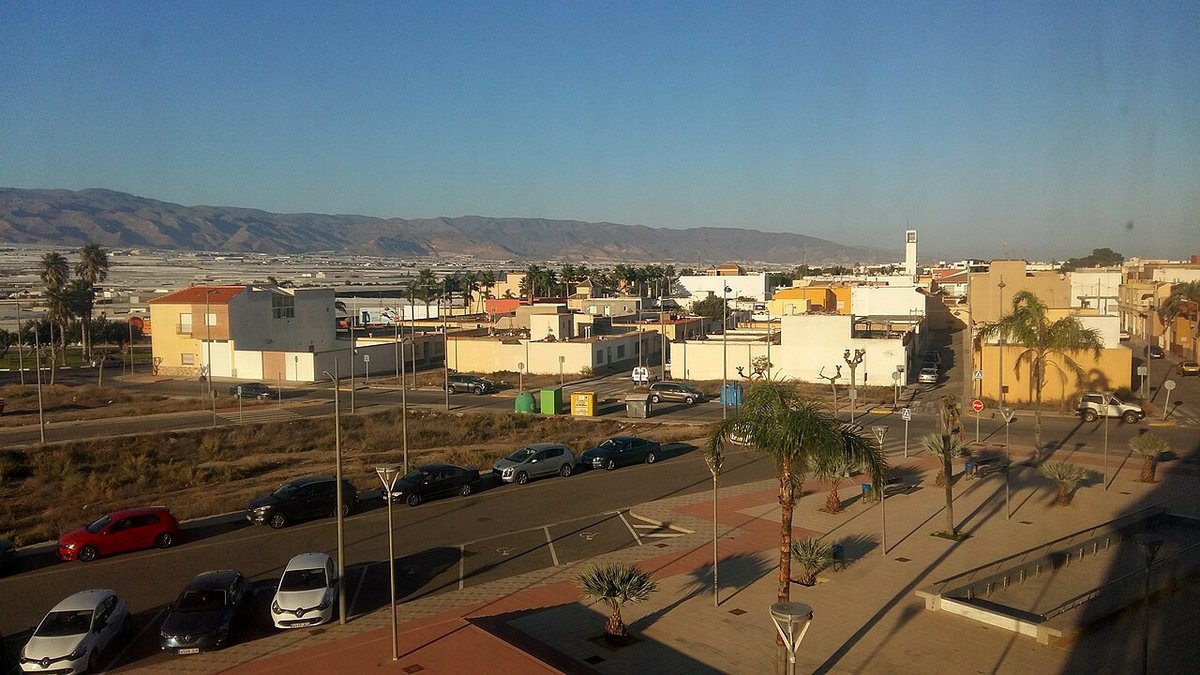
The A-7 motorway throws La Mojonera at you without warning. One moment you're watching the Sierra de Gádor rise like broken teeth on the horizon; the next, the road dips and the landscape turns silver. Thousands of polytunnels glint in the sun, their plastic skins stretched tight over tomato vines and pepper plants. Somewhere in the middle sits the village itself—40 metres above sea level, 25 kilometres west of Almería, and about as far from the usual Andalusian fantasy as you can get.
This is Spain's kitchen garden, the place that fills British supermarkets with winter tomatoes. The maths is brutal: 9,385 residents, 3,000 hectares under plastic, and a growing season that never really ends. Walk the back roads at 6 am and you'll meet Ecuadorian pickers cycling to work, their baskets already loaded with pruning knives and plastic crates. By 8 am the lorries are rolling—refrigerated artics heading for the MercaMadrid wholesale market, smaller vans bound for the ferries at Algeciras. Some of those tomatoes will be on a Tesco shelf in Birmingham by Thursday.
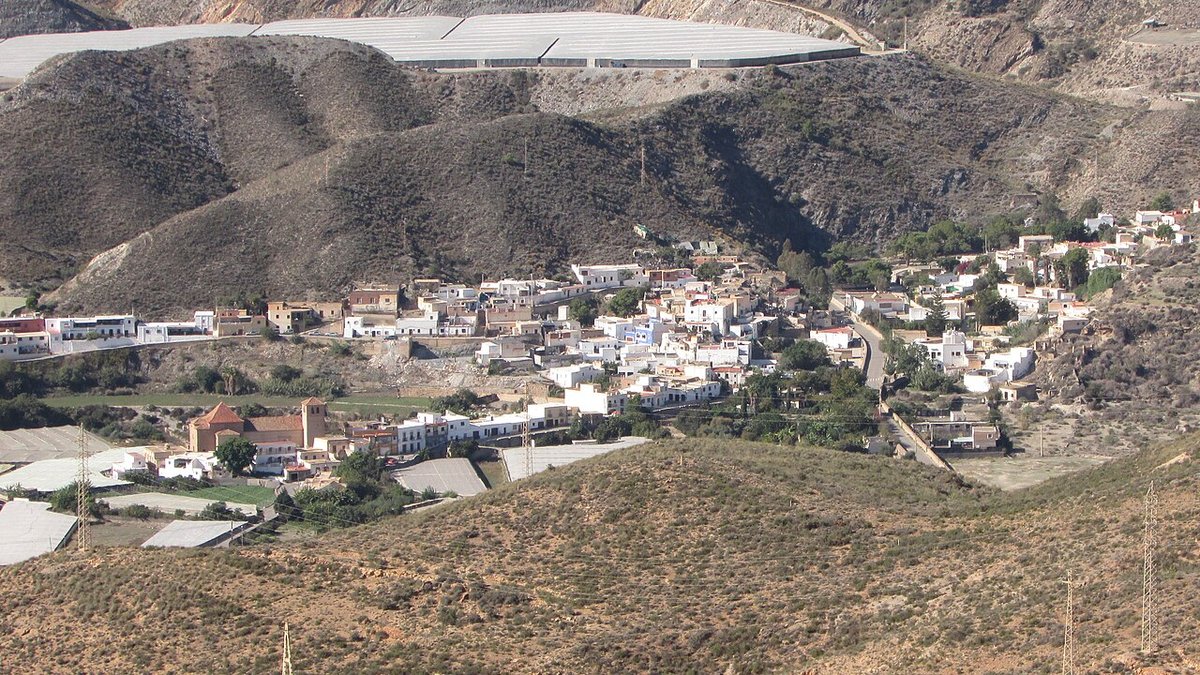
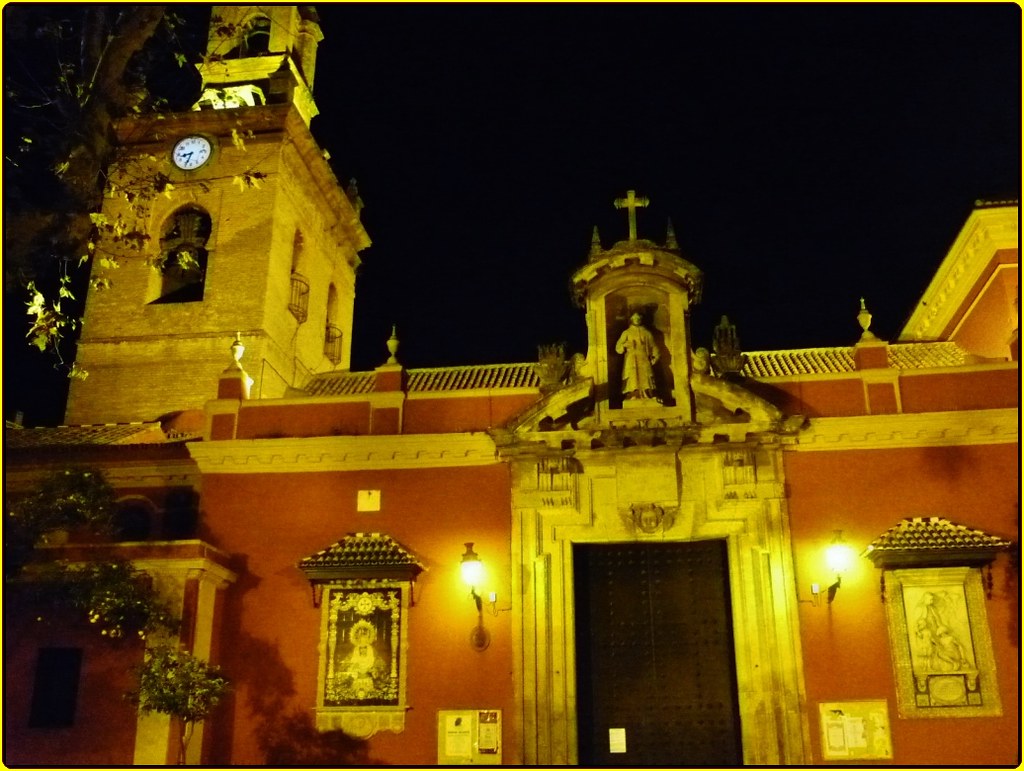
The village centre shrinks in comparison. Church of San Sebastián, rebuilt in 1962 after the old one cracked in an earthquake, stands square and practical beside a plaza the size of a football pitch. There's no café with mosaic tables here; instead, Bar Central opens at 5.30 am for the field workers, serving thick coffee and tostadas for €1.80 while the owner keeps an eye on the market prices flickering across the television screen. British visitors expecting whitewashed romance tend to leave disappointed. Those who stay longer learn to read the place differently.
Start with the Friday market. It spreads down Avenida de Andalucía from 8 am till 2 pm: pants and pans, cheap trainers, melons cut open to prove they're ripe. The fruit stalls source leftovers from the packing plants—misshapen cucumbers, peppers with slight blemishes that British buyers reject. A kilo of plum tomatoes costs 80 cents; the stall-holder will throw in a handful of coriander if you ask in Spanish. This is where pensioners do their weekly shop, wheeled trolleys bumping over the cracked tarmac. Listen and you'll pick up half a dozen accents: Andalusian Spanish, yes, but also Moroccan Arabic, Romanian, Punjabi. The greenhouses need labour, and labour travels.
Food follows the same honest line. Bar La Parada on the N-340a does a mixed clientele menu: full English for the homesick, migas—fried breadcrumbs with chorizo—for the locals. Their gazpacho almeriense arrives thick as soup and topped with diced cucumber, nothing like the watery stuff served on the Costa del Sol. A plate costs €3.50 and comes with a basket of warm bread baked in nearby Vícar. If you want seafood, the owner phones his cousin in Roquetas; twenty minutes later a motorbike pulls up with a polystyrene box of red mullet, still twitching. It'll be grilled with olive oil and served at cost—€6 a portion—because tonight isn't about profit, it's about feeding people properly.
Walking options are limited but revealing. A rambla—dry riverbed—cuts the eastern edge of town. Follow it south for twenty minutes and the polytunnels give way to abandoned agricultural plots, the plastic torn and flapping like shredded flags. In spring the banks sprout wild fennel and the air smells of aniseed. Keep going and you reach the old railway line, lifted decades ago, its ballast now a smooth track for mountain bikes. Turn west and the path climbs gently towards the foothills of the Sierra de Gádor; suddenly you're looking down on a sea of plastic stretching to the horizon, the Mediterranean glinting beyond. The contrast is startling: one side raw mountain, the other a manufactured landscape that produces 70% of Spain's export vegetables.
Winter changes the mood. Between November and March the sun sits low, shadows long across the fields. Morning mist pools in the valleys; by 11 am it burns off to reveal snow on the Sierra summits. This is when the village breathes. Hotel occupancy drops to 30%, the weekend traffic of visiting families thins, and you can find a parking space outside the bank. Temperatures hover around 18°C—T-shirt weather for anyone from Manchester—yet the British tourists have gone, chasing the brighter lights of Málaga or the ski slopes of the Sierra Nevada. Those who stay discover a slower rhythm: long lunches at Bar Manolo where the menu del día costs €9 and includes a carafe of house wine, evenings in the plaza watching old men play dominoes under the orange trees.
Practicalities matter. There's no petrol station in La Mojonera; the nearest is 5 km south at the El Ejido junction. The cash machine in Caja Rural works only with Spanish cards after 3 pm—draw euros in Almería or use the Santander branch in Vícar. Accommodation is limited: the Hostal Cortijo del Aire has 28 rooms, spotlessly clean, €45 a night with breakfast, but it's booked solid during the January fiestas and again in October for the Romero de la Virgen de la Fuentesanta. If you need a supermarket, the Dia in El Ejido closes at 10 pm; the village shops shut for siesta at 2 pm and reopen at 5, but they stock only basics—milk, tinned tuna, washing powder.
The fiestas themselves reveal the village at its most animated. San Sebastián in January means processions, yes, but also a giant paella cooked in the plaza: rice, rabbit, beans, and enough saffron to turn the whole mixture deep gold. Locals bring their own chairs and bottles of wine; visitors are handed a plate and told to sit down. In May the Cruces de Mayo turns neighbourhood rivalry into floral art—crosses wrapped in carnations, balconies draped with shawls. There's no entry fee, no souvenir stall, just the satisfaction of outdoing the next street. August brings the summer fair: foam parties for teenagers, late-night flamenco in a tent erected on the football pitch, and a procession of tractors polished to mirror shine, their drivers tossing sweets to children.
Some nights, when the wind blows in from the south-east, you can smell the sea. It's 12 km away as the crow flies, but the plastic gets there first. Environmentalists hate this landscape; they call it the "sea of plastic" and blame it for groundwater depletion, pesticide runoff, and the occasional plastic bag dancing across the motorway like urban tumbleweed. They're not wrong. Yet the same system keeps Europe supplied with out-of-season vegetables, employs 30,000 people across the province, and funds the health centre, the school, the new pavilion where the pensioners play pétanque at sunset. The contradictions are baked in.
Leave at dawn and the village feels like a staging post rather than a destination. Lorries thunder past, headlights carving tunnels through the mist. By 7 am the first workers are cycling to the fields, their jackets luminous against the half-light. Stay longer and the place shifts. You notice the way the church bell marks the hours, how the bar owner remembers your coffee order, the pride in a grandmother's voice when she explains her grandson is studying agricultural engineering in Madrid. La Mojonera won't charm you with ancient monuments or sweeping beaches. It offers something narrower, deeper: a working village in a landscape that feeds millions, getting on with the job while the rest of Andalucía poses for postcards.