Full Article
about Vícar
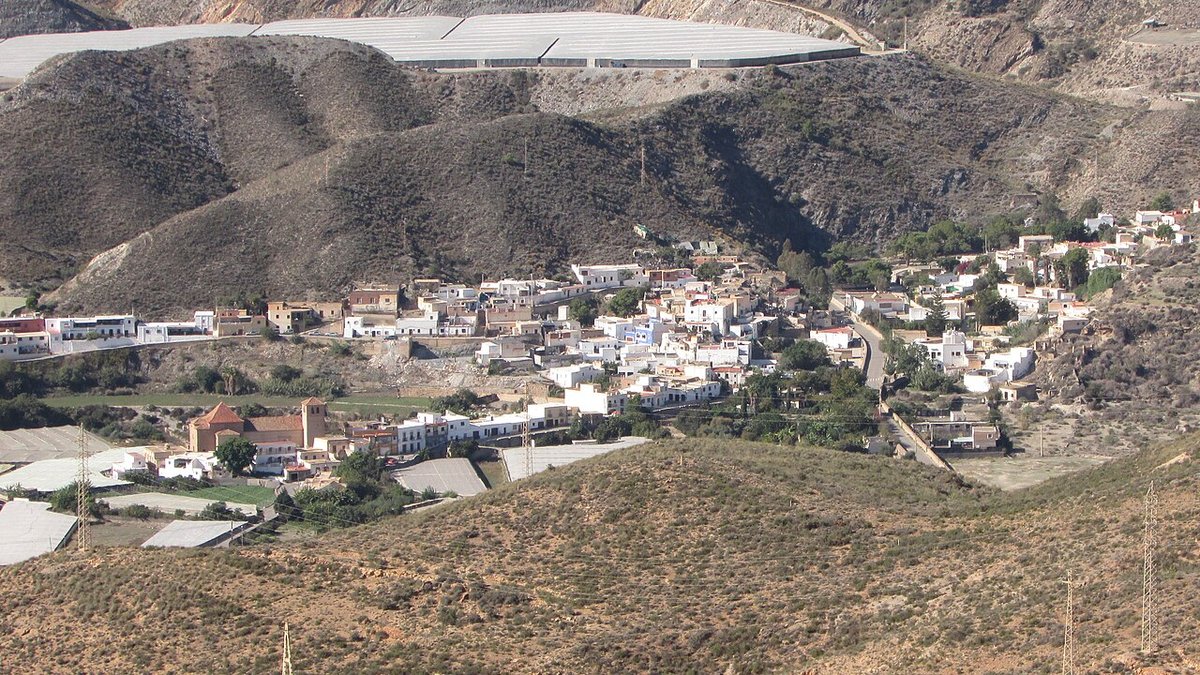
A municipality split between the historic hill town and the modern farming plain.
Ocultar artículo Leer artículo completo
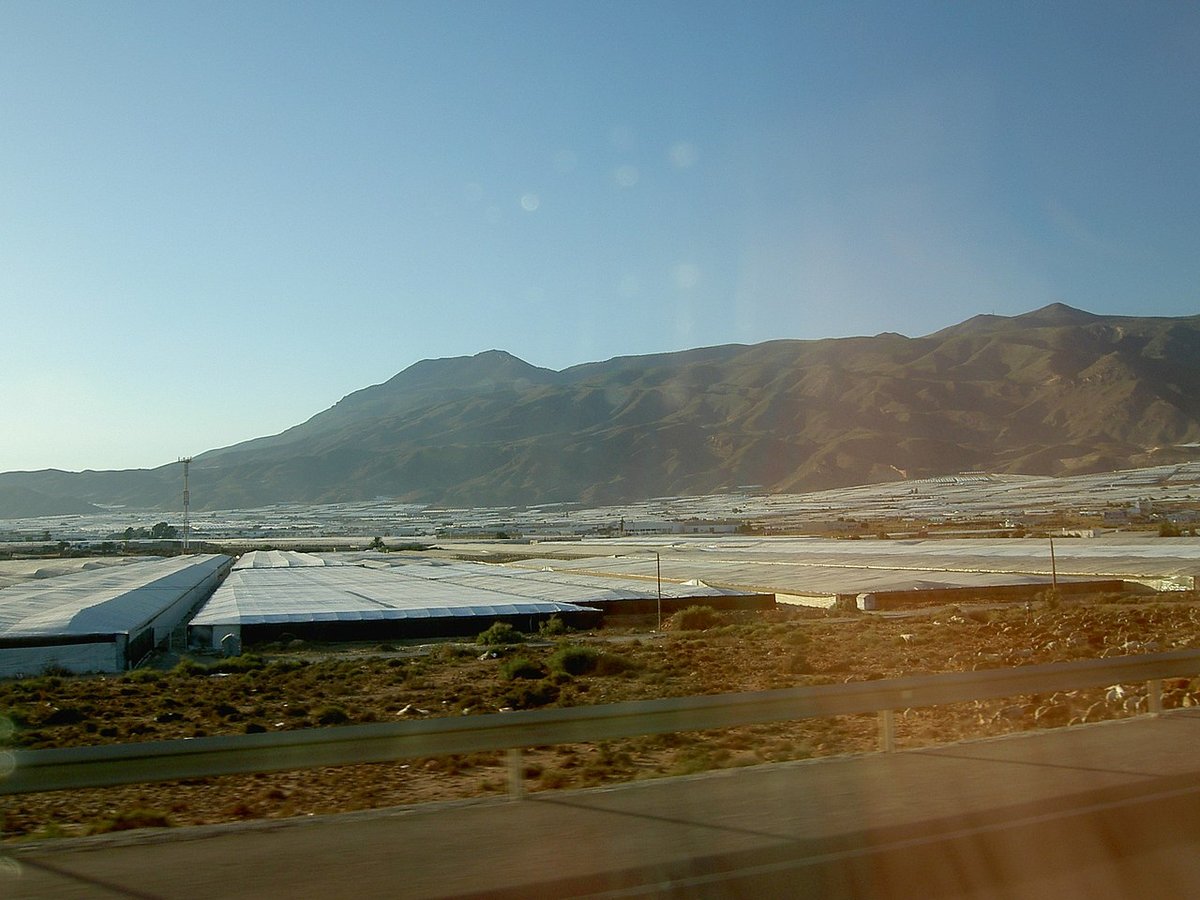
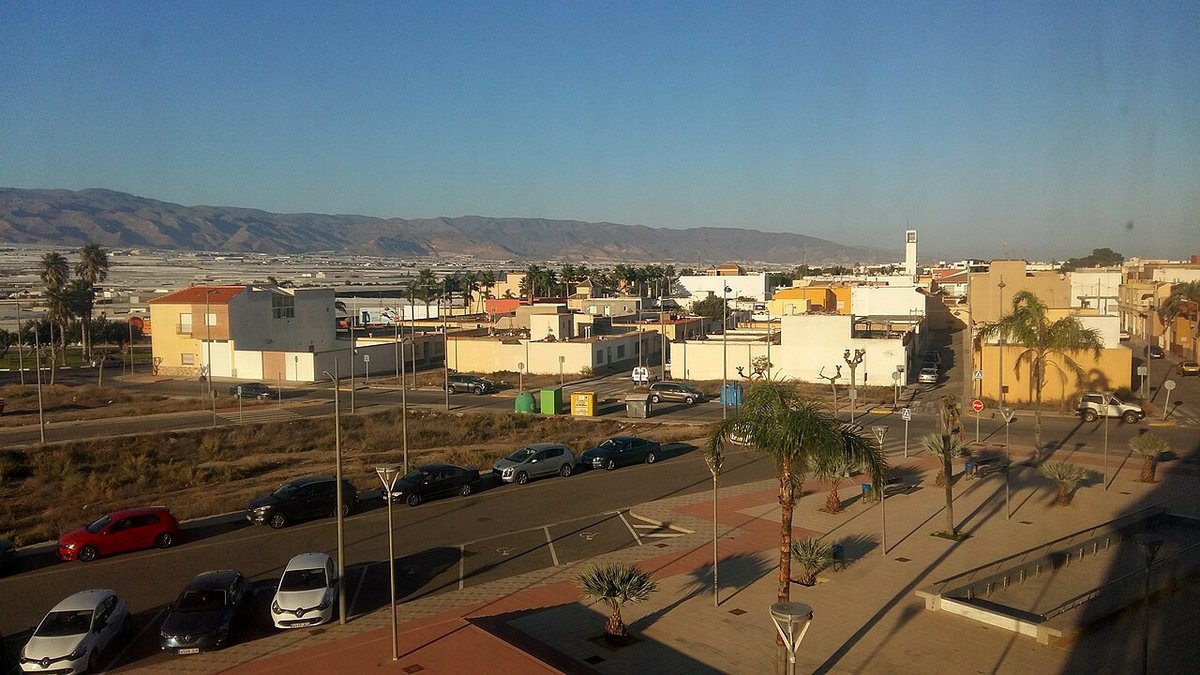
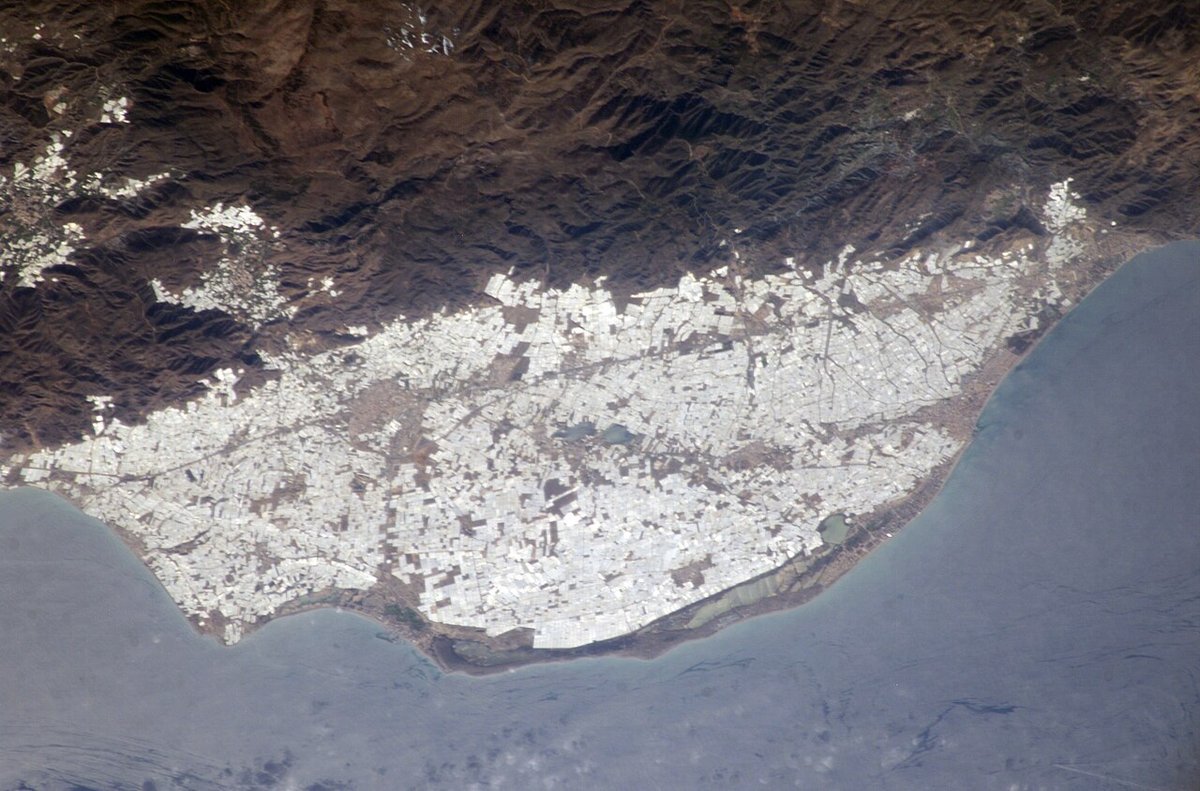
The white plastic stretches so far that pilots descending into Almería airport joke about landing on a glacier. From the cabin window it looks Arctic; on the ground it hums with tomato pickers at dawn and the low throb of irrigation pumps. This is the poniente almeriense, a coastal plain that feeds northern Europe every winter. Right in the middle, 288 m above sea level, sits Vícar—part market town, part dormitory for 28,000 people who work the greenhouses or commute to the coast.
The Old Quarter Still Has the Loudest Clock
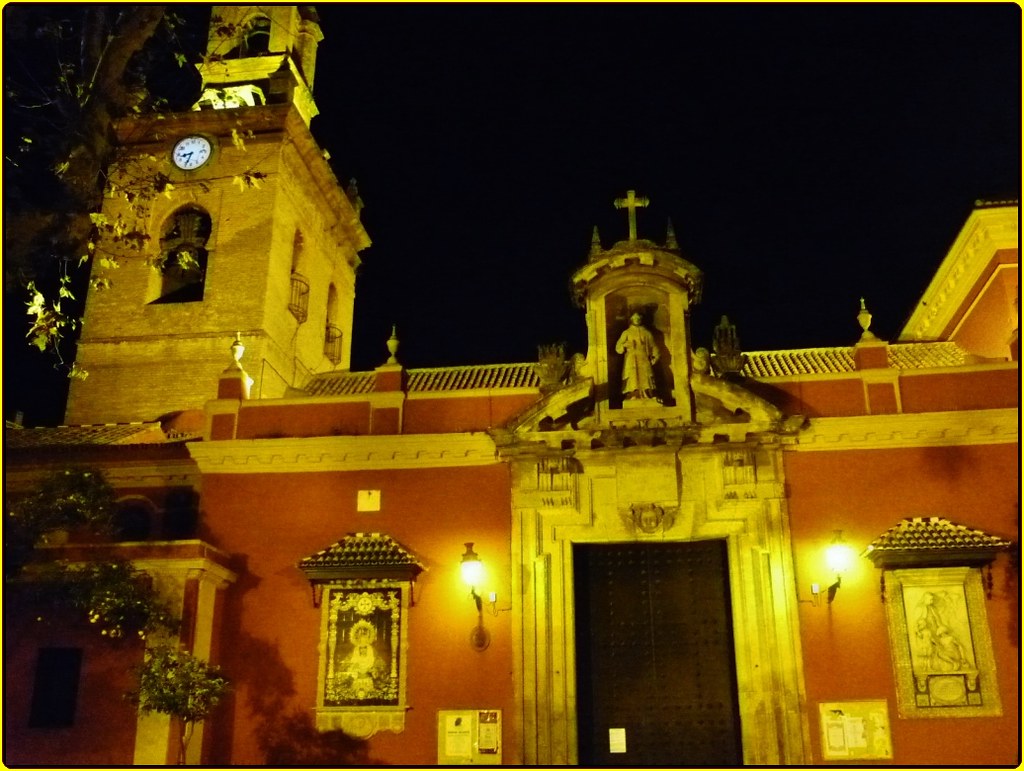
Leave the A-92 at junction 394, skirt the Lidl warehouse, and the road narrows into calle Real. Suddenly you’re in an 18th-century grid of whitewashed walls, iron grilles and the faint smell of horse feed drifting from a side alley. The parish church of La Encarnación blocks the skyline like a stone bookend; its bell tolls the quarter hour louder than any smartphone. Locals use the square as an open-air living room: grandparents on the bench, teenagers on scooters, Romanian farm supervisors queueing for lottery tickets. Tourism leaflets don’t exist; instead the tourist office doubles as the municipal bill-payment desk, open 09:00–14:00 if the clerk isn’t on strike.
Architecture buffs can spot three former manor houses in a five-minute stroll—look for the granite doorways with family crests worn smooth by desert dust. One is now a dentist, another a flat-share for tomato-packers, the third boarded up since 2012. The effect is shabby rather than chocolate-box, but it feels lived-in, and no one charges to look.
Lunches That Taste of the Plastic Sea
Vícar doesn’t do tasting menus; it does workers’ lunches. Bar Villanueva grills chicken over vine trimmings and piles it into a baguette with proper chips—€5.50, ready in four minutes. Around the corner, Tapa Wapa pushes honey-glazed ribs and pulled-pork tacos aimed at Dutch greenhouse engineers, but Spaniards eat there too because the beer is cold and the Wi-Fi reliable. If homesickness strikes, Café Bar El Niño serves Yorkshire-tea-bag tea and toast cut thin enough for marmalade, though you’ll pay Marbella prices for the privilege.
The weekly market (Friday, Plaza de la Constitución) is where the agricultural economy becomes edible. Peppers the size of cricket balls, aubergines glossy as patent leather and tomatoes that still smell of leaf, not chilled lorry. Stallholders will pick you out a ripe avocado when you admit you’ve never mastered the squeeze test—no gimmicks, just free advice and a paper cone of olives while you decide.
Greenhouse Tours & Other Unlikely Excursions
You can’t wander into a greenhouse uninvited—biosecurity rules posted in four languages forbid it—but two cooperatives run pre-booked visits (€12, minimum six people). You’ll suit up in blue overshoes, learn why bumblebees cost €38 a box and see tomato vines taller than your conservatory back in Surrey. Children like the robotic transporters; adults usually leave wondering how much water it takes to grow a kilo of cucumbers (forty litres, since you ask).
If industrial horticulture isn’t your thing, the surrounding ramblas—dry river gullies—offer gentle walking. Start at the cemetery gates and follow the signposted “Ruta de los Cortijos” 6 km through almond groves to the ruined farmstead of Matías. The path is stony so wear trainers, not flip-flops, and carry more water than you think; even in March the sun bites. From the ridge you can see the Mediterranean glinting 12 km south, and the plastic sheet fading into the Sierra de Gádor—brown, white, blue, a landscape only Google Earth could have designed.
When the Day Ends at the Petrol Station
Evenings can fall flat. By 21:30 most bars stack the chairs and shutter up; only the Repsol on the ring road keeps the lights on, its fluorescent forecourt serving draught beer and acceptable jamón bocadillos to night-shift drivers. British families sometimes misread this quietness as “authentic Spain” until teenagers start hunting for karaoke and find it 25 km away in Roquetas. Accept that Vícar is a commuter hub, not a nightlife venue, and plan accordingly: board games on the rental terrace, or a ten-minute taxi to the beach bars at Playas de Vera where cocktails come with LED ice cubes.
Getting Here, Getting Out
Almería airport is a 20-minute drive on the AL-12 toll-free motorway. Car hire is almost mandatory; the local bus to the coast runs twice daily outside July–August and not at all on feast days. Trains from Almería city stop at Vícar-Almería station (platform is a concrete strip beside the track) but continuing south requires a change at Huércal-Overa. In short, base yourself here only if you’re happy driving on the right and parking in underground Spain—€1.20 an hour, free 14:00–17:00 when everyone’s at home asleep.
The Calendar That Still Rules
Life revolves around the agricultural calendar and its Catholic overlay. Mid-May, San Isidro blesses tractors in the church square; August brings the feria with pop-up casetas and fairground rides that look suspiciously like those at your local parish fete, only louder. Semana Santa processions squeeze through the old streets at walking pace; visitors are welcome but balconies aren’t rented out like in Seville, so arrive early, bring a folding stool and expect drum echo loud enough to reset your heartbeat.
The Honest Verdict
Vícar will never top Spain’s “must-see” lists, and that suits the people who live here. It offers a crash course in 21st-century Mediterranean agriculture, decent grub at pocket-money prices and a roof terrace from which to watch the sun turn the plastic sea gold. Come if you’re curious about how your January tomatoes reach Tesco, or if you need an inexpensive base within half an hour of uncrowded beaches. Don’t come expecting whitewashed romance round every corner; Vícar traded that for economic survival decades ago. Stay three nights, fill the boot with vegetables, then head inland to the Alpujarras for mountain drama—Vícar will have returned to its spreadsheets, tractors and late-night telenovelas long before you reach the motorway.