Full Article
about Roquetas de Mar
Large tourist and farming town; miles of beaches, housing estates and natural spots.
Hide article Read full article
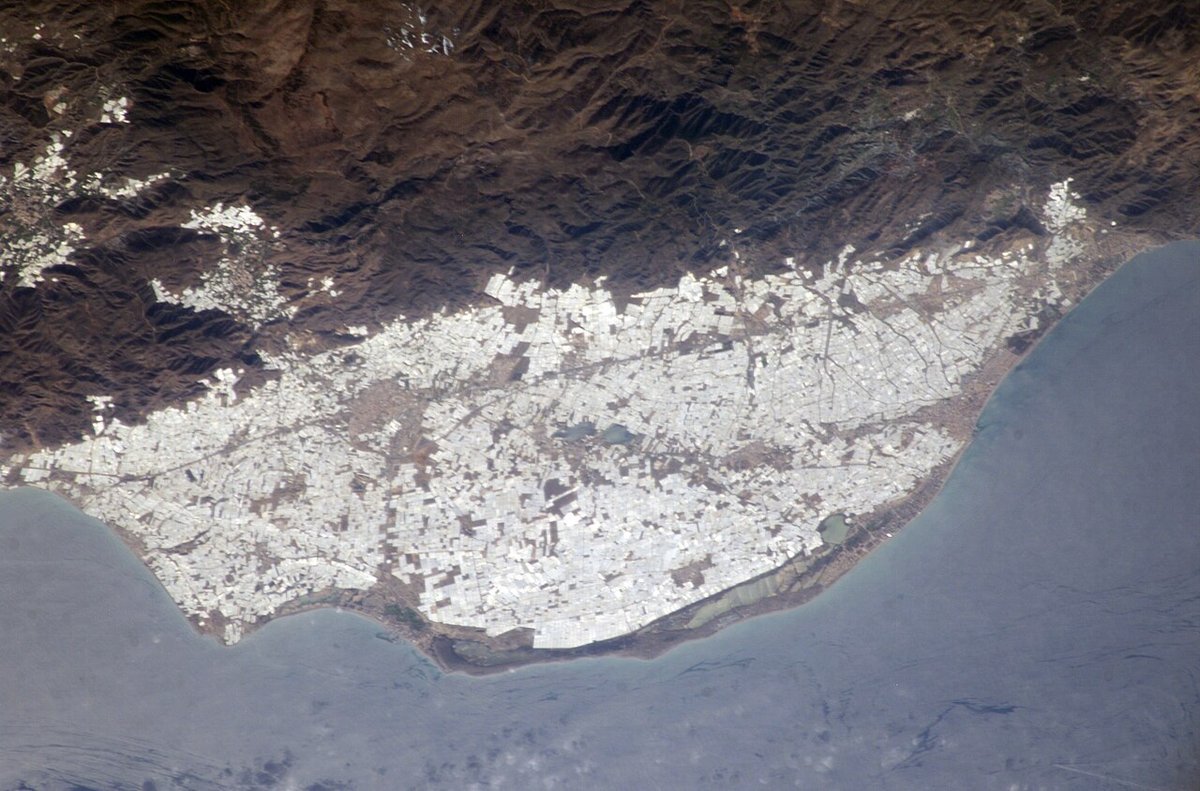
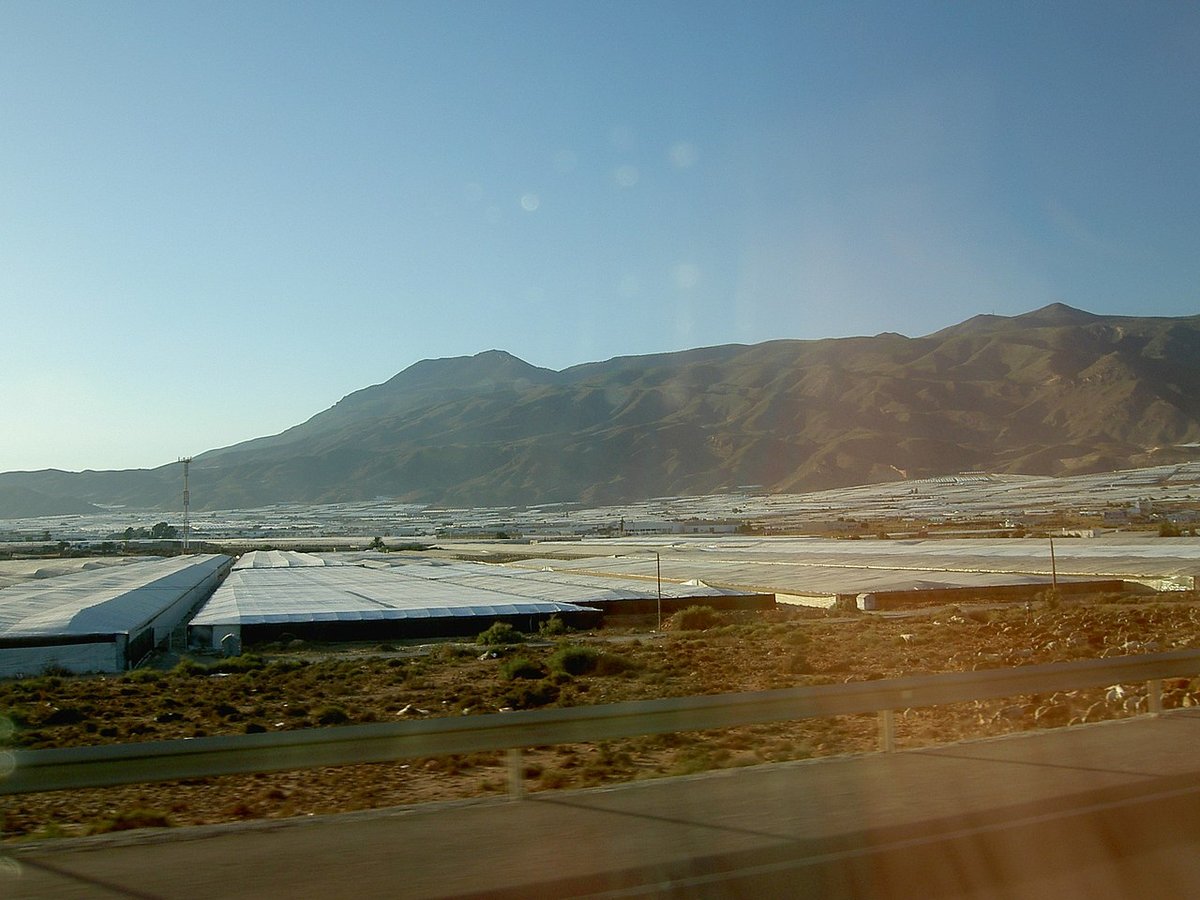
The plastic of the greenhouses glows at dawn, a low sun turning acres of polyethylene into sheets of white fire. It is a landscape that demands squinting. By eight, the scent of damp earth and ripe fruit escapes from the vents. This is the rhythm here: the vast, quiet work of the poniente before the heat sets in.
Then it all stops at the sea. The ordered rows end and the Mediterranean opens up, wide and flat. The promenade is coolest then, the sound of your own footsteps clear against the distant hum of a scooter. That duality defines Roquetas de Mar—the methodical inland world of harvest and the open, saline breath of the coast.
A watchtower by the water
The Castillo de Santa Ana is a fortification built for function, not fairy tales. Its 16th-century origins are visible in the stout, defensive tower meant to guard salt pans from pirates. Later additions gave it a more residential shape, but it never lost its martial posture.
Now it houses rotating art exhibits. The air inside is still and carries the faint, dry smell of old paper from displayed documents. Up on the terrace, the view lays everything out: the ordered marina to one side, the long line of the urban beach to the other, and behind you, the invisible expanse of greenhouses.
The pull of salt and sand
South of town, the road gives way to scrubland. The Parque Natural Punta Entinas-Sabinar is a world of low dunes, resilient junipers bent by the wind, and shallow lagoons that mirror a huge sky. The silence here is broken only by that constant wind and the call of birds.
Shade is a precious commodity. Even on a breezy day in April, the sun feels direct and heavy. Carry water. The walking paths are flat but exposed. In migration seasons, you’ll see people standing for long periods by the water's edge, watching flamingos wade through the briny shallows. Some of the beaches here remain stubbornly quiet, even in July.
Market day rhythms
A weekly market sets up in a square not far from the seafront. Trestle tables hold vegetables from just inland—tight bunches of radishes, glossy peppers—alongside boxes of silvery fish brought up from the port that morning. The air smells of fresh parsley and sea ice.
This mix is everyday life. You see it in local shops selling work boots and fishing tackle side by side. In winter, kitchens favor substantial stews with chard or beans, food for when the levante wind blows. Come mid-July, the promenade fills with nights of sardines grilling over wood fires for the Santa Ana fiestas. The procession for the Virgen del Carmen later in the summer sees an older crowd follow her statue to the harbor’s edge, a tradition that feels both public and private.
Navigating high summer
An August midday on the paseo marítimo is an exercise in heat management. The pavement radiates warmth upwards, the spaces between beach umbrellas shrink, and finding a spot that isn't in full sun requires timing.
The solution is often to shift your hours. Be at the water's edge by nine in the morning. The light is softer then, the sand still cool underfoot. Or drive south to the natural park beaches in late afternoon when most visitors have left. The water stays warm long after sunset.
The old lighthouse
The Faro de Roquetas is a retired sentinel. Its light was extinguished last century, but its solid stone tower remains. You must duck your head to pass through its low doorway into a space that always feels cool and faintly damp.
Small exhibitions are held inside now. Standing at its base in the evening, you can trace the old coastline—the rectilinear ghosts of salt flats now bordered by palm trees. When the wind picks up, whistling around the structure, you get a brief sense of its original isolation, a keeper tending his lamp for a sea that held few other lights.