Full Article
about Benalauría
White village overlooking Africa, its folk architecture untouched and home to a compelling ethnographic museum.
Hide article Read full article
First Light in the Genal Valley
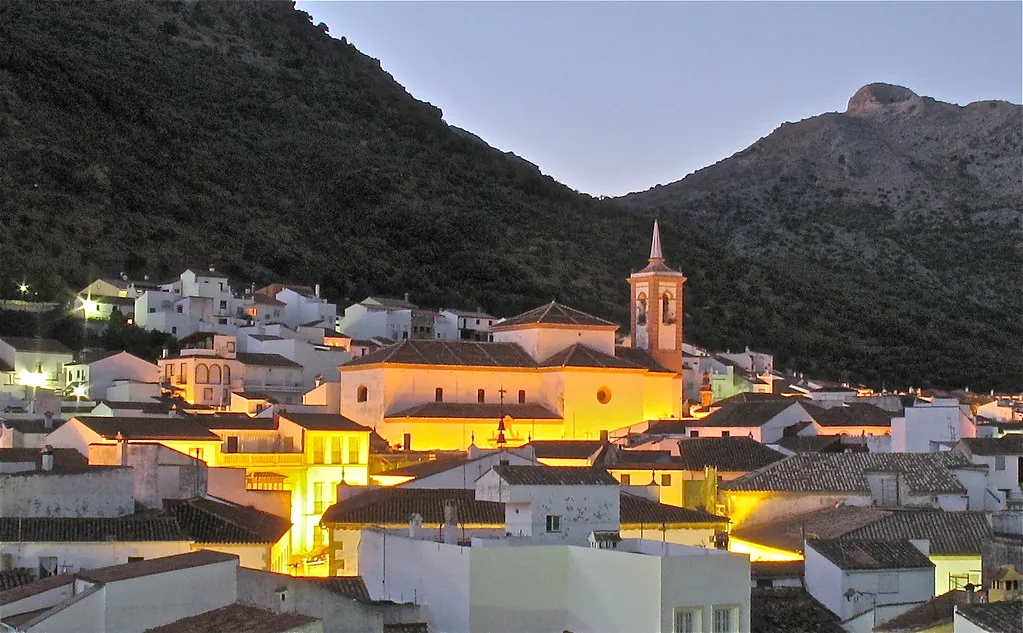
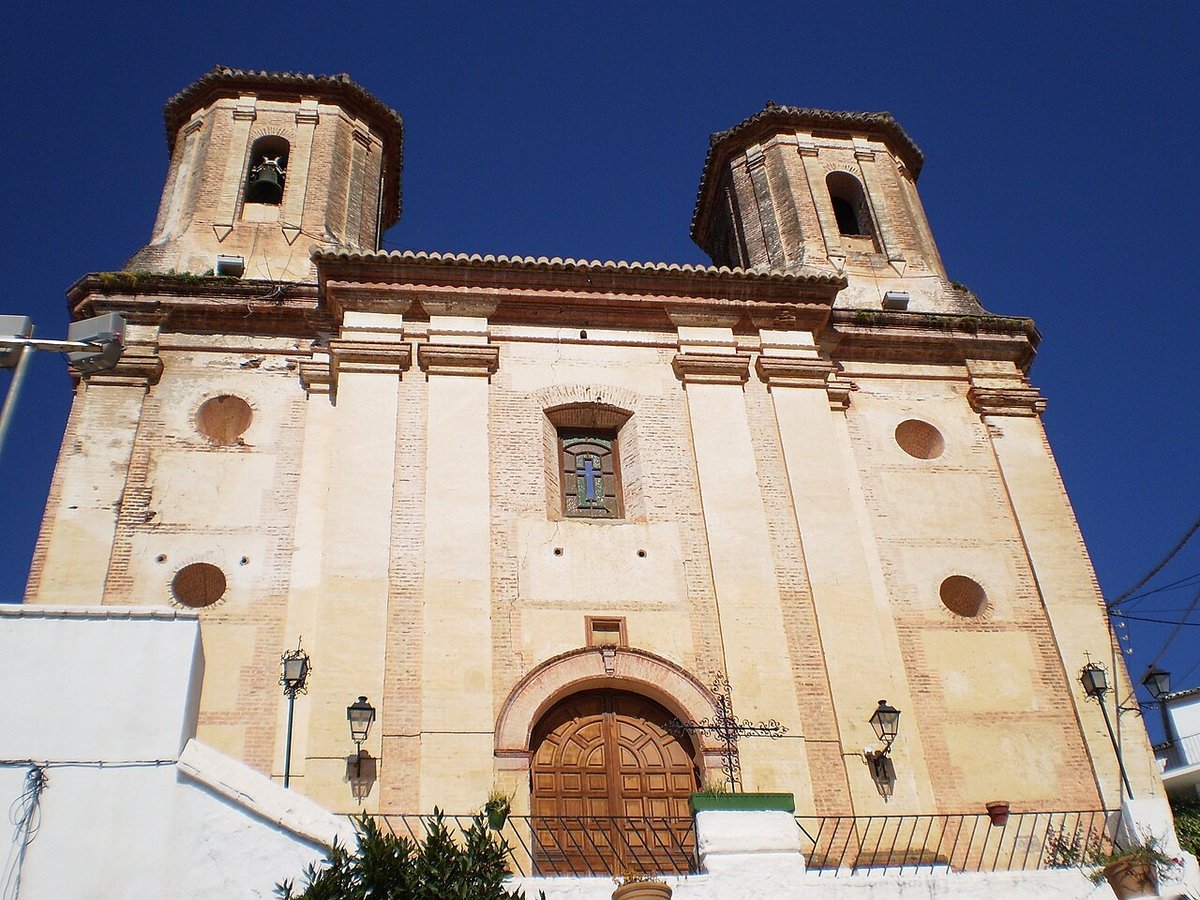
Early in the morning, before the sun clears the low hills of the Genal valley, Benalauría is a place of small, distinct sounds. Footsteps on stone carry through the quiet streets. A cockerel calls from a nearby yard. The bells of the Iglesia de Santo Domingo mark the hour, their short echo bouncing between whitewashed façades. At that time of day the air smells of damp firewood and coffee just beginning to brew in someone’s kitchen.
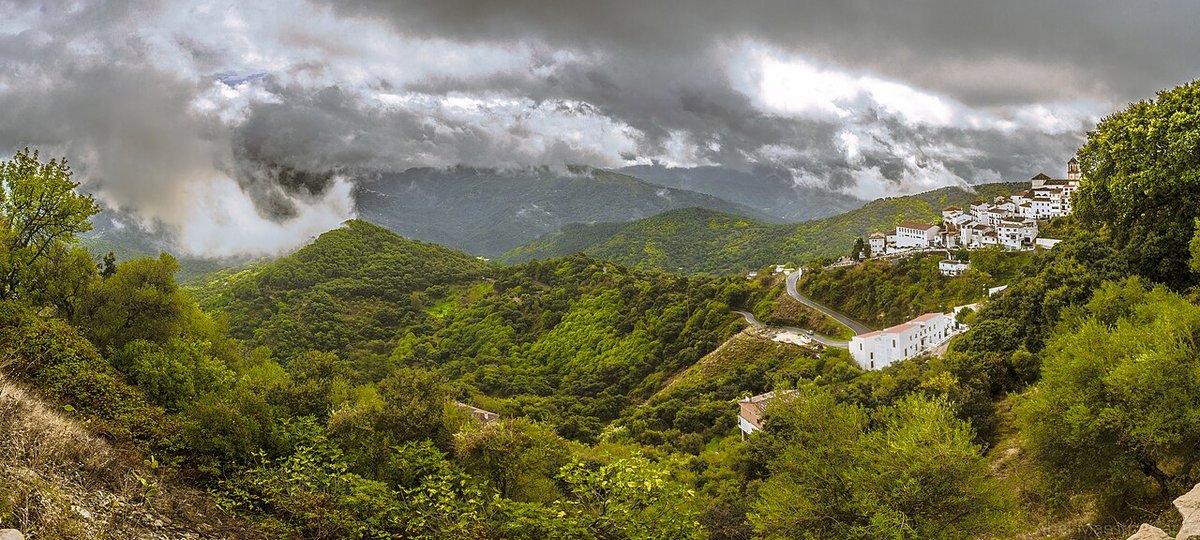
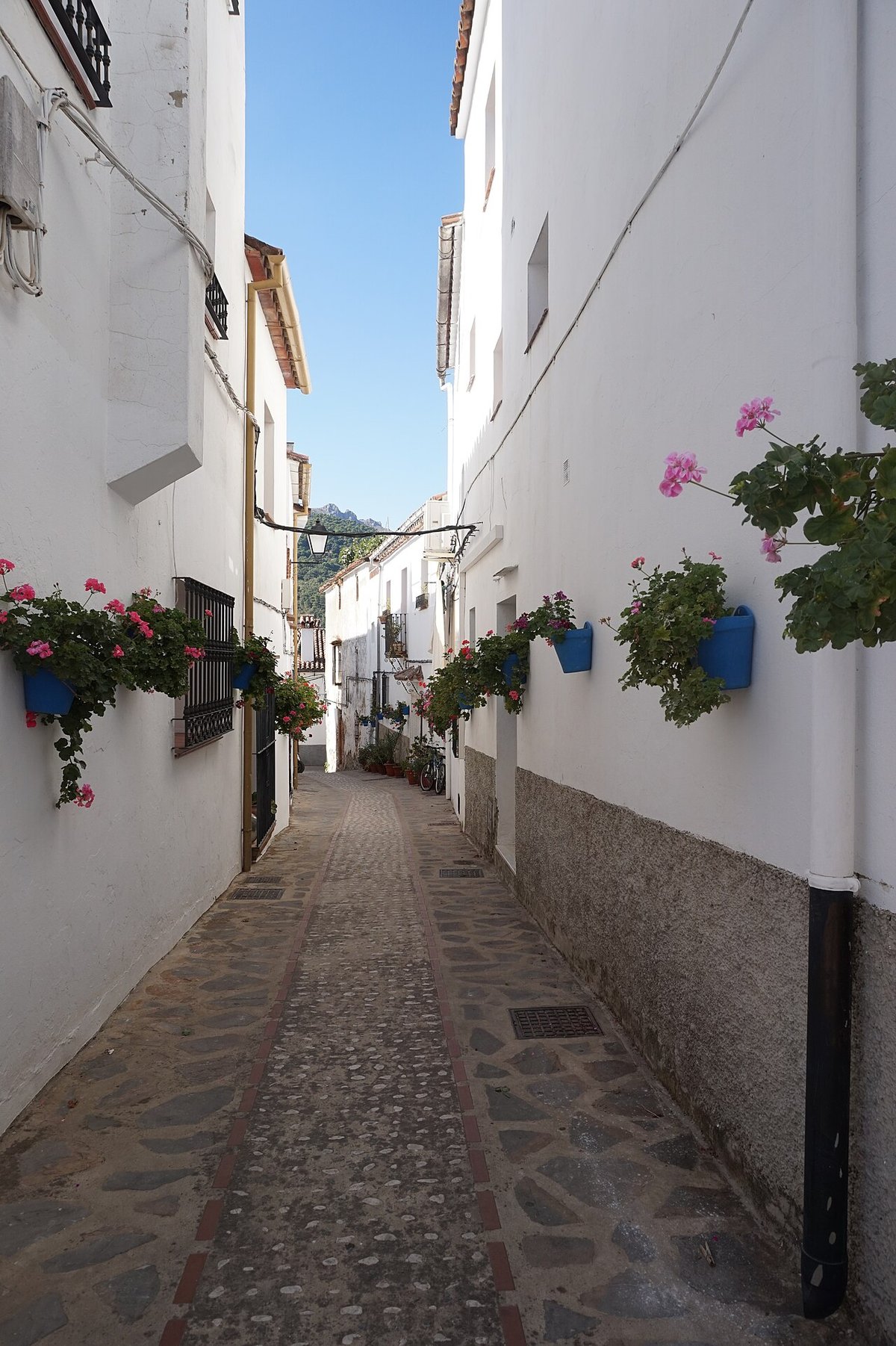
Benalauría sits on a slope in the Serranía de Ronda, a mountainous area in the province of Málaga. The village climbs the hillside rather than spreading across it. Houses, painted white and pressed close together, adapt to the incline as best they can. Cobbled streets run up and down without much apparent order, narrowing unexpectedly before opening onto small spaces.
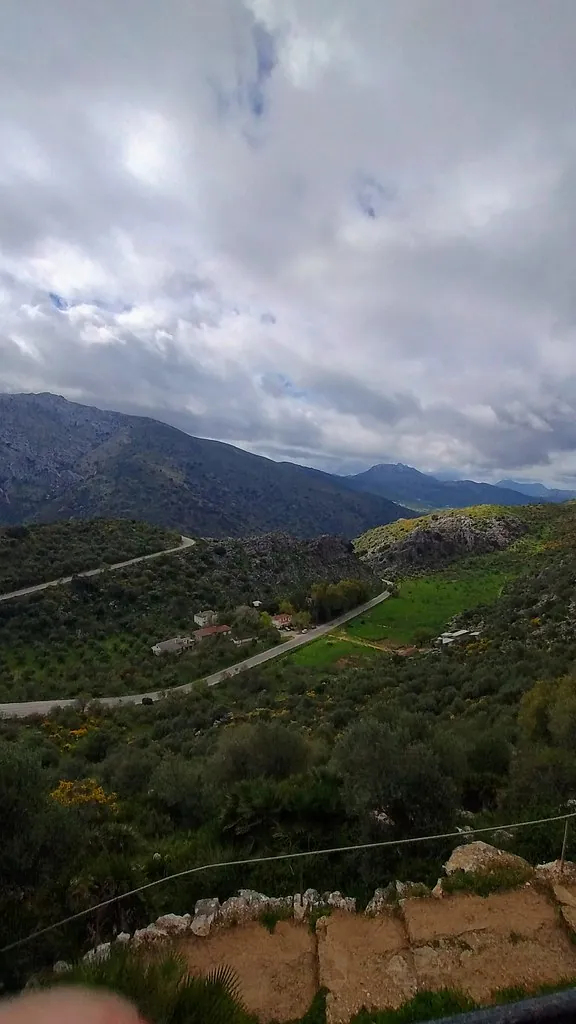
From the main square the land drops away towards the Genal valley. Chestnut trees dominate the view, mixed with holm oaks and a few cultivated terraces that are still worked. On clear days, looking north, the outline of the sierras around Ronda stands out against the sky.
It does not take long to cross the village on foot. In fifteen or twenty minutes it is possible to walk from one end to the other if there are no stops along the way. Yet Benalauría encourages a slower pace. Laundry hangs from balconies. A half-open door releases the smell of a stew. Two neighbours speak quietly on a corner. These everyday scenes reveal much about daily life here.
Views That Appear Around a Corner
Signposts are not always part of the experience in Benalauría. A simple decision to follow a steep street can lead to a small widening in the ground where the valley suddenly comes into view. There are no elaborate railings or information panels, just the edge of the village and the landscape falling away below: old chestnut trees, streams half-hidden by vegetation, slopes covered in scrub.
From these natural viewpoints the shape of the terrain becomes clear. The Genal valley is wetter than much of inland Málaga, and that difference shows in the extensive chestnut groves covering the hillsides. In autumn the colours shift quickly from dark green to ochre. Paths are carpeted with fallen leaves.
Many of the footpaths leaving the village follow old routes. Some are cobbled and once connected small farms or cortijos scattered across the valley. Good footwear is advisable. Surfaces can be uneven, and after rain the stones may be slippery.
Santo Domingo and the Village Streets
The Iglesia de Santo Domingo de Guzmán occupies one of the most visible points in the village centre. Its façade is plain, whitewashed like the surrounding houses, and the tower rises just enough to serve as a reference point when navigating the streets. Inside, there are carved wooden religious images and a simple altarpiece that matches the modest scale of the building.
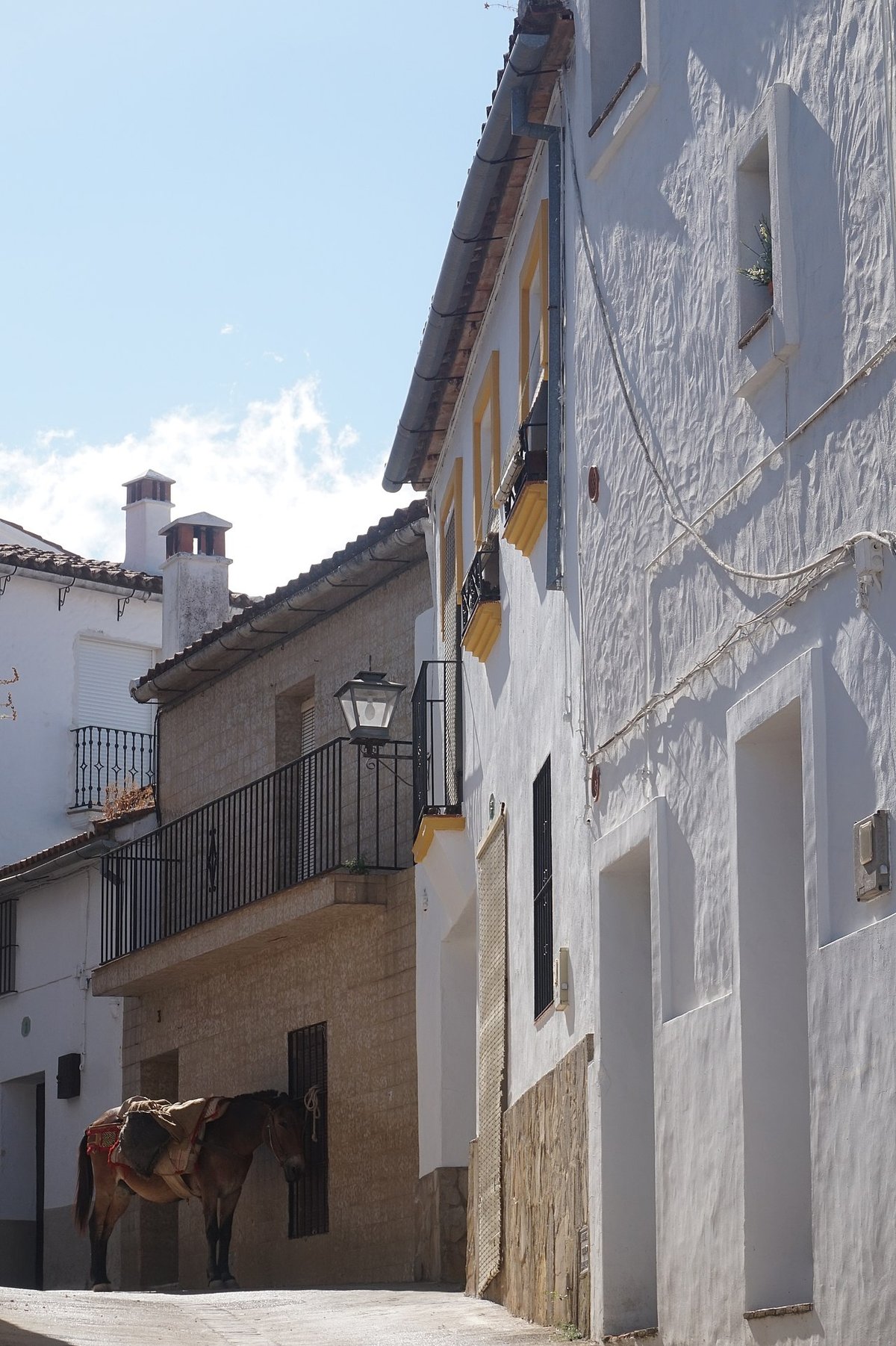
Around the church, the network of streets is narrow and steep. Many houses still have solid wooden doors, old iron grilles and interior courtyards where farming tools are kept. On some façades, old ceramic tiles remain in place. There are also small built-in benches attached to walls, the sort where neighbours sit in the evening as the heat fades.
For those arriving by car, it is usually easiest to leave the vehicle in the lower part of the village and continue on foot. The centre has pronounced slopes and very narrow streets where a car can barely pass.
A Village Shaped by the Land
Although visitors arrive at weekends, life in Benalauría continues to revolve around the countryside. The paths linking the village with Cartajima, Alpandeire and other nearby settlements have been used for generations. Livestock was moved along them. Chestnuts were carried back in season. Small vegetable plots scattered across the valley were reached on foot.
Chestnuts still matter here. In autumn it is common to see sacks piled up in doorways or people working in the groves on the hillsides. Winter brings another long-standing practice found across many villages in the Serranía: preparing pork products at home.
Home cooking follows the same rhythm. Hearty stews appear when the weather turns cool. Seasonal vegetables are used according to what the land provides. In some houses, cured meats are still made in the traditional way.
The Road to Benalauría
From the city of Málaga, the journey is around one hundred kilometres. The final stretch runs along mountain roads. The usual route passes through Ronda, then continues along a regional road descending towards the Genal valley. The roads are narrow and winding, so a steady pace is sensible.
Within a short distance the landscape changes noticeably. The more open sierras around Ronda give way to a wetter valley with chestnut trees, cork oaks and denser patches of woodland. In winter, low mist sometimes settles between the hills in the early hours.
Quiet Festivities
Benalauría does not host large-scale celebrations. The festivities in honour of Santo Domingo normally take place in August and are centred mainly on local residents and families with roots in the village. For a few days the square becomes the focal point, with music, long conversations and children running between tables.
In September, activities are sometimes organised around local produce, particularly the chestnut, which is one of the symbols of the area.
Benalauría is not defined by major attractions or busy itineraries. Its character lies in its scale, its slopes and its connection to the Genal valley. A short walk is enough to understand its layout, yet the slower details, the rhythm of the streets and the seasonal changes in the surrounding hills, are what tend to stay in the memory.