Full Article
about Benaoján
Municipality known for its meat industry and home to the Cueva del Gato and Cueva de la Pileta with cave art.
Ocultar artículo Leer artículo completo
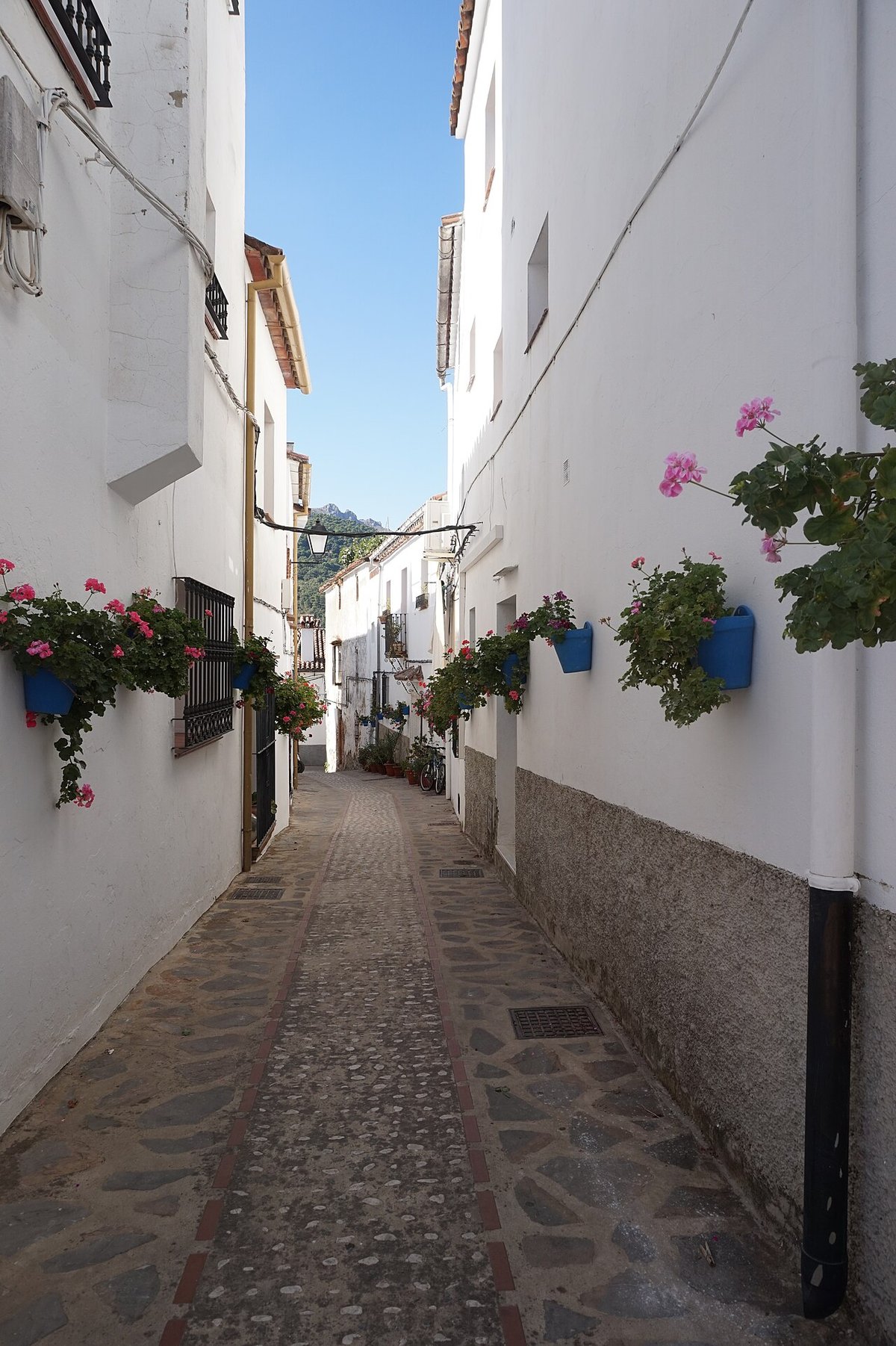
The morning train from Ronda pulls into Benaoján Estación at 9:23, depositing three hikers, two locals, and a dog onto the platform. Four kilometres uphill, the village of Benaoján proper wakes to the sound of church bells and the smell of woodsmoke drifting between whitewashed houses. This is Andalucía's split personality writ small: a working railway halt in the valley, a medieval mountain village above, connected by a winding road that separates the practical from the poetic.
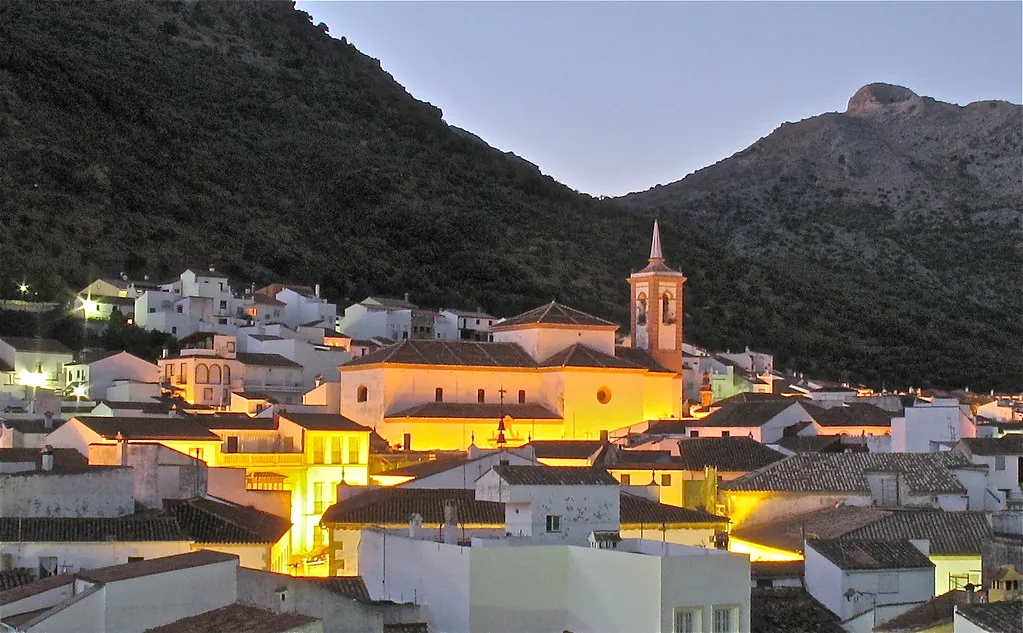
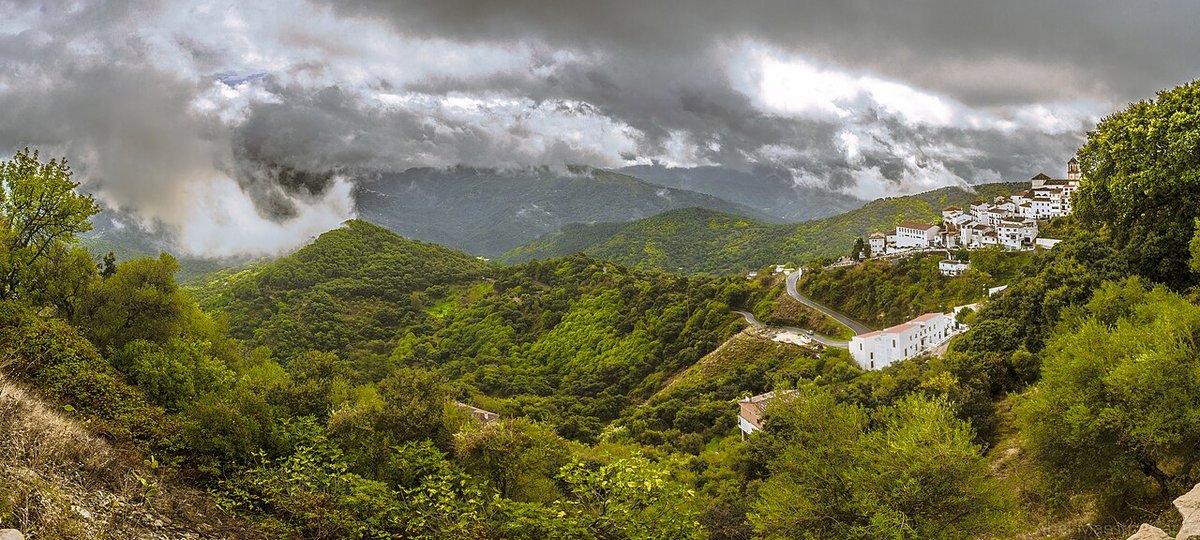
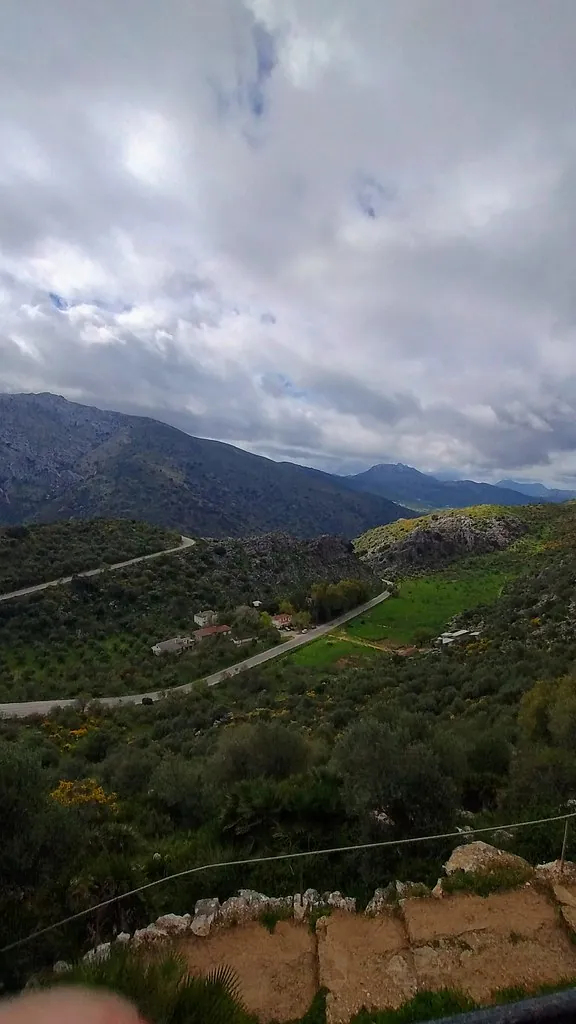
At 524 metres above sea level, Benaoján sits where the Guadiaro River has carved a corridor through limestone peaks. The village clings to the southern slope of Monte Tavizna, its houses arranged like white dice thrown against green felt. It's the kind of place where directions involve "turn left at the old washing place" and where the bakery opens when the bread's ready, not when the clock says so.
The Upper Village: Where Time Collapsed
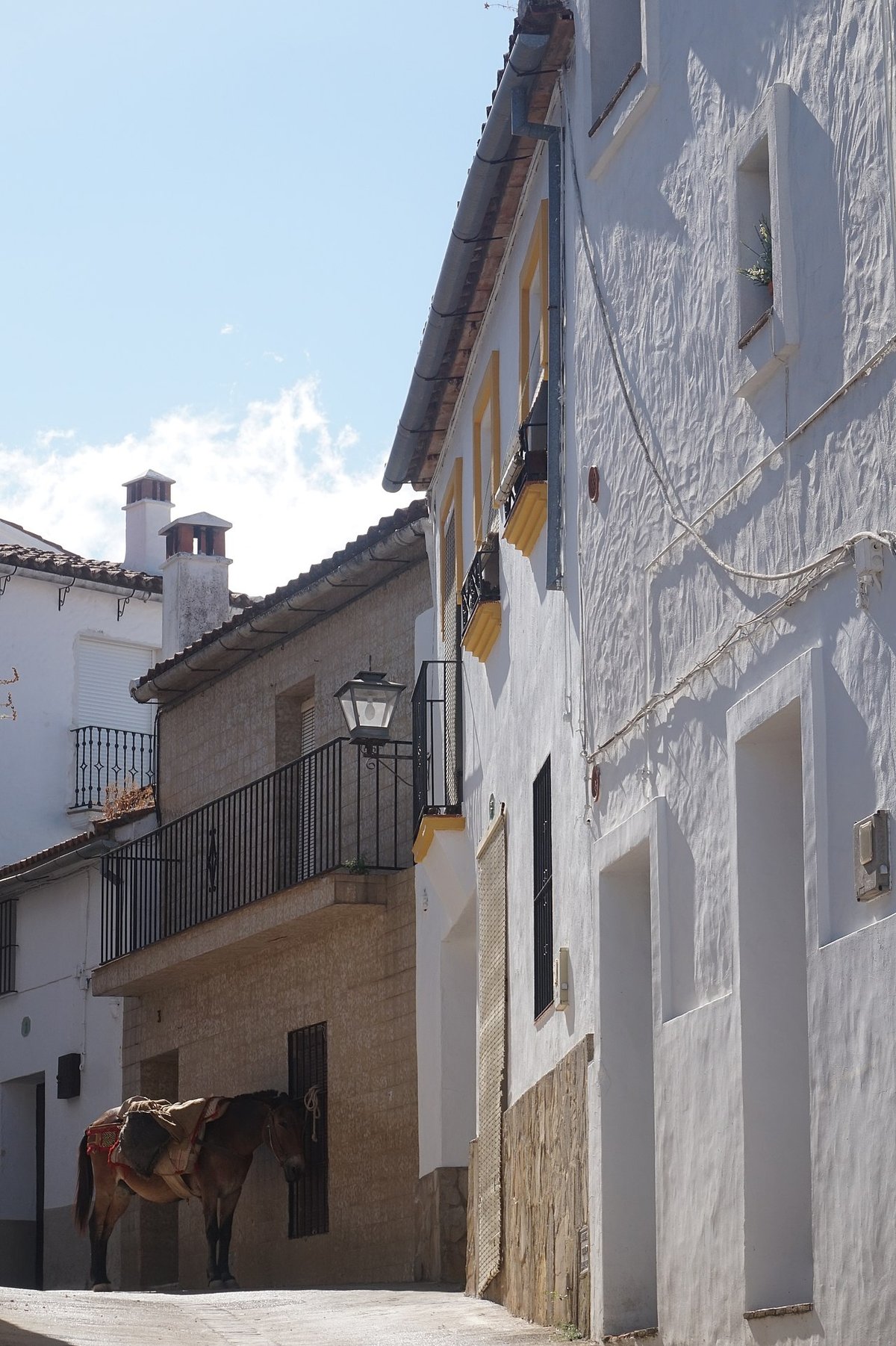
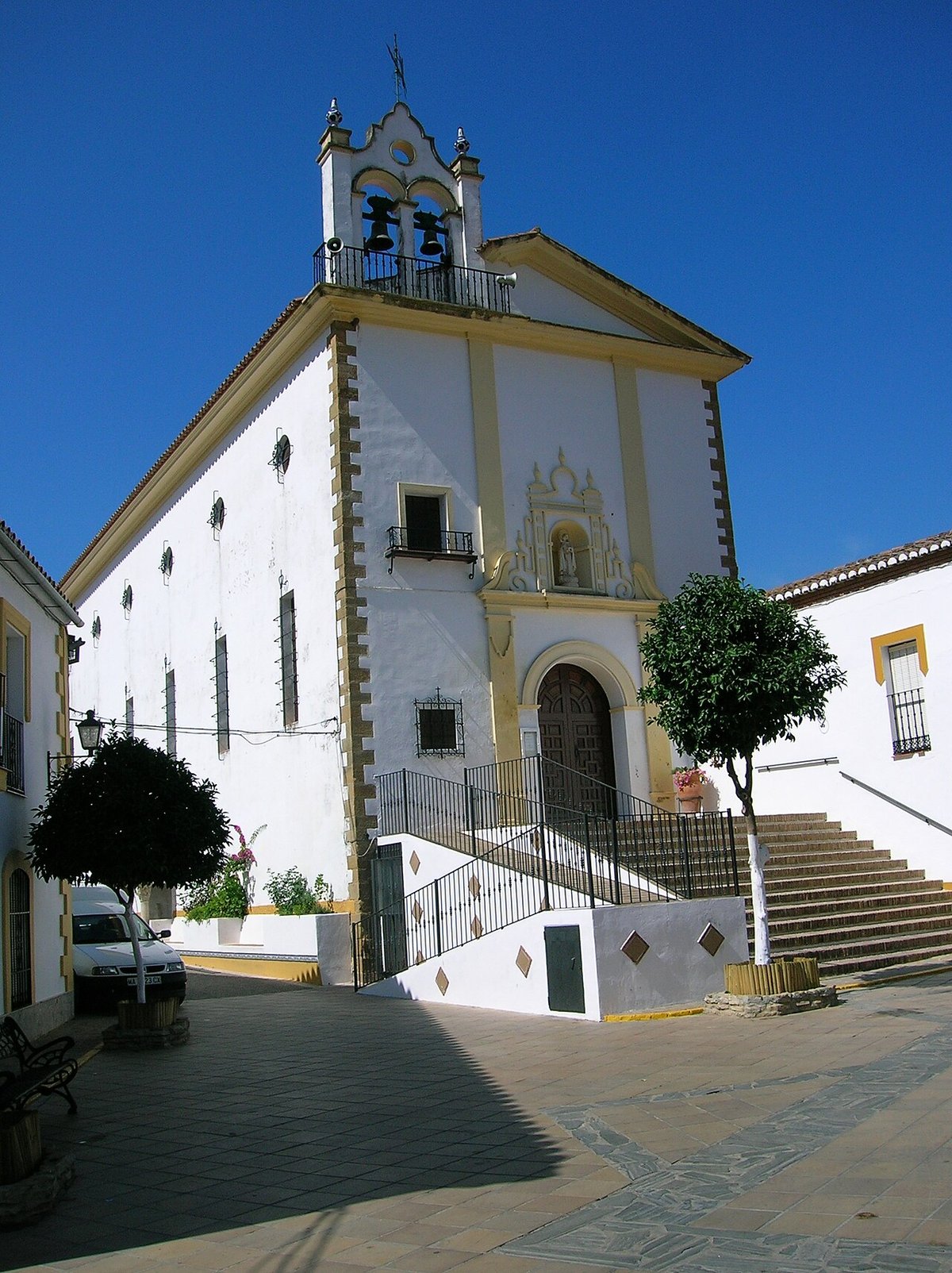
Callejón de la Cruz climbs past houses whose doorways barely clear a tall man's head. The streets—some only shoulder-width—were designed for donkeys, not Renaults. Here, 1,437 souls live in a space that London would call a medium-sized roundabout. The sixteenth-century church of Nuestra Señora del Rosario squats at the summit, its Mudejar tower visible for miles, a landmark for walkers who've lost the path in the olive groves below.
Inside, the church smells of beeswax and centuries. The single-nave interior carries the weight of small-village faith: no grandeur, just endurance. The wooden ceiling, restored in 2002 after a storm tore through, bears the scars of mountain weather that can turn from benign to brutal in the time it takes to drink a coffee. That ceiling has seen everything: the 1755 Lisbon earthquake that cracked the bell tower, the Civil War when the priest hid republican documents beneath the altar stones, the Sunday when half the village turned out to protest the proposed quarry that would have scarred the northern escarpment.
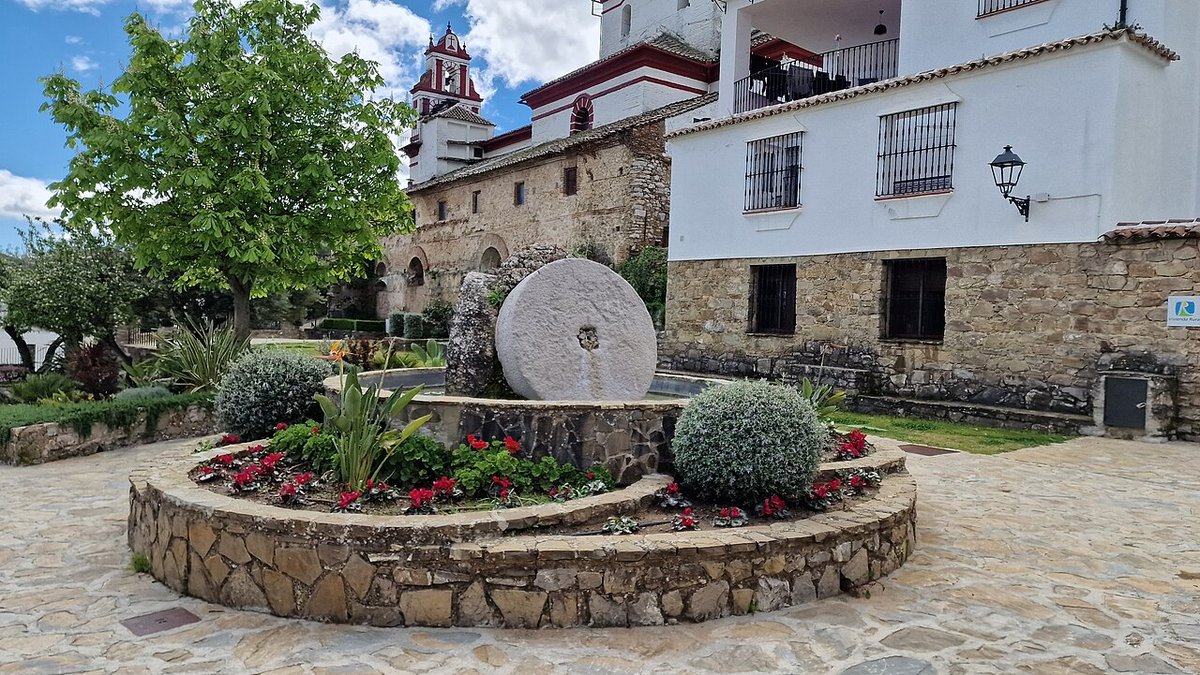
The Casa de la Cultura occupies what was once the village inn, where muleteers stopped on the road between Ronda and the coast. Its courtyard still holds the original stone trough, now filled with geraniums rather than drinking water for pack animals. On Tuesday evenings, the local association meets here to practice verdiales, the mountain music that predates flamenco. Visitors are welcome, though clapping along requires practice—the rhythm shifts in ways that catch out even seasoned musicians.
The Lower Settlement: Industry and Antiquity
Down at the station, life moves faster. The Estación area—four bars, a small supermarket, and the Molino del Santo hotel—serves the railway line that still connects Algeciras with Ronda. Freight trains rumble through at night, carrying limestone from the quarries beyond Gaucín. The 36-kilometre Vía Verde de la Sierra, converted from an abandoned railway, starts here, following the river through tunnels and across viaducts built by British engineers in 1892.
Three kilometres upstream lies the Cueva de la Pileta, where Upper Palaeolithic artists painted bison and fish more than 20,000 years ago. The cave's keeper, a descendant of the man who rediscovered the paintings in 1905, conducts tours by lamplight, pointing out the natural rock formation that resembles a pregnant mare—perhaps the reason our ancestors chose this particular chamber for their art. Photography is forbidden; the paintings are too fragile for flash or even extended exposure to electric light. Booking is essential—only twenty visitors per tour, and tours run only when enough people have gathered to make the descent worthwhile.
The cave maintains a constant 16°C, welcome relief in August when valley temperatures top 40°C. Outside, griffon vultures ride thermals above the limestone cliffs, their wings catching sunlight as they scan for carrion among the holm oaks and cork trees that cloak the lower slopes.
Walking the Boundaries
Spring arrives late at this altitude. March brings wild irises and the first swallowtail butterflies; April carpets the meadows with poppies and wild asparagus that locals collect for omelettes. The GR-7 long-distance path passes through the village, connecting Greece with Gibraltar via 3,000 kilometres of mountain trail. Most walkers content themselves with shorter circuits: the six-kilometre loop to the abandoned Cortijo de Libar, or the riverside walk to Montejaque, Benaoján's slightly larger neighbour.
Proper boots are essential. The limestone karst eats trainers for breakfast, and the path to the cave involves a 200-metre descent that turns knees to jelly. Winter brings its own challenges: north winds can drop temperatures below freezing, and the road to the village becomes entertainingly exciting when ice glazes the hairpin bends. Snow falls perhaps once every three years, sending children sledging on tray bottoms while their grandparents recall the legendary winter of '54 when drifts reached the first-floor windows.
Summer walking starts before dawn. By 10:00, the sun has authority over the valley, and sensible people retreat to bar terraces where grape vines provide natural air conditioning. The afternoon siesta isn't laziness—it's survival strategy. Activity resumes around 6:00, when the sun slips behind Montejaque and the temperature drops ten degrees in as many minutes.
What You'll Eat and Where You'll Sleep
The village supports three bars, though which three depends on the season and the owners' enthusiasm. All serve variations on mountain cooking: chickpea and chestnut stews in winter, cold almond soup in summer, year-round plates of payoyo cheese and cured meats from pigs that lived on acorns and mountain herbs. The local wine comes from vineyards around Ronda, where Bordeaux varieties thrive at 900 metres—tempranillo with the structure to stand up to goat stew and the altitude to retain acidity that cuts through rich food.
Molino del Santo, the converted water mill by the railway, offers the area's most sophisticated cooking. Dinner might start with salmorejo topped by quail's egg and jamón, move through local trout with almonds, finish with chestnut mousse and PX sherry. Rooms start at €120 in low season, rising to €180 when the wildflowers peak. Each has its own terrace overlooking the river; the sound of water tumbling over the mill race provides nature's white noise machine.
Up in the village, simpler accommodation exists in houses that rent rooms to walkers. Expect shared bathrooms, breakfast that includes cake because this is Andalucía, and conversation with hosts who've lived here since before tourism was invented. These places don't appear on booking sites; ask at the bakery, where Mercedes keeps a mental list of who's renting to whom.
The Practical Reality
You'll need a car. Public transport exists—a daily bus from Ronda except Sundays, trains that connect with larger towns—but timetables assume you have nowhere particular to be and all day to get there. The nearest supermarket of any size is in Ronda, twenty-five minutes away on roads that demand full attention. Mobile phone coverage is patchy; Vodafone works on the church steps, Movistar requires a walk to the cemetery, Orange only functions at the petrol station which opens when José feels like it.
October brings the fiesta patronal, when the population triples and the village square hosts flamenco competitions that continue until the Guardia Civil suggest everyone go home. August sees cultural nights that might include anything from folk music to demonstrations of traditional bread-making. These aren't staged for tourists—they're the village entertaining itself, happy for visitors to watch but not requiring their participation or approval.
Come in late April if you can. The countryside glows green from spring rains, wildflowers create impressionist meadows, and temperatures hover around 20°C—perfect for walking without arriving at your destination drenched in sweat. The bars set tables outside again after winter, and the evening light turns the white walls golden as swifts scream overhead on their way to Africa.
Benaoján doesn't do spectacular. It does authentic, stubborn, quietly magnificent. It's a place where the modern world arrived late and may leave early, where the mountain and the railway created an accidental balance between isolation and connection. Stay three days minimum: one to arrive and recover from the drive, one to explore the cave and walk the river, one to sit in the square and understand why some people choose to live at the end of a road that leads nowhere in particular, everywhere that matters.