Full Article
about Benarrabá
A village clinging to the slope of the Genal valley, its houses whitewashed, its craft and food traditions strong.
Hide article Read full article
Early in the morning, before the sun clears the low hills of the Valle del Genal, Benarrabá is almost silent. A door opens. A shutter drops with a dry thud. A car starts and rolls downhill. Tourism in Benarrabá begins at this pace, unhurried, with light brushing whitewashed walls and cool air drifting down from the sierra.
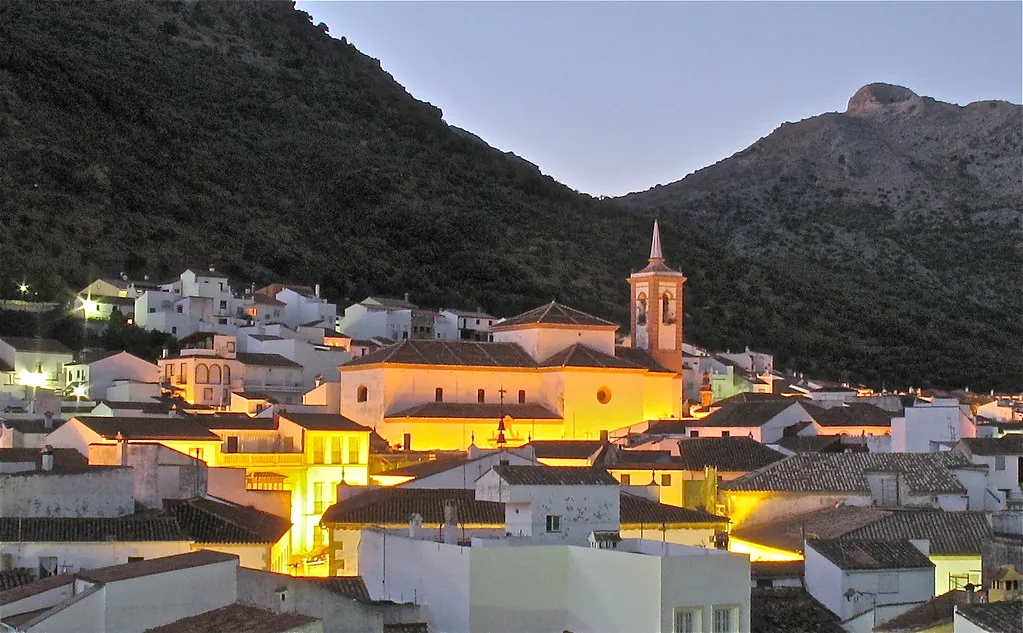
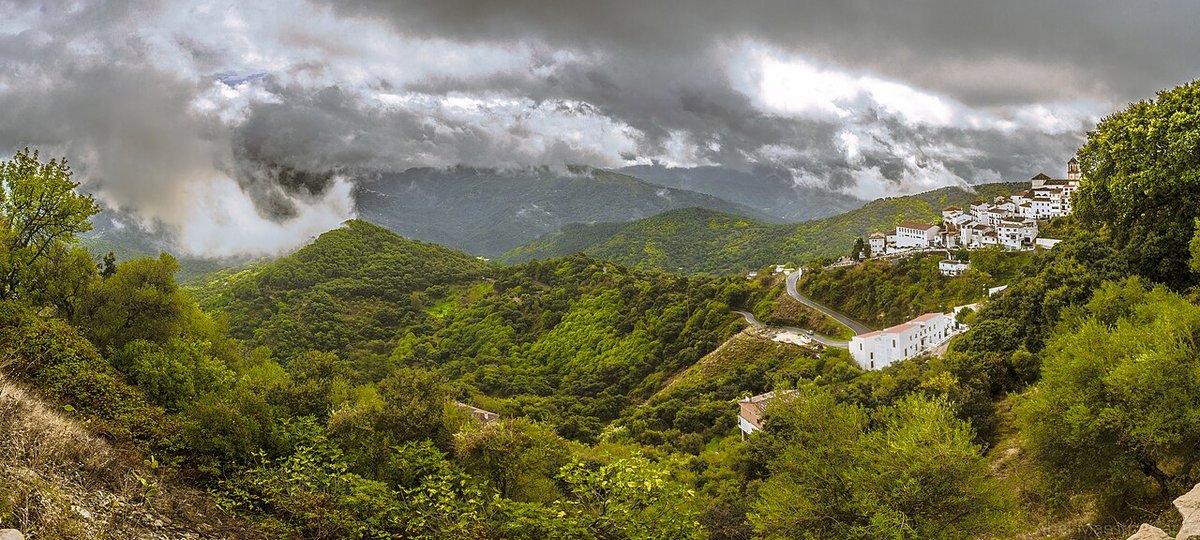
The village sits halfway up the valley in the Serranía de Ronda, home to just under five hundred people. It does not feel designed for rushing. Streets twist, climb and dip, often forcing a pause to get your bearings or simply to look at the landscape that appears between two houses.
Through the old quarter
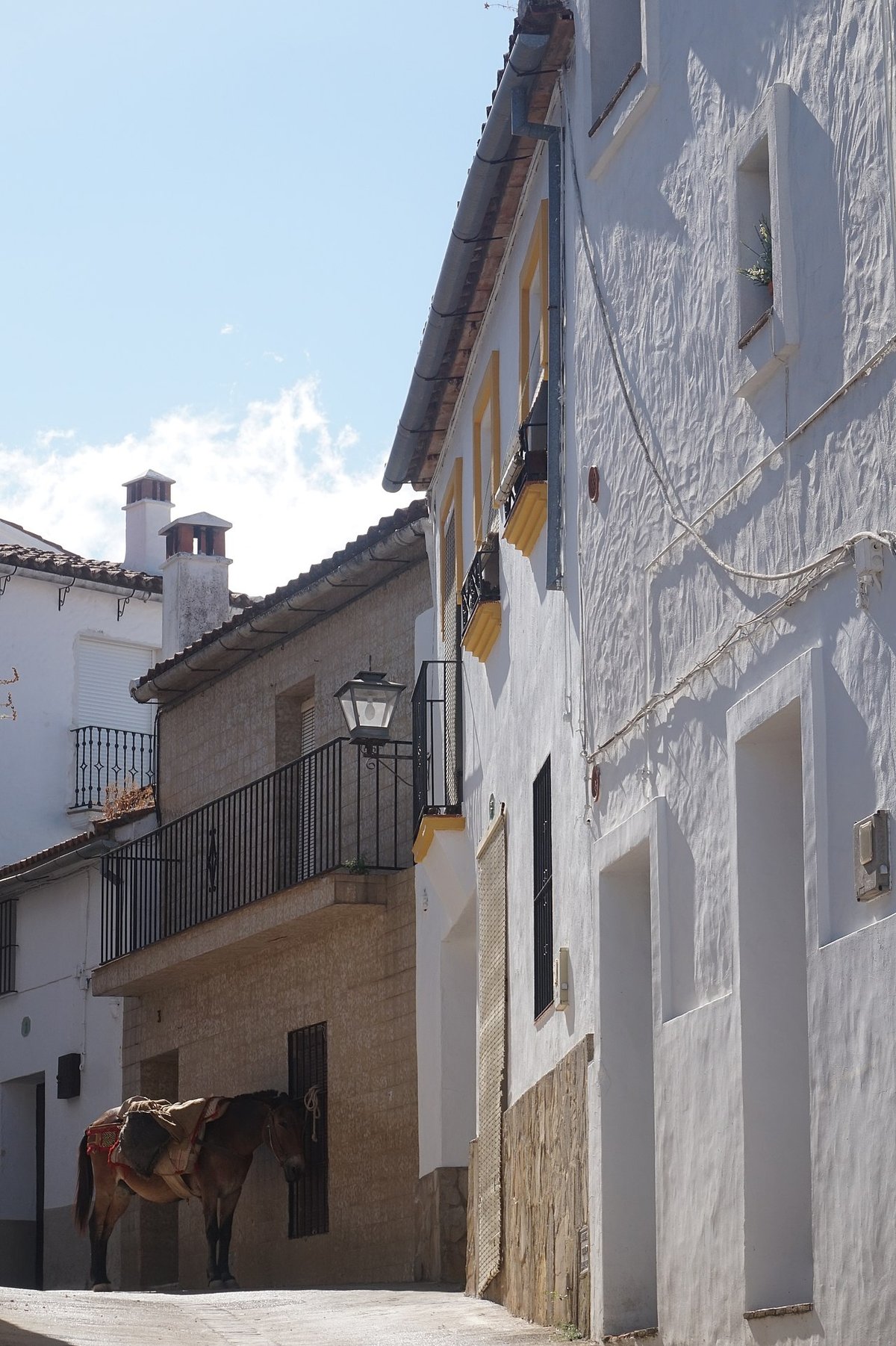
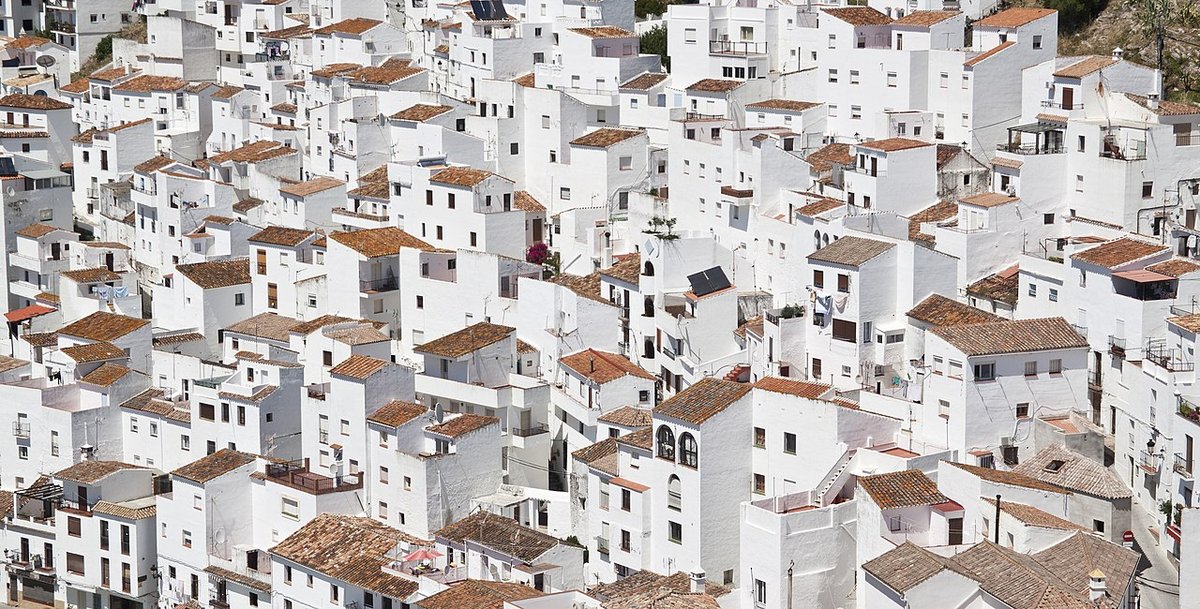
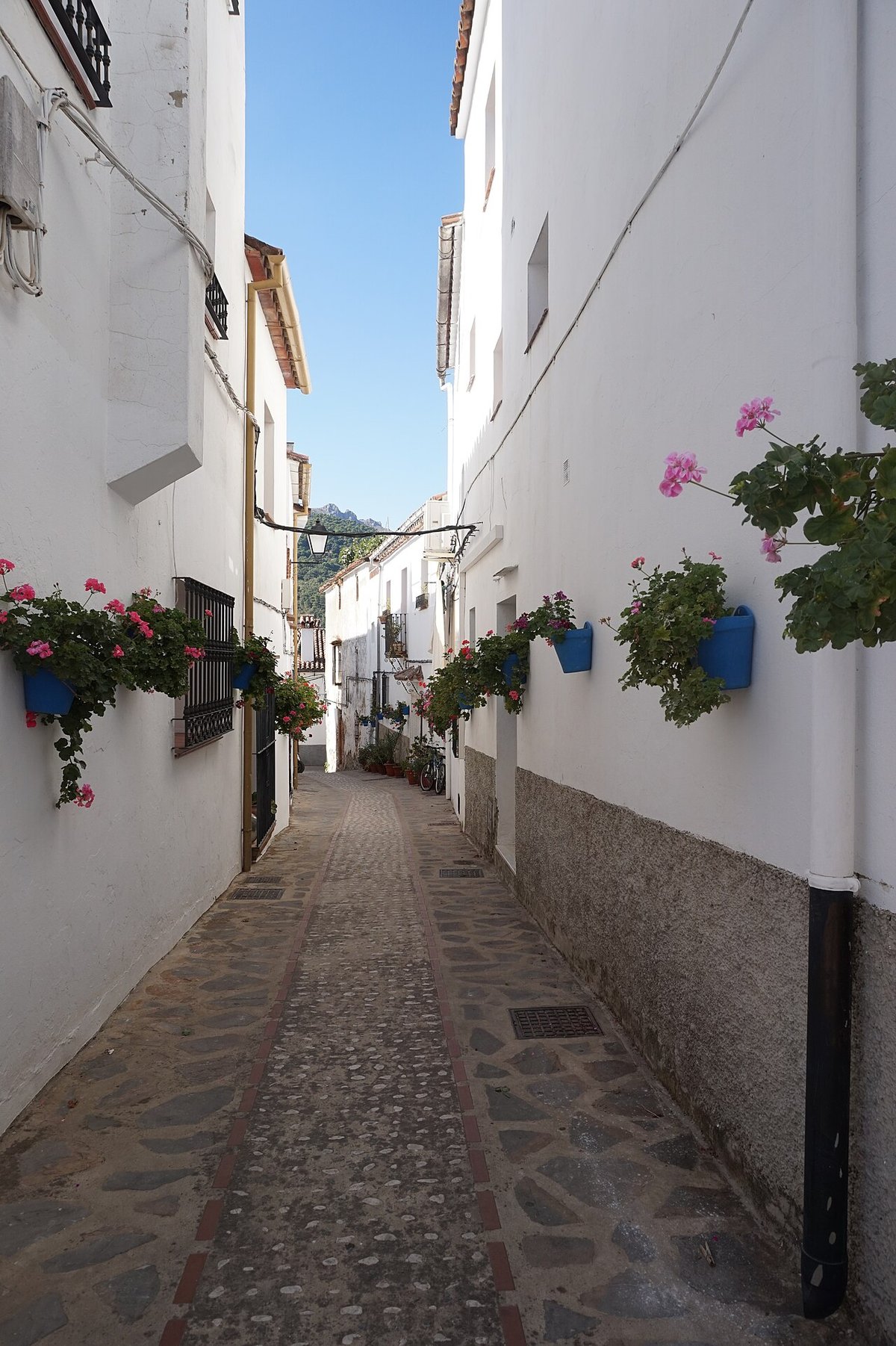
The centre is easy to explore without a map. Cobbled lanes wind between one- and two-storey houses. At midday the white façades reflect the light sharply. Later on, long shadows fill the streets and the roof tiles darken in tone.
Many of the doors are old wood. Window grilles show the worked iron typical across the Serranía. At times a television can be heard inside a house, or the clatter of plates from a kitchen.
Plaza de la Constitución acts as the village meeting point. By mid-morning neighbours are often talking on the benches, children run across the square, and someone passes through carrying shopping bags. It is not monumental. It is simply where daily life slows for a while.
Iglesia de San Sebastián and the past
On one of the main streets stands the Iglesia de San Sebastián. The current building took shape after several reforms over the centuries, built on a Mudéjar base. From the outside it appears restrained, almost austere.
Inside, dark wood dominates and soft light filters through the windows. At certain hours in the morning the interior is lit from the side, making the reliefs and details of the altarpiece easier to notice. It is best to go early in the day, as it is not always open in the afternoon.
The church forms part of the quiet rhythm of the village. There are no grand gestures in its exterior, just solid walls and simple lines that match the scale of the surrounding streets.
Views over the Valle del Genal
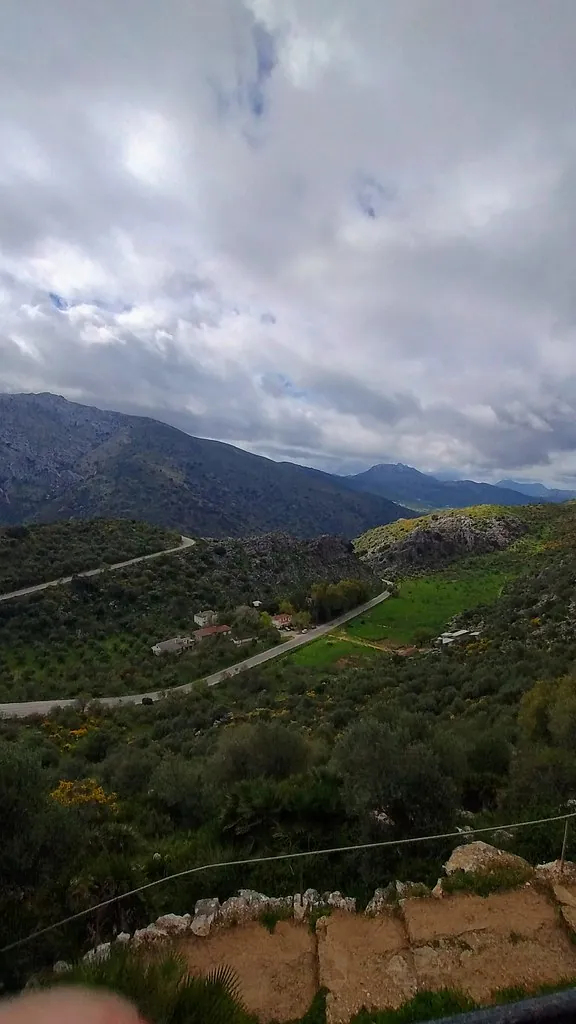
Some streets end in small, natural viewpoints. They are not always signposted. Follow a slope that seems to lead nowhere and suddenly the whole valley opens up.
From these spots you can make out agricultural terraces, narrow paths and dense patches of chestnut trees. In autumn those trees alter the colour of the valley. Dark green gives way to ochres and yellows within a few weeks.
On clear days the surrounding sierras close the horizon on all sides. The landscape has been shaped over generations. Terraces, footpaths and small cortijos are scattered across the hillsides.
The effect changes with the season. Autumn is especially noticeable because the tones shift week by week. Even so, the structure of the valley remains constant: cultivated slopes, wooded areas and the routes that connect one settlement to another.
Paths towards neighbouring villages
Several traditional paths leave Benarrabá and link it with other villages in the Genal. Some descend towards the more humid parts of the valley. Others climb hillsides covered in holm oaks and cork oaks.
Walking here feels uneven. There are stretches of deep shade followed by sections fully exposed to the sun. Slopes can be deceptive. What seems a gentle descent from the village may require a steady climb on the way back.
Anyone planning to walk in the hotter months should set out early. In summer the sun becomes intense from midday onwards, although the air cools again towards evening. Conditions vary with height and exposure, and the terrain demands a measured pace rather than speed.
These paths reflect older ways of moving through the valley. They connect cultivated land, wooded areas and small buildings dispersed across the countryside. The experience is less about reaching a specific point and more about noticing how the land rises and falls.
Food and everyday life
Local cooking still revolves around what is produced nearby. Olive oil from the area, goat’s cheeses and hearty spoon dishes appear especially when the weather turns cold.
In many homes migas are prepared, a traditional dish based on breadcrumbs, along with simple stews tied to mountain traditions. Conversations often end up circling back to the chestnut harvest or the condition of the countryside that year.
Food here is part of daily routine rather than display. It follows the seasons and the pace of agricultural work. Chestnuts, in particular, shape both the landscape and the table, especially in autumn when the valley changes colour.
When to come and how to get here
The usual access from the coast follows roads that narrow as they enter the Serranía de Ronda. The final kilometres involve gentle bends through scrubland and chestnut trees. The drive calls for patience.
Spring and autumn are generally the most pleasant times to explore the valley. In autumn the landscape alters week by week as the chestnut trees change colour. Summer brings strong daytime heat, though nights tend to cool down. Winter has cold, very clear days, and the village is noticeably quieter.
Benarrabá does not present itself with grand attractions or busy schedules. Its appeal lies in its scale, its position above the Valle del Genal and the way daily life unfolds in its streets and square. Arriving without haste makes a difference. The village reveals itself in fragments: a shaded lane, a view over terraces, the sound of a door closing at the start of the day.