Full Article
about Gaucín
Balcony of the Serranía with views over Gibraltar and Africa, drawing international artists for its beauty.
Ocultar artículo Leer artículo completo
At 626 metres, Gaucín sits high enough that the Mediterranean often appears as a distant silver ribbon, and on very clear evenings the Rif Mountains of Morocco seem close enough to touch. This is not a village that clings to anything – it surveys, it watches, it has done so since the tenth-century Castillo del Águila kept guard over the Strait.
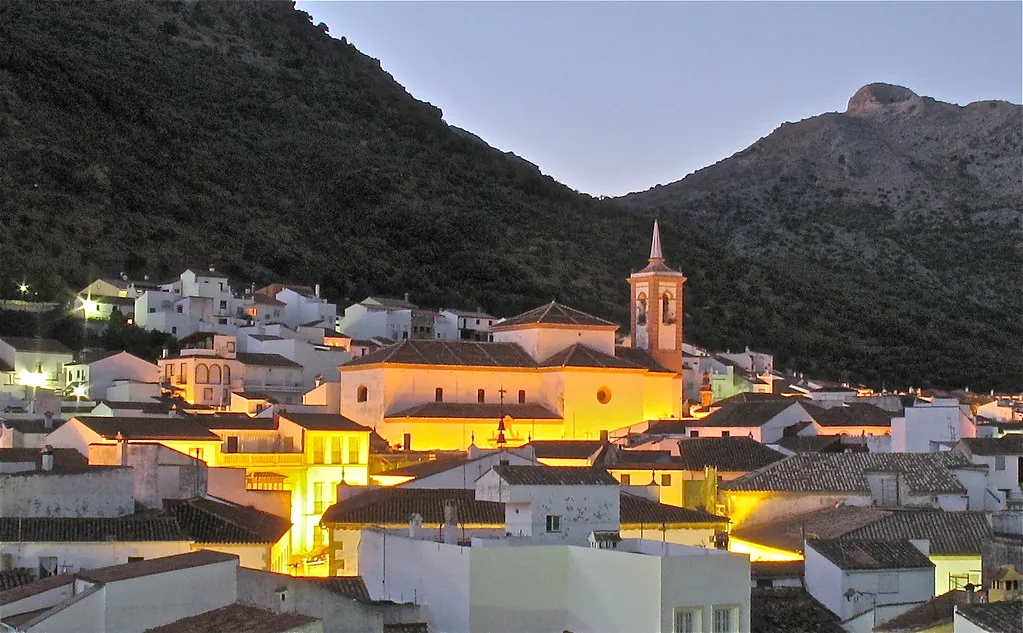
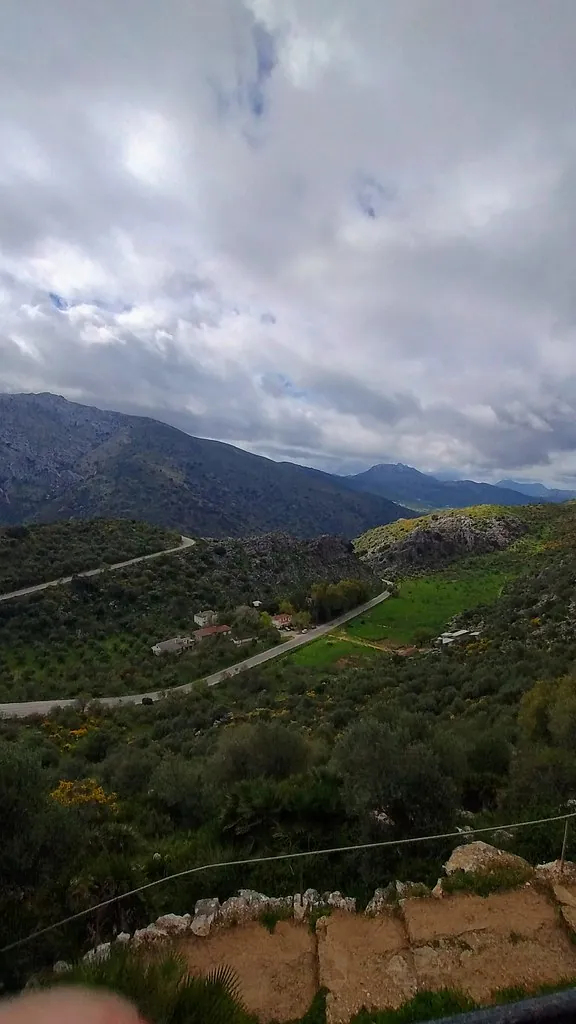
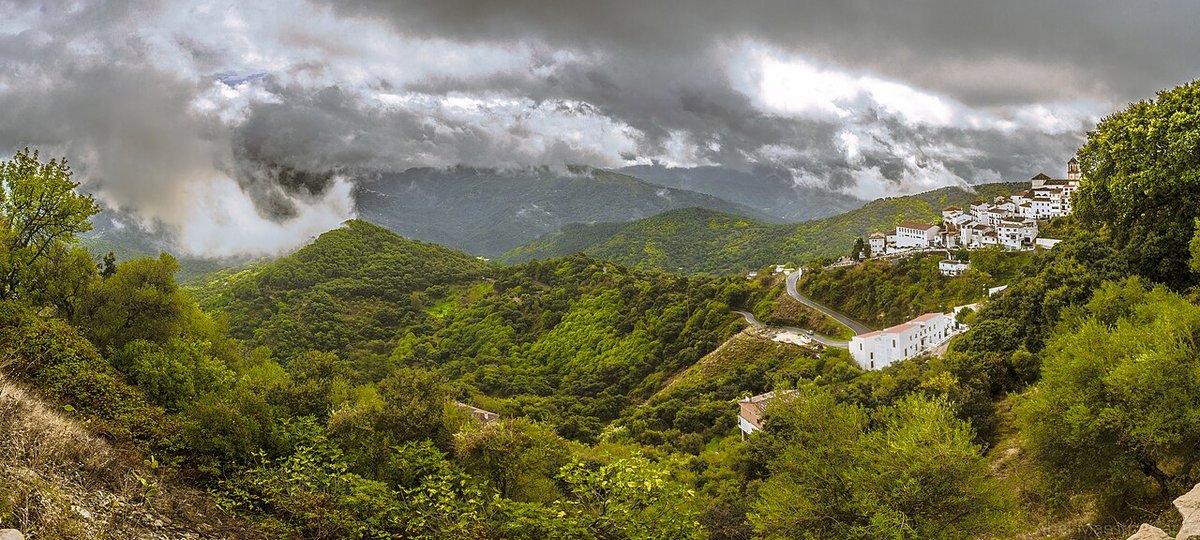
Drive up from the A-377 and the first thing you notice is the drop in temperature. Even in August the breeze carries the scent of thyme and warm pine rather than sun-cream and chips. Hire cars from Málaga airport – essential, because public transport dribbles to a halt at the foot of the sierra – nose along switchbacks for ninety minutes before the road flattens onto a ridge and white houses appear, stacked like sugar cubes against the rock.
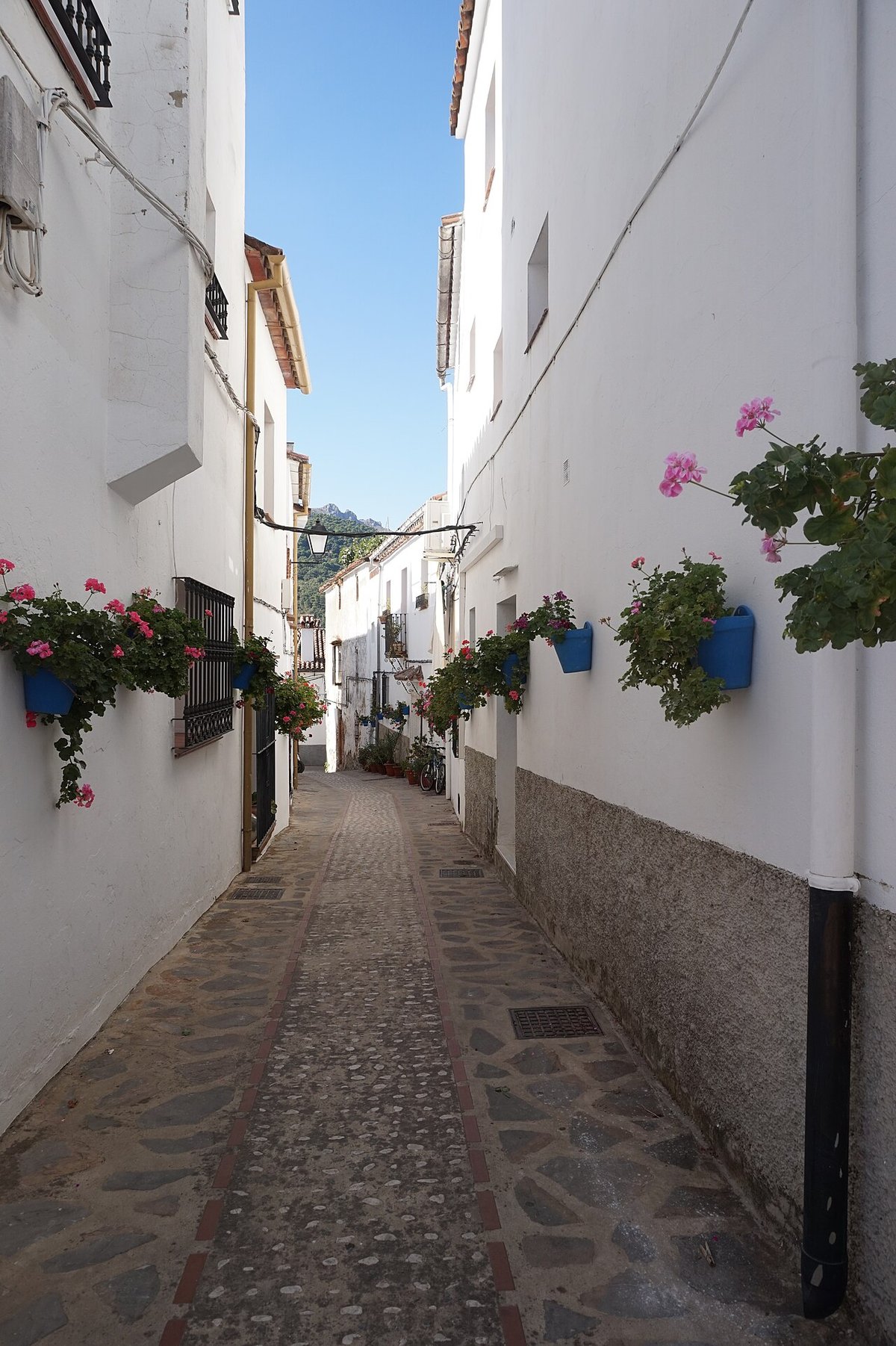
A village that paints itself
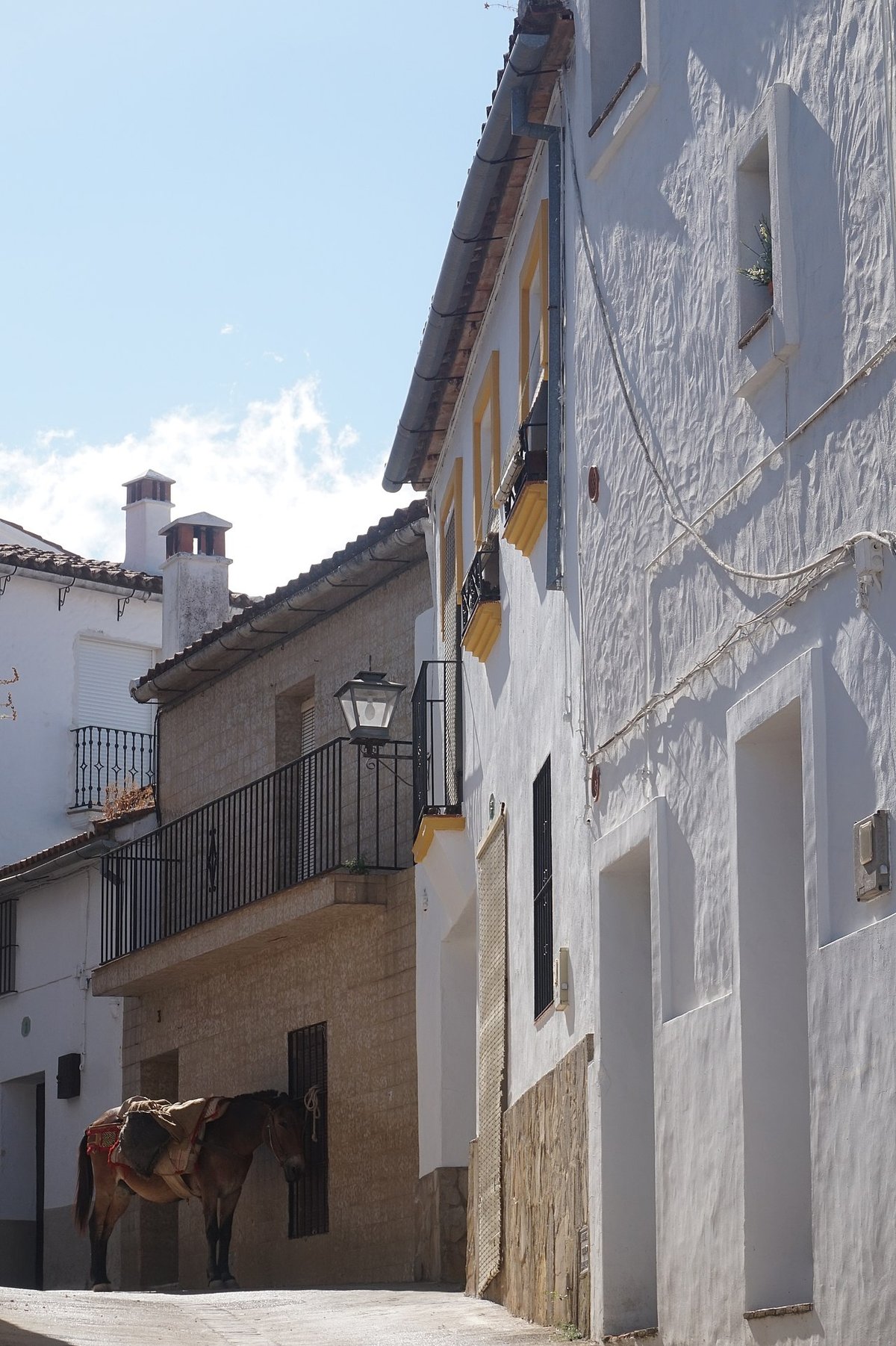
Gaucín’s lanes are too narrow for anything wider than a donkey, and they climb with the indifference of medieval planners to anyone on foot. Cobbles are slick from centuries of mule traffic; sensible shoes are not a fashion statement here, they are survival equipment. Park at the summit car park by the castle – spaces vanish before eleven – then walk downhill; gravity will remind you later why the return journey is best tackled slowly.
For five days every May the whitewash serves as gallery walls. Artists throw open their studios, wine is poured at eleven in the morning, and conversations slip between English, Spanish and gallery-opening French. The colony began in the 1980s when a handful of Royal College graduates decided the light was sharper than in St Ives. Prices for small oils still undercut anything on Cornwall’s high streets, and the artists’ café society has turned Bar Paco Pepe into an accidental consulate for British painters arguing over whose turn it is to buy the cañas.
Castle, church and a bench that faces Africa
The Castillo del Águila is more atmospheric than intact. A short scramble past prickly pear delivers you to battlements where the Guadiaro valley unrolls southward and, if the air is scrubbed by Levante wind, the ghostly outline of Gibraltar rises, followed by the African coast. Entry is free, interpretation boards are minimal, and there is no safety rail; parents should keep small climbers on the inland side. Stay for sunset – the stone glows amber and the village lights flick on like sequins – but bring a jumper; altitude strips ten degrees off the coast’s evening temperature.
Below the castle the sixteenth-century Iglesia de San Sebastián squats on Plaza de España with the practical bulk of a building meant to withstand earthquakes rather than impress tourists. Inside, Baroque retablos gleam with the gilt that survived Napoleon’s looters; outside, old men occupy the same bench every afternoon, facing the view rather than each other. The plaza’s cafés charge two euros for coffee, three if you sit outside, and no one rushes you.
Walking off the tortilla
Three waymarked paths leave the upper village. The easiest, signed “Fuente Santa”, descends through holm-oak and cultivated terraces to a stone trough where locals still fill plastic jerry cans. Allow forty minutes down, fifty back up – the gradient is gentle but relentless. For a full day, the GR-141 to Casares threads along a ridge of cork oak and provides vulture-eye views into two provinces; the 12 km haul needs water, sunscreen and a sandwich because beyond the first kilometre there is precisely nothing until Casares itself.
Spring brings orchids and the smell of orange blossom; autumn colours the chestnut woods copper. July and August are brutal for midday hikes – the castle path offers zero shade – so start early or wait until the sun hits the Atlantic. Even then, carry more water than you think polite; the village pharmacy stocks rehydration salts for a reason.
What arrives on the plate
Gaucín does not do “international cuisine”. Expect game stews in winter, grilled Iberian pork the rest of the year, and mountain staples such as migas – fried breadcrumbs with garlic and chorizo – that arrived as shepherd fuel and never left. Vegetarians survive on roasted vegetables and the dependable tortilla; vegans negotiate. Platero & Co, the smartest restaurant on Calle Convento, will swap pork cheek for mushroom risotto if asked before the lunch rush. A three-course menú del día costs €18 and the wine is local, young and usually better than house plonk at home.
For fuss-free supper Brits gravitate to Venta Solera on the road back towards Ronda. The owner worked a season in Essex and understands the phrase “well-done, no blood”. Half a roast chicken, salad big enough for two and chips that would pass muster in a Kent pub come in at €14. Ask for the Málaga sweet wine served chilled; it tastes like liquid Christmas pudding and slips down faster than sensible.
When the village lets its hair down
Easter here includes the Toro de Cuerga: a young bull with a rope tied round its horns is escorted through the streets at dawn on Resurrection Sunday. Metal barriers pen spectators into doorways; balconies offer safer vantage points for the cautious. The tradition predates health and safety, divides opinion along generational lines, and finishes by ten with the bull returned to pasture, none the worse. If the idea appals, stay in bed – the church bells will still wake you.
August fiestas are gentler: open-air dancing in Plaza de España, children dashing between fairground rides, and midnight fireworks that echo round the limestone like gunshots. Accommodation prices jump thirty per cent that week; book early or visit just before, when the evenings are warm enough to sit outside but rooms have reverted to shoulder-season rates.
Practical odds and ends
Cash machines exist but one routinely runs dry on Saturdays; the other charges €1.75 for the privilege. Most bars accept cards, yet the morning market stall selling fresh goat’s cheese does not. The small supermarket on Calle Nueva opens Sunday mornings and stocks Marmite for homesick residents – proof of how entrenched the British contingent has become.
Mobile signal is patchy inside stone houses; WhatsApp messages may queue until you step into the street. Wi-fi in rentals ranges from excellent to existential but, at 626 m, the night sky delivers its own entertainment: no orange glow, just Milky Way spilt across the heavens. Bring a jacket, lean over the balcony, and remember why you left the coast behind.
Gaucín offers no beach, no souvenir tat, no all-night disco. What it does provide is a crash course in slow living: conversations that stretch because no one stands up to leave, coffee that costs less than a London newspaper, and a horizon that lets two continents share the same glance. Turn up with sturdy shoes, a sense of altitude and time to spare – the village will supply the rest.