Full Article
about Genalguacil
The museum village where, every two years, artists from around the world leave their works on the streets.
Hide article Read full article
The Art of a Village
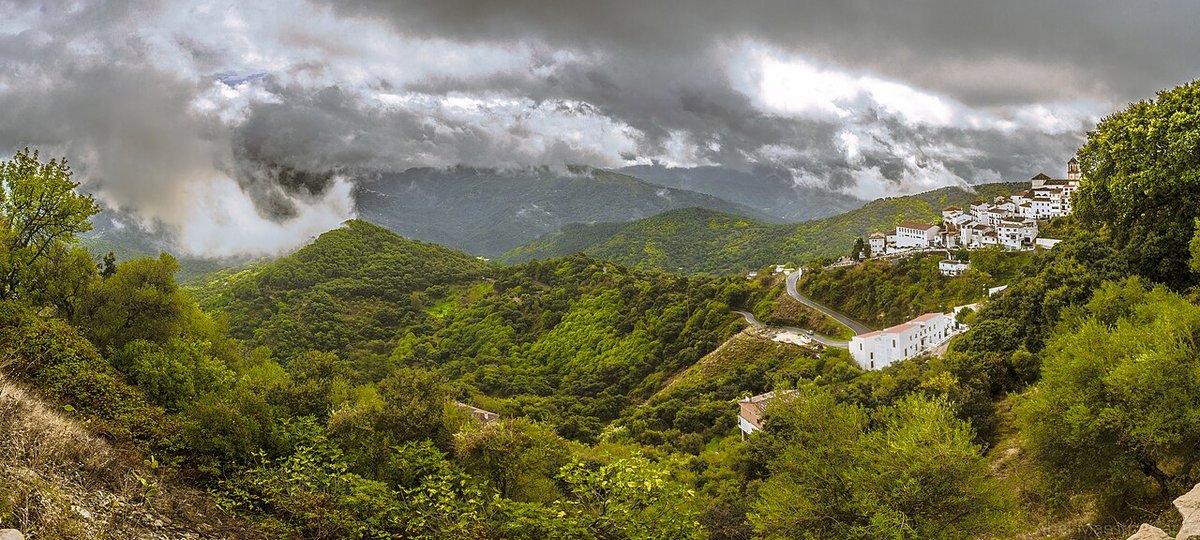
Genalguacil sits on a steep southern slope in the Genal valley, part of the Serranía de Ronda. Its identity, however, diverges from the surrounding white villages. Since the 1990s, a series of artist residencies have left a permanent collection of contemporary art installed directly onto its streets and squares. The result is a village of some three hundred people where a walk to the bakery might pass a granite sculpture or a ceramic mural.
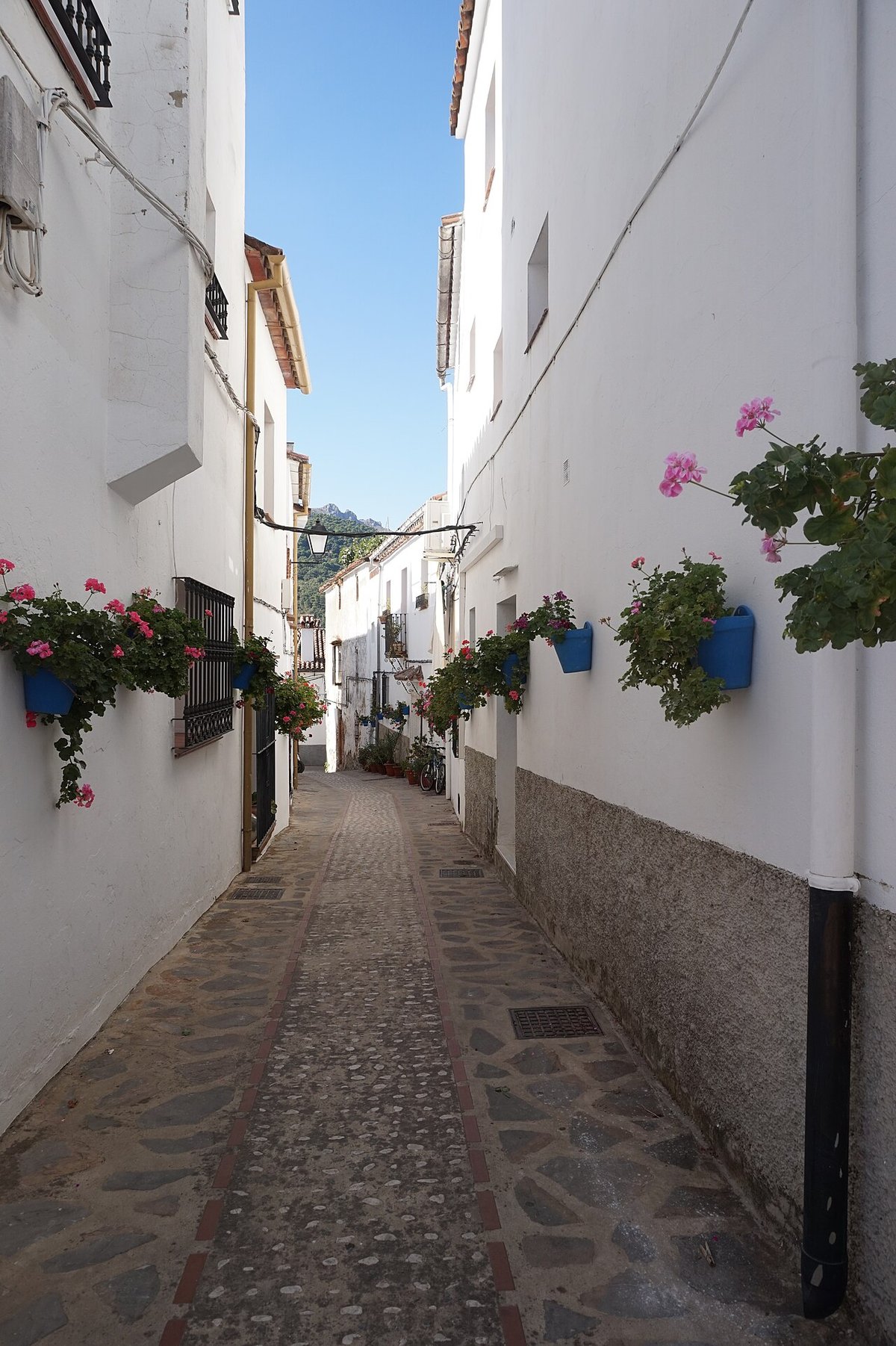
The project began with the Encuentros de Arte, gatherings where creators worked in situ. Many of the pieces they produced stayed. Today, sculptures in iron, wood, and stone occupy small plazas. Ceramic tiles line stairways. A painted mural wraps around a corner. There is no map or prescribed route; you find the works by wandering the sloping, irregular lanes.
A Walk Through the Collection
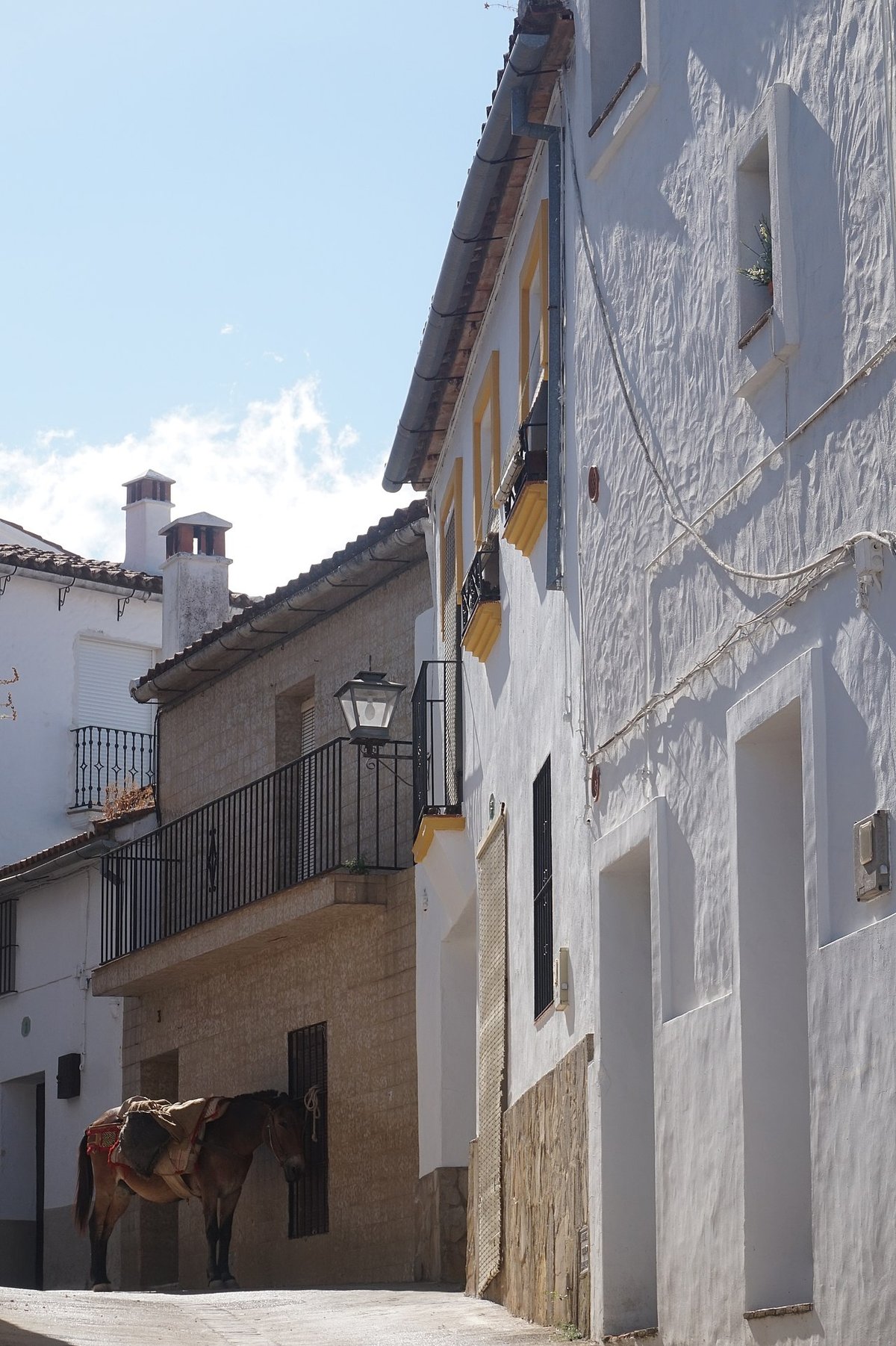
The village layout is medieval, adapted to the hillside. As you climb, the art appears integrated into the domestic landscape—a figure tucked between two houses, an abstract form beside a geranium pot. It pays to look at walls and doorsteps as much as the obvious spaces.
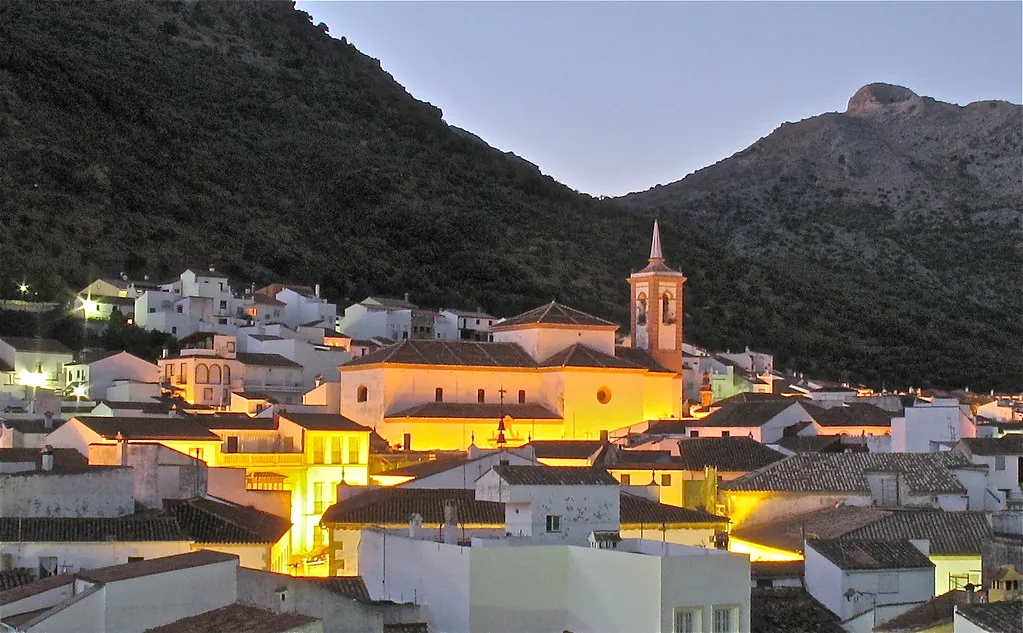
The 16th-century church of San Pedro de Verona anchors the centre. Its structure shows Mudejar traces, a post-Reconquista style common here, though its exterior has been much altered. Nearby, the Museo de Arte Contemporáneo occupies a restored traditional house. Its indoor collection provides useful context for the project, housing works and documentation from past artists-in-residence.
From the upper barrios, several miradores frame views over the valley. From here, you see how the white cubic houses step down the mountain, backed by dense cork oak forests.
Paths into the Cork Oak Forests
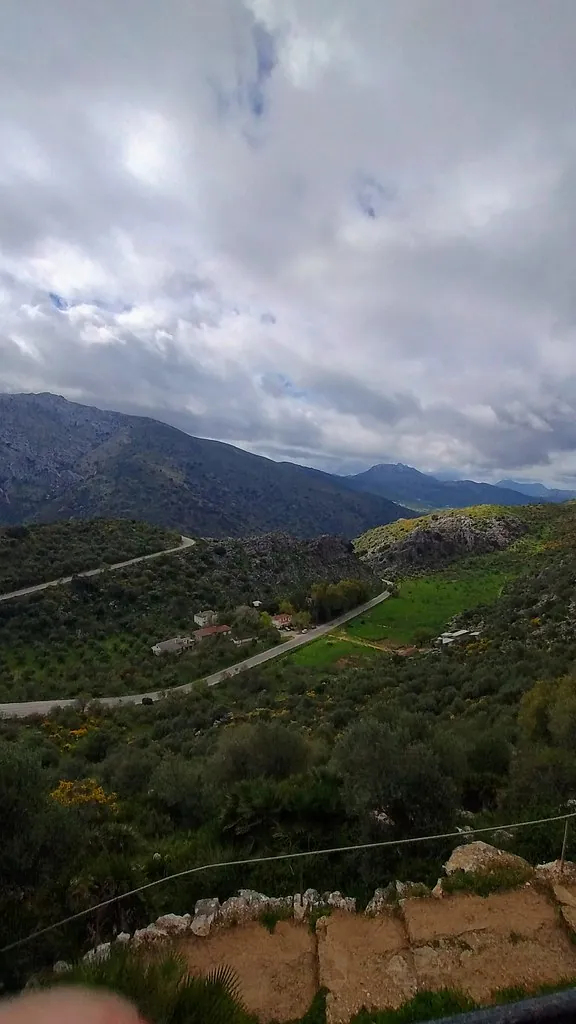
The tracks leading from Genalguacil explain its setting. Many enter working alcornocales—cork oak forests where bark is harvested every nine years, a deep regional tradition. One path climbs toward Sierra Bermeja, offering increasingly broad vistas. Others drop toward the Genal river, following streams past small vegetable plots and chestnut groves. The slopes are significant, and summer heat is heavy even under tree cover; water and good shoes are necessary.
The local kitchen follows the valley’s calendar. Autumn means chestnuts and wild mushrooms. Year-round, you find slow-cooked stews, cured meats from nearby pastures, and honey from valley beehives. It’s a cuisine of the surrounding sierra.
A Continuing Project
Genalguacil’s artistic character is not a finished exhibit. New Encuentros are held periodically, turning the village into an open studio for weeks. You might see an artist carving wood in a plaza or discussing a sketch with a local. The new work eventually joins the existing collection, making the village walk different over time.
The annual fiestas de San Pedro de Verona in August fill the streets with traditional music and events. Later, in autumn, a *castaña festival marks the chestnut harvest, a key crop for the entire Genal valley.
Practical Notes
The drive here is winding. The most straightforward route from the coast runs from San Pedro de Alcántara up to Ronda, then south into the Genal valley on local roads. The final approach is a series of tight bends.
You can walk every street in Genalguacil in under an hour, but the slopes are steep. To understand the place—the dialogue between art, architecture, and landscape—plan for a slow morning of aimless exploration. Come midweek if you prefer quiet; weekends draw more visitors from nearby towns.