Full Article
about Igualeja
Where the Genal River rises, in a spot of great beauty ringed by chestnuts and lush greenery.
Hide article Read full article
First light on the hillside
At the hour when the sun begins to touch the slopes, the air in Igualeja carries the smell of damp earth and dry leaves. Now and then a cool current rises from the valley. Tourism in Igualeja starts like this: quiet, a door opening somewhere, and the distant sound of a car climbing the main street.
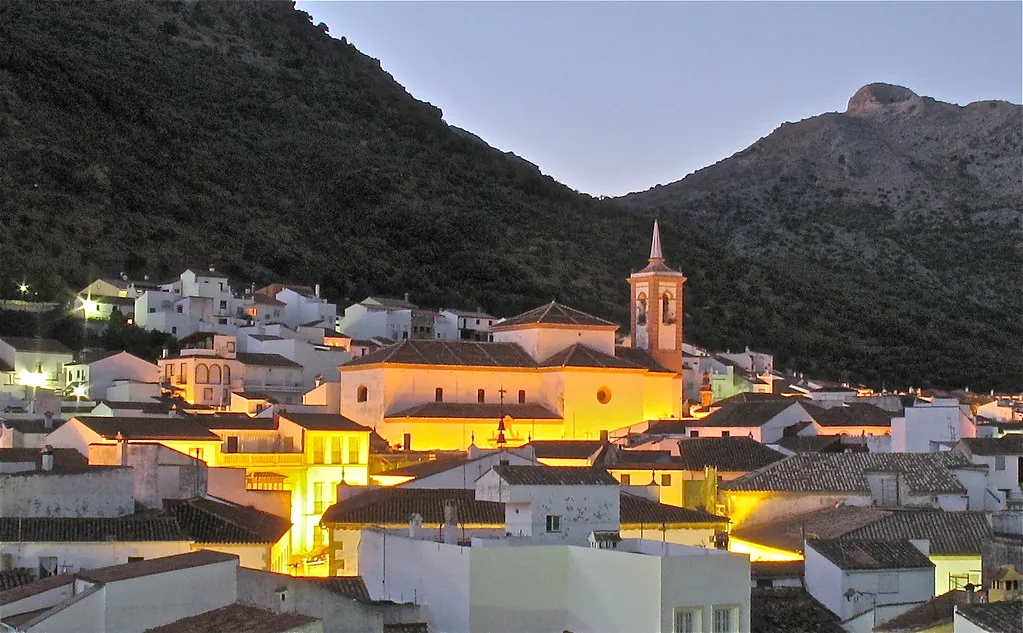
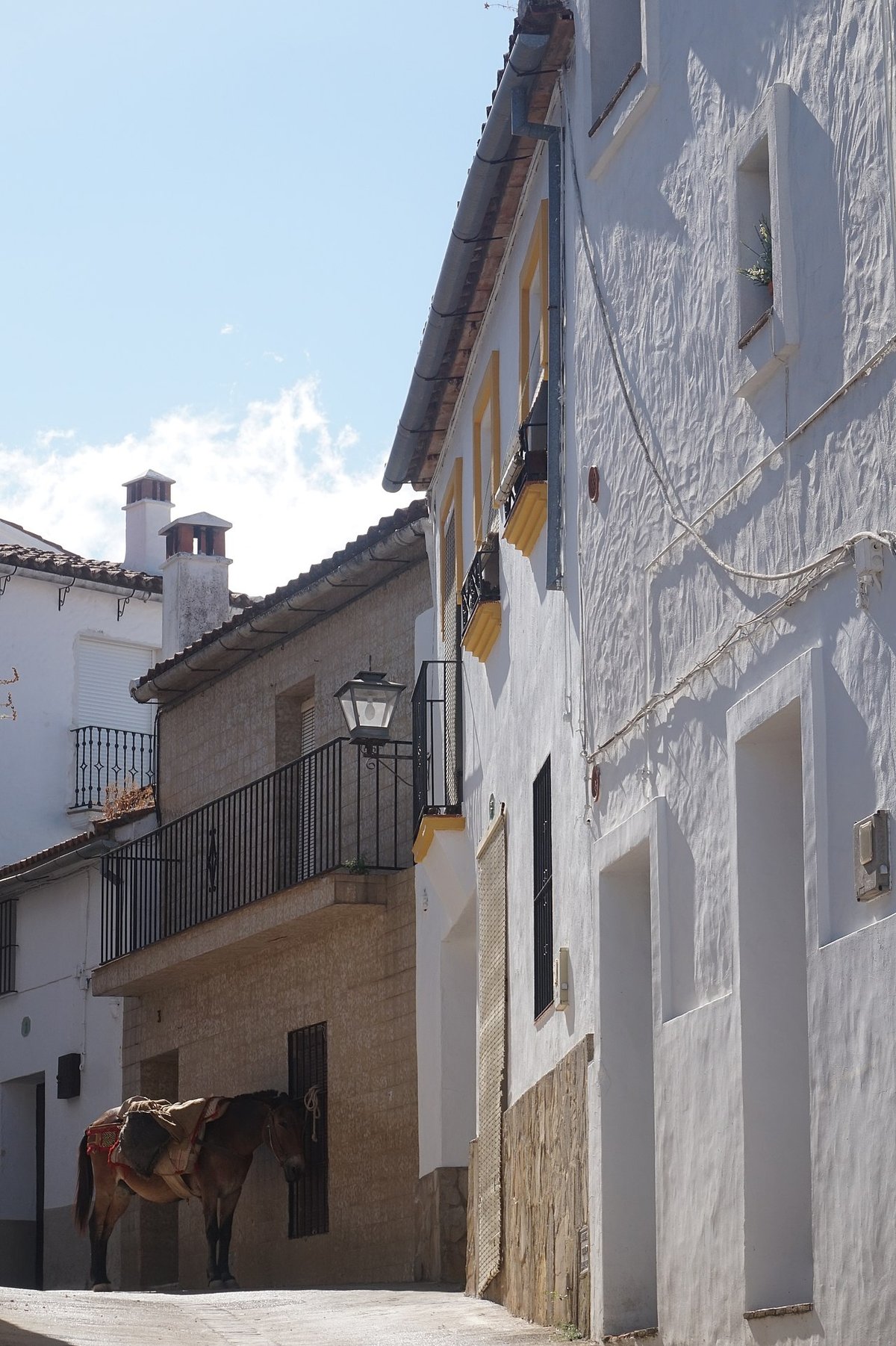
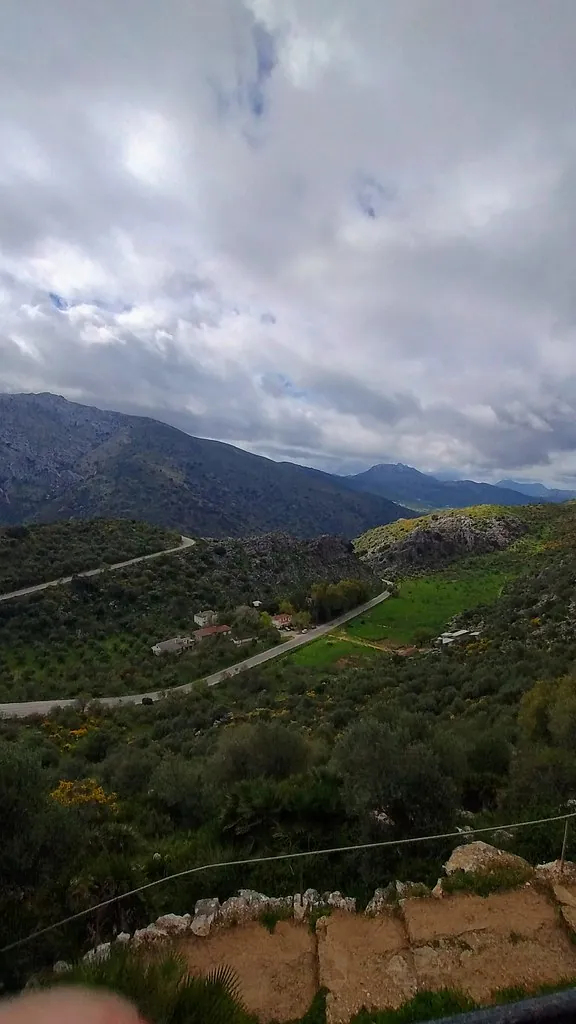
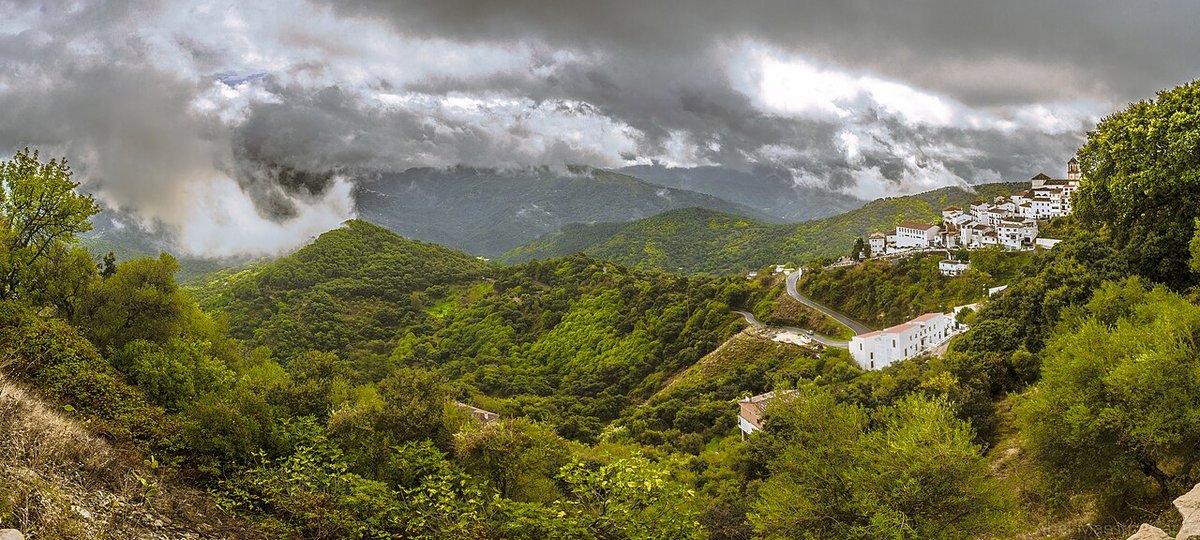
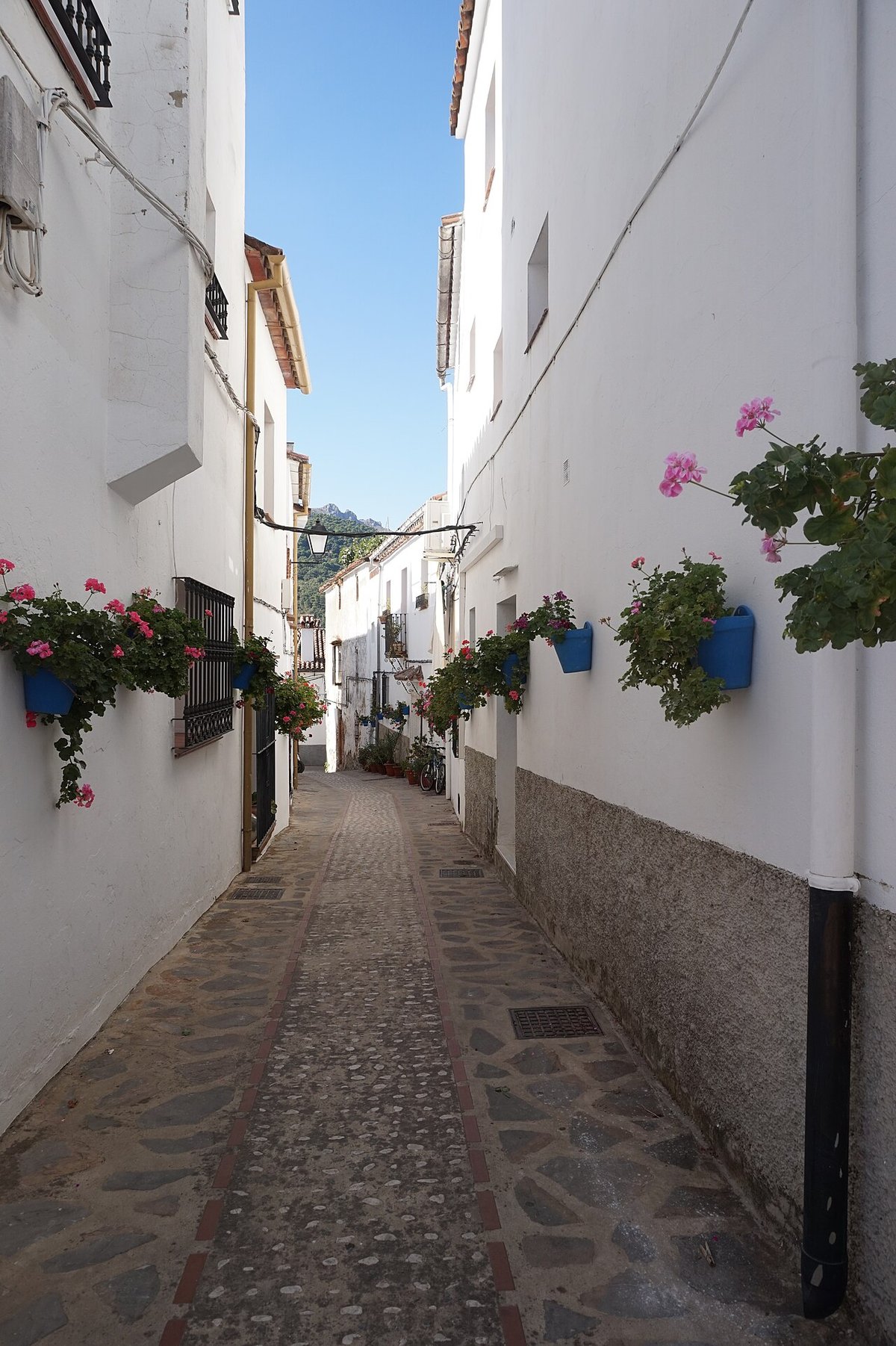
The village spills down a hillside in the Serranía de Ronda. White houses cluster along narrow streets that force a slower pace. From certain points, the Genal Valley opens out clearly below. Olive groves descend in uneven terraces, edged by stone walls that still hint at long working days.
A village shaped by slopes
Almost everything here tilts. Streets climb and fall without pause. The layout of the old centre reflects the practical logic of mountain villages: short stretches, unexpected turns, small squares where the sun reaches in mid-afternoon.
The church of the Inmaculada Concepción stands at the centre. It is more recent than many of the surrounding houses, yet it sits firmly within daily life. During religious celebrations, processions move slowly through streets that offer little relief to those carrying weight.
Comfortable footwear is worth bringing. On a map the distances look short, but the gradients make themselves felt once you start walking.
The landscape of the Genal Valley
Step beyond the built area and the landscape changes quickly. Olive groves dominate the slopes. Some trees have thick, twisted trunks that show their age and long cultivation. Among them appear holm oaks, cork oaks and small pine woods.
In autumn the light falls low between the branches. The terraces take on ochre tones and muted greens. Early in the morning, birds are easier to hear than to see. Sometimes there is the sharp tap of a woodpecker or the quick movement of a thrush.
Water shapes the terrain as well. Ravines and streams run down towards the Genal. After heavy rain, the sound of water carries to several points in the village.
Walking the surroundings
Paths lead out from Igualeja and connect with rural tracks across the serranía. Many cross olive groves and areas of scrubland. Others climb towards more open ground where the outlines of Sierra Bermeja come into view.
Elevation is the key factor. Even short routes can demand effort. In summer the heat builds during the middle of the day, so it makes sense to head out early or wait until later in the afternoon.
Mountain biking is possible along dirt tracks that include loose stones and tight bends. It is not always smooth going, but the landscape rewards a slower rhythm.
Food from the hills
Local cooking follows a straightforward logic. Ingredients come from the land and the dishes are filling. Olive oil appears in almost everything: stews, thick soups and migas serranas, a traditional dish of fried breadcrumbs often served on colder days.
In season, game dishes are also common. Homemade sweets keep a slightly rustic texture, shaped by recipes passed down at home with little adjustment to modern tastes.
At certain times of day, the smell of toasted bread or a simmering stew lingers in parts of the centre.
Festivities and the rhythm of the year
The patron saint festivals usually take place in summer and shift the atmosphere for a few days. Music fills the evenings and the squares become busier. For the rest of the year, the pace returns to calm.
Easter week, known in Spain as Semana Santa, is marked in a restrained way. Religious floats move through narrow, cobbled streets along short routes that force a slow progress.
In autumn, when the olive harvest begins, the landscape becomes active again. It is not an organised display. It is simply the countryside at work.
When to go and how to get there
Reaching Igualeja means accepting roads with many bends. From Ronda, access comes via the road that crosses the Genal Valley. From Málaga, the journey is longer and also winds through the hills.
Spring and autumn tend to be the most comfortable times to visit. The air is cooler than on the coast, and the afternoon light falls cleanly across the terraces. In summer, the heat is noticeable during the day, though evenings often cool down.
At weekends or during festivals, it is best to park on arrival and continue on foot. The streets are narrow and the slopes make manoeuvring difficult.
Igualeja asks for little more than time and patience. A short walk, the sound of wind through the olive trees, and the shifting light over the valley are enough. Here, the hours move at a different pace.