Full Article
about Jimera de Líbar
Split into two areas (the village and the station), it's an ideal spot for active tourism along the Guadiaro river.
Hide article Read full article
A village that wakes with the river
Early in the morning, before the heat begins to build, the sound of the Guadiaro river reaches the streets of Jimera de Líbar. It is not visible from everywhere, but it is always there in the background. Light slips between the white houses at an angle and takes its time to reach the ground in some of the narrower lanes. At that hour, the village moves slowly: a shutter opening, a wooden door creaking, a car starting up on its way towards the road.
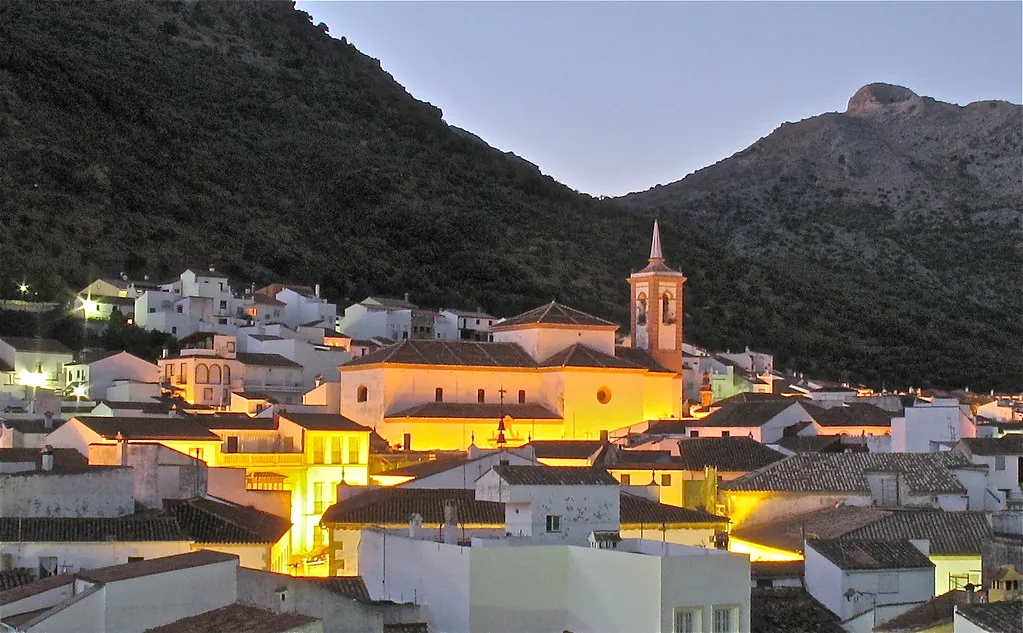
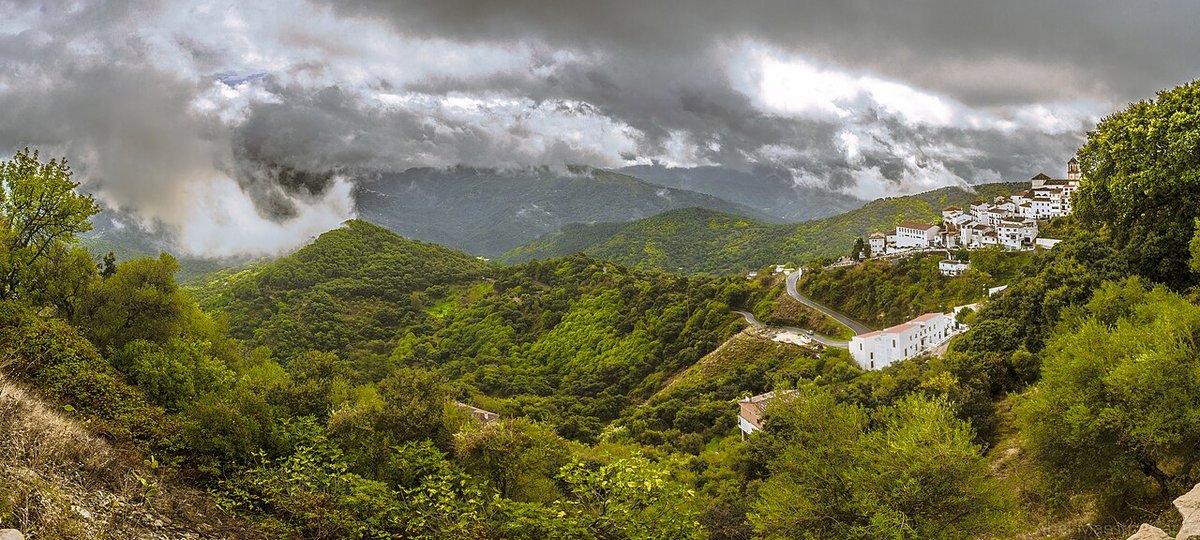
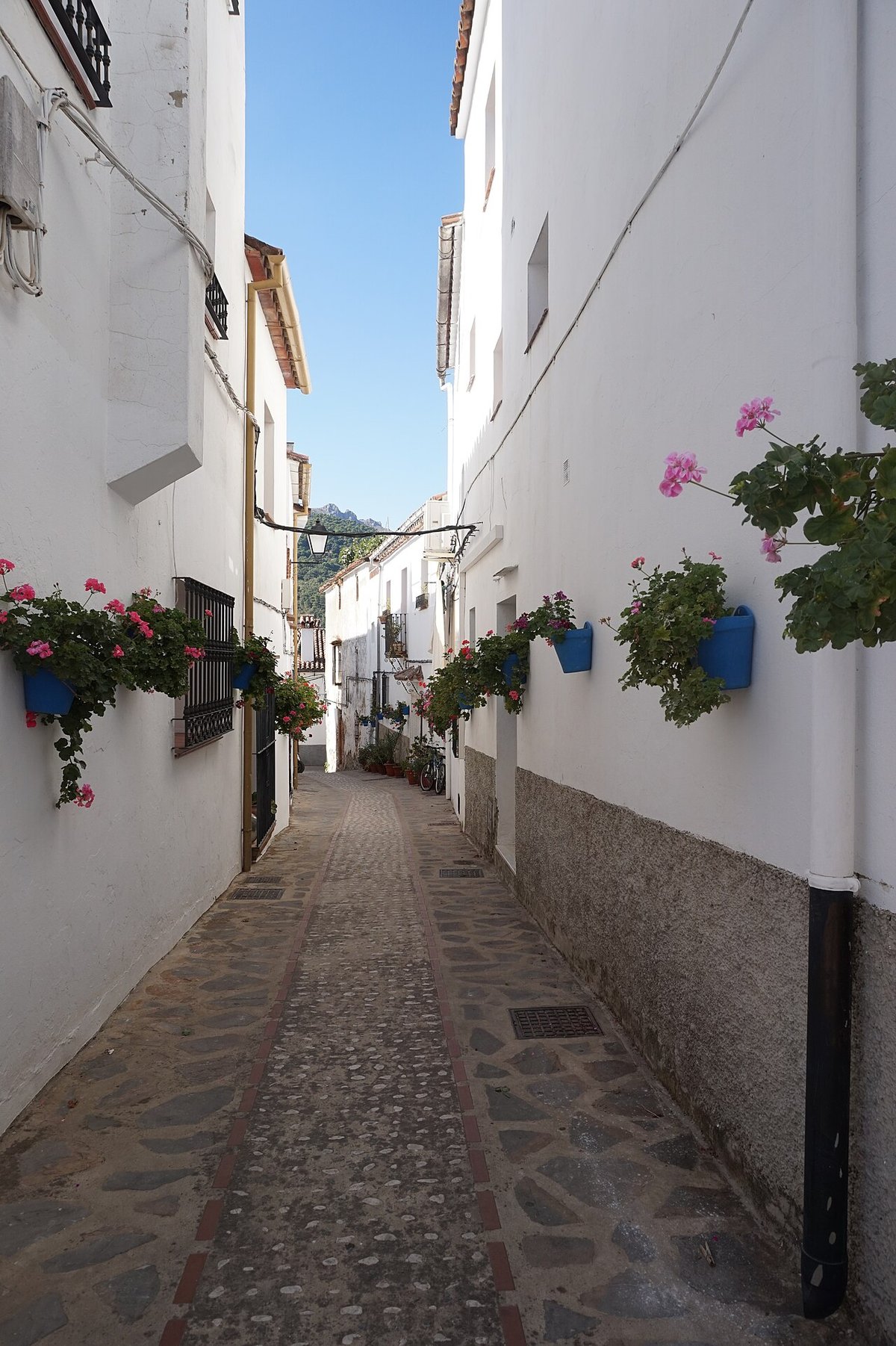
Jimera sits in the Serranía de Ronda, halfway up a slope above the Guadiaro valley. The houses lean into one another as they follow the incline, with whitewashed walls, dark iron grilles and pots where geraniums hold up well under the mountain sun. Just a short distance from the centre runs the रेलवे line linking Ronda with Algeciras. When the train crosses the valley, its metallic sound arrives softened by the surrounding hills.
For generations, daily life here has been tied to the land. Small kitchen gardens still appear near the river, alongside modest olive groves and plots where red earth shows through the dry summer grass.
Corners that reveal its past
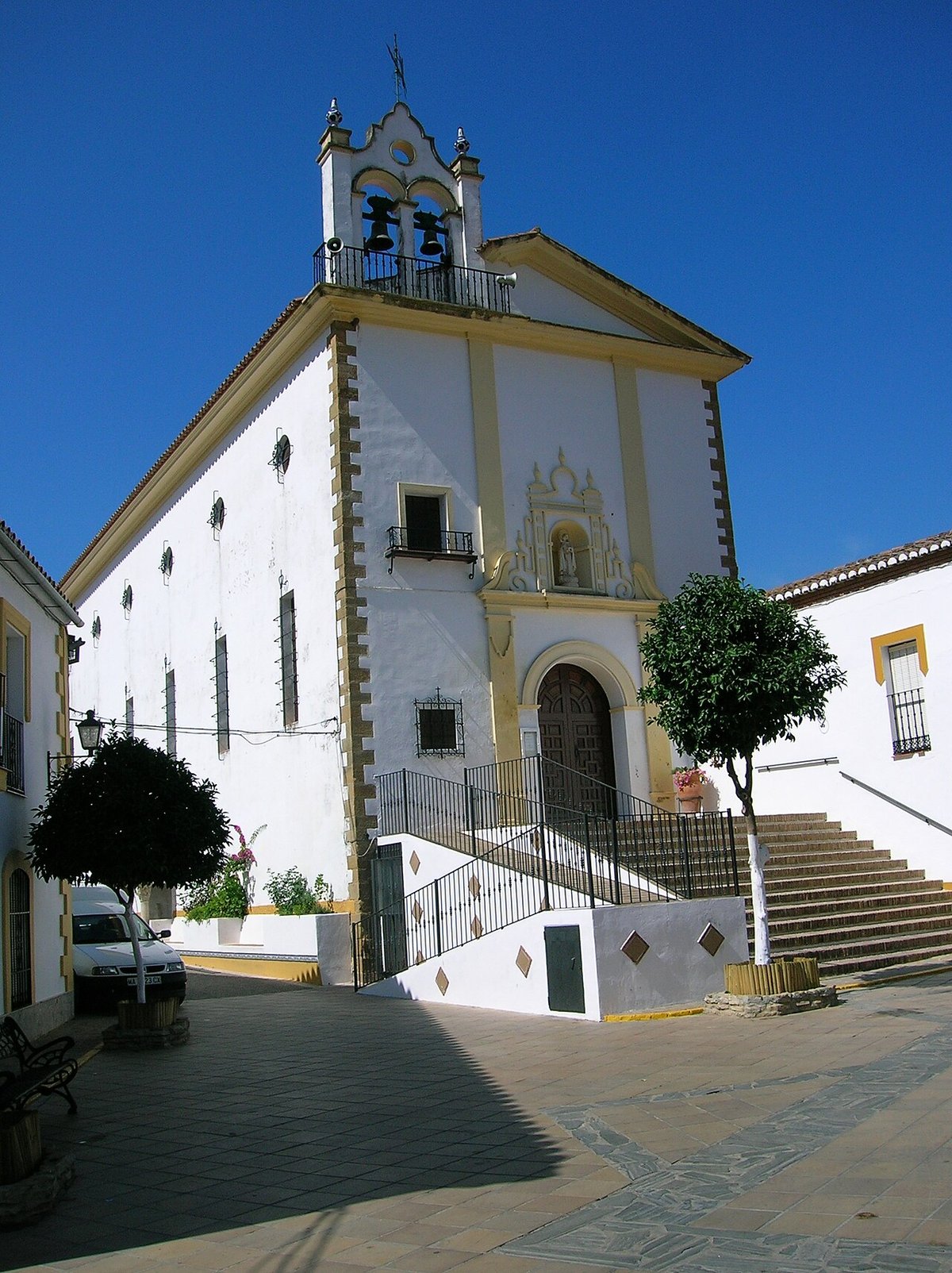
The Iglesia de la Encarnación stands in one of the most visible spots in the village. Its origins are usually placed in the 16th century, although the building has seen alterations and additions over time. From certain nearby streets, the tower suddenly comes into view between low rooftops and overhead cables, marking the centre of Jimera.
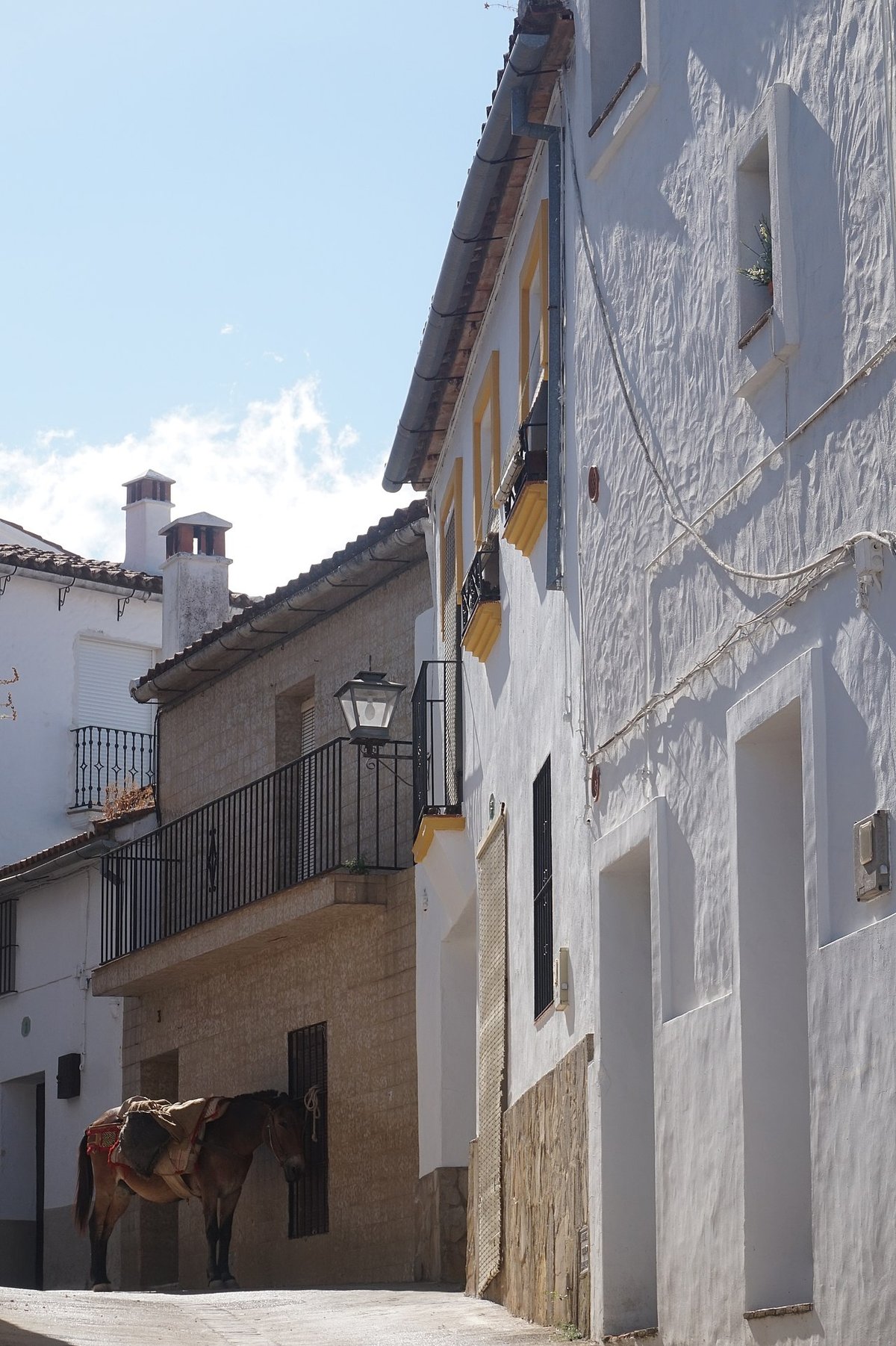
Walking through the village is straightforward enough. Streets rise and fall in short curves, always framed by white façades that reflect the midday light intensely. Several houses still keep thick wooden doors and old iron grilles, some with paint worn away by years of sun.
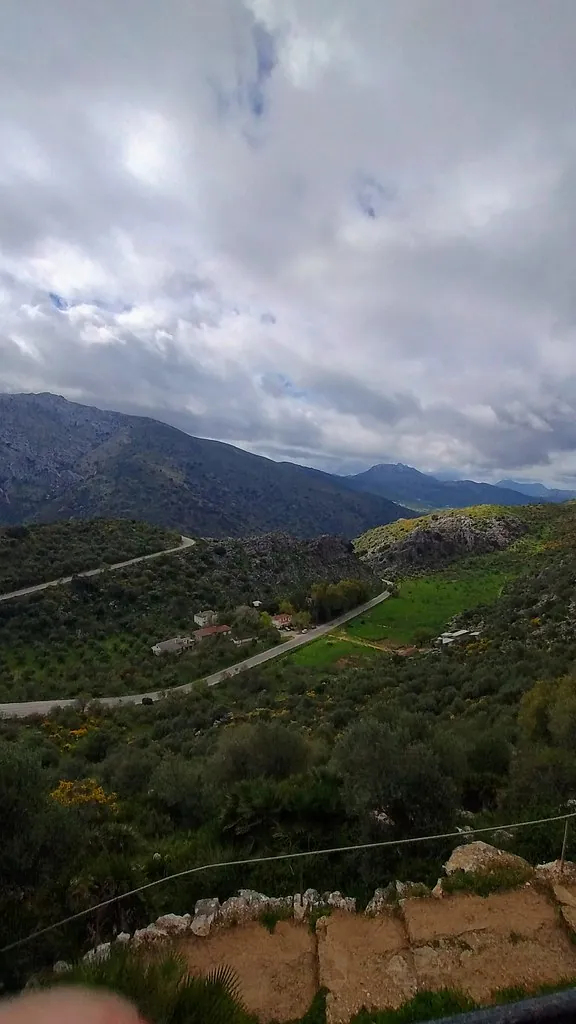
Heading towards the edge of the village, where the streets begin to open out, the Guadiaro valley comes into sight. There is no formal viewpoint as such. Instead, there are gaps between houses or small widened spaces where the view stretches across a patchwork of vegetable plots, reed beds and slopes covered with holm oaks and cork oaks.
Following the valley
One of the most common walks follows the Guadiaro valley towards Benaoján. The path runs close to the river in several sections and passes by old railway structures, including bridges and tunnels cut into the rock. After rainfall, the water moves with force. In summer it becomes calmer, leaving banks where oleanders and rushes grow.
The route itself is not particularly demanding, though in the hotter months it is better to set out early. By midday, the valley holds a fair amount of heat and there are stretches with very little shade.
On the hills around the village, birds of prey are often visible once the air begins to warm. Vultures take advantage of thermal currents, circling slowly above the valley, barely moving their wings.
Food shaped by the land
In the surrounding homes and kitchens, recipes remain closely tied to what the land provides. Migas, a dish based on breadcrumbs, tend to appear when temperatures drop, often served with cured meats or fried peppers. Cabrito or chivo, both referring to young goat, are common in family celebrations, prepared either roasted or in slow-cooked stews.
Simple seasonal ingredients are widely used: ripe tomatoes, day-old bread, local olive oil and a pinch of coarse salt. With little more than that, dishes are put together that have been repeated here for years with very few changes.
At certain times of year, almonds can be seen drying in the sun on patios and terraces. They are later used in homemade sweets, which usually make an appearance during local festivities or family gatherings.
Traditions that return each year
At the end of summer, Jimera de Líbar celebrates its patron saint festivities. Many residents who live elsewhere return for a few days, and the streets become noticeably busier. Music carries through the square at night and continues late into the evening.
During Semana Santa, the week leading up to Easter, processions move through the steep streets of the village. Religious floats are carried slowly between white façades and balconies draped with fabric. The sound of drums echoes strongly against the narrow walls.
In spring, it is still possible to come across a Cruz de Mayo, a cross decorated with flowers and cloth, set up in corners of the village. It is a tradition that some residents continue to maintain.
When to experience Jimera
Spring is often the most rewarding time to explore the surroundings of Jimera de Líbar. The Guadiaro valley turns green and the river runs with more energy.
Summer, by contrast, can become very hot from midday onwards. If visiting at that time, it is better to move around early in the morning or later in the afternoon. As the light begins to fall over the slopes, the valley gradually cools. The streets grow quiet again, and with that quiet returns the steady sound of the river.