Full Article
about Jubrique
Mountain village with a winemaking and aguardiente tradition, ringed by dense forest in the heart of the Genal Valley.
Hide article Read full article
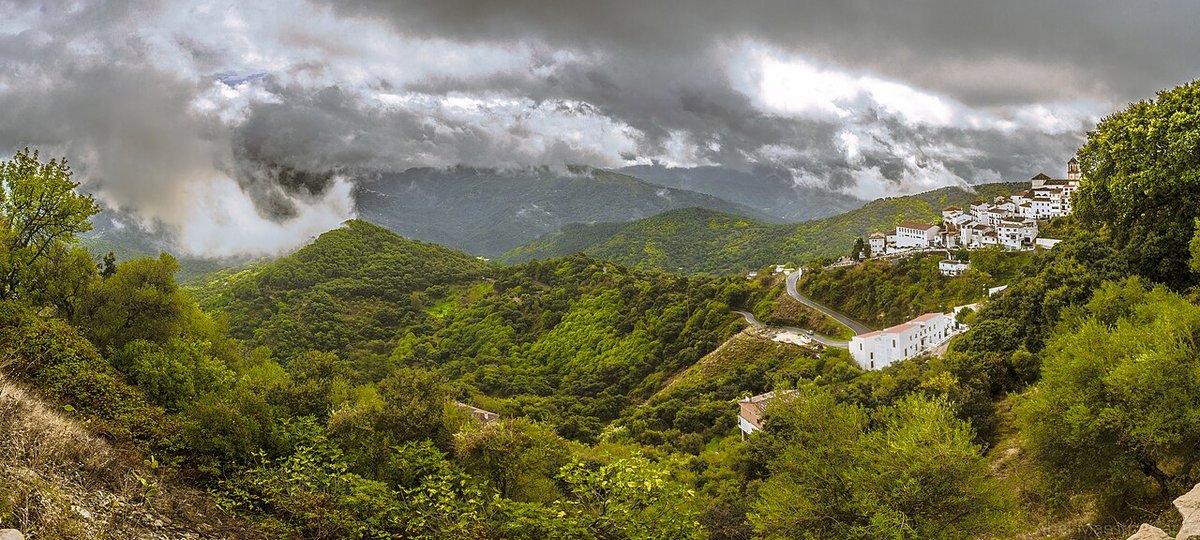
Jubrique sits on the map in the middle of the Serranía de Ronda, part of the Genal Valley. Its location, at a little over five hundred metres, places it among chestnut and cork oak forests that have long defined the local economy. With around five hundred and eighty residents, the village operates on a scale where daily life is still measured by the agricultural calendar, not the tourist season.
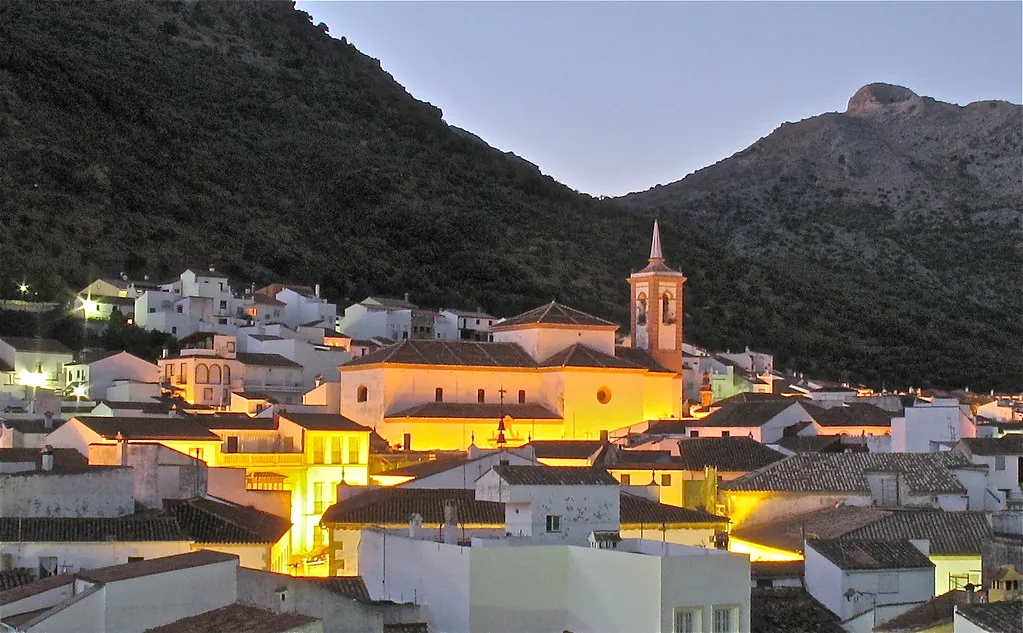
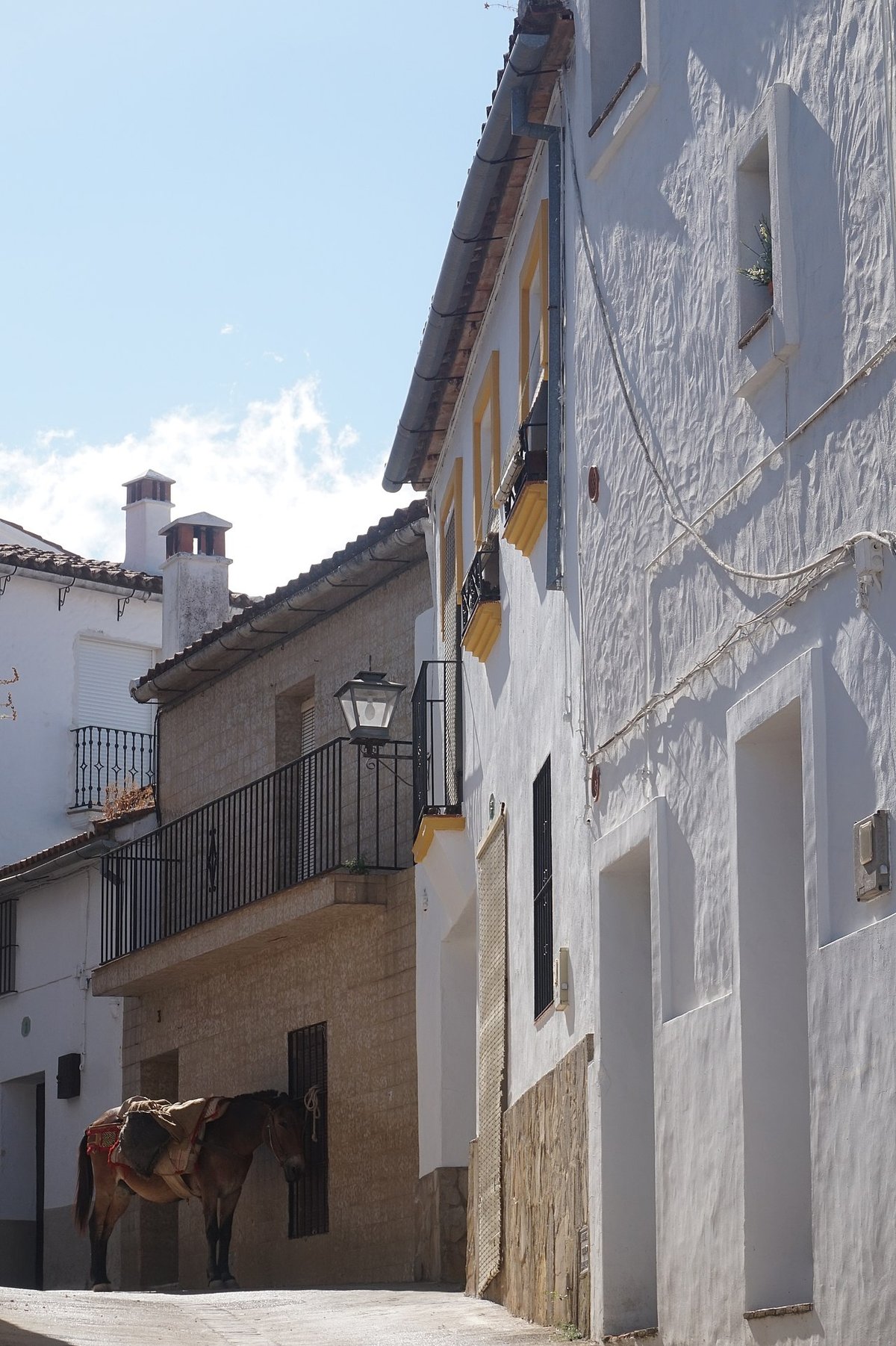
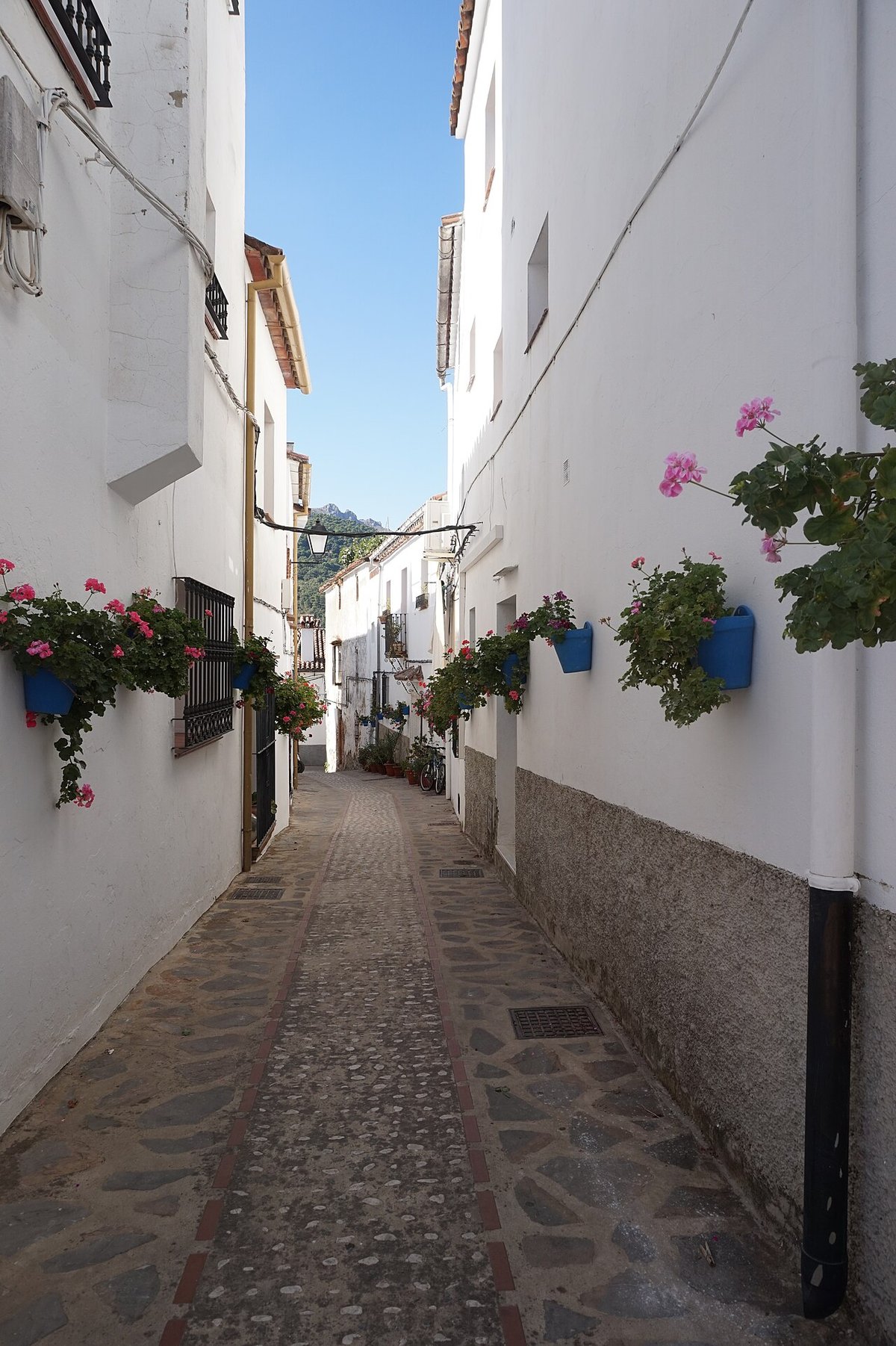
The village layout is a direct result of the terrain. Streets are narrow, often cobbled, climbing via short flights of steps. The whitewashed houses with terracotta tiles create a visual uniformity common to these mountains. Look for the practical details: interior courtyards, thick walls, and small windows designed to manage the light and heat of Málaga’s interior.
Arquitectura adaptada a la pendiente
At the heart of Jubrique is the Iglesia de San Antonio de Padua. The current structure is from the eighteenth century, with visible modifications from later periods. It is a simple church, built with the means available to a rural community at the time. Its position on the main plaza has always made it the natural focal point for village life.
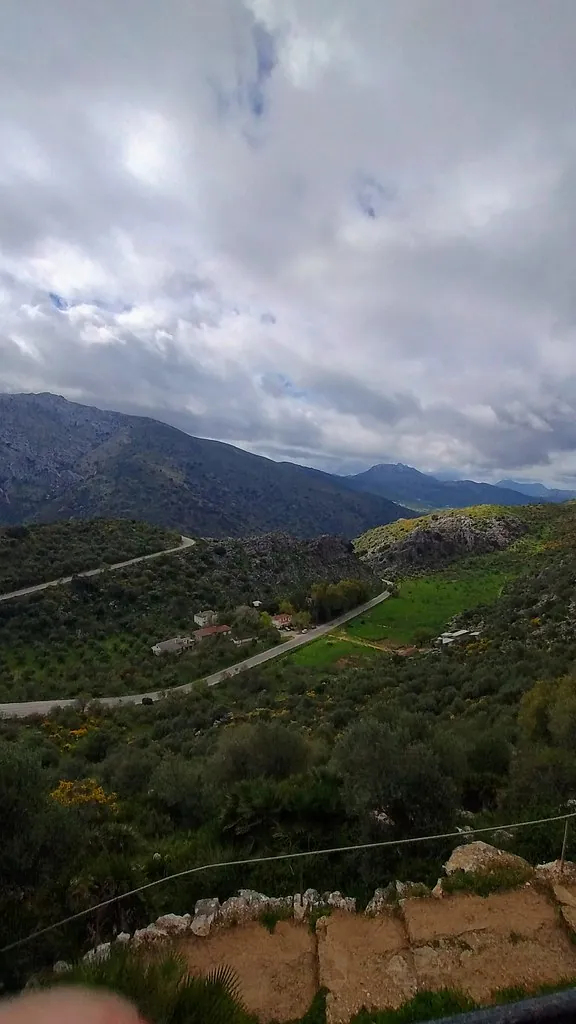
The historic centre retains its original structure. Walking through it means navigating small plazas, stepped passageways, and occasional viewpoints that open to the valley. From these spots, you see the expanse of chestnut groves that are the true economic landscape. The village does not dominate the hillside; it is built into it, with retaining walls and terraces forming part of the street fabric itself.
Senderos de castaño y alcornoque
The land around Jubrique is best understood on foot. A network of footpaths and forest tracks follows old routes to vegetable plots, gathering areas, and water mills. These are working landscapes, not scenic trails designed for visitors. You may find the stone remains of old flour mills by streams, unmarked but integral to the valley’s history of water management for grain and irrigation.
Autumn transforms the place. The chestnut groves shift to ochre and red, and the harvest begins—a period that still structures local work. It is also the season for mushrooms, though foraging is typically regulated; you should inquire locally about current rules.
Spring offers a different view, with the hills a vivid green after the winter rains. In either season, the value of a walk here is in seeing how the paths, woodland, and scattered settlements connect.
Un calendario local
Jubrique’s festive calendar revolves around its patron, San Antonio de Padua, in June. The procession and gatherings are local affairs, maintained by residents for themselves.
The summer feria, usually spanning a few days, is similarly oriented toward neighbours and those who return to the village for holidays. The atmosphere is one of reunion.
When autumn arrives, the focus returns to the chestnut. Various towns in the Genal Valley hold gatherings related to the harvest, and Jubrique participates in this cycle. These events mark the year in a way that reflects the ongoing importance of the surrounding forest.
Cómo llegar y qué esperar
You reach Jubrique by mountain roads that link the Genal Valley villages to Ronda and the western Costa del Sol. The final approach involves numerous bends and narrow stretches, which is standard for the Serranía.
The village itself can be seen at a leisurely pace in a short time. Many visitors combine it with other nearby municipalities like Genalguacil or Algatocín to make a day of exploring the valley.
Come with the right expectations. Jubrique is small and quiet. Its interest lies in its cohesive architecture, its walking paths, and its evident relationship with the chestnut woods—a community shaped by altitude, forest, and the turn of the seasons.