Full Article
about Júzcar
World-famous as the entirely blue-painted Smurf Village, offering themed family activities.
Hide article Read full article
Júzcar, el pueblo que se quedó azul
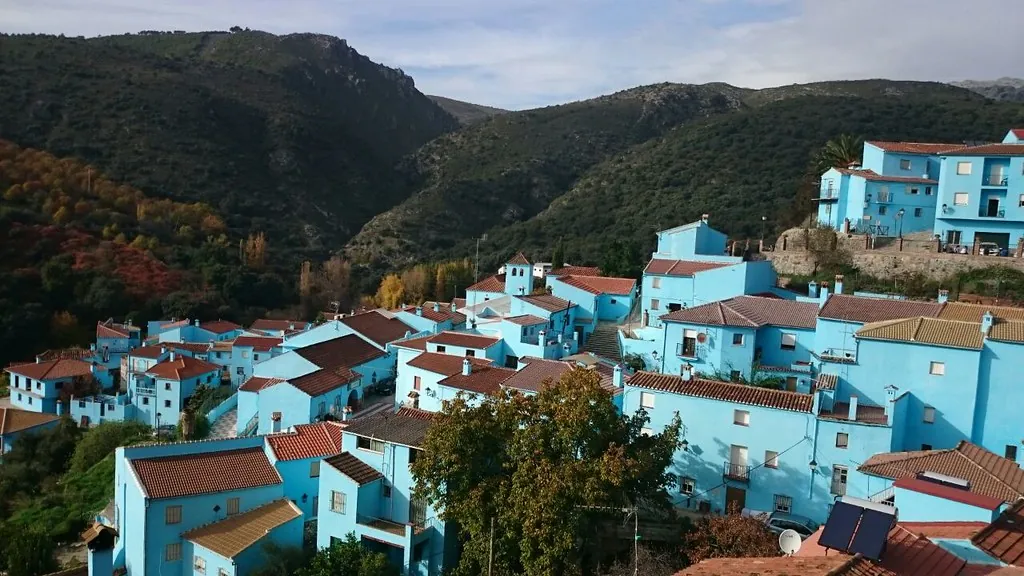
La primera pregunta sobre Júzcar siempre es la misma: ¿por qué está pintado de azul? Este pueblo de la Serranía de Ronda se asienta en la vertiente sur del Valle del Genal, a unos seiscientos metros de altitud. Su caserío, rodeado de castaños y monte mediterráneo, se adapta a una ladera pronunciada. Hasta 2011, sus fachadas eran blancas. Ese año, para el rodaje de una película, se pintaron de azul. Una vez terminado el trabajo, los vecinos votaron por mantener el color. Lo que pudo ser una anécdota se convirtió en identidad.
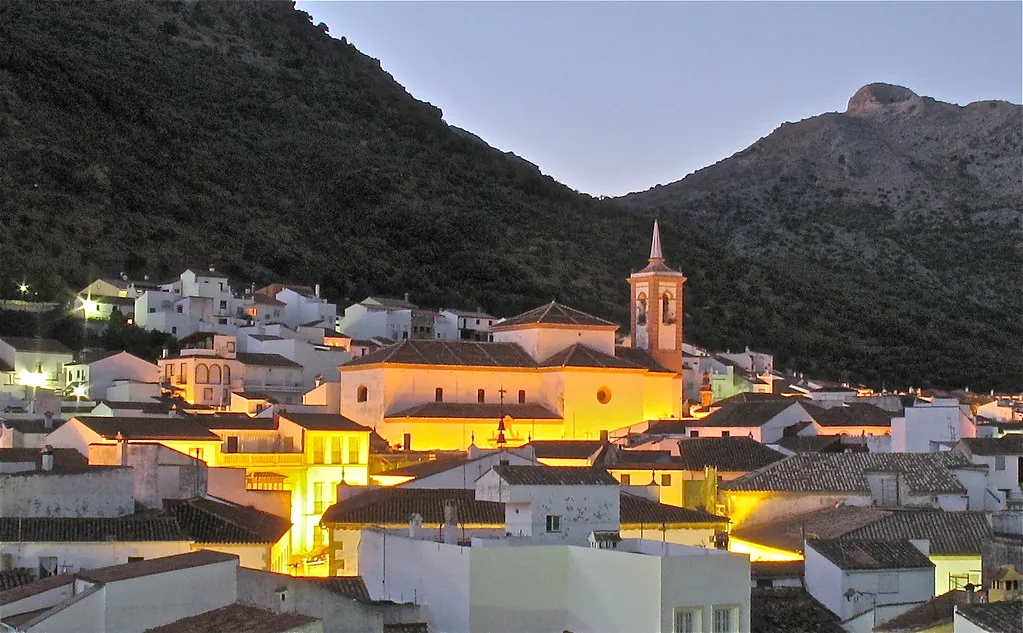
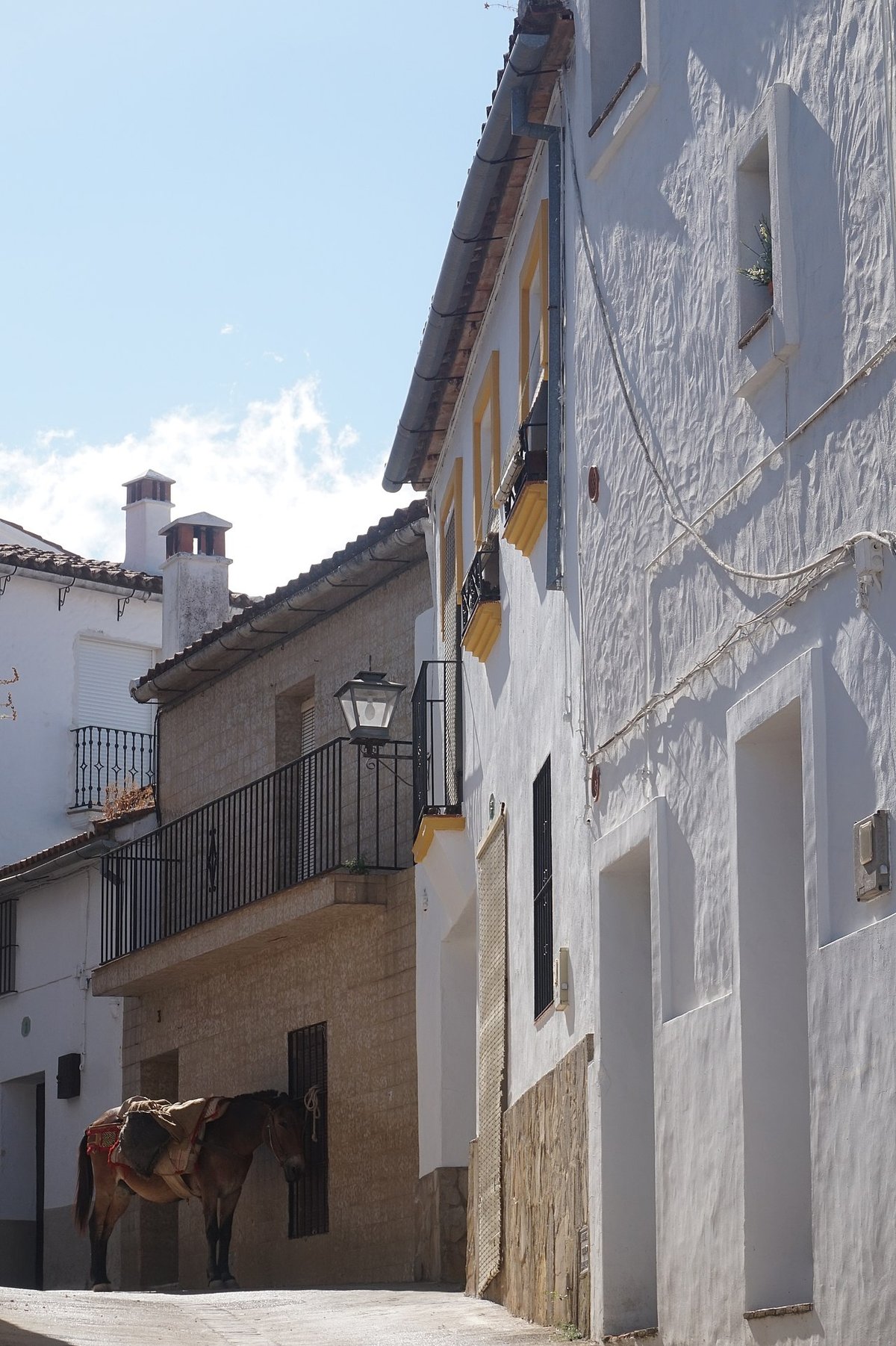
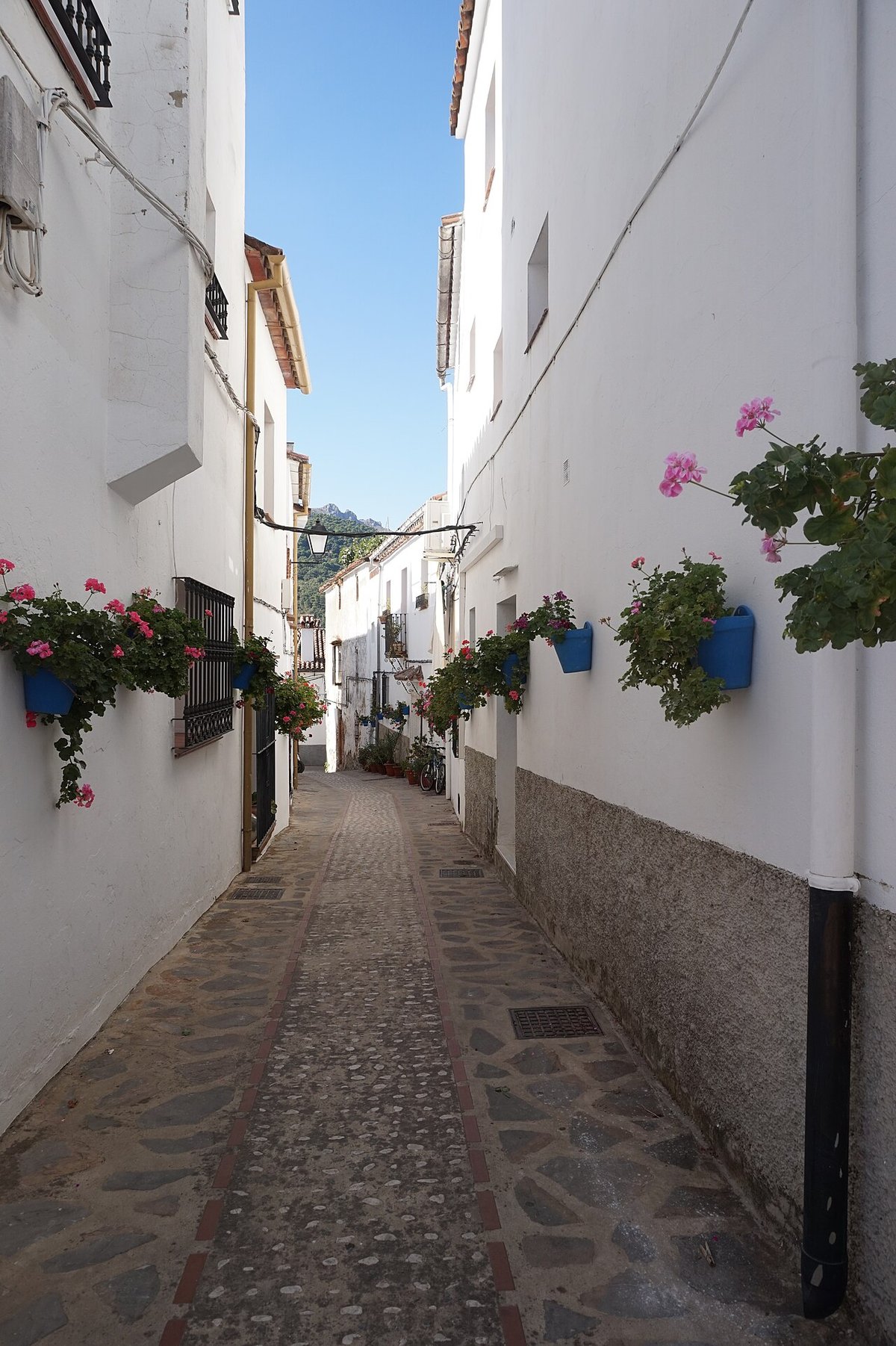
Más allá del color, la estructura es la de un asentamiento de montaña tradicional. Las calles son estrechas y rara vez llanas. Las casas se ajustan al desnivel, apretándose unas contra otras siguiendo la curva de la ladera. Gran parte del trazado es de origen andalusí, cuando los pueblos se organizaban según las curvas de nivel del terreno. Recorrer el núcleo antiguo implica subir y bajar constantemente, con recodos y escalinatas que sustituyen cualquier idea de recorrido recto.
La iglesia de Santa Catalina y la lectura del terreno
En el punto más alto del pueblo se encuentra la iglesia de Santa Catalina de Alejandría. Es del siglo XVIII, de un barroco sobrio frecuente en las comunidades serranas. A diferencia de la mayoría de los edificios del entorno, conserva el encalado tradicional. Contra el azul de las fachadas cercanas, destaca sin necesidad de llamar la atención.
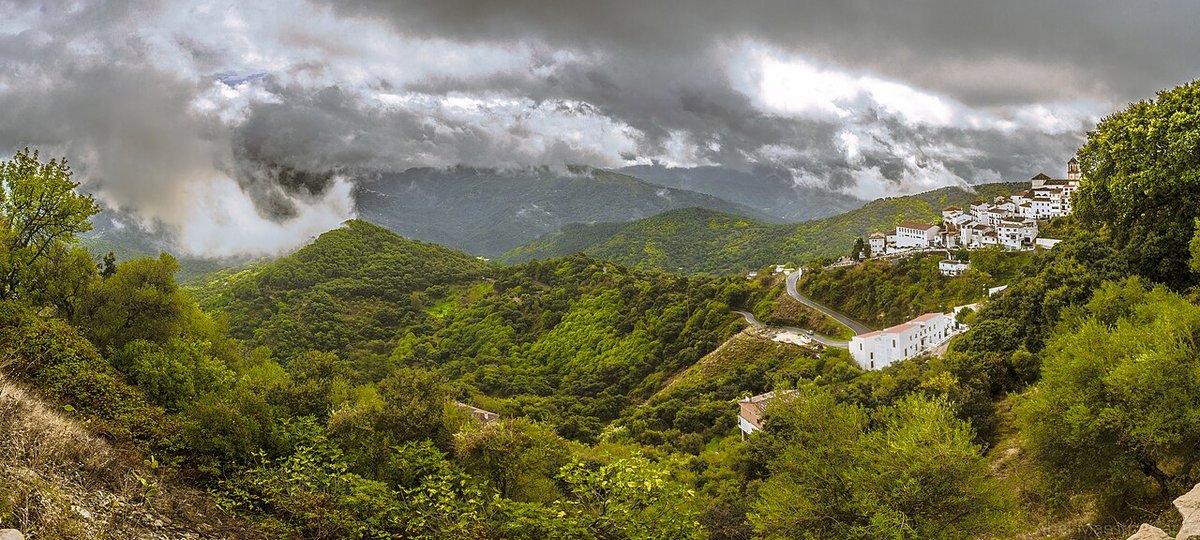
El interés está tanto en el edificio como en su posición. Desde los alrededores de la iglesia se entiende cómo se despliega Júzcar sobre la ladera y cómo el Valle del Genal se abre hacia el sur. No es un mirador con barandillas, sino uno de esos puntos naturales donde la relación entre el pueblo y el paisaje se lee con claridad.
El recorrido por el casco histórico puede hacerse en una hora, sin prisas. La distancia no es larga, pero las cuestas ralentizan el paso. En el camino aparecen detalles de la arquitectura popular: balcones sencillos de forja, muros gruesos para aislar del frío y pequeñas plazuelas que se forman donde la pendiente da una tregua. Son espacios modestos, más fruto de la necesidad que del diseño.
Los caminos del Valle del Genal
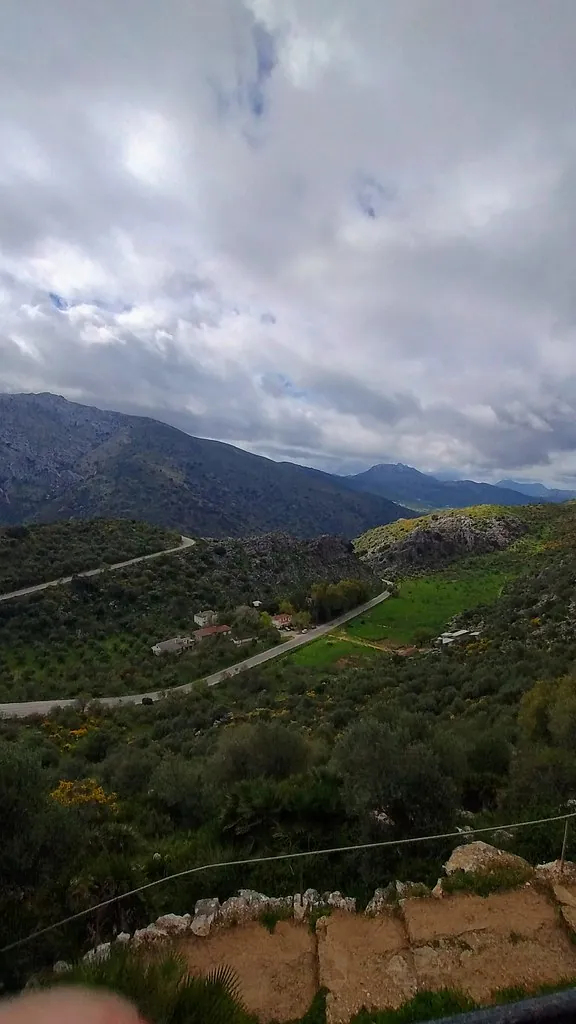
Júzcar forma parte de la red de pueblos diseminados por el Valle del Genal. Los unen carreteras comarcales sinuosas y, sobre todo, viejos caminos que siguen usándose para caminar. Durante siglos, fueron la vía habitual de comunicación entre comunidades antes de que llegaran las carreteras actuales.
El paisaje cambia con las estaciones. En otoño, son los castaños los que marcan el color del valle. El resto del año ganan presencia las manchas de alcornoques, quejigos y matorral mediterráneo. No es un cambio espectacular en escala, pero sí suficiente para alterar el carácter de las laderas según pasan los meses.
Desde alguna zona elevada cerca del pueblo, en días muy claros, a veces se distingue la línea del Mediterráneo al fondo. No es una vista constante, pero cuando aparece recuerda la relativa proximidad de la serranía a la costa, a pesar de las curvas y la orografía.
Varias rutas de senderismo parten del pueblo o pasan cerca, enlazando Júzcar con otros municipios del valle. Siguen líneas históricas de movimiento, dictadas por el terreno. Recorrerlas hoy da una idea de lo conectadas que han estado siempre estas comunidades, incluso en un paisaje de pendientes y recodos.
Cocina de temporada y producto local
La cocina aquí sigue el ritmo de lo que da cada temporada. En otoño, son frecuentes los platos con castañas y setas silvestres. El resto del año perduran los guisos serranos contundentes, las migas o los preparados con carne de cabra. También es fácil encontrar miel de la zona.
No es una cocina elaborada con técnicas complejas. Refleja más bien una forma de preparar los alimentos muy ligada al entorno inmediato y a lo que la serranía ha proporcionado tradicionalmente. Los ingredientes suelen ser directos, condicionados por lo que crece en el valle o se cría cerca. El resultado es una comida saciante y práctica, adecuada a un medio rural donde el trabajo físico y los inviernos frescos han marcado la vida diaria durante generaciones.
El calendario festivo
El ciclo festivo en Júzcar sigue vinculado al calendario agrícola y a la vida local. En verano tiene lugar la feria. Las calles se llenan más de lo habitual y muchos vecinos que viven fuera regresan por unos días. La población crece temporalmente y el ambiente pasa del sosiego a lo animado.
El otoño trae otro momento señalado, coincidiendo con la recogida de la castaña en el Valle del Genal. Suele organizarse un día dedicado a este fruto, con un carácter marcadamente local. La gente se reúne en torno a puestos donde se asan castañas, y el centro está en el encuentro y en marcar juntos el paso de la estación.
La Semana Santa también tiene su hueco. Las procesiones discurren por las calles azules del casco antiguo, lo que genera una imagen poco habitual en una región más asociada al blanco de la cal. El contraste entre tradición y color no altera el carácter religioso de los actos, pero sí les da un escenario visual distinto.
Cómo llegar y moverse
Júzcar se encuentra en el Valle del Genal, dentro de la Serranía de Ronda. El acceso habitual es por carretera desde Ronda, tomando después las vías comarcales que atraviesan la montaña. Los últimos kilómetros incluyen curvas y desniveles propios de esta parte de la provincia.
El pueblo en sí es pequeño y se recorre mejor a pie. Es recomendable calzado cómodo, ya que las cuestas son constantes y algunas calles conservan un empedrado irregular. Las distancias son cortas, pero el terreno hace que cada paseo requiera más esfuerzo del que parece a primera vista.
El azul de Júzcar atrae la mirada al principio, pero lo que permanece es su condición de pueblo colgado en una ladera, sus ritmos estacionales y su conexión con el valle. El color es reciente. El paisaje, la disposición de las casas y la forma de vida tienen raíces mucho más profundas.