Full Article
about Montecorto
Young independent municipality surrounded by water and nature, historically tied to the Roman ruins of Acinipo.
Hide article Read full article
Montecorto: un pueblo de la Serranía entre olivares
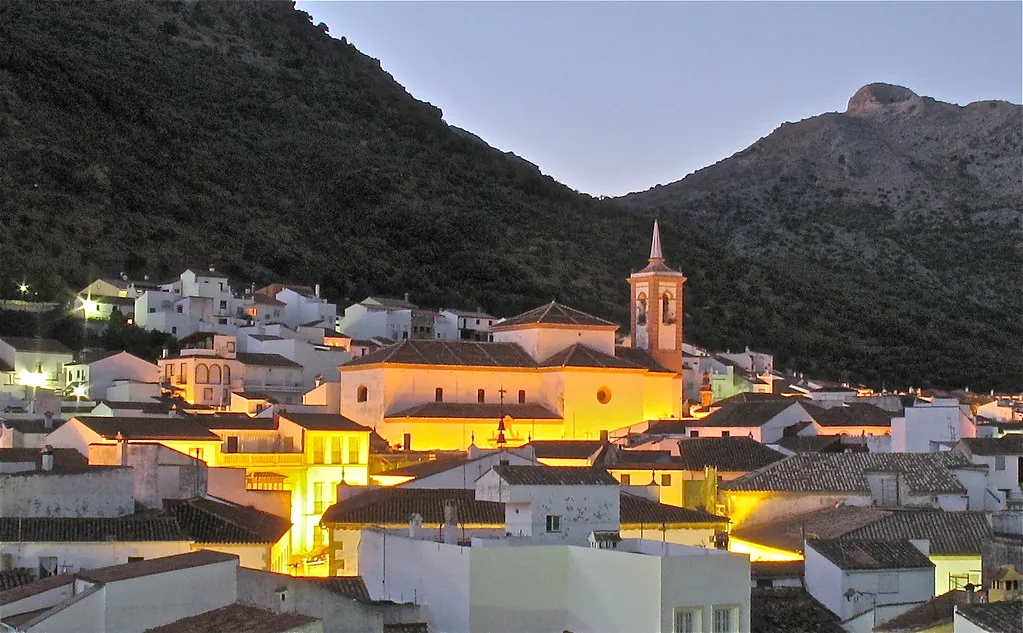
Montecorto es un municipio de la Serranía de Ronda, al este de la comarca y lindando ya con la campiña de Málaga. Su población ronda los 585 habitantes. El pueblo se adapta a un terreno quebrado, con calles cortas y alguna cuesta pronunciada, agrupándose de forma compacta alrededor de su plaza principal. Más allá, el paisaje se abre a un terreno de labor dominado por el olivar, que sostiene buena parte de su economía.
Su posición geográfica explica su carácter. Se encuentra en una zona de transición entre la serranía más agreste y el campo más suave que se dirige hacia el interior malagueño. No fue un núcleo histórico grande ni un centro comarcal, sino un asentamiento agrícola vinculado a las cortijadas y las tierras de alrededor.
Esta ubicación lo convierte en un punto práctico para acceder a otros lugares de la Serranía. Ronda está cerca, y también el área del parque natural de la Sierra de Grazalema. Aun así, Montecorto mantiene el foco en su entorno inmediato, un lugar definido más por el uso de la tierra que por el turismo o un patrimonio monumental.
La iglesia y la trama urbana
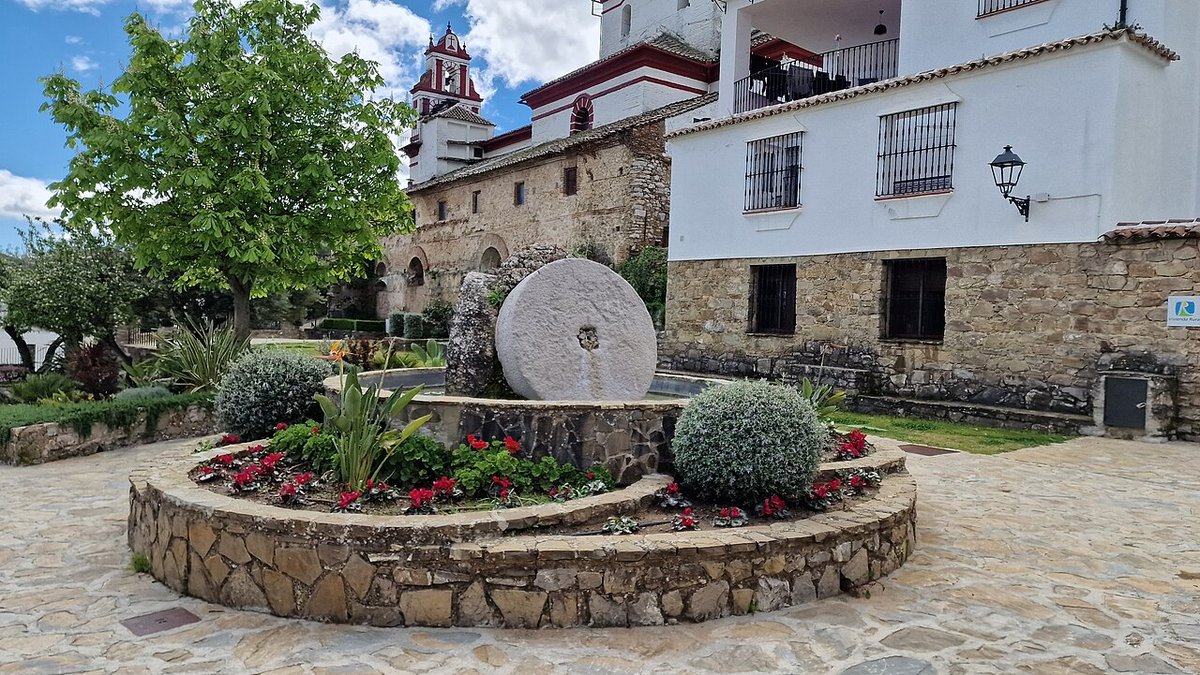
En el centro del pueblo está la iglesia de San Sebastián. El edificio actual es en gran parte resultado de reformas posteriores, aunque la parroquia se remonta al siglo XVI, época en que se reorganizaron muchos asentamientos de la zona tras la conquista castellana. La iglesia es de escala modesta, acorde con el tamaño del pueblo, y su torre sirve de referencia clara al moverse por las calles.
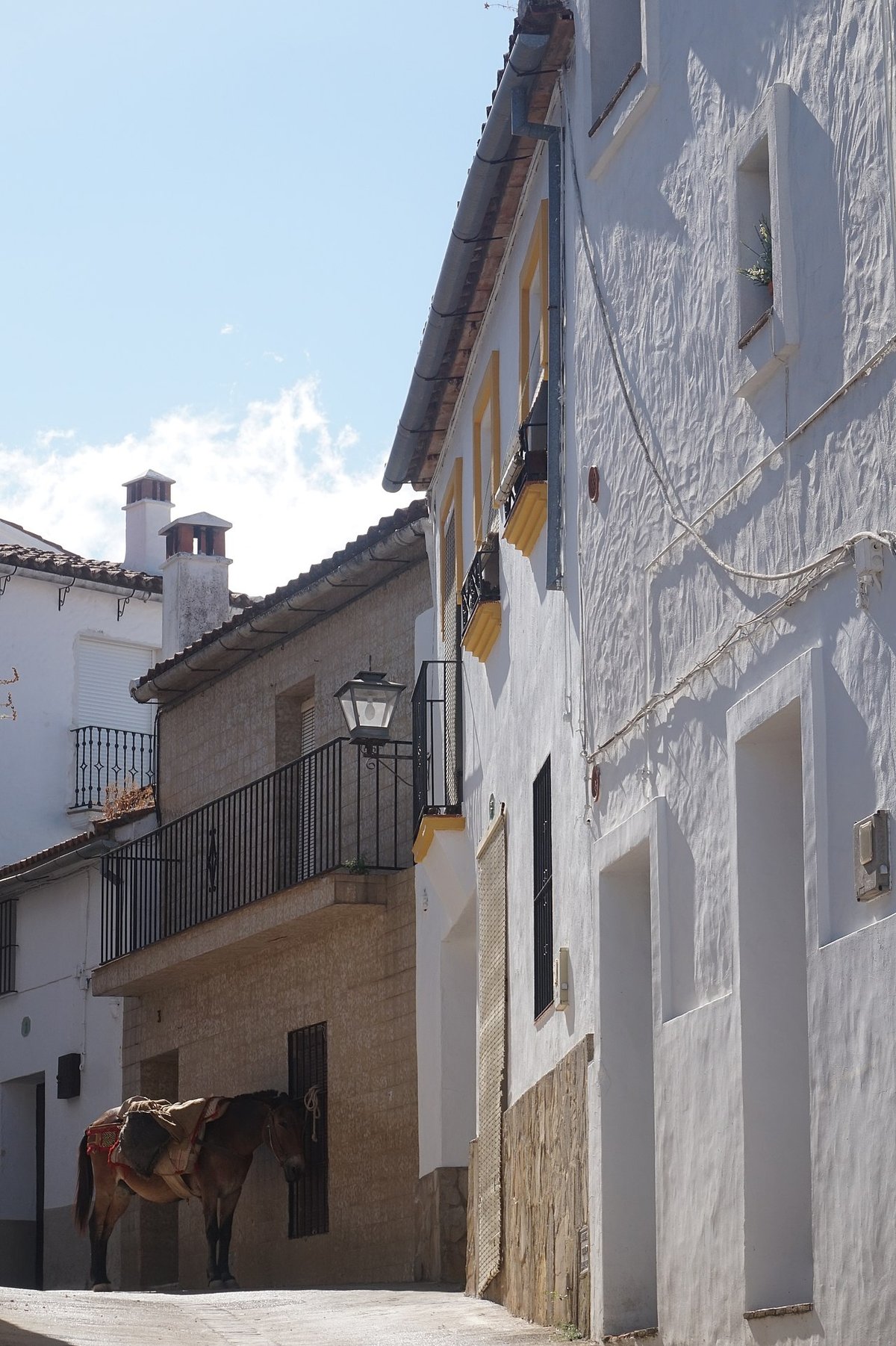
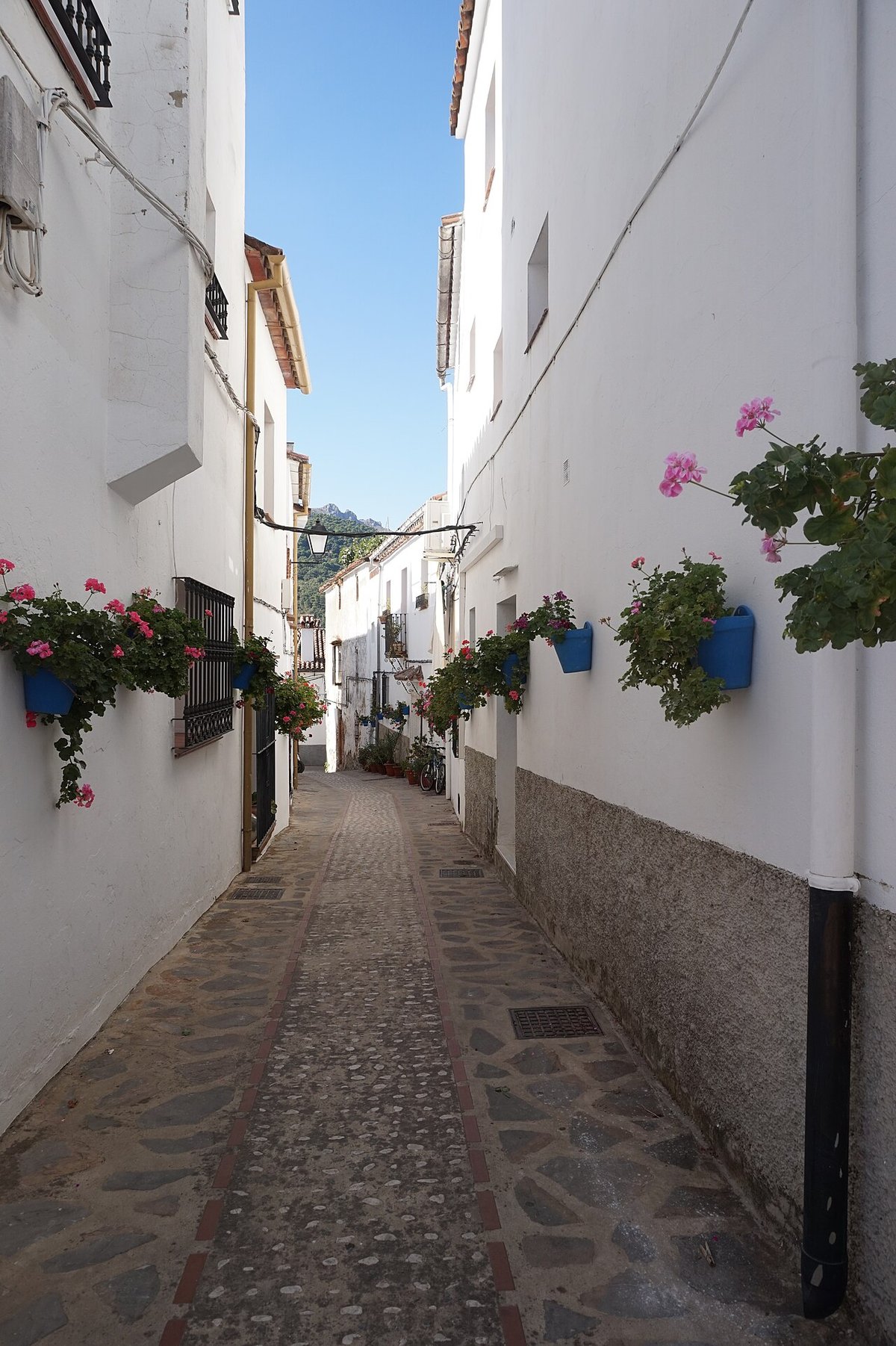
El resto del caserío responde a una tipología rural coherente, propia de la Serranía. Casas encaladas, rejas de hierro en las ventanas y pequeños balcones con macetas. No hay edificios señoriales, pero sí una continuidad clara en la forma de construir y disponer las viviendas. La plaza del Ayuntamiento funciona como centro de la vida diaria, concentrando los servicios básicos y siendo el lugar donde se reúne la gente.
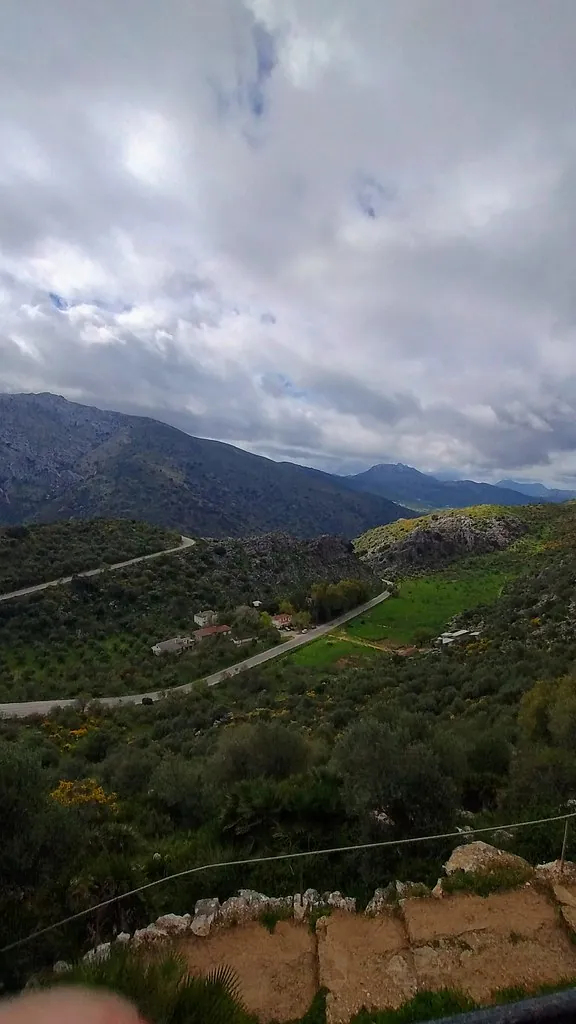
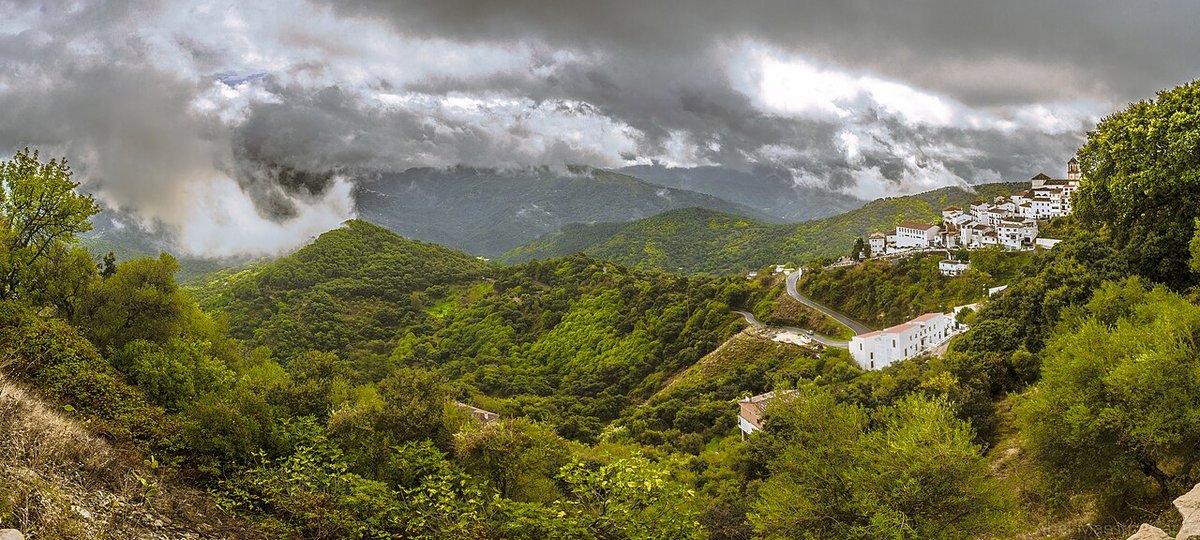
Al salir del casco urbano, el paso al campo es inmediato. Los caminos agrícolas y las carreterillas locales empiezan casi en el borde de las últimas casas. Desde algunos puntos cercanos se obtienen vistas amplias sobre los olivares y hacia las lomas circundantes. El paisaje mezcla el terreno cultivado con vegetación mediterránea: encinas dispersas, acebuches y algarrobos, junto con matorral bajo aromático que cambia notablemente con las estaciones.
Caminar por los alrededores
Los terrenos alrededor de Montecorto se prestan a recorridos a pie, sobre todo por caminos rurales que antiguamente conectaban cortijos y parcelas. Muchos de estos itinerarios atraviesan olivares y zonas de matorral. No suelen estar señalizados de forma sistemática, por lo que conviene informarse localmente o consultar mapas antes de salir.
Caminar aquí tiene menos que ver con seguir una ruta marcada y más con entender cómo se organiza el territorio. Los caminos reflejan un uso agrícola tradicional, uniendo zonas de trabajo más que miradores en un sentido formal. Esto les da un carácter práctico, muy ligado a los ritmos del campo.
La fauna es la propia de un paisaje agrícola mediterráneo. Con algo de atención se pueden ver palomas torcaces o perdices, y abejarucos durante los meses cálidos. En los periodos de migración es frecuente ver aves en paso entre las sierras cercanas, lo que añade una dimensión estacional al entorno.
El ciclo anual: fiestas y cosecha
El calendario en Montecorto lo marcan tanto las tradiciones religiosas como las labores del campo. Los actos en honor al patrón, San Sebastián, se celebran en invierno y suelen incluir eventos religiosos y encuentros vecinales. Son ocasiones que reúnen a la comunidad en una época más tranquila del año.
El verano tiene otro ambiente. Como en muchos pueblos de la Serranía, los meses cálidos traen el regreso de quienes viven fuera gran parte del año. Se organizan actividades en la plaza y los eventos al aire libre son más frecuentes, aprovechando las tardes largas.
La recolección de la aceituna sigue siendo central. Ocurre en otoño y principios del invierno, y continúa siendo una referencia importante para muchas familias. En torno a esta época se mantienen comidas y costumbres ligadas al trabajo rural, reforzando el vínculo entre el pueblo y su base agrícola.
Cómo llegar y moverse
Se llega a Montecorto por carretera, a poca distancia de Ronda por vías comarcales. También se puede acceder desde la zona de Campillos y la campiña de Málaga. El último tramo son carreterillas locales con curvas, propias de la Serranía de Ronda.
El pueblo en sí se recorre en un tiempo relativamente breve. Más que en monumentos concretos, el interés está en ver cómo se organiza el asentamiento y cómo se relaciona con el paisaje olivarero que lo rodea. Caminar por sus calles y después salir al campo cercano da una idea más clara de cómo se ha configurado aquí la vida diaria.
Para quien planee caminar por los alrededores, conviene ir preparado. Un calzado cómodo es aconsejable, y llevar agua resulta importante sobre todo en los meses más calurosos. La experiencia es sencilla pero con los pies en la tierra, centrada en la relación entre un pueblo pequeño y el terreno que lo sustenta.