Montejaque - Flickr
Andalucía · Passion & Soul

Montejaque

The goat bells start before the sun clears the limestone ridge. From any roof terrace in Montejaque you can track the sound as it drifts across the...

945 inhabitants · INE 2025
690m Altitude

Why Visit

Mountain Montejaque Dam (hundidero) Caving

Best Time to Visit

spring

May Fair (May) mayo

Things to See & Do
in Montejaque

Heritage

  • Montejaque Dam (hundidero)
  • Speleology Interpretation Center
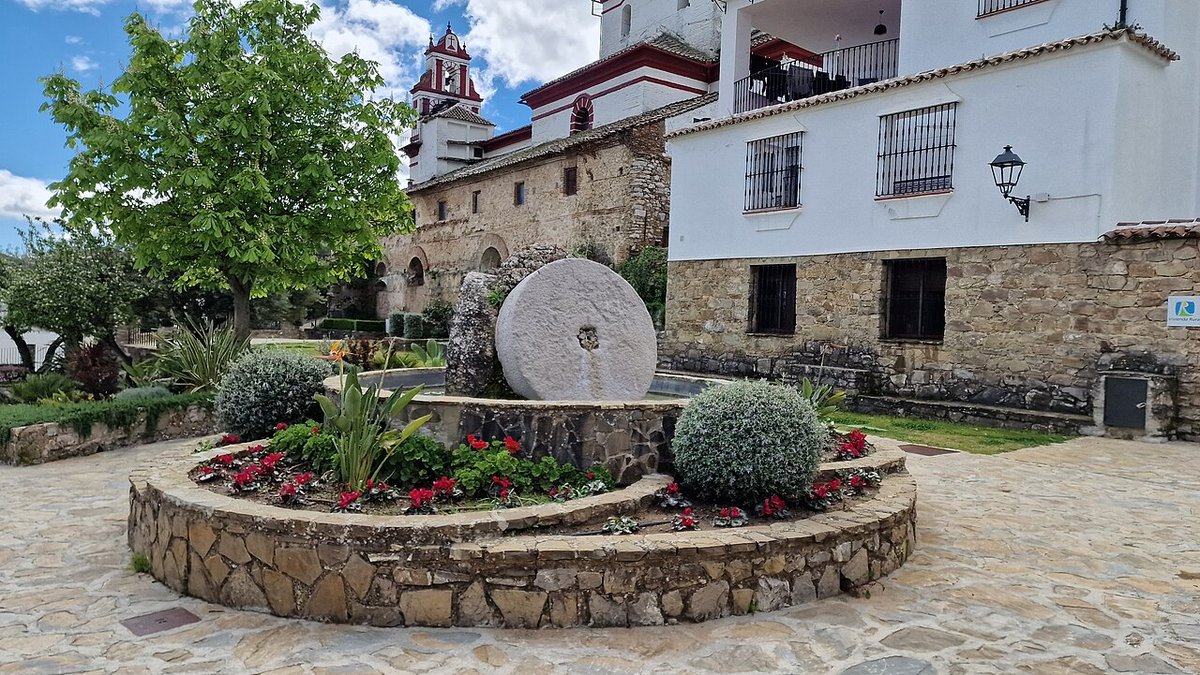
  • Old Fountain Washhouse

Activities

  • Caving
  • Hiking to Hundidero
  • Tapas Route

Festivals
& & Traditions

Fecha mayo

Feria de Mayo (mayo), Juegos del Cántaro (febrero)

Las fiestas locales son el momento perfecto para vivir la autenticidad de Montejaque.

Full Article
about Montejaque

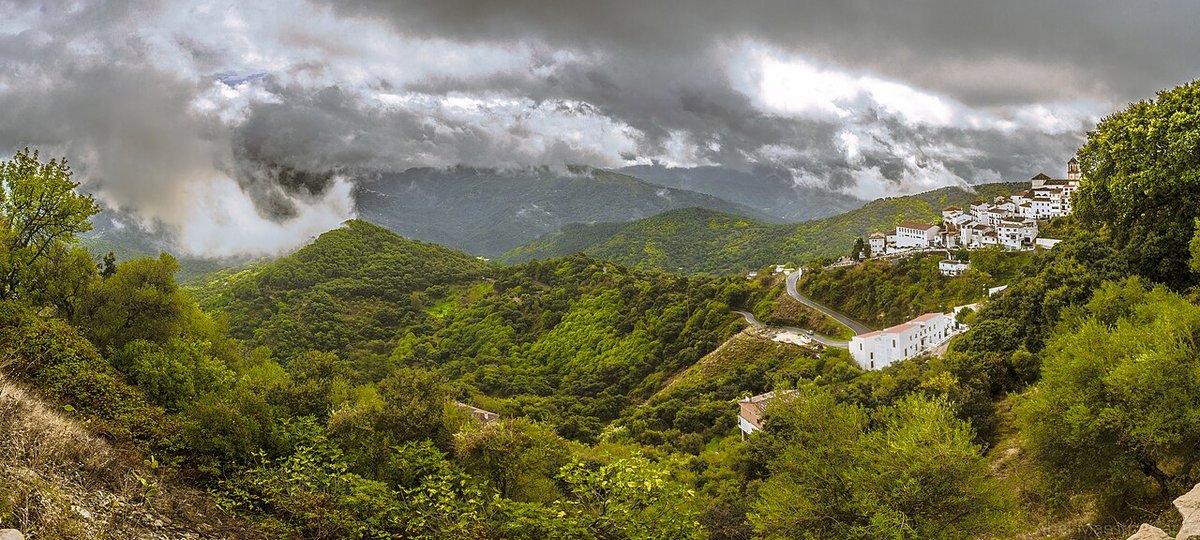
Mountain village in the Sierra de Grazalema Natural Park, set in striking karst scenery and home to the Presa de los Caballeros.

Ocultar artículo Leer artículo completo

The goat bells start before the sun clears the limestone ridge. From any roof terrace in Montejaque you can track the sound as it drifts across the gorge – first one animal, then a dozen, clanking like badly-tuned sleigh bells. By seven the bakery on Calle Real has pulled its metal shutter halfway up, releasing a puff of yeasty air into the lane. This is the village's daily overture: no traffic hum, no café playlists, just bells, dough and the occasional diesel cough of a farmer's pickup.

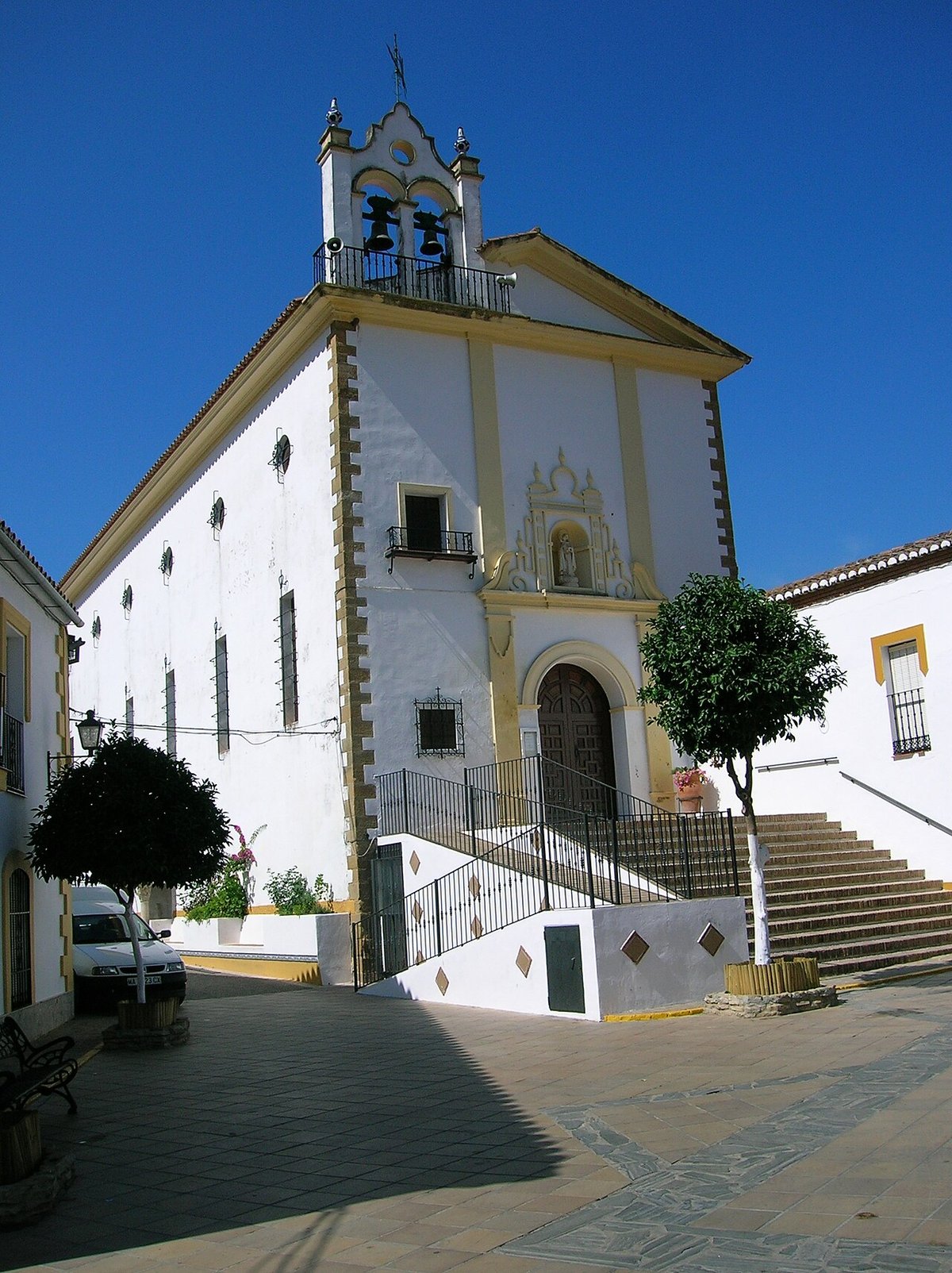
At 690 m Montejaque is high enough for the air to feel rinsed. In January that means 4 °C inside houses built for summer heat; in August it translates to bearable nights when the Costa del Sol is still sweltering at midnight. The altitude also explains the 300-ft thigh-burn you must climb to reach almost every walking route – a detail repeated with relish by the Yorkshire woman who lets two self-catering casas near the church. "Poles, not stilettos," she warns guests, pointing to the shiny cobbles that turn into an ice-rink at the first spot of rain.

A village that never quite finished growing

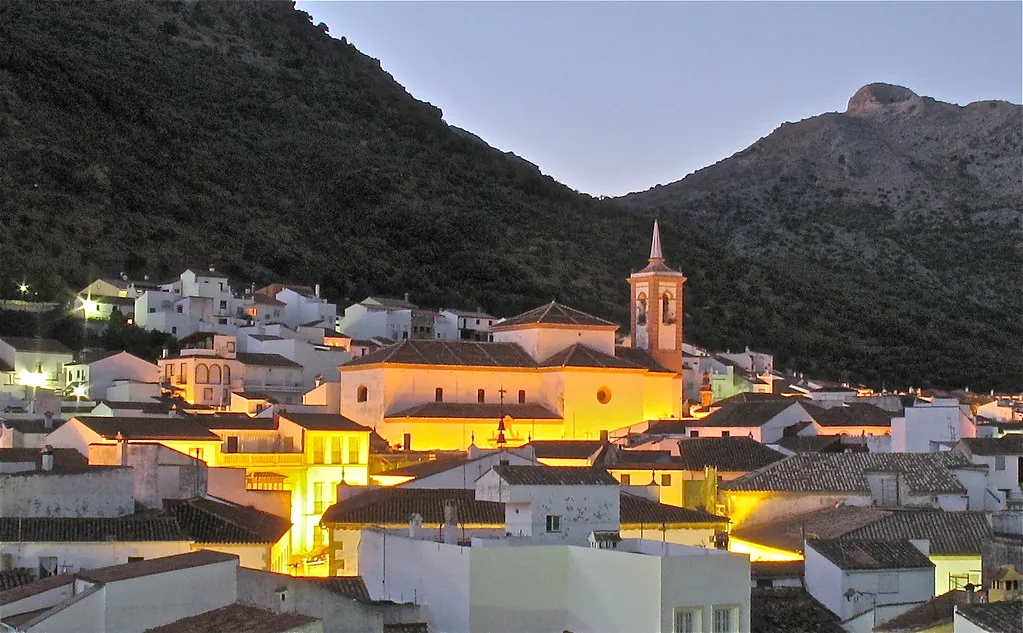
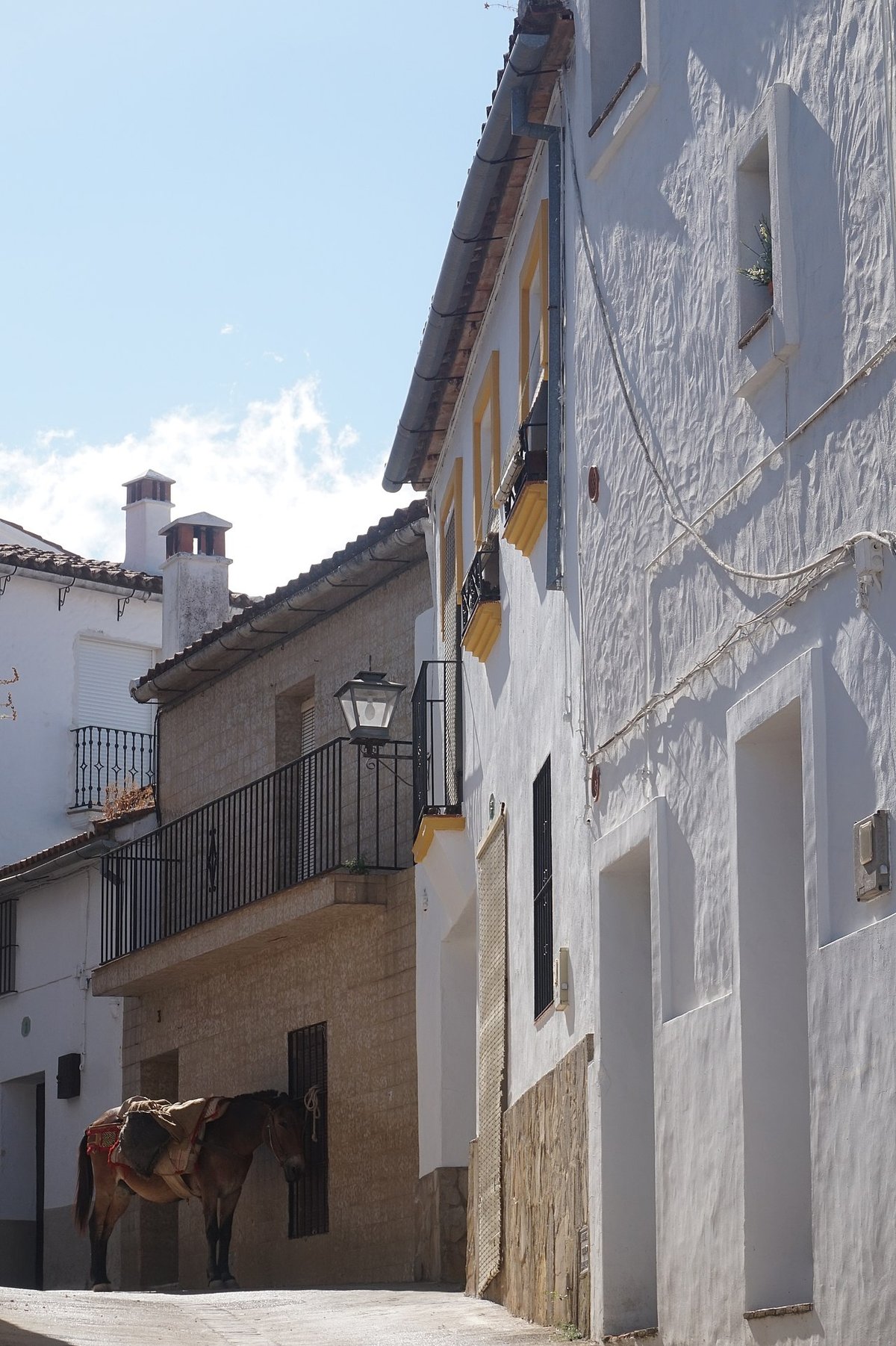
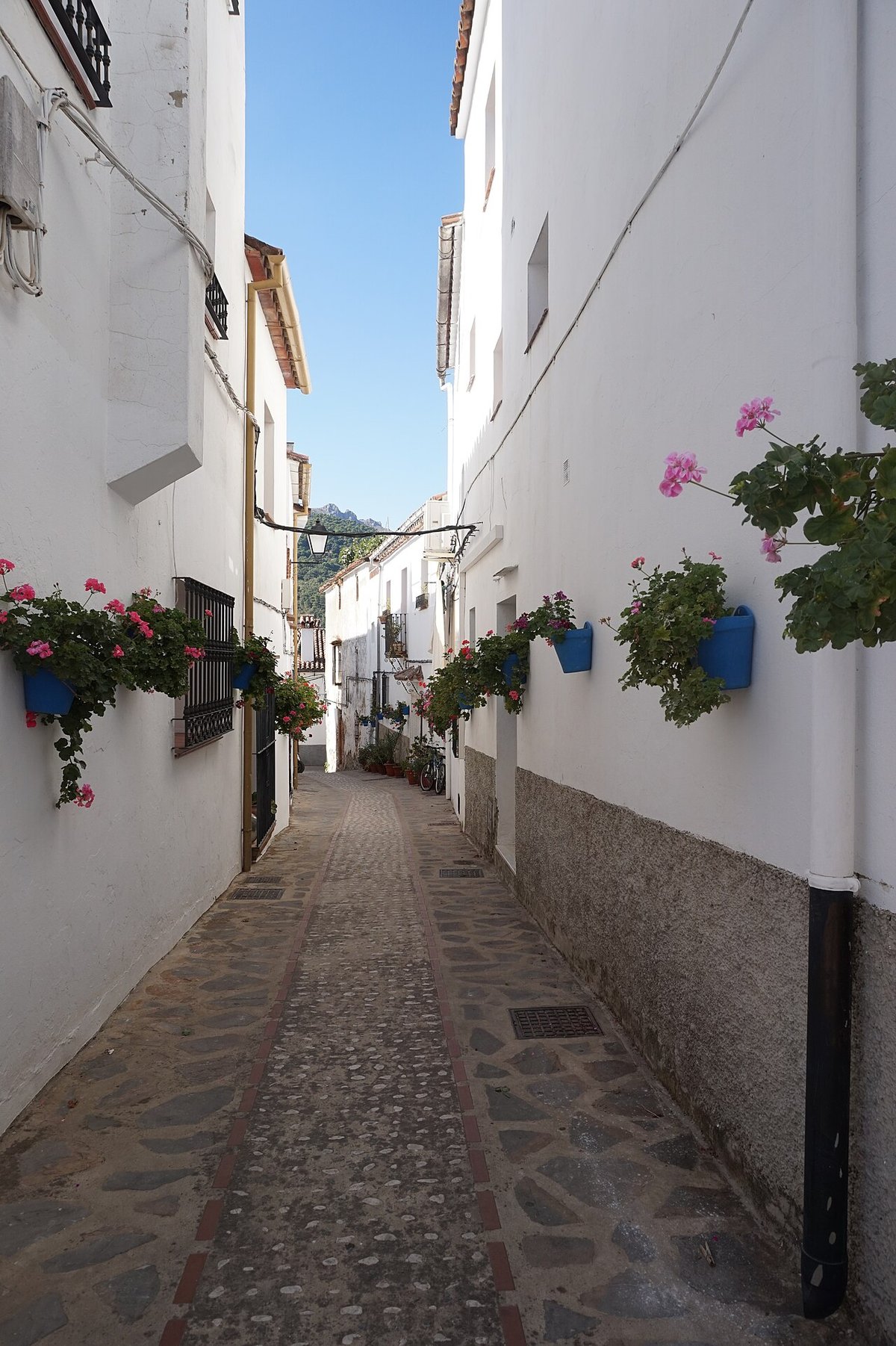
Houses grip the hillside like barnacles, their walls painted with the cheapest defence against sun – whitewash mixed here since Moorish times. Streets were laid out for donkeys, not Fiestas; wing mirrors fold in automatically after a week. Park on the ring-road the moment you see a gap; the Plaza de la Constitución looks civilised but is a cul-de-sac designed for local entertainment as visitors attempt seventeen-point turns under plane trees.

What keeps the place honest is that tourism arrived late and lightly. There are no souvenir shops, no flamenco tablaos, no craft-beer taprooms. The Thursday market occupies ten stalls: socks, melons, cheap drill bits, gossip. The Spar opens at nine, shuts at two, reopens at five and stays open until the owner hears the bar television announce the football results. Cash is still preferred; the solitary ATM jams on bank-holiday weekends and the nearest working alternative is ten minutes down the mountain in Benaoján.

Walking into stone and silence

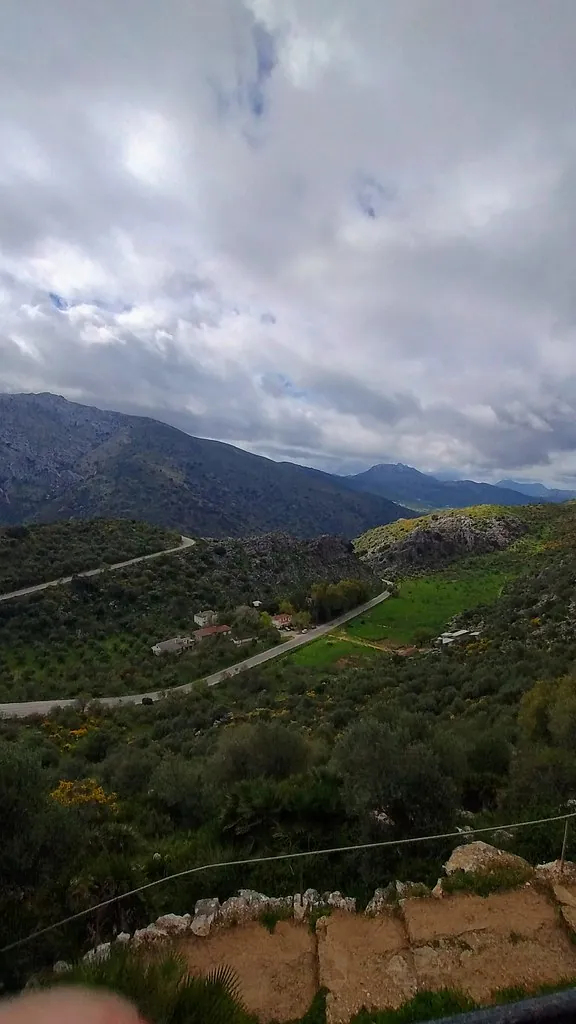
Trails leave the village as though tipped out of a funnel. South-east, the path drops into the Valle de Montejaque, then climbs through rosemary and dwarf oak to a ridge where vultures turn lazy circles. An hour further lies the Cueva del Hundidero, a cave mouth 50 m high that swallows a whole river. Inside, the sound of water echoes like distant traffic; in April the stream can reach your waist, which is why the local speleology centre (WhatsApp +34 600 123 456) insists on helmets, harnesses and a forecast check. They rent gear for €15 and guide groups July to December when water levels behave.

North-west, a stonier track follows an old grain mule route towards Benaoján station. The gradient never quite relents; knees will complain, but the payoff is a view across the Guadiaro plain that, on clear days, stretches to Gibraltar. Early risers sometimes see wild boar on the lower terraces, rooting among olive trees abandoned when picking costs overtook oil prices.

If you prefer iron rungs to goat tracks, the village via ferrata threads a limestone cliff 2 km west of the cemetery. Fixed cables were bolted by Swiss climbers in 2018; the route is short (grade K3), takes 45 minutes, and ends on a platform where griffon vultures launch themselves at thermals created by your hat. Not for vertigo sufferers, but an efficient adrenaline hit before lunch.

What arrives on the lunch plate

Food is mountain-weight. Chivo (kid) arrives in a clay dish, its edges caramelised from slow oven time. Sopas de ajo – garlic soup thickened with bread and speckled with paprika – costs €4 at Bar Niño and will keep you walking until dusk. The same family kitchen plates ajo blanco, almond gazpacho, when temperatures top 30 °C. Pudding is often torta de aceite, a paper-thin biscuit fragrant with anise and olive oil, made by the baker's sister and sold until it runs out – usually by Saturday noon.

Vegetarians survive on tortillas, salads and the goodwill of whoever is behind the range. Vegan travellers should self-cater; the Spar stocks chickpeas, local tomatoes that taste of something, and vacuum-packed walnuts from the Genal valley. Buy early: tills close for siesta and reopen only when heat loosens its grip.

Foreigners who came for a week and stayed for planning permission

Montejaque's permanent foreign head-count hovers around forty – Americans escaping post-Trump headlines, a Canadian engineer who logs on at 4 a.m. to match Calgary office hours, a Scots sculptress who donated the metal goat outside the ayuntamiento. They join Dutch painters, Hungarian potters and French retired teachers, all visible at 11 p.m. on the bar terrace, swapping broadband tips and comparing council-tax bills that wouldn't cover a London garage.

Integration is not compulsory but it is swift. Learn to greet the older men on the bench outside the chemist: "Buenos días, ¿qué tal?" suffices. Failure earns a gentle silence that feels like being wrapped in wool. Bring your own shopping bags, don't photograph the interior of the church during mass, and accept that dogs belong in bars but rucksacks do not.

Seasons that change the soundtrack

Spring explodes overnight. Between late March and early May the surrounding hills turn improbably green; orchids appear beside the cemetery wall and shepherds complain of over-energetic lambs. Daytime temperatures sit in the low twenties, ideal for eight-hour circuits to the Roman bridge at Jimera de Líbar. Nights stay cool; pack a fleece.

Summer is reliable: 32 °C in the shade at three o'clock, 18 °C at dawn. Locals shift their lives two hours forward – breakfast at ten, dinner after ten – and close the heavier shutters. Visitors who insist on midday walks learn the Andalusian meaning of "insolation". The village pool, 2 km out on the Grazalema road, costs €3 and sells chilled beer under pine trees; opening hours are posted on a chalkboard that changes according to lifeguard availability.

Autumn smells of fermenting grapes and woodsmoke. It is the favourite season for resident foreigners: light softens, paths empty, restaurants stop serving chips with everything. Wild mushrooms appear on menus; prices rise by €2 and nobody apologises.

Winter is sharp. Damp air drifts up from the gorge and clings to stone; inside, tiled floors feel like slabs of ice. Bars install gas heaters that glow red and smell faintly of kerosene. On clear days you can see the Rif Mountains across the Strait; on cloudy days the village sits in its own cloud, headlights at midday, cobbles slick as graphite. Driving snow is rare but not unknown – the last fall was February 2021, photographed gleefully by children who had previously seen snow only on television.

How to fall off the map without getting lost

The nearest railway station is Benaoján-Montejaque, 12 minutes by car or 45 minutes on foot downhill. Three Renfe trains a day run to Ronda (18 min) and Algeciras (1 h 40), where you can connect to the high-speed line to Madrid. A single ticket to Ronda costs €4.60; buy on board because the station ticket machine is often out of order.

If you fly into Málaga, hire a small car. The A-357 towards Campillos splits at Ardales; follow the MA-8401 past the turquoise reservoir of Guadalhorce and up into the sierra. The final 8 km are tight but paved; meeting a lorry requires reversing to the nearest passing bay – locals wave thanks, visitors grip the wheel and breathe through their teeth.

Accommodation is limited to a handful of casas rurales and one hotel annex. Keys are collected at the bar; Wi-Fi works in the lower streets on Vodafone, patchily on EE and O2. Mobile blackspots are useful excuses for not checking office email; claim them with a straight face.

Leaving before the bells change their tune

Montejaque will not flatter you with luxury. It offers instead a calendar that still follows goat bells, a bakery that sells out by ten, and a bar where the television is switched off when conversation becomes interesting. Stay a week and you will recognise the postman's whistle, know which balcony hangs the geraniums that actually get watered, and learn the exact gradient of the hill between the church and the cemetery. Leave before you start advising newcomers on parking – that is the moment you have stopped travelling and begun to move in.

Key Facts

Region
Andalucía
District
Serranía de Ronda
INE Code
29074
Coast
No
Mountain
Yes
Season
spring

Livability & Services

Key data for living or remote work

2024
ConnectivityFiber + 5G
TransportTrain nearby
HealthcareHospital 9 km away
EducationElementary school
Housing~6€/m² rent · Affordable
Sources: INE, CNMC, Ministry of Health, AEMET

Planning Your Visit?

Discover more villages in the Serranía de Ronda.

View full region →

More villages in Serranía de Ronda

Traveler Reviews