Full Article
about Parauta
Small white village surrounded by chestnut forest in the Genal Valley, gateway to the Natural Park.
Hide article Read full article
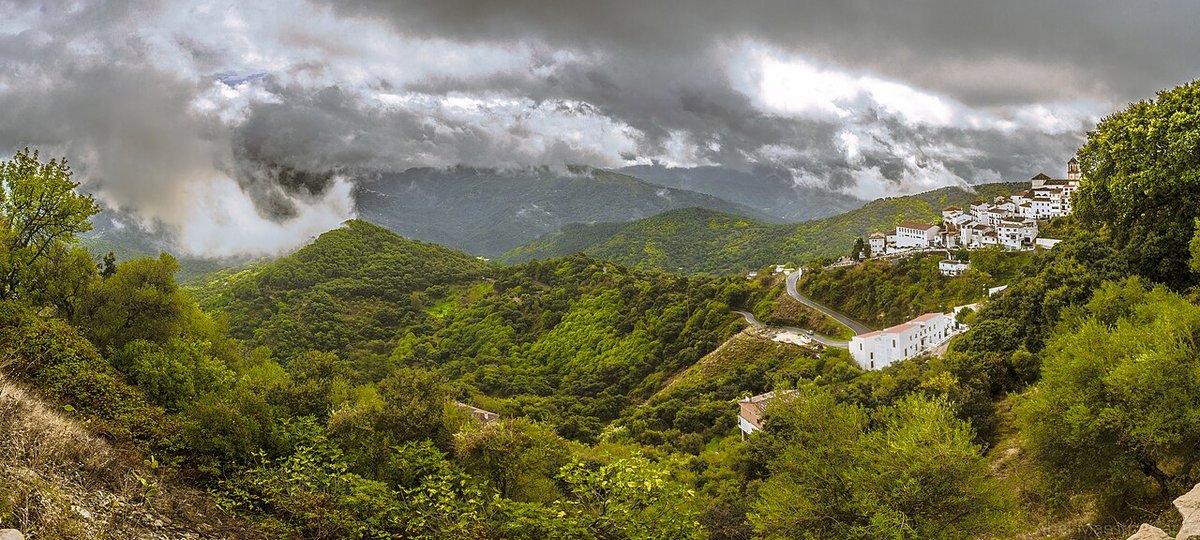
Parauta stands on the northern slope of the Serranía de Ronda, around 800 metres above sea level, overlooking the Genal Valley in the province of Málaga. With just over two hundred residents, it is one of those small Andalusian villages where scale shapes daily life. The pace is steady, closely tied to farming and to the seasonal rhythms of the surrounding hills.
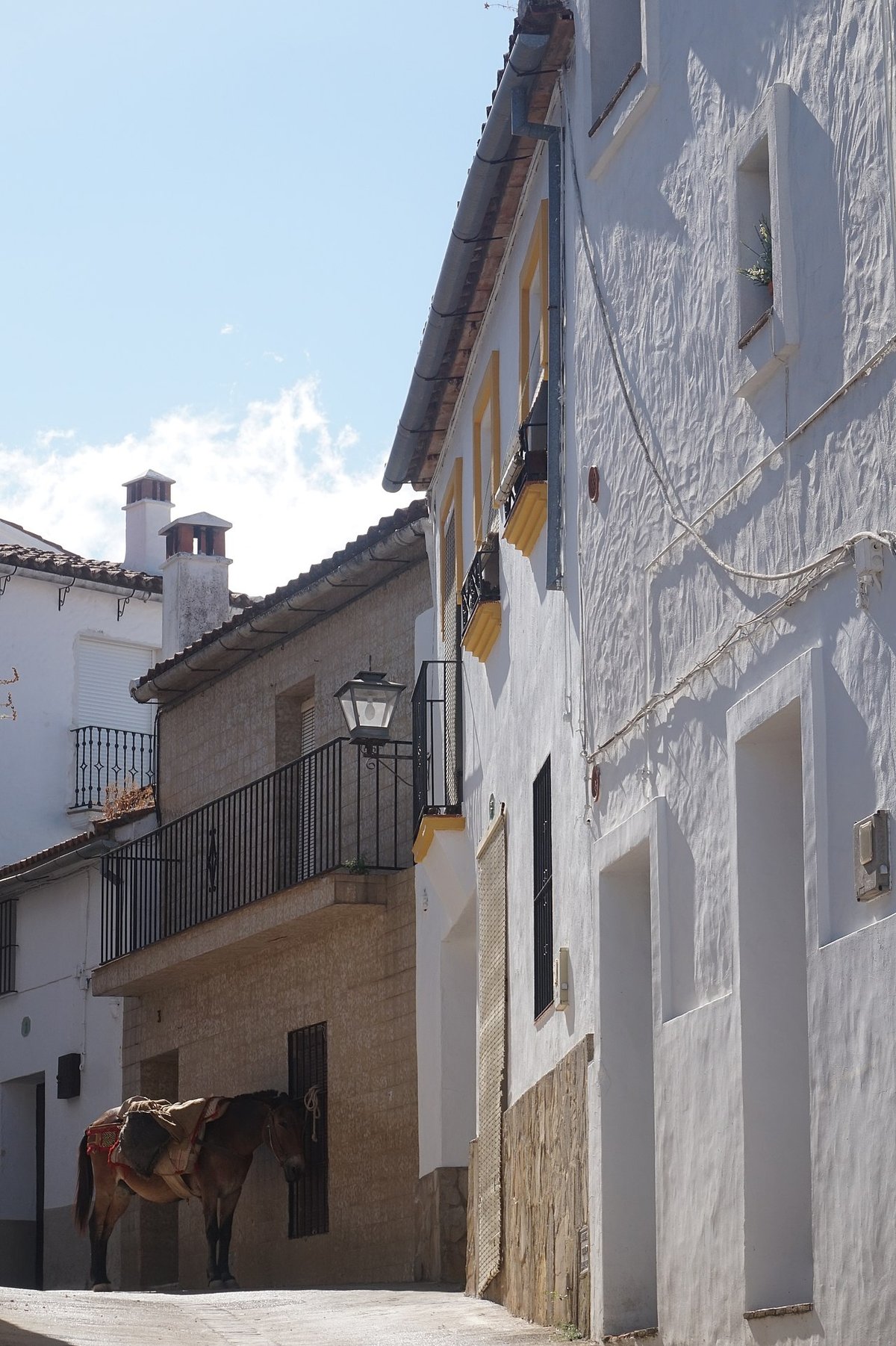
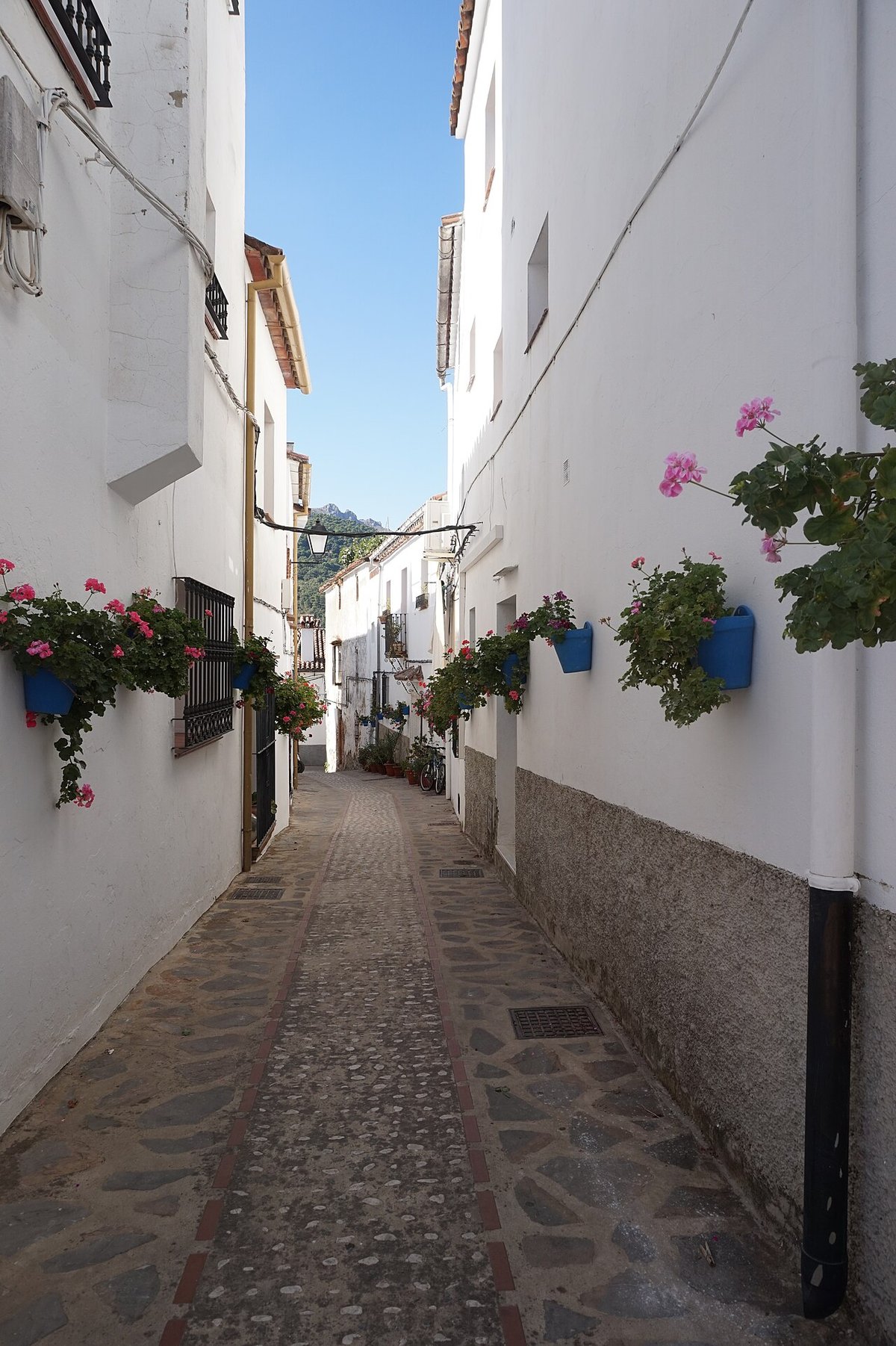
Its layout still reflects, in large part, its Andalusí past, referring to the centuries of Muslim rule in southern Spain during the Middle Ages. Narrow streets, short inclines and tightly grouped houses follow the natural contours rather than imposing order on them. The village seems to grow out of the hillside, adjusting to the terrain instead of reshaping it.
A Settlement Shaped by the Hills
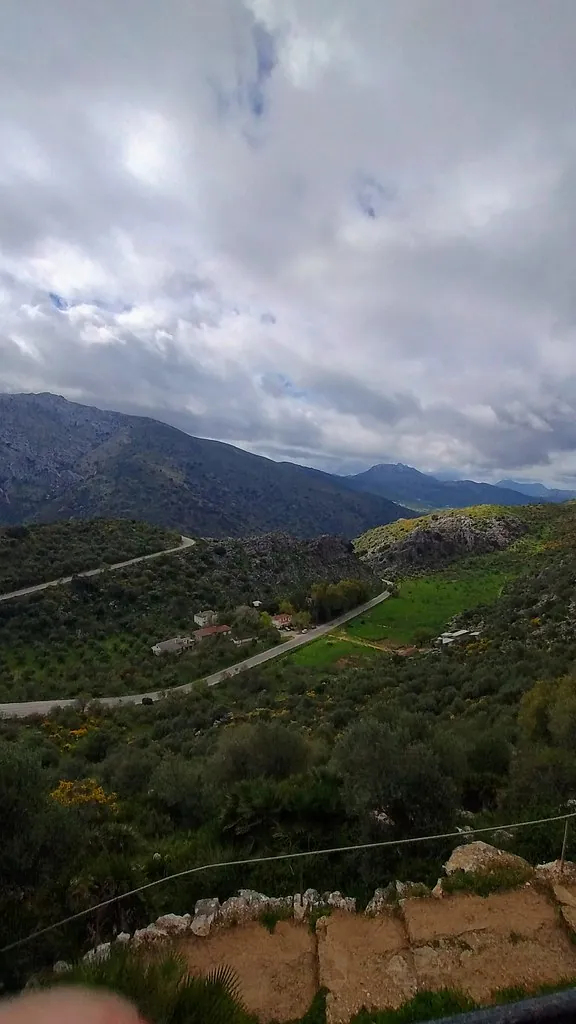
The village centre occupies a small promontory facing the valley. From several points within the old quarter there are open views towards nearby sierras and across slopes dotted with holm oaks and olive groves. Lower down, chestnut trees begin to appear. The chestnut is a familiar feature in this part of the Genal Valley, and in autumn the shift in colour across the landscape becomes particularly noticeable.
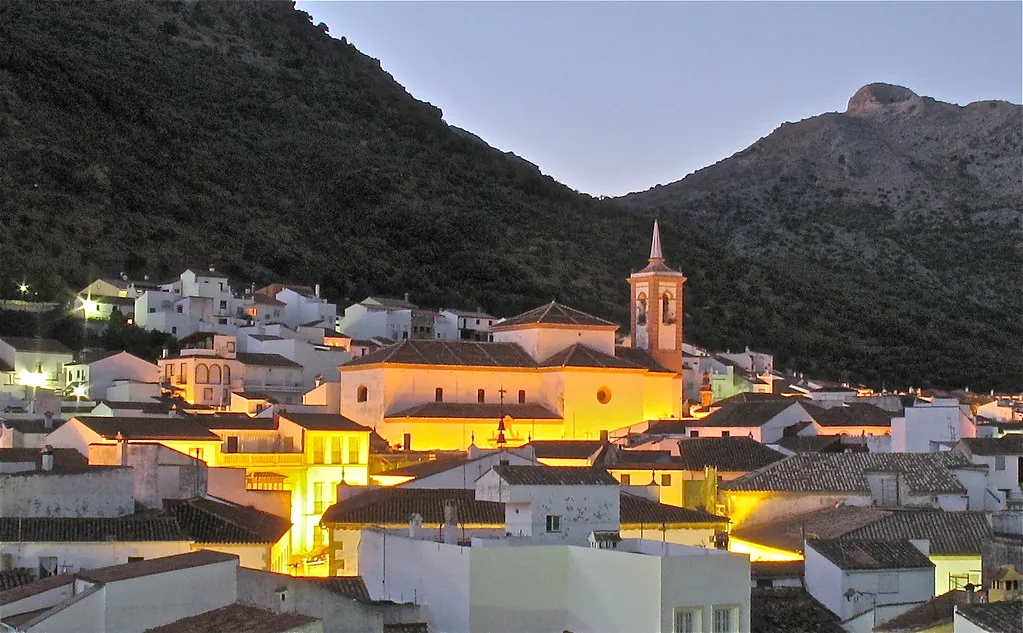
Most of the houses are whitewashed, a common feature in Andalusia where lime has long been used both as a practical and climatic solution. They cluster around the Iglesia de la Inmaculada Concepción. The current church dates from the 16th century, built after the territory was incorporated into the Crown of Castile. Like many parish churches in the Serranía de Ronda, it is simple in form: a single nave, modest proportions and later alterations that have adapted it to the changing needs of the community over time.
There is little monumental architecture here. The interest lies instead in how the buildings sit together, how streets open unexpectedly onto views of the valley, and how the settlement maintains a close relationship with its surroundings.
Streets, Fountains and an Agricultural Past
Walking through Parauta means wandering without a strict plan. The short slopes and small squares invite unhurried exploration. In the centre, a public fountain has been preserved. For generations it served as a daily meeting point, a place where neighbours crossed paths and news was exchanged.
Scattered around the village and its outskirts are reminders of the traditional rural economy. Threshing floors, where cereal was once separated from the chaff, still exist as traces of earlier agricultural practices. Old cortijos, rural farmhouses typical of southern Spain, are dispersed across the municipal area. These buildings once formed the backbone of working life in the fields.
Olive cultivation has long played an important role here, alongside small vegetable plots and the use of surrounding woodland resources. Many of the paths now used for walking or hiking began as working routes. They connected fields and neighbouring villages, enabling people to reach their land or travel through the valley before modern roads reshaped movement across the region.
Paths into the Serranía de Ronda
Several footpaths leave Parauta, descending towards the Genal Valley or heading into areas of Mediterranean woodland. The landscape shifts according to altitude and orientation: olive groves in one direction, holm oaks in another, chestnut trees where conditions suit them best.
Wildlife is part of the experience, though often discreet. Small birds of prey can sometimes be seen overhead, and early in the day there may be signs of mammals moving through the undergrowth. The sense of being close to the natural environment is constant, especially once beyond the last houses.
Spring and autumn are generally the most comfortable seasons for walking these routes. Temperatures tend to be milder, and the hills change character as the year advances. In autumn, the chestnut groves contribute to the marked colour transformation of the Genal Valley. In spring, new growth alters the tones and textures of the vegetation.
The appeal of these walks lies less in marked viewpoints or facilities and more in observing gradual transitions between chestnut woodland, olive groves and scrubland. It is a landscape shaped by centuries of cultivation, yet still strongly defined by natural patterns.
Festivities and Everyday Life
The festive calendar in Parauta follows the pattern common to many small villages in the Serranía. The Inmaculada Concepción, the village’s patron saint, is celebrated in December. The occasion includes religious events and gatherings that bring neighbours together.
In summer there are usually festivities that coincide with the temporary return of those who live elsewhere and come back during the holidays. At that time of year the population increases, and social life becomes more visible in the streets and squares.
Some years also see activities linked to olive cultivation or the olive harvest. These initiatives recall the importance of the olive grove in the local economy. They tend to have a strongly local character, aimed more at residents than at visitors.
Throughout the year, daily life remains rooted in the small scale of the community. With so few inhabitants, relationships are direct and spaces are shared. The village does not reinvent itself for tourism; it continues largely in line with its agricultural background.
Practical Orientation and What to Notice
Parauta lies a short distance from Ronda, on the far side of the roads that descend into the Genal Valley. The final approach follows mountain stretches with numerous bends, a common feature in this part of the Serranía de Ronda.
The village itself can be explored quickly on foot. Much of the interest lies in its surroundings: following the paths that lead out of the built-up area and observing how the landscape changes between chestnut groves, olive orchards and low Mediterranean scrub.
Those interested in traditional architecture may find it worth paying attention to the modest details of older houses. Thick walls, small windows and interior courtyards respond more to climate than to decorative ambition. In summer, such features help keep interiors cool; in winter, they offer shelter from the damp mountain air.
Parauta does not rely on major landmarks or large-scale attractions. Its identity is bound up with its position above the Genal Valley, its agricultural past and the way its streets adapt to the hillside. For visitors exploring the Serranía de Ronda, it offers a clear sense of how geography, history and daily life continue to intersect in a small Andalusian community.