Full Article
about Pujerra
Hidden village among chestnut trees, known for its chestnut production and quiet rural atmosphere.
Hide article Read full article
Pujerra: un pueblo del Genal hecho de castañas
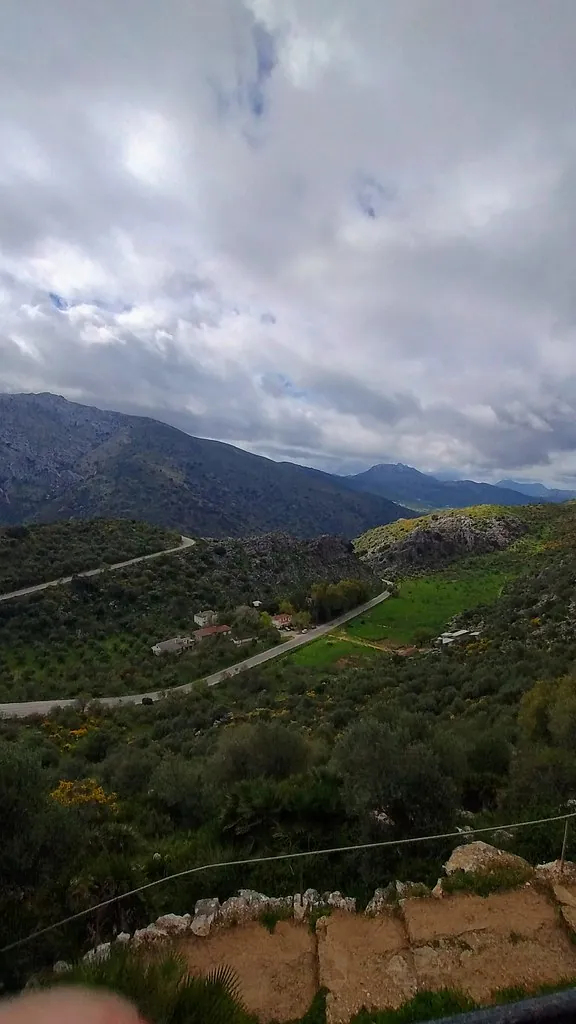
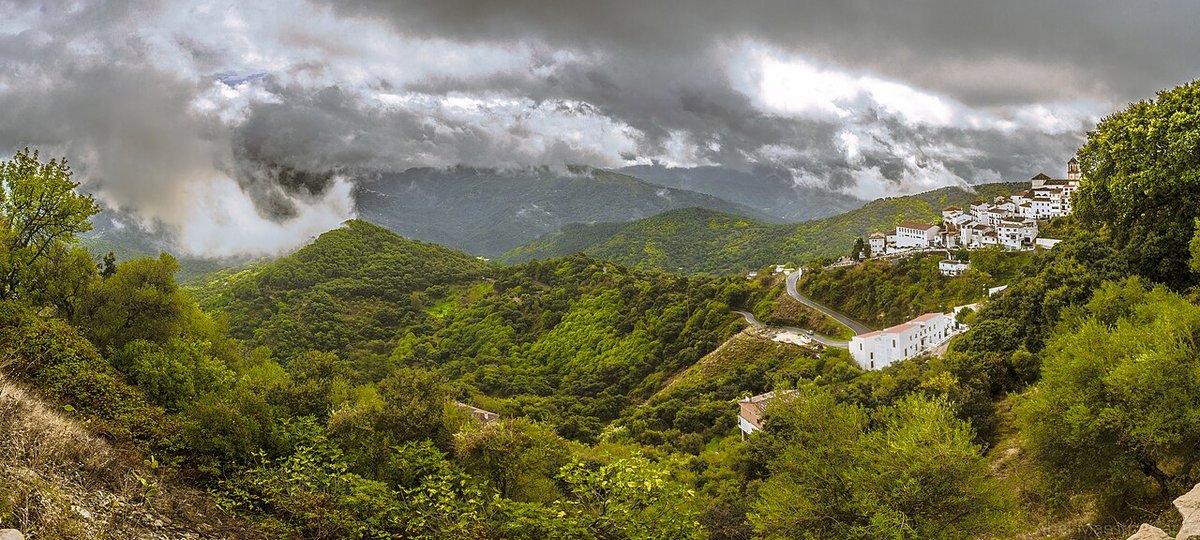
La carretera que baja desde Ronda hacia el Valle del Genal se estrecha y serpentea. Pujerra aparece después de una curva, a 775 metros, encaramado en la ladera. Su posición no es casual: históricamente, este rincón entre Málaga y Cádiz fue de paso complicado. Ese relativo aislamiento se nota en el trazado del pueblo, que se adapta a la topografía sin concesiones.
La vida aquí ha girado en torno al castaño durante siglos. La economía local se construyó sobre los castañares, que aún cubren las laderas del municipio. No son un elemento decorativo; son la razón de ser del lugar. En otoño, su cambio de color transforma por completo la vista del valle.
Trazado urbano y arquitectura popular
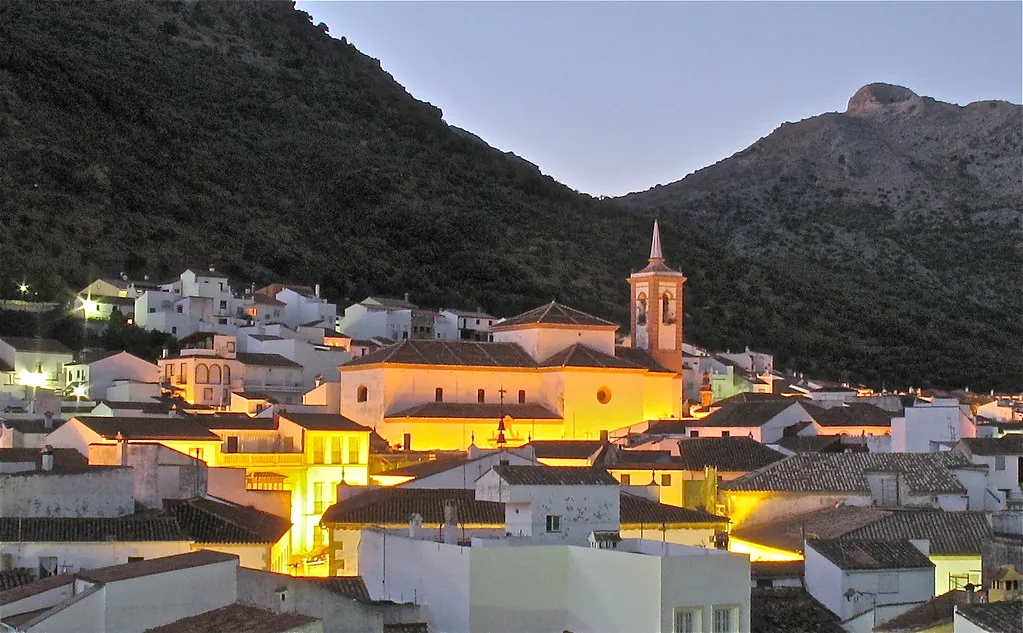
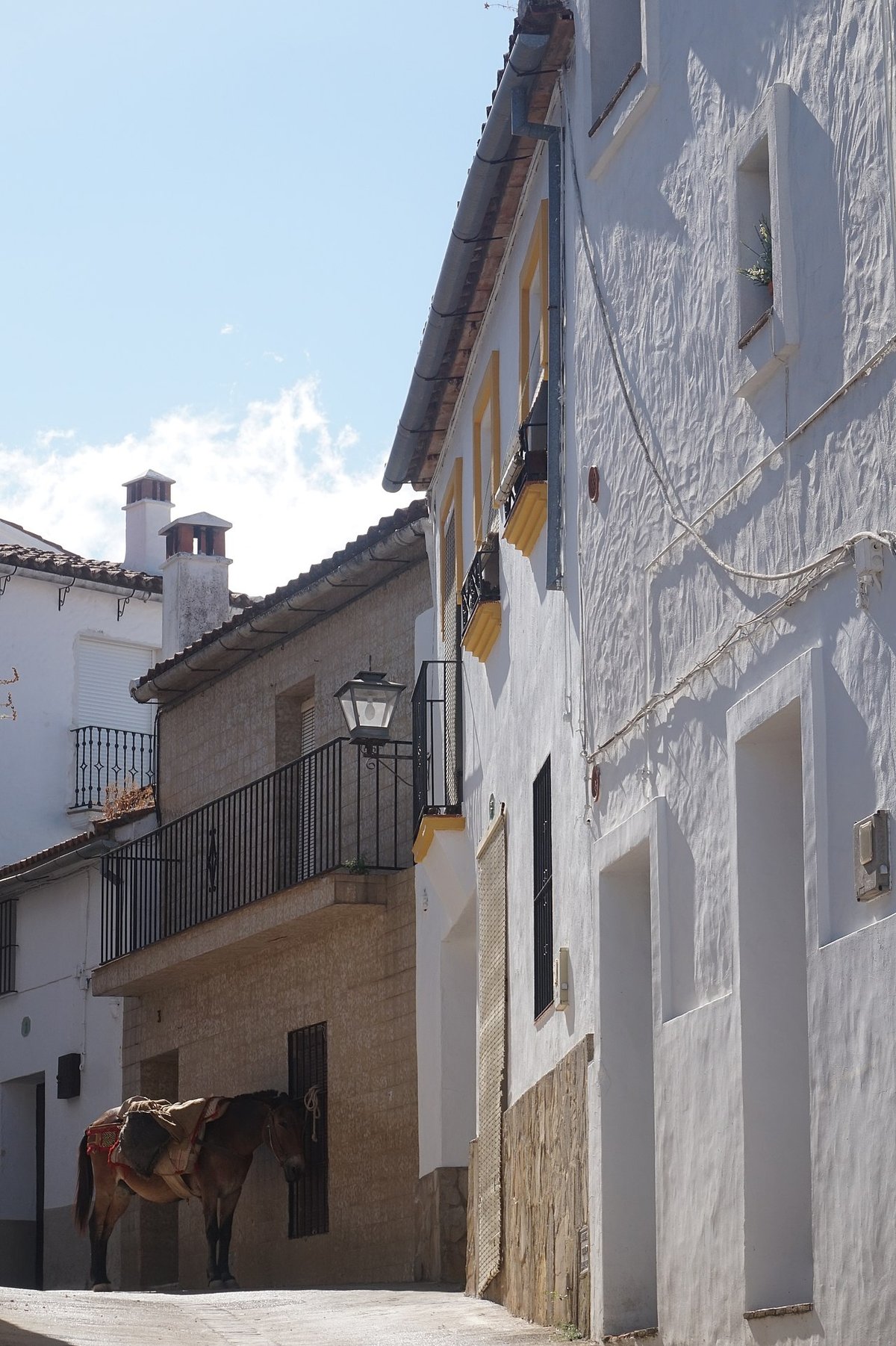
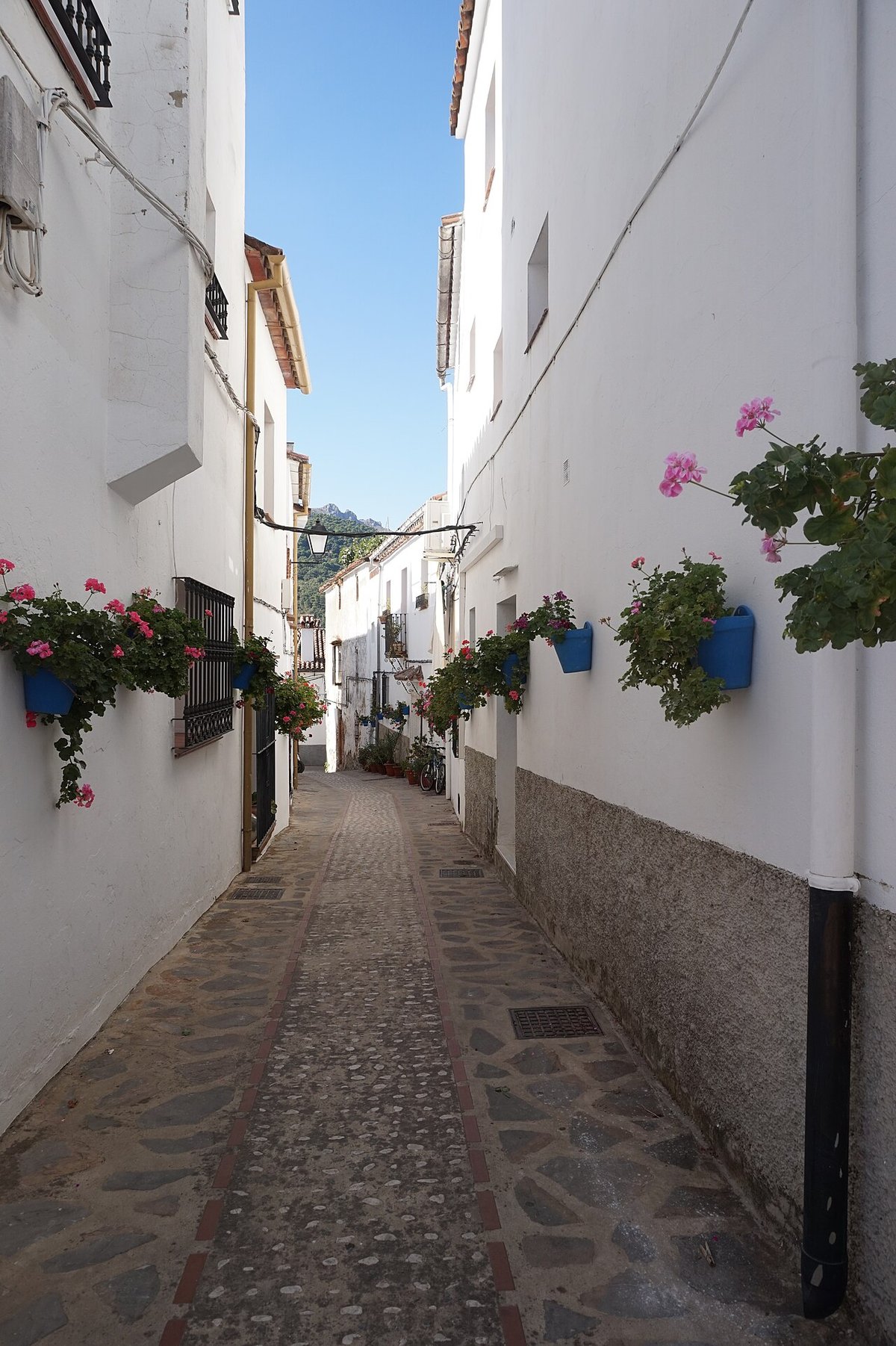
El núcleo antiguo de Pujerra es un laberinto de cuestas pronunciadas y calles que giran bruscamente. Las casas encaladas, con tejados de teja árabe y chimeneas bajas, se agrupan para salvar el desnivel. Desde algunos puntos hay vistas abiertas hacia el valle, donde predominan los bosques de castaños.
La iglesia parroquial de Nuestra Señora de la Encarnación data del siglo XVI y fue reformada después. Su arquitectura es sobria, a la escala del pueblo. En el interior se superponen elementos de distintas épocas, lo que habla más de adaptaciones sucesivas que de un plan unitario.
Los balcones de forja y los pequeños patios interiores que se ven en muchas viviendas responden a necesidades prácticas: captar luz y ventilar en un clima donde el invierno puede ser húmedo. No son adornos superfluos.
Huellas en el paisaje
Fuera del casco urbano, el territorio guarda restos de antiguos molinos harineros. Se localizan cerca de los arroyos que bajan de la sierra. Hoy son ruinas dispersas, pero indican una economía que dependía del agua y de los recursos inmediatos.
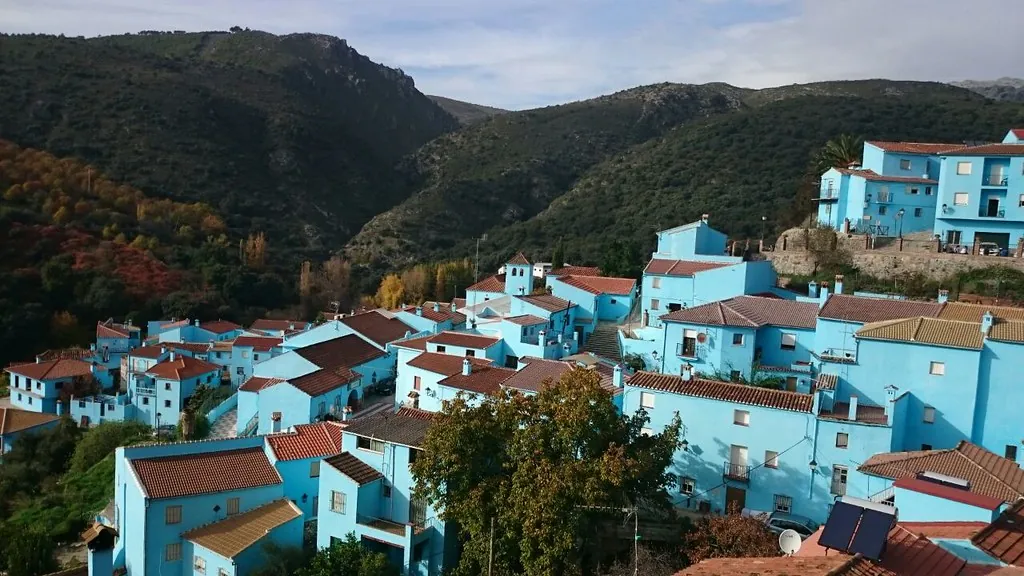
El paisaje circundante está dominado por el castañar. A mayor altitud aparecen quejigos y alcornoques. En otoño, el valle muestra su cara más conocida, cuando los bosques se tiñen de ocres y dorados. Es un cambio estacional que aquí tiene consecuencias económicas directas.
Senderos y accesos
Pujerra se recorre con calma en poco más de una hora. Un paseo sin rumbo fijo por las calles que descienden hacia el arroyo da una idea clara de su estructura. El terreno es quebrado, con escalinatas y rampas.
Varios senderos parten del pueblo hacia otras localidades del valle, como Jubrique. Siguen veredas antiguas entre castaños y barrancos. Una ruta conocida es la del Canuto, que desciende a una garganta de vegetación muy densa, donde la humedad favorece la presencia de helechos y musgos.
Para llegar, desde Málaga se toma la A-397 hacia Ronda. Desde allí, una carretera regional se adentra en el Valle del Genal hasta enlazar con la vía que lleva a Jubrique y Pujerra. El último tramo es una carretera de montaña, estrecha y con curvas. Conviene circular con atención.
Ciclo anual y cocina
La cocina local refleja los productos del territorio. Platos vinculados a la matanza, quesos de cabra, legumbres y, sobre todo, castañas cuando es temporada. En otoño, este fruto aparece en guisos y en dulces caseros. Su presencia en la mesa es herencia directa de su peso económico.
Con las primeras lluvias, los montes cercanos atraen a quienes buscan setas. Es una actividad que requiere conocimiento del terreno y de las especies.
Las fiestas principales son en agosto, dedicadas a la patrona. En otoño hay celebraciones alrededor de la castaña, con puestos donde se venden asadas. La Semana Santa se vive con sencillez, con procesiones que recorren las calles estrechas del centro.
Pujerra no está de paso hacia ningún sitio mayor. Su geografía lo ha mantenido como un lugar donde el ritmo lo marcan los castañares, las cuestas y el ciclo anual del valle.