Full Article
about Ronda
One of Spain’s most striking towns, known for its deep gorge and historic bullring.
Hide article Read full article
Ronda exists because of a split in the land. The Tajo is a geological rupture that determined everything about the city’s layout. Long before the Muslim medina of Hisn Rund was established in the 9th century, the terrain here imposed its own logic. Streets bend and end suddenly, neighbourhoods face each other across a void, and buildings sit close to the edge. In some places the gorge falls nearly one hundred metres, and that depth shaped Ronda long before any architect could.
The bridge that had to be built
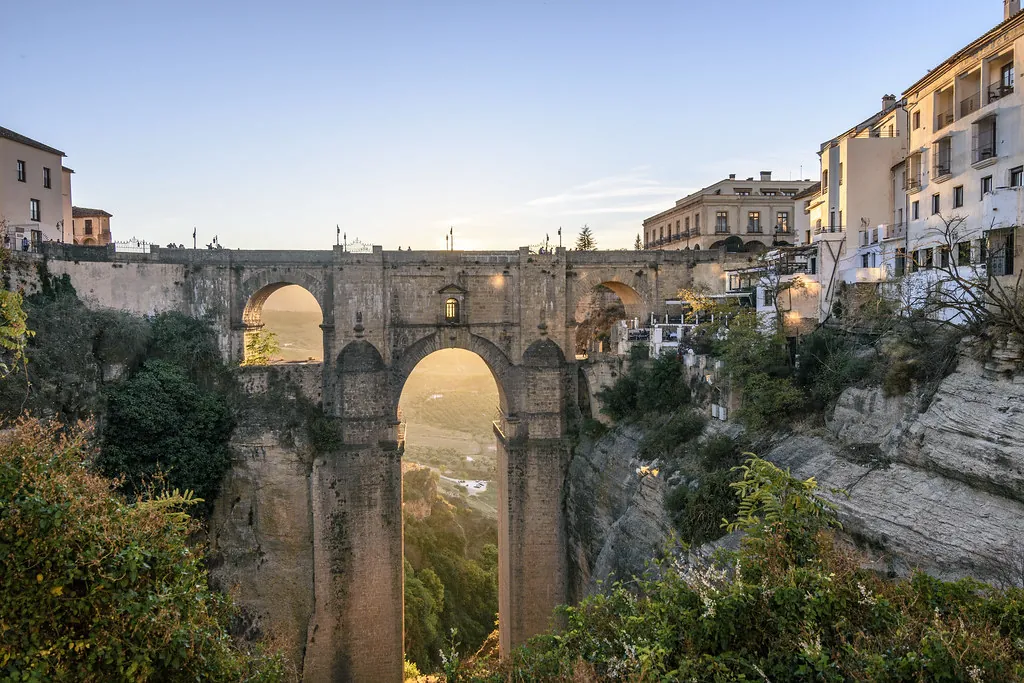
The Puente Nuevo looks more recent than its completion date of 1793 suggests. An earlier attempt in the 1730s collapsed, killing dozens. The final design, by José Martín de Aldehuela, solved the problem with two stone pillars rising from the gorge floor to support the central arch.
A chamber inside the bridge served for years as a municipal prison. Its utility now is simpler: from here, you see how the city is truly divided. On one side, the old medina; on the other, the newer district that expanded from the 18th century onward. Between them runs the space carved by the Guadalevín river.
An arena and its context
Ronda’s bullring opened in 1785. It was part of a wider urban project by the Real Maestranza de Caballería, an institution focused on horsemanship and civic life. The building belongs to a period when the city needed large, formal spaces for public events.
The arena is notably large, surrounded by a double gallery of stone arches. This scale informs its place in bullfighting history, which here is tied to the Romero family. But the building’s significance extends beyond that. It reflects Enlightenment-era urban ideals in Andalusia, where proportion and public order were primary concerns.
The Arab baths and their continuity
In the lower part of the city, near the old river access, stand the Arab baths. They date from the 13th or 14th century, when Ronda was part of the Nasrid kingdom of Granada.
The layout follows a Roman model: aligned rooms for cold, warm, and hot bathing, with vaulted ceilings and star-shaped skylights. Their survival is due to practicality. After the Christian conquest in 1485, they were not destroyed but repurposed for a time as part of the local water system.
Moving through these rooms gives a clearer sense of daily medieval life than many monuments. Bathing was a social ritual, integrated into the week’s rhythm.
The terrain beyond the city
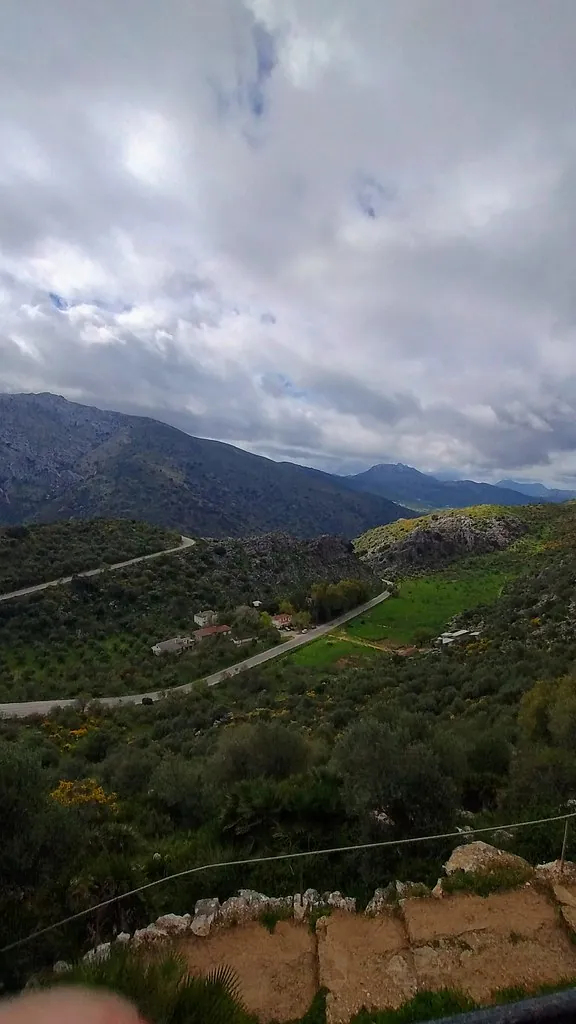
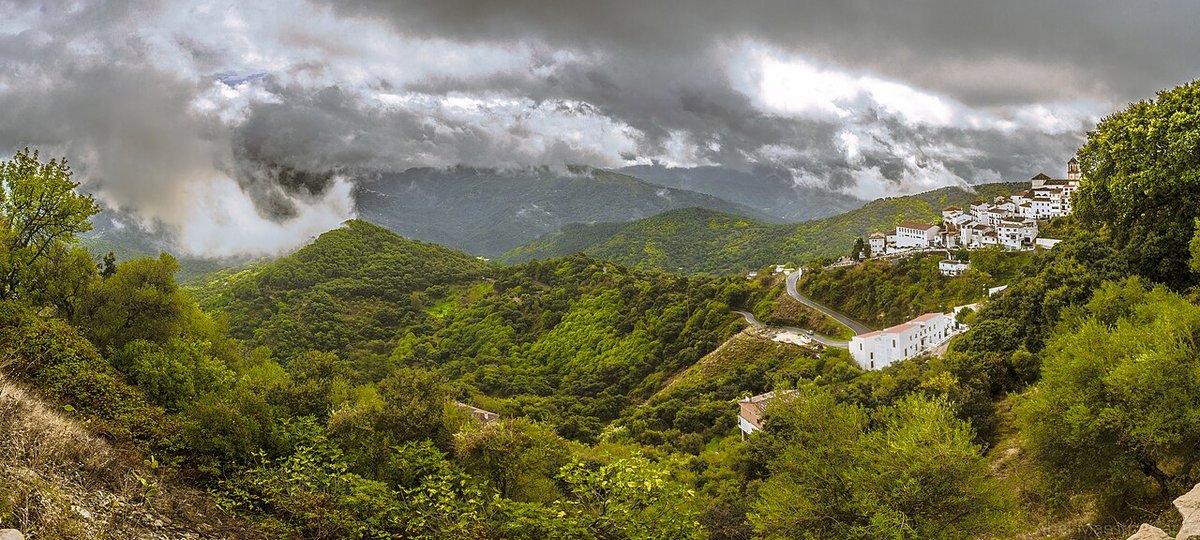
Outside Ronda, the Serranía changes quickly. Limestone outcrops give way to woods of holm oak and gall oak, dotted with isolated cortijos. In the 19th century, this landscape fostered banditry. Figures like El Tempranillo were not romantic legends but a product of terrain that was hard to police, crisscrossed by old livestock trails.
Set within this area is the Cueva de la Pileta. It was found in the early 20th century by a local farmer. Inside, prehistoric paintings line several chambers—animals, symbols, handprints. Tours use minimal lighting to preserve them, which means you see the cave in a state close to its original discovery.
Walking the city and its surroundings
You can see Ronda in a day, but it rewards a slower pace. The historic centre reveals more on foot, particularly early in the morning when the streets near the bridge and the old medina are quiet.
One of the more revealing descents is via the Cuesta de las Imágenes, an old path that led down to river mills. It brings you to the base of the gorge, where the sheer height of the bridge and the defensive walls becomes tangible.
Later, the Alameda del Tajo serves as it has since the early 1900s: a public promenade. Its viewpoint sits directly on the cliff edge, facing the mountains. With some patience, you can often spot griffon vultures riding thermals level with the treetops.
If you have time to leave the centre, Acinipo justifies the short trip. The remains of this Roman settlement, especially its theatre, occupy an open plateau with uninterrupted views in all directions.
Local cooking draws on what the hills provide: cured meats from the dry air, substantial stews, and versions of gazpacho that are served warm in winter. Vine growing has also returned to the Serranía in recent decades, often on high plots where the temperature shifts are sharp.
Ronda only coheres when you view the gorge from multiple angles and understand it as the origin point. The geography came first; everything else followed.