Full Article
about Serrato
Young municipality split from Ronda, ringed by farmland and springs that feed its fountains.
Hide article Read full article
A small village above the olive groves
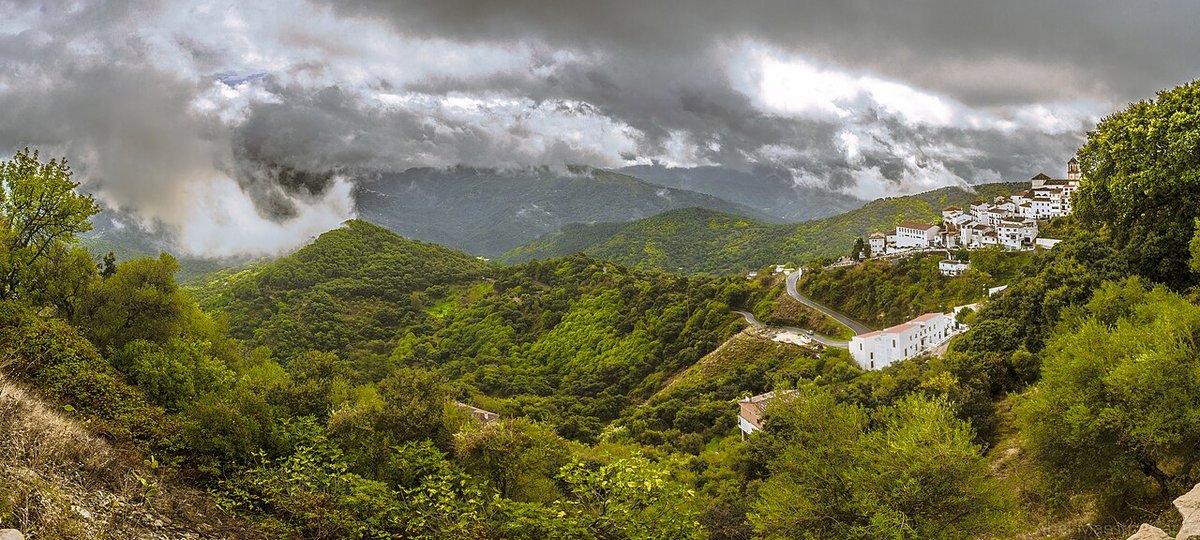
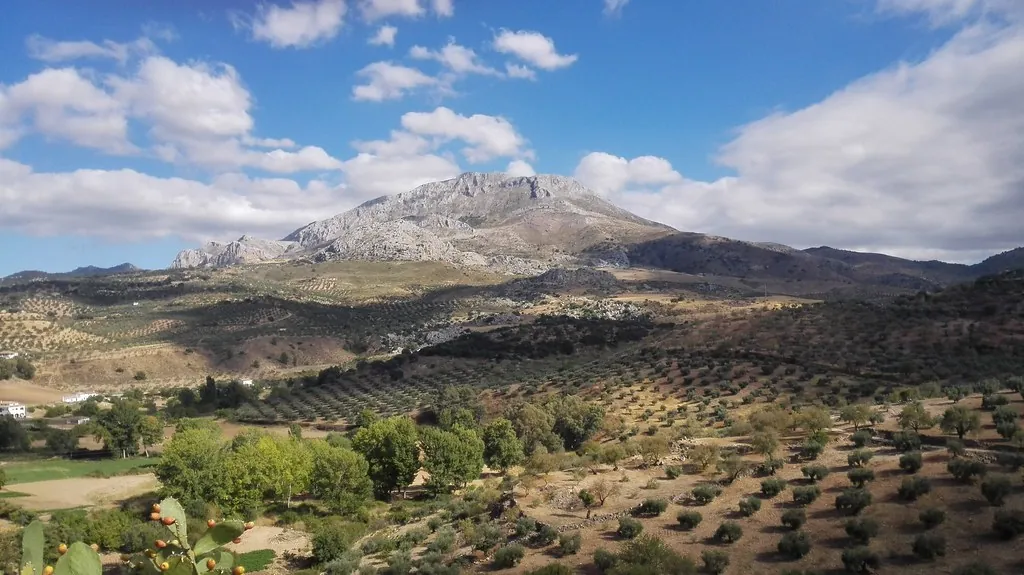
Serrato sits in the Serranía de Ronda, a small settlement of just over 450 residents surrounded by olive groves. It is the kind of place people mention almost in passing, a village somewhere up in the hills where little seems to happen. That impression is largely accurate. There are no headline attractions or landmarks that dominate guidebooks, and daily life moves at an unhurried, ordinary pace.
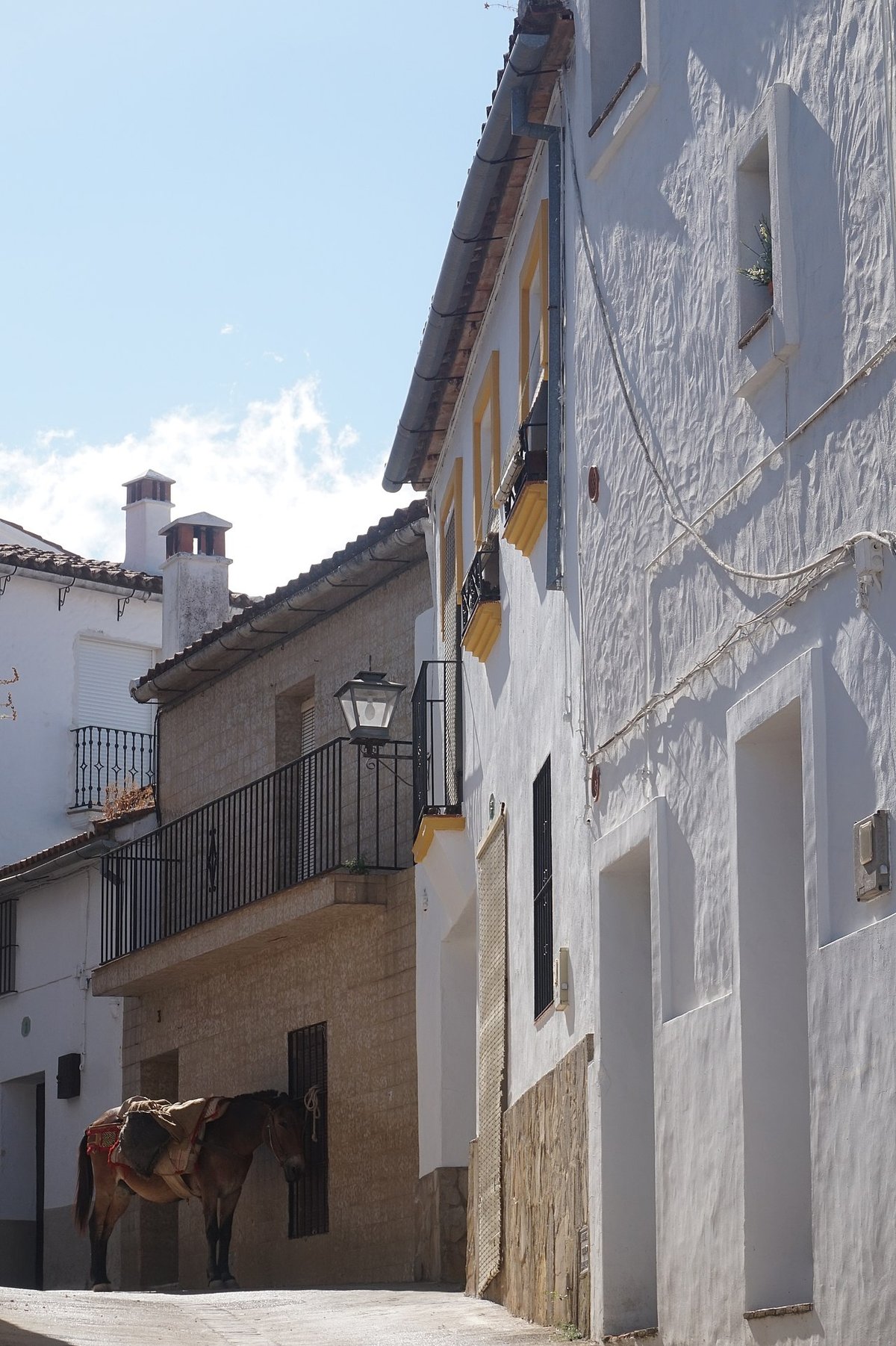
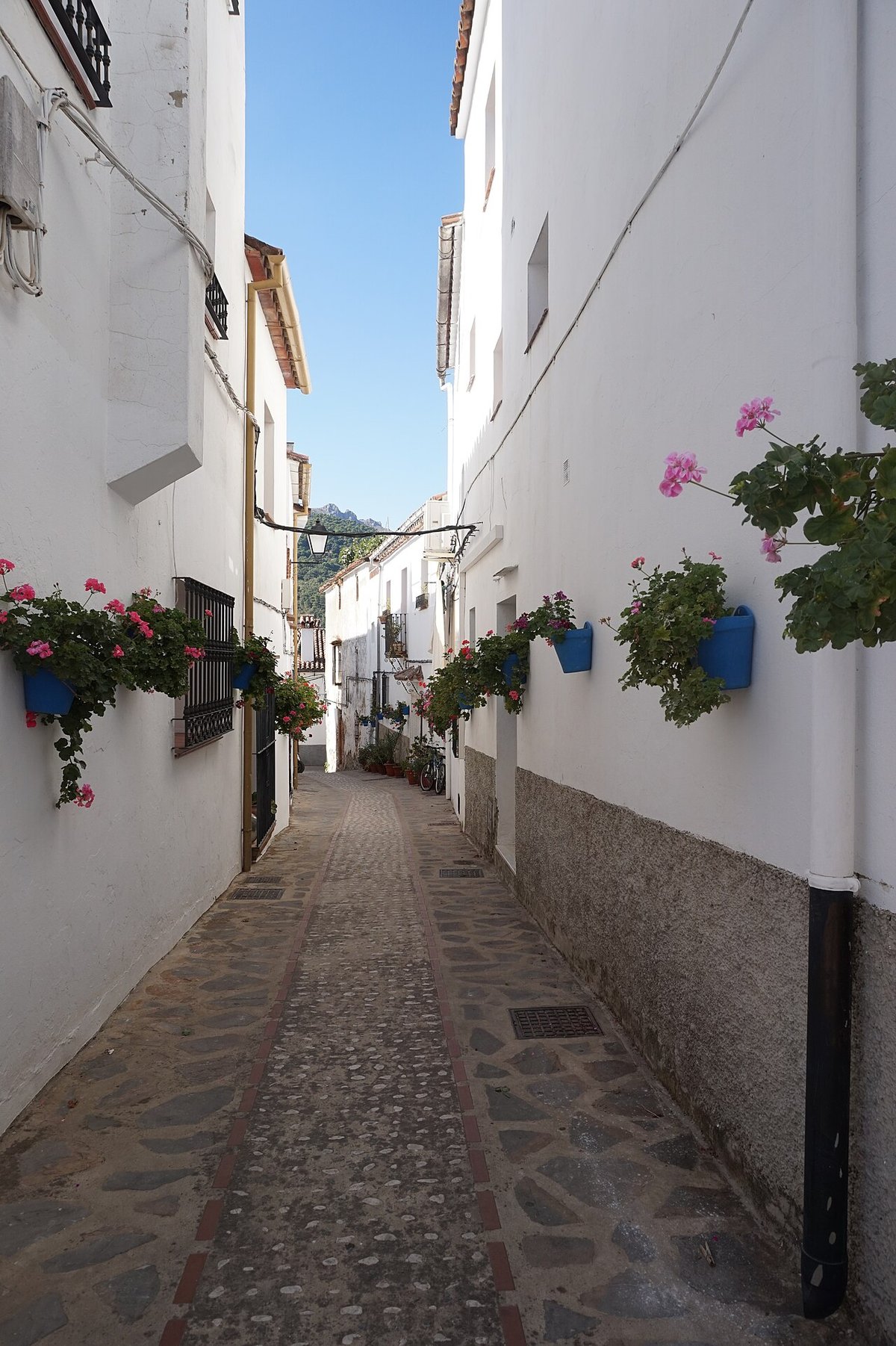
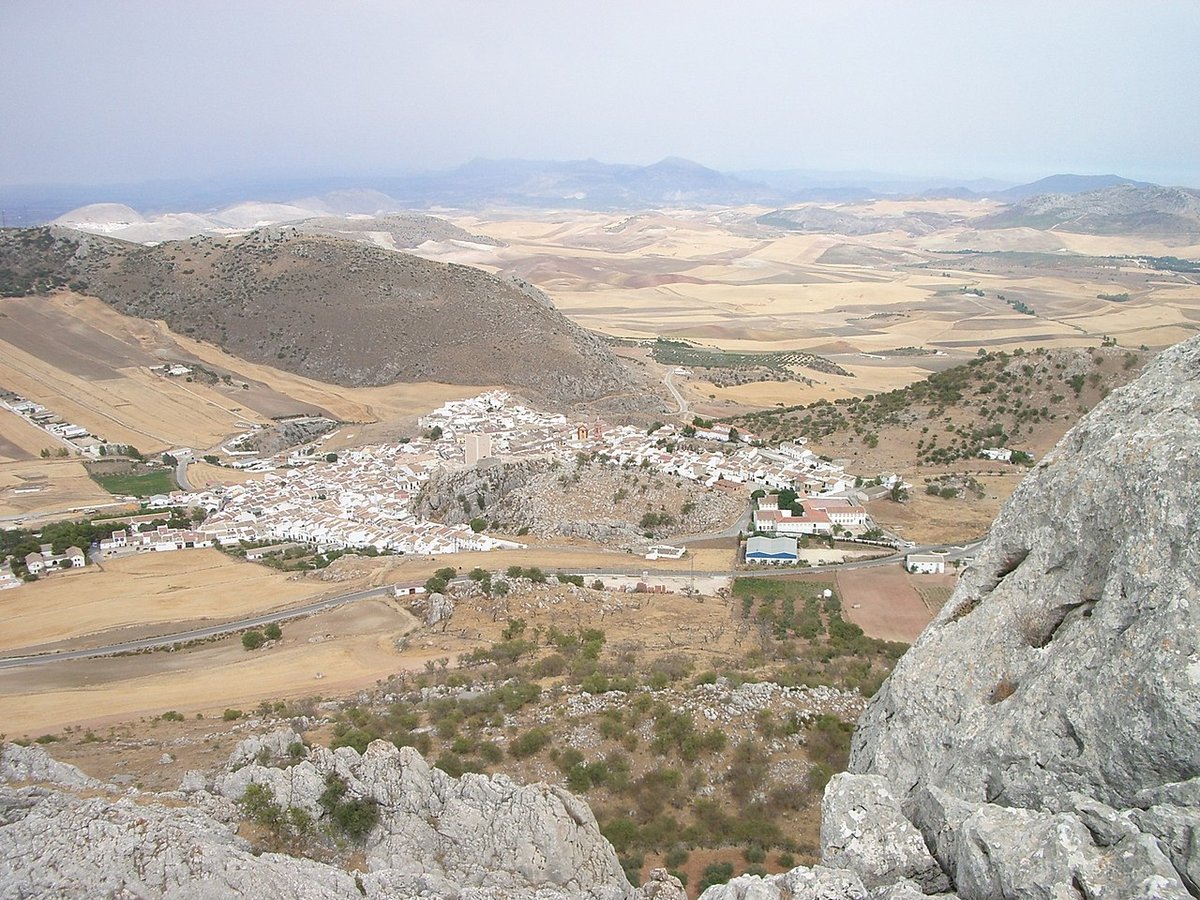
The village stands slightly elevated above the surrounding farmland, something that becomes clear as soon as you walk a couple of streets. At almost any corner, the built-up area gives way to open countryside. Whitewashed houses line narrow streets, and during the week there is a noticeable quiet. It does not feel arranged or curated for visitors. It feels lived in, without much fuss.
A simple walk through the centre
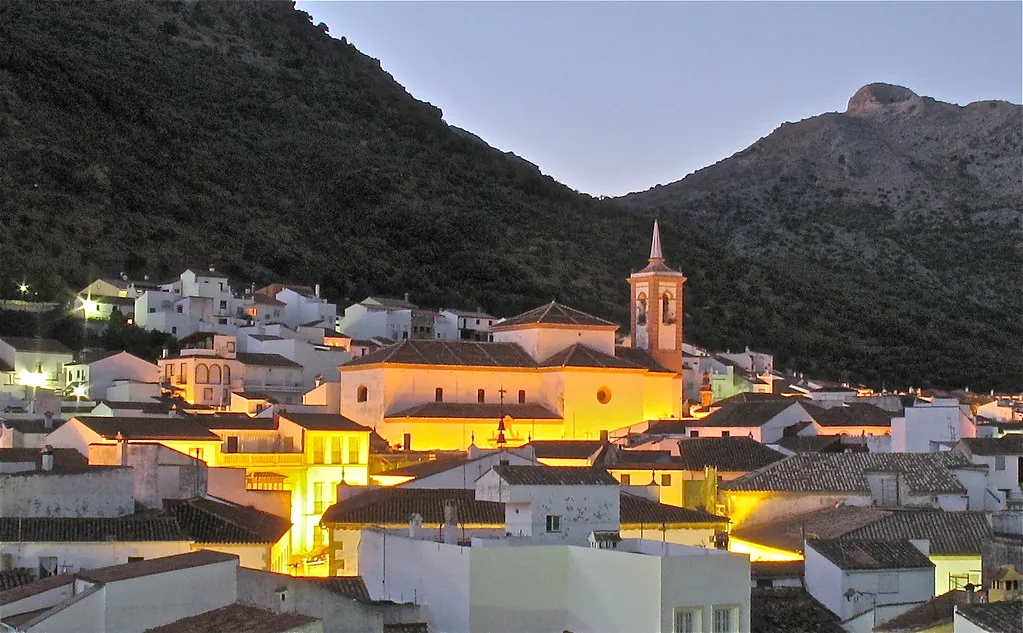
At the heart of Serrato is the parish church of San Sebastián. It is not especially grand, but it anchors the centre of the village. The square around it acts as a natural meeting point where neighbours greet each other, cars stop briefly, and conversations stretch a little longer than planned.
Getting around Serrato does not take long to figure out. Streets are short, with gentle slopes and rows of white façades. Many houses have old doors, and occasionally an open patio or a wall filled with plant pots comes into view. These are small, everyday details, not arranged for attention, yet they often end up being the most memorable.
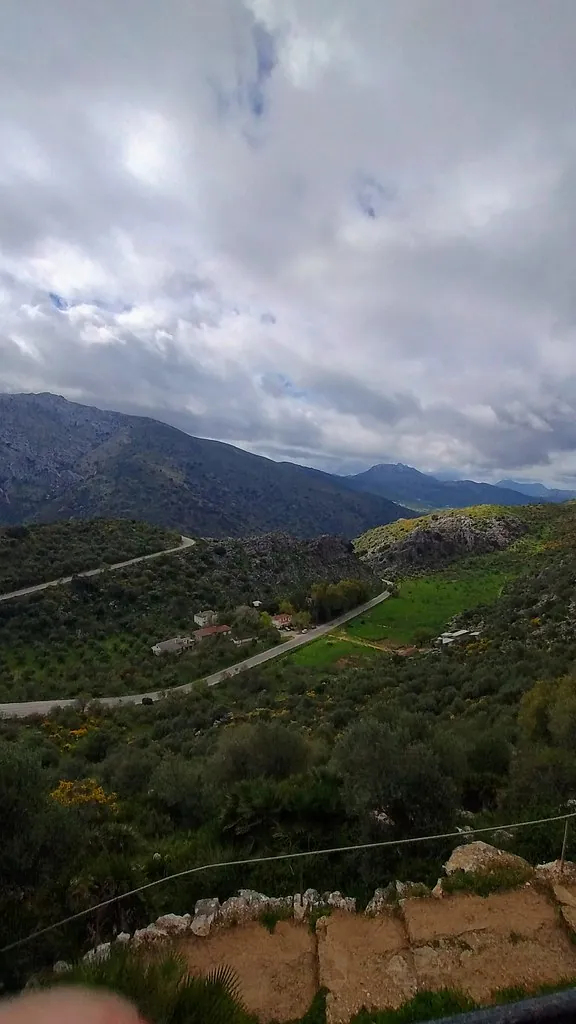
Follow any street as it begins to thin out and the village quickly gives way to the landscape. There are no formal viewpoints with railings or information panels. Instead, the edges of Serrato open directly onto olive groves, soft hills and distant mountain lines. In the evening, the light shifts across the land and the colours of the fields change noticeably.
Walking beyond the houses
The surroundings of Serrato invite a short walk rather than a demanding hike. Agricultural paths weave in and out between plots of land, passing scattered cortijos, traditional rural buildings typical of southern Spain, and long stretches of olive trees. These are not marked mountain routes but working paths that locals have used for years to move between fields.
For anyone who pays attention to small visual details, Serrato offers plenty. Narrow streets create strong shadows, especially when the sun is high. Metal doors show the wear of time, and walls reveal layers of whitewash from different years. At certain hours, light enters at an angle and creates simple scenes that feel almost composed, even though they are entirely ordinary.
The appeal here lies in that simplicity. Nothing demands attention, but many things reward it.
Traditions and local food
The main annual celebration in Serrato is linked to San Sebastián, the village’s patron saint, and takes place in January. During these days, religious events are held and the centre becomes noticeably livelier, with more activity in the streets than usual.
Summer brings another shift, with celebrations connected to the Virgen. At this time, people who live elsewhere often return, and the village grows busier and louder for a few days. The contrast with the rest of the year is clear, even if the scale remains modest.
Food in Serrato reflects what has long been eaten in this part of the Serranía de Ronda. In colder months, migas are common, a traditional dish made from breadcrumbs. There are also hearty stews and dishes based on lamb or kid goat, prepared in various ways. Olive oil from the surrounding groves is a constant presence, used across much of the cooking.
Reaching Serrato and what to expect
The usual approach from Málaga heads inland via the Campillos area, followed by regional roads leading to Serrato. The final stretch includes a fair number of bends, typical of this mountainous region, so the journey is best taken steadily.
Spring and autumn are generally comfortable times to visit. The landscape changes with the seasons, and temperatures make walking more pleasant. In summer, the heat can be intense around midday, something common across inland parts of Málaga province.
Serrato does not operate as a destination packed with organised activities. It works better as a short stop, a place to wander through the streets and then move on. Within a couple of hours, it is possible to form a clear sense of how life unfolds here. For many, that is exactly the point.