Almonaster la Real - Flickr
alepereztallon · Flickr 4
Andalucía · Passion & Soul

Almonaster la Real

The morning bus from Huelva wheezes to a halt beside a stone trough of drinking water for mules. One passenger climbs down: a vet carrying a cardbo...

1,759 inhabitants · INE 2025
613m Altitude

Why Visit

Mountain Almonaster Mosque Islamic Culture Days

Best Time to Visit

autumn

Islamic Days (October) octubre

Things to See & Do
in Almonaster la Real

Heritage

  • Almonaster Mosque
  • Church of San Martín
  • Roman bridge

Activities

  • Islamic Culture Days
  • Hike to Cerro de San Cristóbal
  • Village Route

Festivals
& & Traditions

Fecha octubre

Jornadas Islámicas (octubre), Cruces de Mayo (mayo)

Las fiestas locales son el momento perfecto para vivir la autenticidad de Almonaster la Real.

Full Article
about Almonaster la Real

A heritage gem in the sierra, home to a 10th-century mosque unique in a rural setting; its villages and landscapes preserve the essence of Islamic and Christian culture.

Ocultar artículo Leer artículo completo

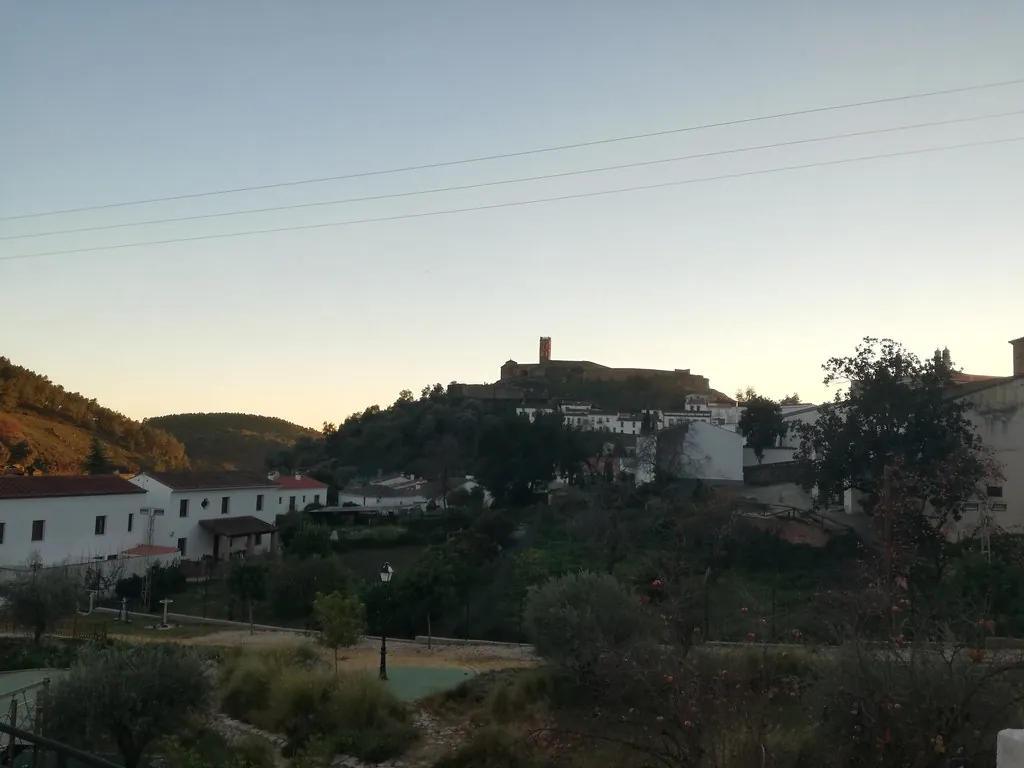
The morning bus from Huelva wheezes to a halt beside a stone trough of drinking water for mules. One passenger climbs down: a vet carrying a cardboard box of vaccines for the village pigs. That is the 15:00 service—there is no morning bus—so the driver reverses, turns, and rattles back downhill, leaving the vet and any stray visitors to work out what happens next. At 613 m above sea level, Almonaster la Real is used to people arriving late, or not at all.

A mosque you can walk to in flip-flops (but don’t)

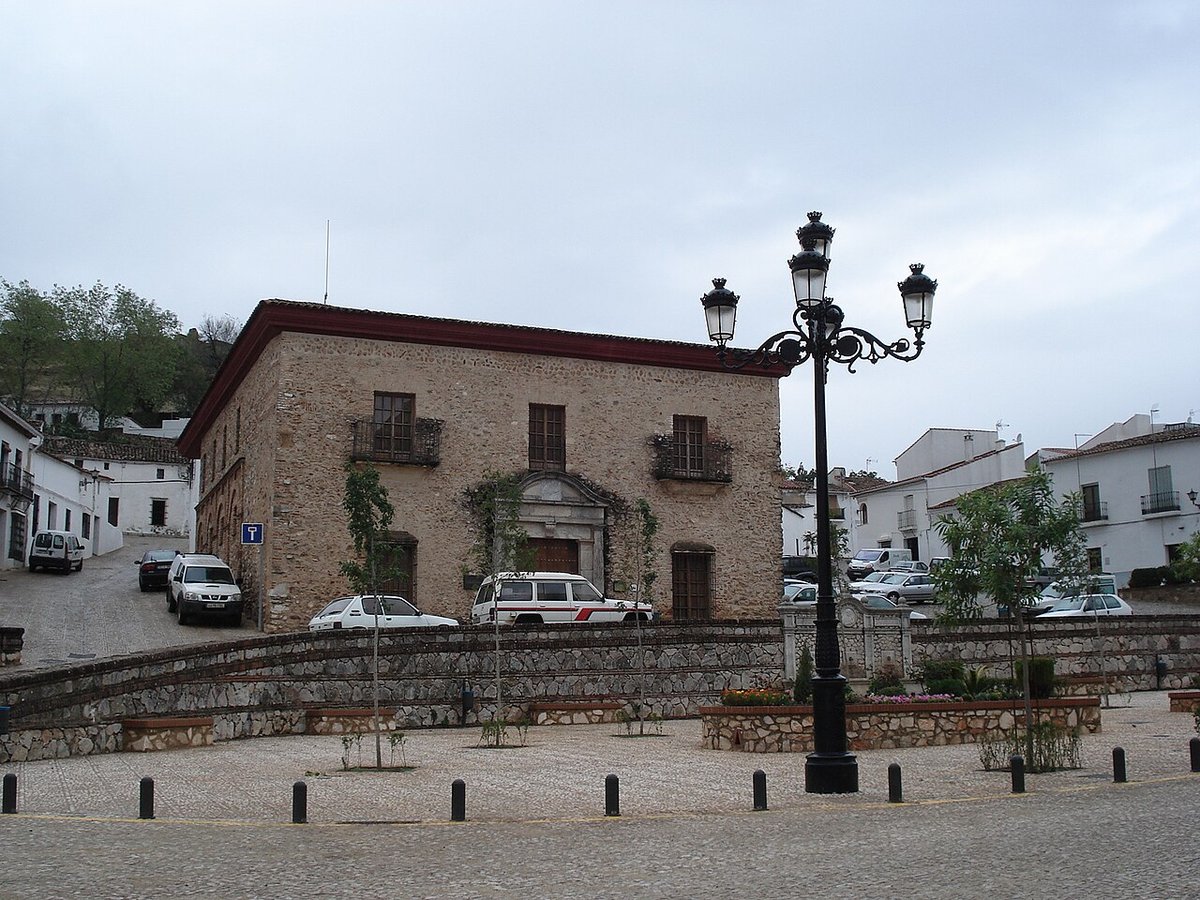
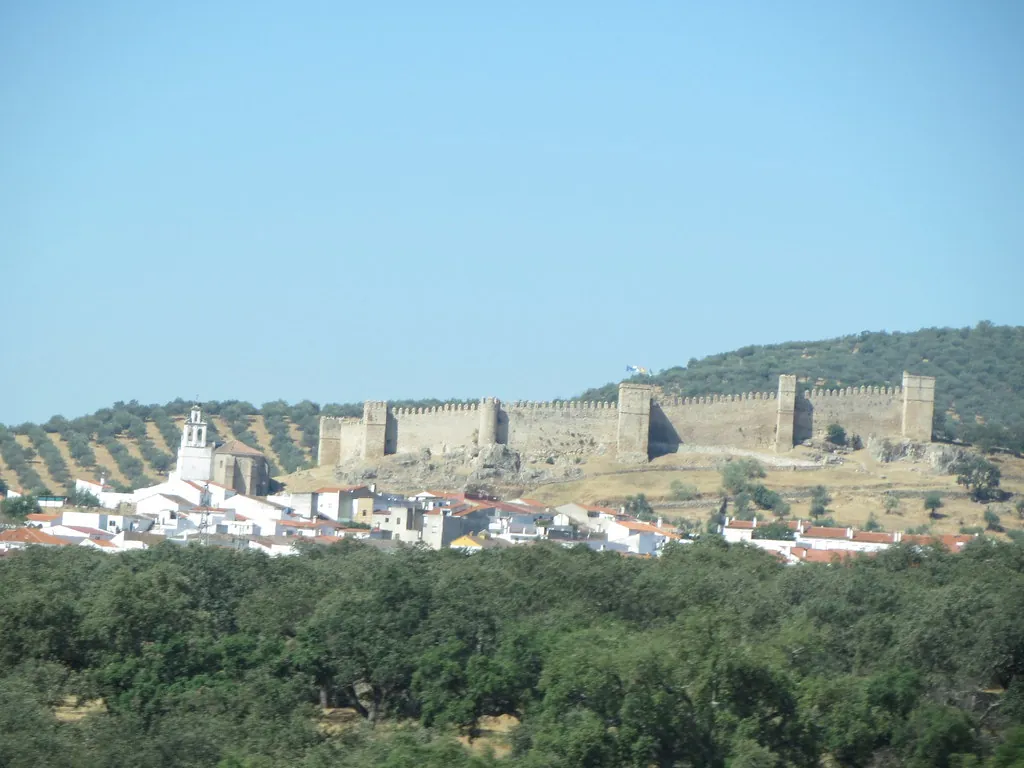
The only upward road coils past houses the colour of fresh yoghurt until the tarmac gives up. From here a short cobbled ramp leads onto a meadow that doubles as the village car park. Walk another three minutes and you are inside the only rural mosque in Spain that still looks as if the imam stepped out for coffee. Built in the 10th century on top of a Visigothic basilica—recycling is nothing new—it is smaller than a tennis court, dimly lit and paved with the original red-slaked lime. The mihrab faces Mecca; the bell-tower was once the minaret; swallows nest where the muezzin stood. Entry is free, the key hangs in a box by the door, and on an ordinary weekday you will share it only with the guardian’s cat.

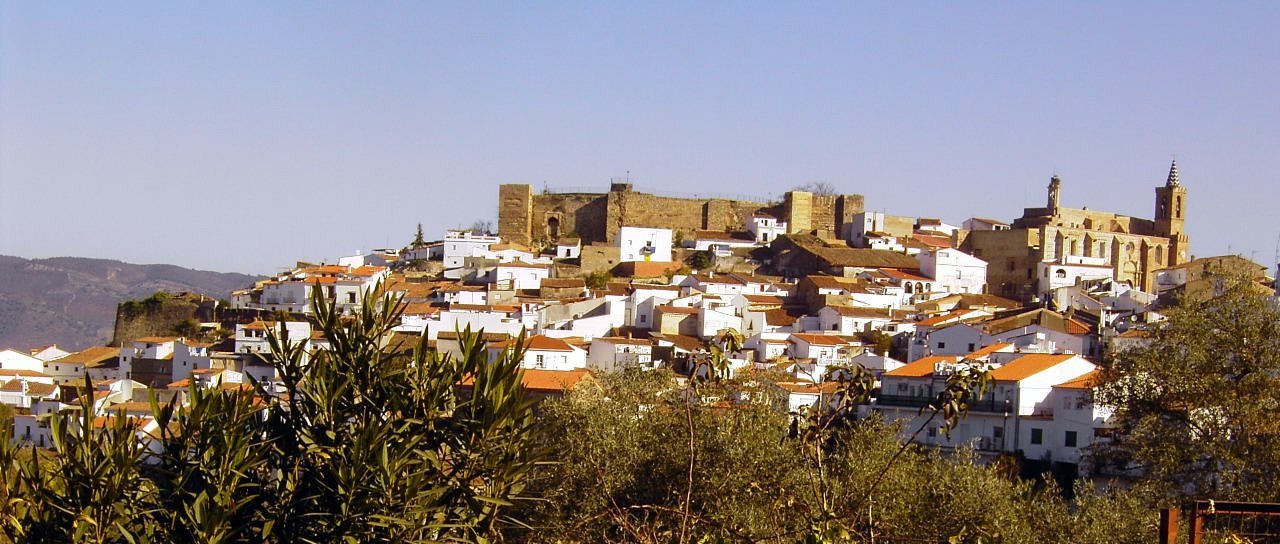
Bring a torch: electricity reaches the hilltop but Andalusian conservators prefer low-watt gloom. If you arrive after 20:00 you are out of luck; the castle gate is locked with a bicycle padlock and nobody answers the mobile number scrawled on it. The fortress walls that wrap the prayer hall are more suggestion than stone these days, yet the platform they enclose gives a 270-degree sweep of cork oak, sweet chestnut and the distant silhouette of Portugal. Binoculars reveal black vultures cruising at eye level.

What the dehesa tastes like

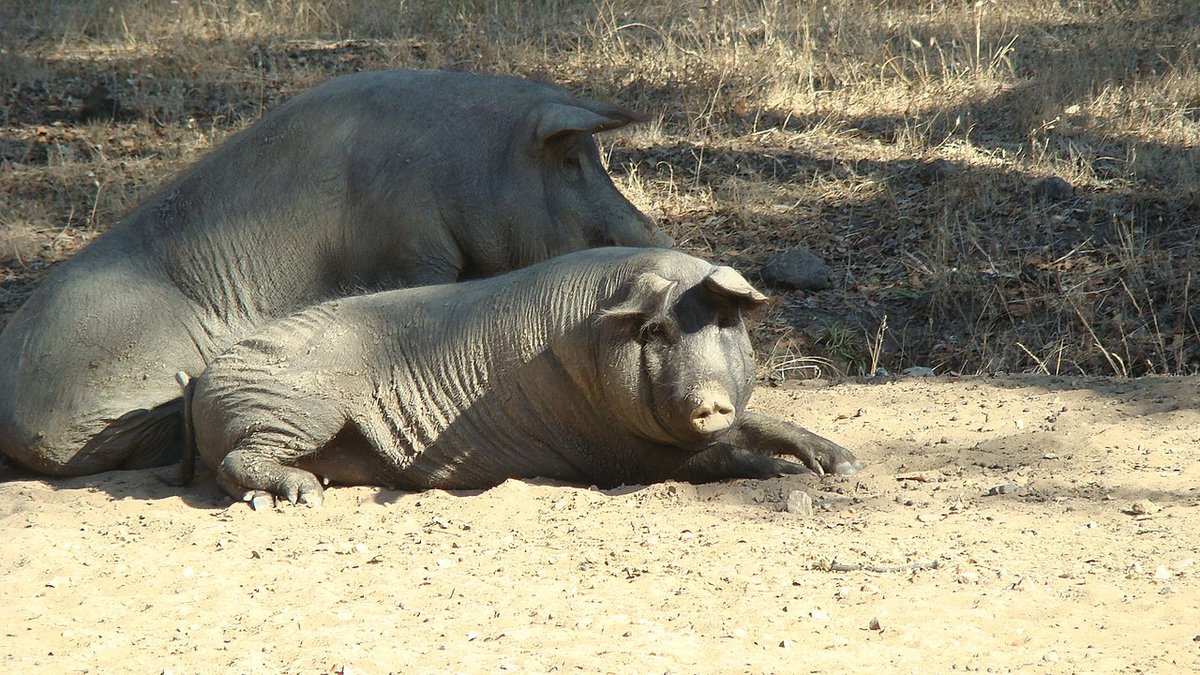
Below the castle, lanes narrow until two umbrella brollies cannot pass without diplomacy. Windowsills hold geraniums in Fanta bottles; every other doorway exhales the sweet-fat smell of jamón. This is the heart of the Denominación Jabugo, where pigs outnumber humans and every family seems to own a secadero—an attic hung with haunches that sweat gently in summer and shrivel for up to four years. The bars will sell you a plate for €9–€12, ruby sheets that dissolve like cool smoke. Ask for plato de jamón; the word Iberico alone can treble the bill.

The daily menu is written in chalk and changes with the woods. October brings setas—wild mushrooms—sautéed with garlic and a splash of dry fino. November belongs to chestnuts, roasted in iron pans outside the bakery and tipped into newspaper cones. Winter means migas: fried breadcrumbs, chorizo nibs and enough oil to silence the coldest sierra night. Portions are built for men who spend daylight herding pigs; half-raciones are acceptable and cost around €6. Vegetarians can usually negotiate espinacas con garbanzos, though the chef will look puzzled that anyone would want it.

Coffee arrives in glasses, not cups; milk is café con leche, strong enough to keep you awake for the drive down. Most bars close by 22:00, earlier if rain keeps the hunters at home, and only one accepts cards—ask first, apologise later. Cash means notes of €20 or smaller; the till will not break a €50 unless you buy the entire ham.

Walking off the pork

The Sierra de Aracena is ridge after ridge of gentle, wooded waves, nothing like the craggy Alpujarras further east. From the village fountain a signed path strikes west to the Ermita de los Ángeles, 4 km along a stony track once used by muleteers. The gradient is kind, the shade constant, and the only sound is chestnuts dropping. Allow 45 min up, 30 min back; trainers suffice, though the stone can be slippery after rain. On Sundays half the village strolls here after mass, carrying tambourines and cold beer for a picnic mass outside the chapel.

Longer routes fan out: north to Cortegana castle (11 km), south to the abandoned village of Alájar (8 km) where the river pools are deep enough for a swim in May before the drought shrinks them. Way-marking is excellent but mobile coverage evaporates within 500 m of houses—download the track before you set off. In summer start early; at 09:00 the thermometer already nudges 30 °C and there is no café en route. Winter is sharper than newcomers expect: night frost is common and the wind cuts straight through British fleece.

When not to come

August is the cruel month. The population doubles as returning relatives squeeze into spare rooms, the single fountain runs warm, and afternoon heat can touch 40 °C in the shade. Bars stay shuttered until the sun drops, and the castle paths smell of baked thyme and melting tar. Accommodation exists—five village houses converted into rentals, one small hotel above the bread shop—but prices jump 30 % and you will share the mosque with Spanish students taking selfies.

Easter is quieter, though processions shuffle through the lanes every night, incense battling wood-smoke from open chimneys. Book accommodation early; there are only 35 beds in the entire village and the nearest alternative is 20 km away in Aracena. If you must use public transport, note the Sunday bus does not run at all; Saturday offers a single return trip at 07:00, early enough to make even the pigs blink.

Leaving the hill

The road down to the A-461 is a 12-minute series of hairpins where stone walls leap out at rental-car wing mirrors. Meet a lorry full of cork bark and someone has to reverse; locals know the etiquette—uphill gives way, unless the lorry is loaded, in which case the smaller car backs. Once on the main road Seville is 90 min, the coast at Huelva 55 min, but the sierra feeling lingers. Even in July you may find yourself driving with the windows open, the smell of curing ham still caught in your hair, the cathedral-sized silence of Almonaster replacing whatever noise you came from.

Key Facts

Region
Andalucía
District
Sierra de Aracena
INE Code
21004
Coast
No
Mountain
Yes
Season
autumn

Livability & Services

Key data for living or remote work

2024
ConnectivityFiber + 5G
TransportTrain nearby
HealthcareHospital 26 km away
EducationElementary school
Housing~6€/m² rent · Affordable
Sources: INE, CNMC, Ministry of Health, AEMET

Official Data

Institutional records and open data (when available).

  • Mezquita de Almonaster la Real
    bic Monumento ~0 km
  • Iglesia de San Martín
    bic Edificio Religioso ~0.2 km

Planning Your Visit?

Discover more villages in the Sierra de Aracena.

View full region →

More villages in Sierra de Aracena

Traveler Reviews