Full Article
about Arroyomolinos de León
Municipality at the province’s highest point, crowned by Bonales peak; prime for active tourism and hiking among pastureland and chestnut forests.
Hide article Read full article
Arroyomolinos de León: cuando el pueblo es la pausa
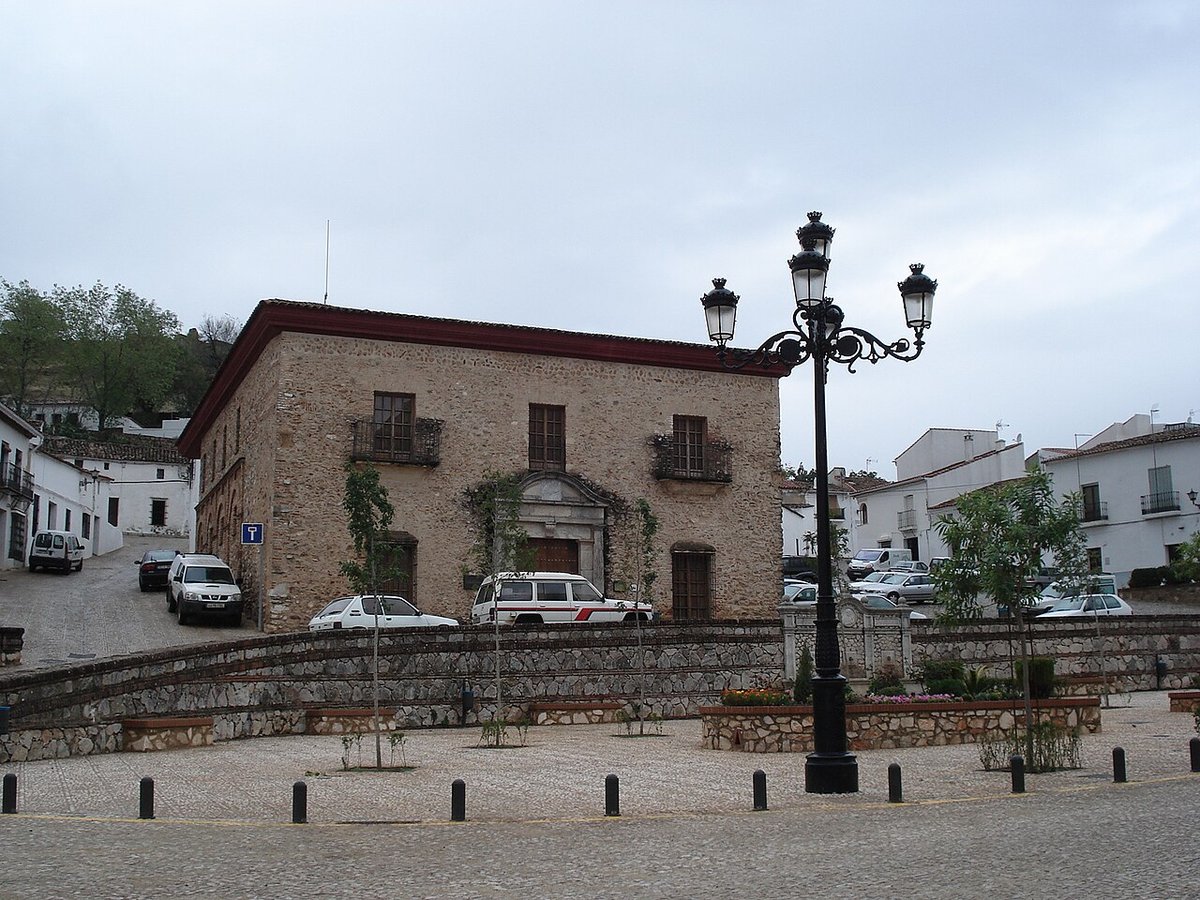
Llegas a Arroyomolinos de León y lo primero que notas es que nadie te está esperando. No hay carteles que te guíen al "mirador más bonito", ni un paseo peatonal lleno de tiendas de recuerdos. Es como llegar a casa de unos familiares un domingo por la tarde: las calles están tranquilas, la vida sigue su curso y tú eres simplemente alguien que pasa por allí. Para bien o para mal, así funciona este pueblo de la Sierra de Aracena.
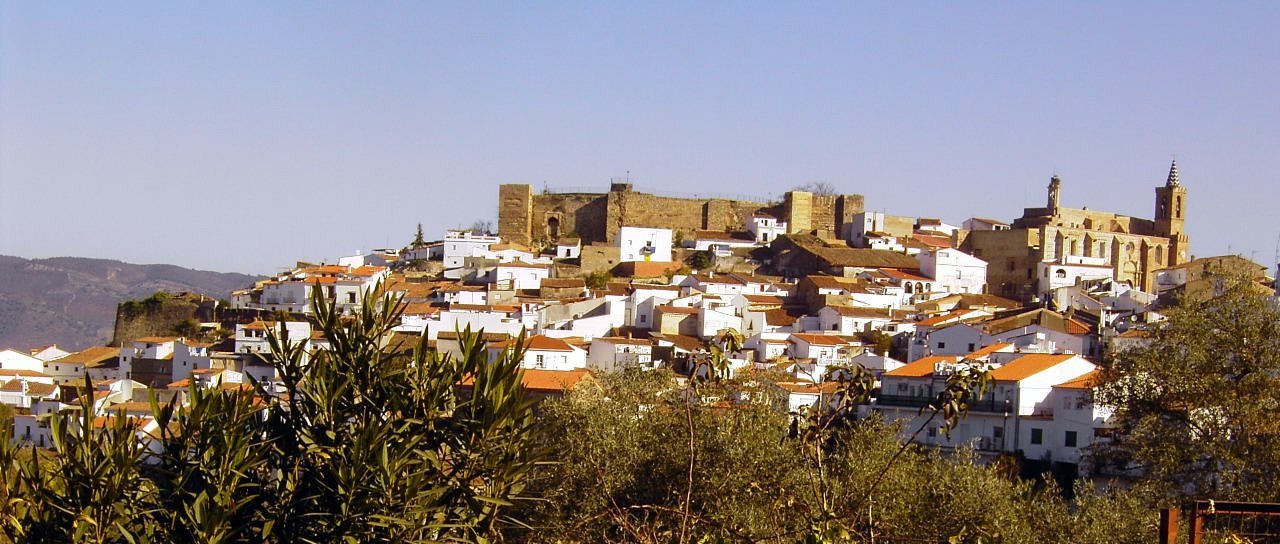
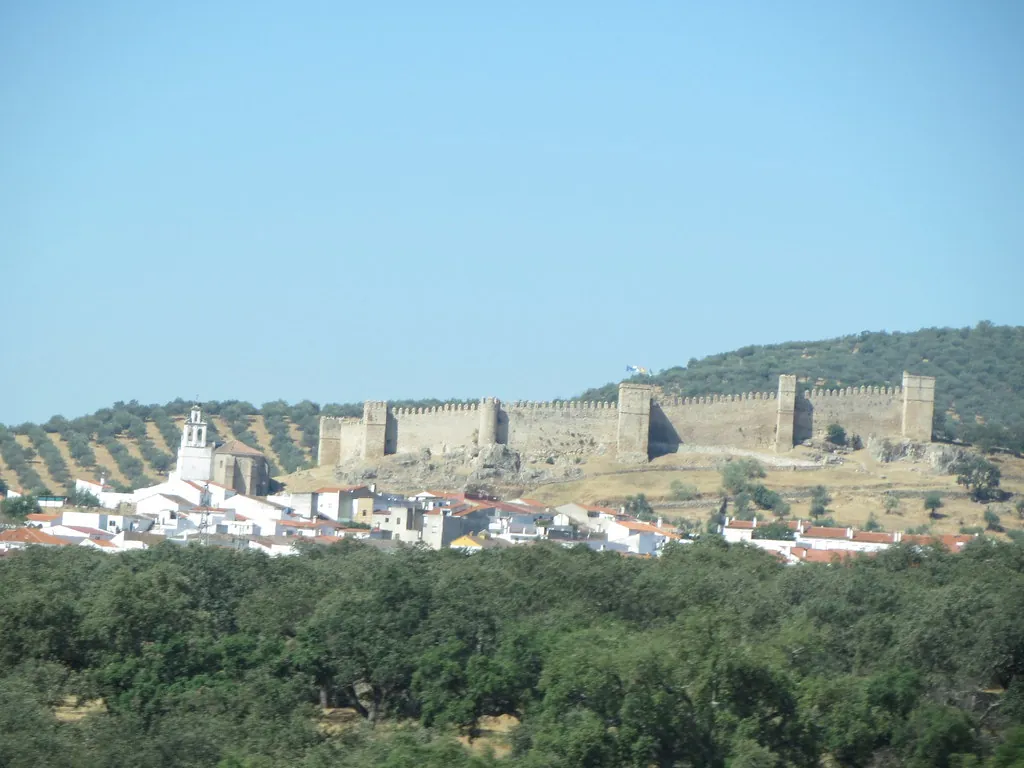
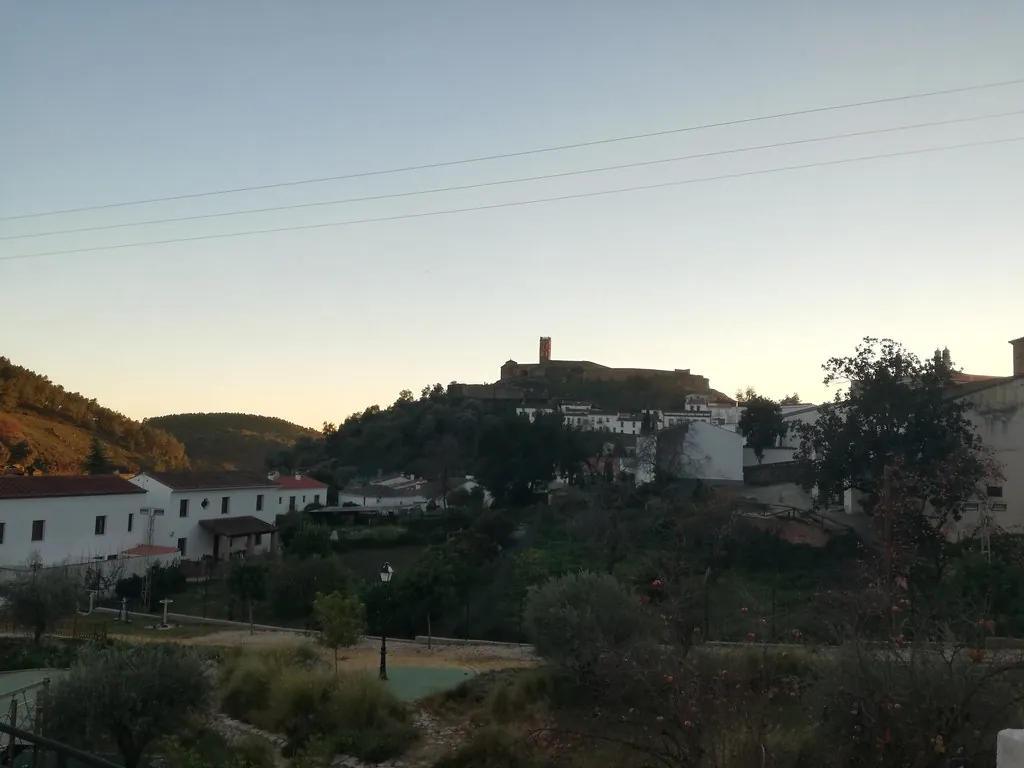
Con unos novecientos habitantes, se agarra a la ladera entre dehesas y castaños. El ritmo lo marca el campo, no el turismo. Verás coches aparcados en cualquier hueco, gente charlando en las puertas y ese silencio denso y cómodo que solo se rompe con el repique de una campana o el motor de un tractor a lo lejos.
La iglesia y lo que no es una postal
En el centro está la iglesia de la Purísima Concepción, del siglo XVIII. Es blanca, sencilla, sin pretensiones arquitectónicas grandilocuentes. La puerta suele estar abierta. Entras y dentro hay una paz palpable, el olor a cera vieja y unos retablos que han visto pasar generaciones del pueblo. No es un museo; es un lugar donde la gente viene a rezar los domingos. Te sientas un rato en un banco y se te va quitando la prisa del viaje.
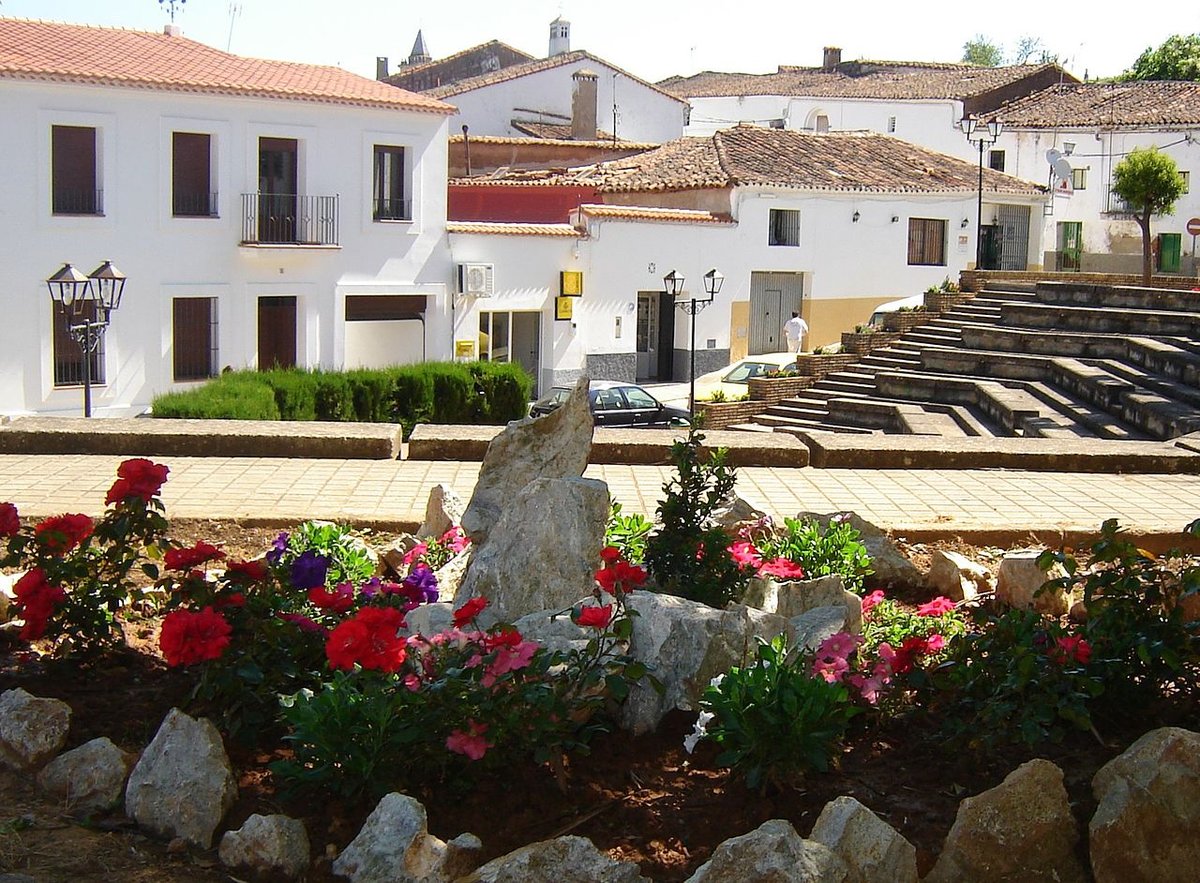
Pasear por las calles cuesta arriba y abajo no te llevará más de media hora. Las casas encaladas tienen tejados de pizarra y rejas en las ventanas. Algunas fachadas más grandes te hablan de tiempos pasados con más dinero, ligado al campo y la ganadería. Pero no busques un conjunto histórico perfectamente restaurado. Aquí verás una fachada recién pintada junto a otra con la pintura descascarillada. Es real.
Donde realmente merece la pena estar: fuera
Lo mejor de Arroyomolinos empieza donde acaba el asfalto. En cinco minutos estás en la dehesa, con alcornoques y encinas, o metido entre castaños que en otoño pintan todo de amarillo.
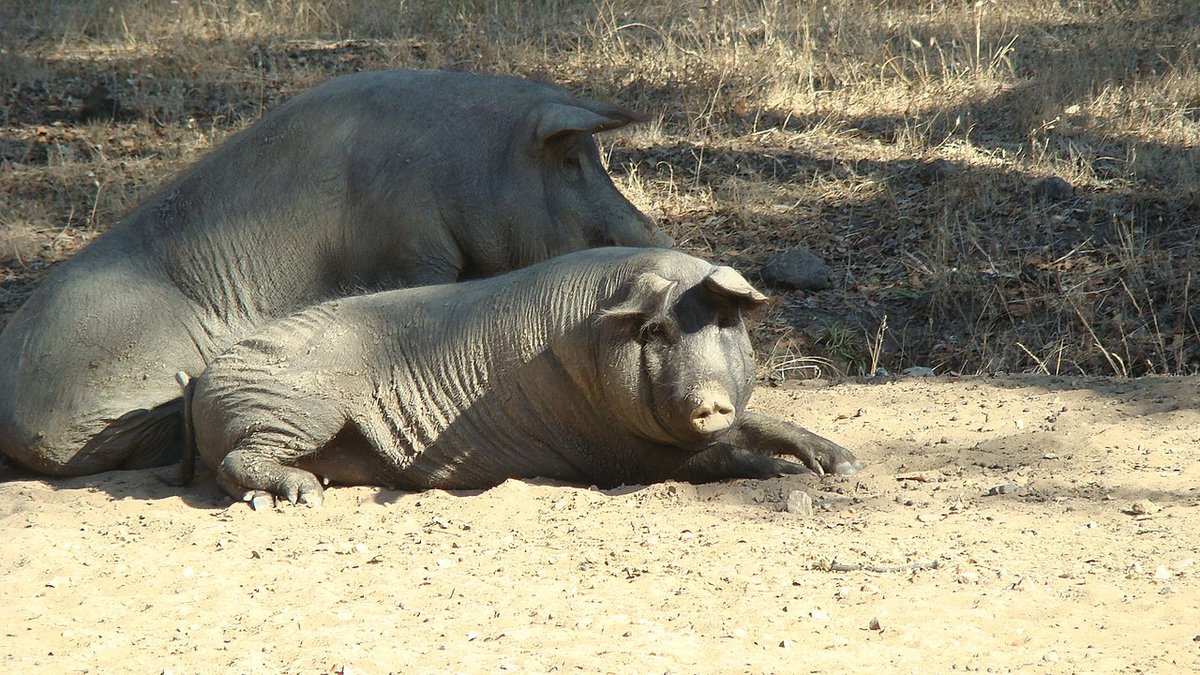
Caminar por aquí es sencillo. Sigues un sendero de tierra, pasas junto a muros bajos de piedra, ves cerdos ibéricos a lo lejos y buitres planeando arriba. No necesitas un mapa épico. A veces basta con seguir una vereda hasta donde te apetezca y luego dar la vuelta. El aire huele a jara, a tierra mojada si ha llovido, y en verano agradeces la sombra de los árboles cuando en Huelva capital achicharran.
Por los arroyos cercanos corre agua buena parte del año, sobre todo tras las lluvias de primavera. Son sitios frescos donde solo se oye el rumor del agua.
Comer, beber y andar sin complicaciones
La comida aquí va directa del terreno al plato. El cerdo ibérico manda, obviamente. Pero también hay quesos de cabra y oveja locales, potajes serranos cuando refresca y castañas asadas en noviembre. Si hablas con alguien del pueblo en temporada, puede que mencione los sitios donde salen níscalos. Eso sí, sobre setas siempre escucharás alguna historia con moraleja: nunca cojas lo que no conoces.
Las fiestas son cosa del pueblo para el pueblo. En diciembre celebran a la Inmaculada con fervor. En otoño puede haber alguna jornada alrededor de la castaña, con mesas puestas en la calle y gente del lugar compartiendo comida. El Carnaval o la Semana Santa tienen ese aire familiar donde todos se conocen.
No son espectáculos para forasteros; son la excusa para que los vecinos se junten.
Llegar e instalarse (o no)
Arroyomolinos está en el norte de Huelva, rozando ya Badajoz. Se llega por carretera desde la A-66, metiéndote después por carreteras comarcales que serpentean entre dehesas.
¿Cuánto tiempo quedarse? No es un pueblo para hacer turismo cultural intensivo porque no tiene esa oferta clásica. Funciona como una pausa tranquila en una ruta por la Sierra, o como base para caminar sin ver a nadie durante horas. Con una mañana paseando por el pueblo, otra por los caminos de alrededor y una comida tranquila ya has captado su esencia. Si buscas acción monumental o ambiente cosmopolita, este no es tu sitio. Si buscas respirar hondo mientras ves cómo pastan unas ovejas en la ladera opuesta, posiblemente sí