Full Article
about Cañaveral de León
A mountain village known for its huge natural lagoon in the town center that doubles as a swimming spot; white streets amid vegetable plots and olive groves.
Ocultar artículo Leer artículo completo
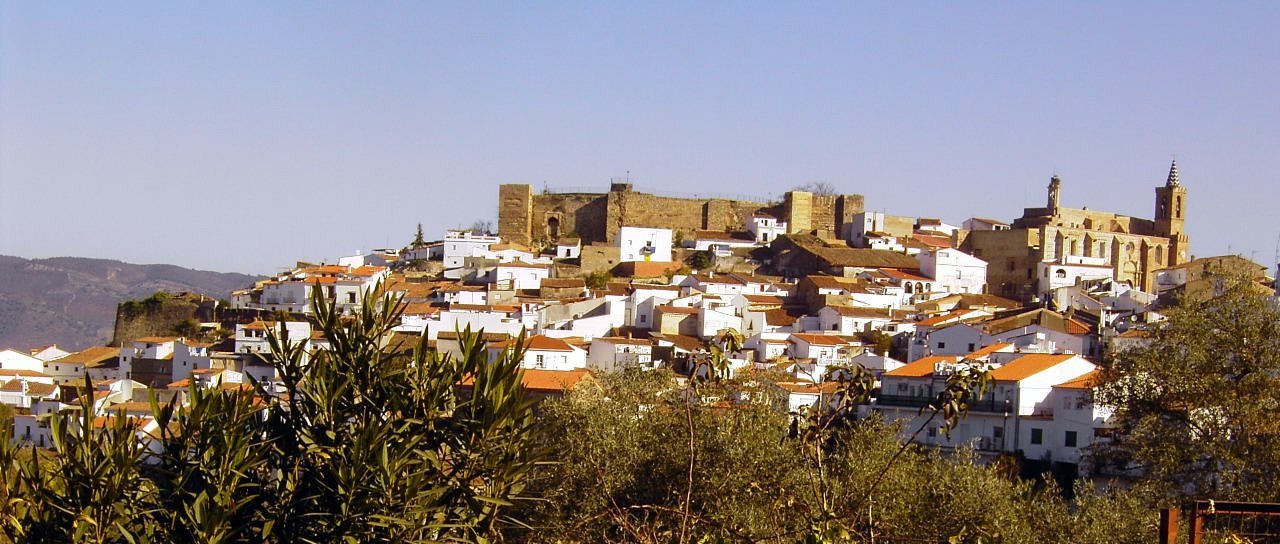
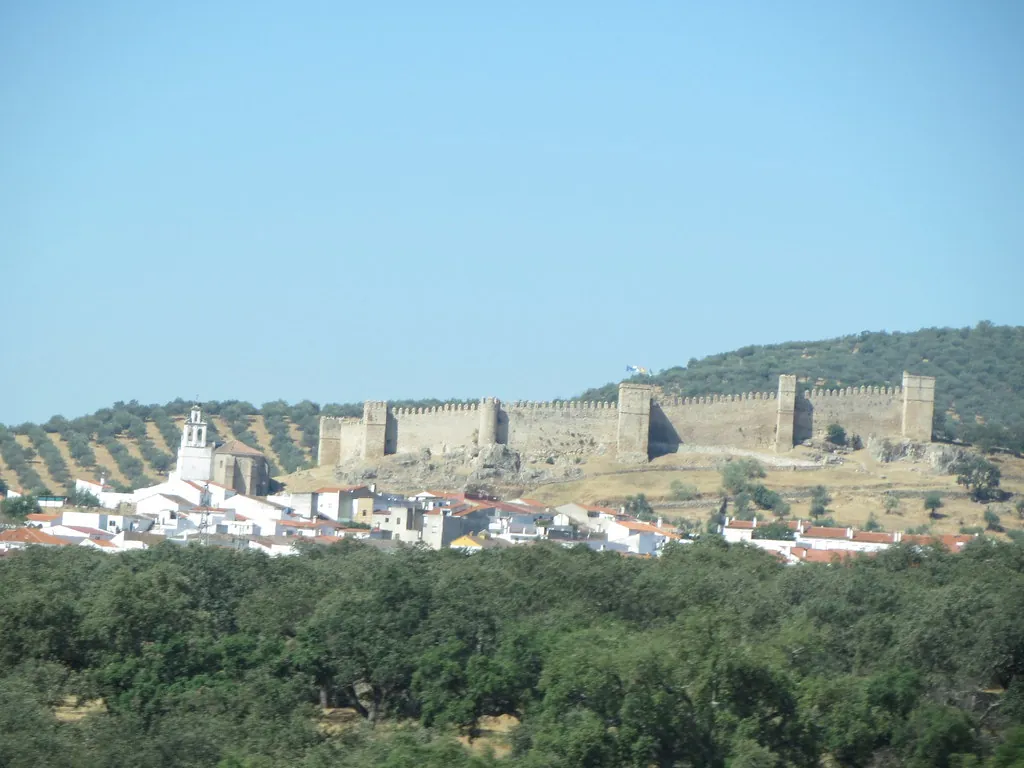
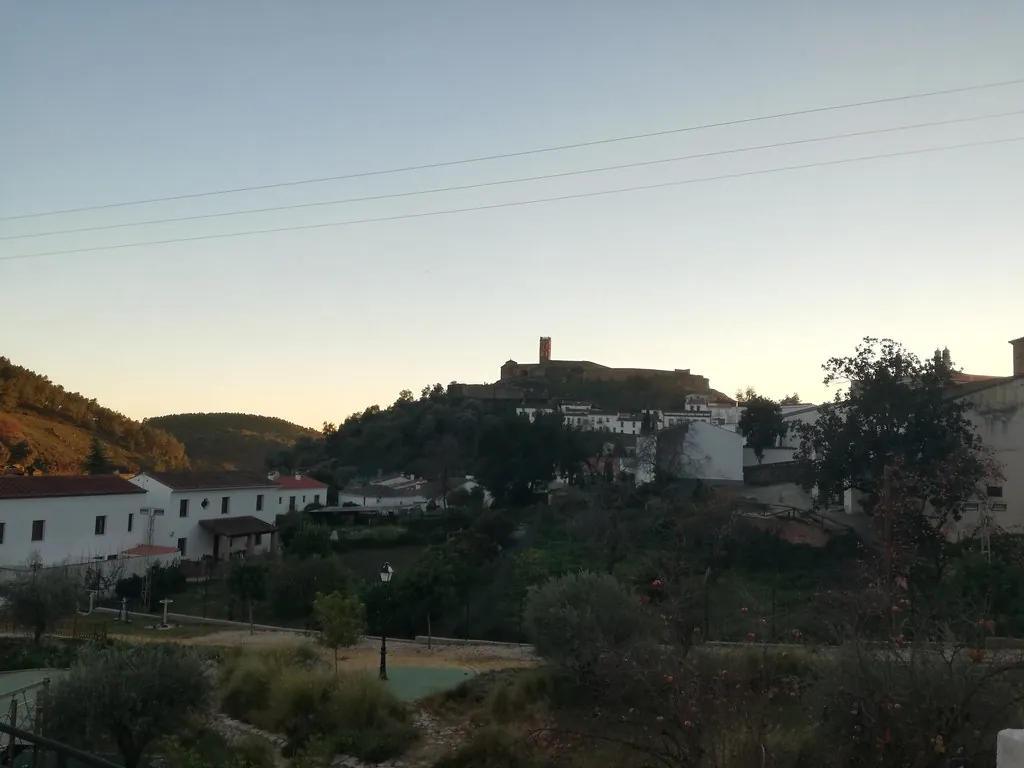
At 533 metres above sea level, Canaveral de León begins where the asphalt ends. The A-5300 climbs through cork oak and sweet-chestnut until the road narrows, the phone signal flickers out, and white walls appear between the trees. First impression: this is not León at all. The village borrowed its royal surname in the Middle Ages and never gave it back; it sits 600 kilometres south-west, in the folds of Huelva’s Sierra de Aracena, closer to the Atlantic than to anywhere called León.
Why the map still matters
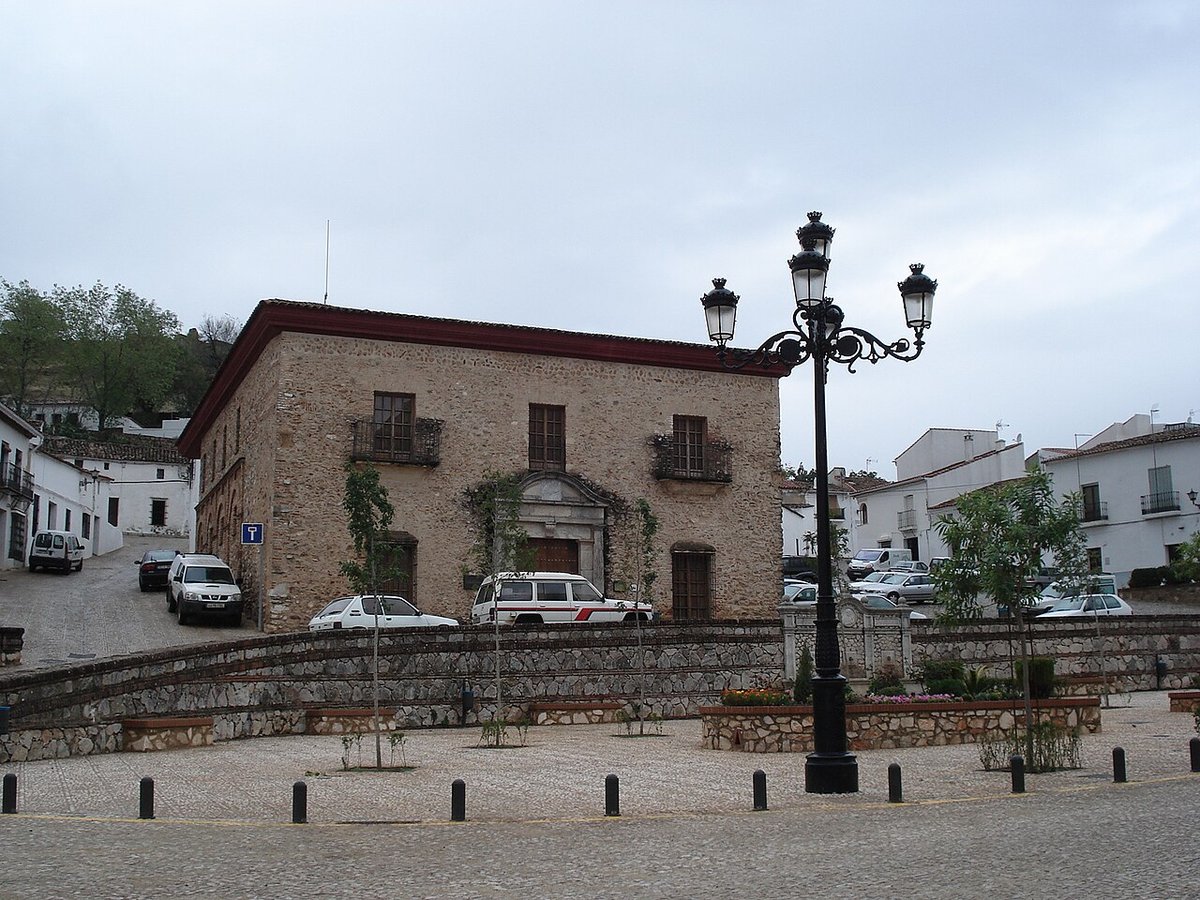
The confusion keeps the coach tours away. Most drivers punch “Canaveral” into the sat-nav and end up on the meseta; the handful who retype “de León” discover a grid of cobbled lanes that take twenty minutes to walk in its entirety. Houses are limewashed yearly, shutters painted the same green as the chestnut canopy that turns bronze each October. At the centre stands a stone fountain fed by a spring that never dries; villagers still fill plastic jugs there rather than trust the tap. Above it, the parish church of Nuestra Señora de la Granada keeps its doors unlocked, baroque façade simple enough to pass for provincial. Inside, the air smells of candle wax and damp stone—more honest than incense.
Walking without way-markers
Canaveral only makes sense on foot. Tracks leave the upper edge of the village like spokes: south to the abandoned hamlet of El Calabacino, north along the Cañada Real to Aracena, east into chestnut plantations where pigs graze beneath the trees. None are sign-posted in English; a Spanish leaflet in the bar shows three circular routes graded “suave” (13 km), “moderado” (18 km) and “exigente” (26 km). The suave loop is enough for most: it dips into the valley of the Murtigas stream, passes a ruined water-mill where kingfishers flash turquoise, then climbs back through holm oak dehesa. Wear shoes with grip—after rain the clay sticks like wet cement and the descent is slippery even for locals.
Mid-week you may meet nobody; at weekends Spanish families appear, poles in hand, hunting níscalos (saffron milk-caps) from mid-October to early December. Picking is legal for personal use; carry a basket, not a plastic bag, or the guardia will lecture you on spore dispersal.
One bar, one menu, no surprises
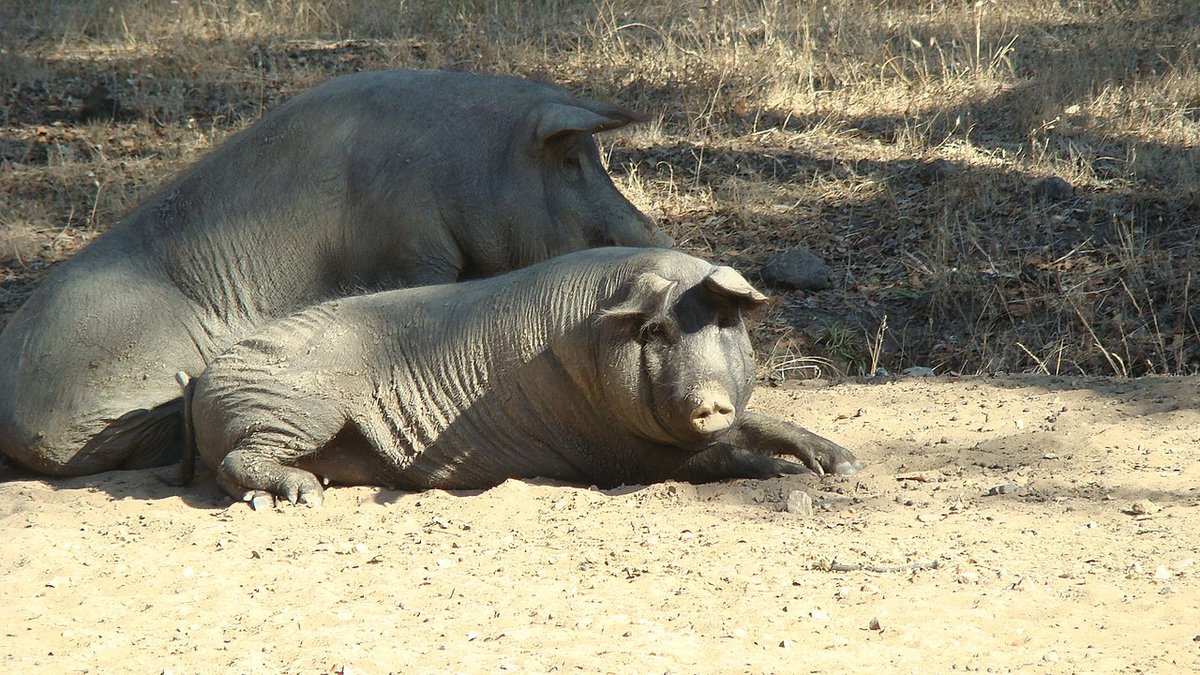
Food is dictated by geography. Iberian pigs outnumber people; their ham hangs in every cellar. The only year-round bar—simply called “Bar Cañaveral”—opens at 07:00 for coffee and churros, closes at 22:00 when the last customer leaves. There is no written menu: ask what’s cooking. Mid-week lunch might be tostón, pork shoulder braised with chestnuts and a splash of local chestnut beer; weekends bring cocido de mondongo, a tripe stew that divides opinion even among Spaniards. Vegetarians get revuelto de setas, scrambled eggs with wild mushrooms, though you need to request it before they start the pig-based sofrito. Starters, main, coffee and a copa of house red cost €12; they still write the bill by hand and add it up in pencil. Cards are accepted, but the machine fails when the wind blows—bring cash.
If you need choice, drive 12 km to Aracena where Casa Juan serves grilled ibérico and the town has three ATMs. Canaveral itself has none; the nearest accepting foreign cards is in Cala, 25 minutes down the mountain.
Seasons that change the rhythm
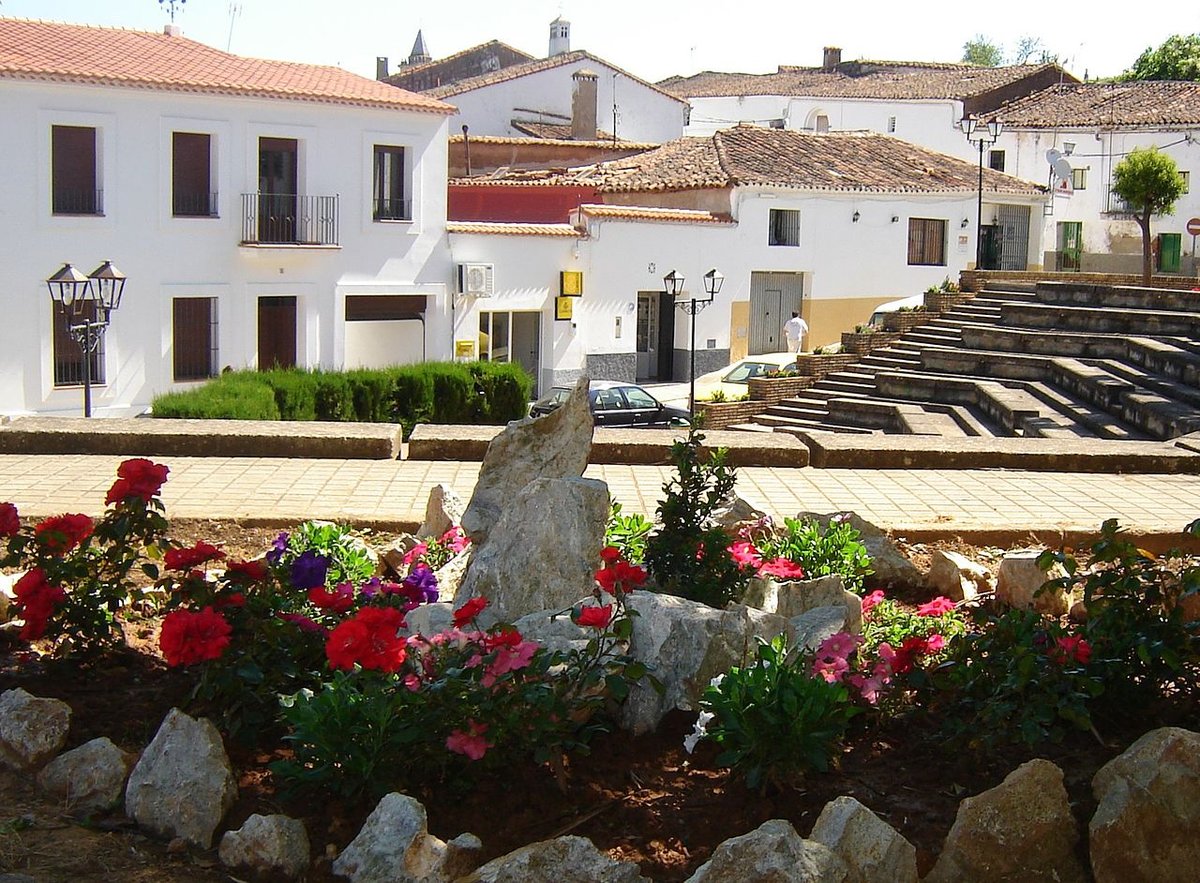
April to June is the sweet spot: daytime 22 °C, nights cool enough for a jacket, fields loud with nightingales. July and August turn the valley into a slow oven; temperatures touch 36 °C but the altitude means nights drop to 18 °C, so Spaniards arrive from Seville to escape the plains. The natural pool in the main square—essentially a concrete tank filled by the spring—becomes the social hub. Arrive mid-week if you want to swim lengths; Saturday afternoon resembles a lido in Croydon, only with jamón sandwiches instead of crisps.
Autumn brings colour and crowds of a different sort. The chestnut woods catch fire in ochre and rust, and the village hosts its annual Magosto on the first Sunday of November. Locals roast nuts on communal bonfires, serve grilled chorizo on chestnut leaves and pour young red wine from plastic jugs. Visitors are welcome but there are no wristbands or souvenir stalls—just a bucket for donations to cover firewood.
Winter is quiet, often misty. Daytime 10 °C, nights can fall below zero; chimneys work overtime and the smell of woodsmoke drifts through the streets. The road is kept clear but the final 3 km can ice over—carry chains if you book Christmas week. The compensation is acoustic: no tractors, only the clack of hooves as a farmer rides his mule to check the pigs.
Where to sleep (and what it costs)
Accommodation is limited to three village houses let as casas rurales. Casa Rural La Fuente sleeps six, has a roof terrace with mountain views and costs €90 per night year-round (minimum two nights). Heating is by pellet stove; the owner leaves a sack and demonstrates the ignition procedure with the seriousness of a BA safety demo. Sheets and towels are included, Wi-Fi is theoretically fibre but slows to 1990s dial-up when everyone streams after dinner. Book through the regional tourist board site or phone direct—owners respond faster to WhatsApp than email.
If you prefer hotel service, Posada de Aracena (12 km away) is British-run, serves afternoon tea and has a pool open May–September. Double rooms from €85 including breakfast; they’ll drive you to Canaveral for walks if you leave the car behind.
Honest verdict
Canaveral de León does not do “attractions”. The church is small, the castle non-existent, the museum is a locked room above the ayuntamiento opened on request. What it offers is subtraction: fewer cars, less noise, no souvenir tat. The trade-off is practicality. You need a car, a phrasebook and tolerance for the single-bar economy. Come for two nights, walk the chestnut woods, eat ham that was trotting past your window six months earlier, then leave before the silence feels like isolation. If that sounds like relief rather than hardship, the village will repay the detour—just remember it’s nowhere near León.