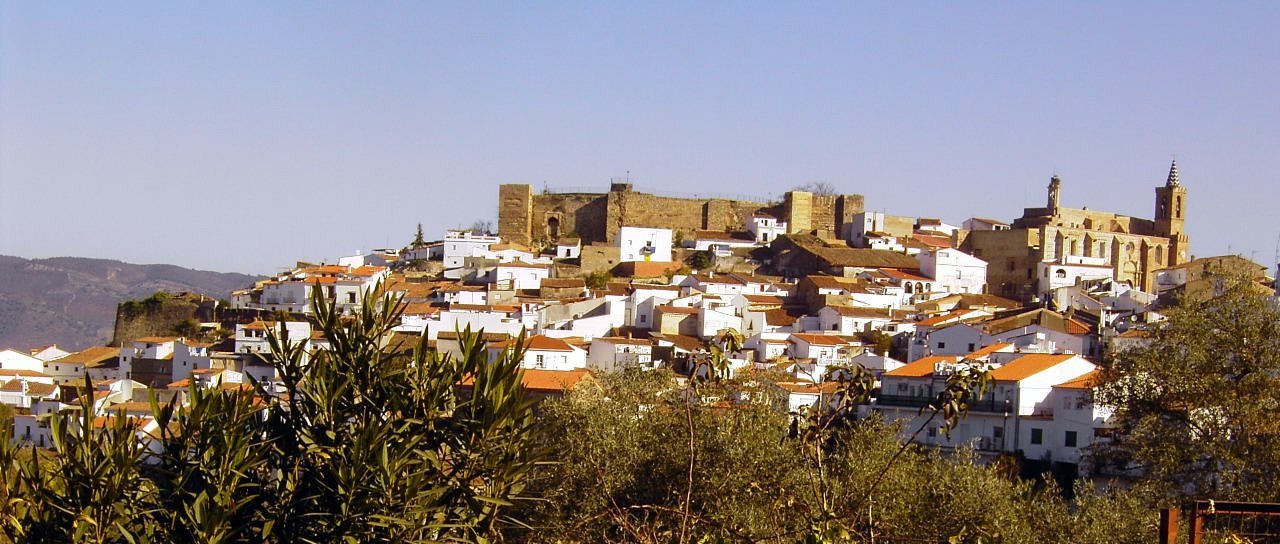
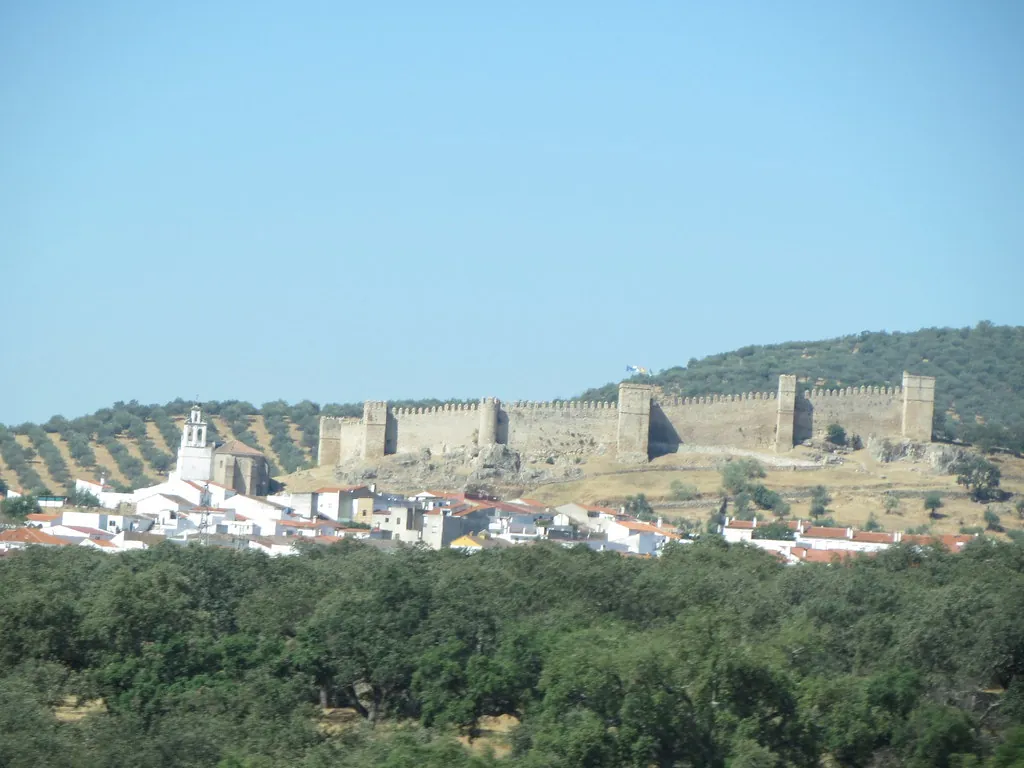
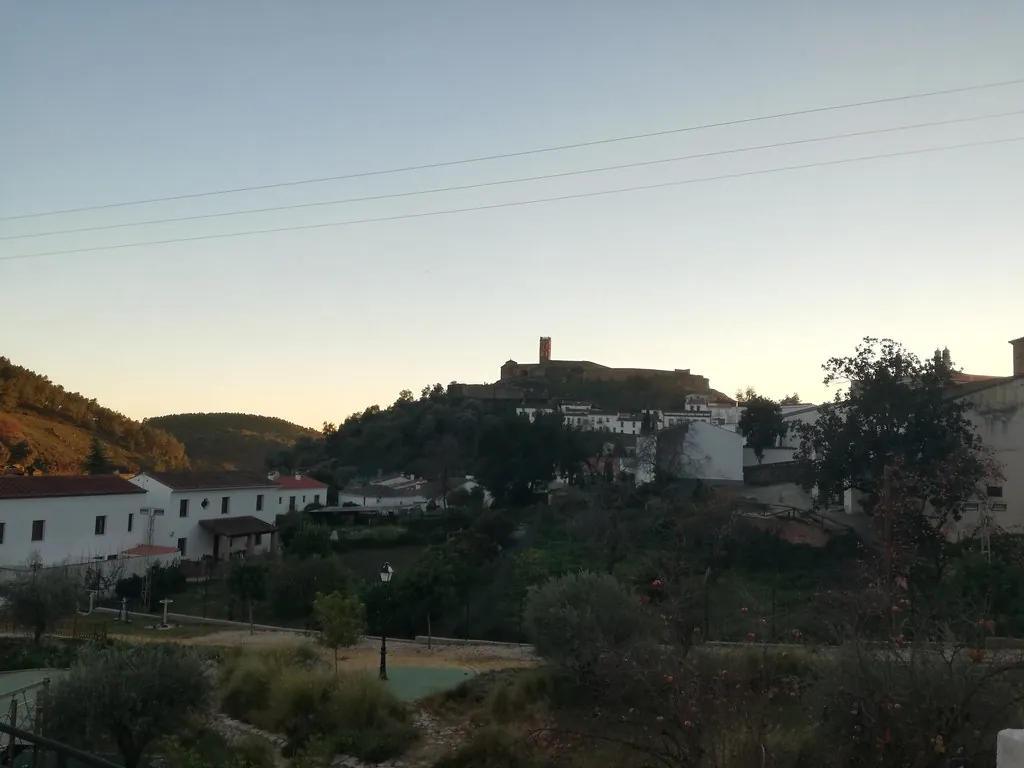
Vista aérea de Corteconcepción
Instituto Geográfico Nacional · CC-BY 4.0 scne.es
Andalucía · Passion & Soul

Corteconcepción

The morning mist lifts from the Aracena reservoir to reveal a village that clings to the hillside like limpets to a rock. Corteconcepción sits 572 ...

581 inhabitants · INE 2025
572m Altitude

Why Visit

Mountain Church of the Immaculate Conception Ham tasting

Best Time to Visit

winter

Gastronomy Days (June) agosto

Things to See & Do
in Corteconcepción

Heritage

  • Church of the Immaculate Conception
  • San Juan Hermitage
  • public washhouses

Activities

  • Ham tasting
  • Visit to curing sheds

Festivals
& & Traditions

Fecha agosto

Jornadas Gastronómicas (junio), Fiestas Patronales (agosto)

Las fiestas locales son el momento perfecto para vivir la autenticidad de Corteconcepción.

Full Article
about Corteconcepción

Small mountain town near Aracena, known for its artisanal cured meats; quiet setting perfect for rest and rural tourism.

Ocultar artículo Leer artículo completo

The morning mist lifts from the Aracena reservoir to reveal a village that clings to the hillside like limpets to a rock. Corteconcepción sits 572 metres above sea level, its whitewashed houses arranged in irregular terraces that follow the natural contours of the Sierra. From the mirador behind the parish church – an unsigned spot most visitors miss – the view stretches across dehesas of cork oak to the water below, where cormorants dive between the drowned valleys.

This is not the Andalucia of flamenco posters and Costa del Sol brochures. The Sierra de Aracena marches to a different rhythm, one dictated by the seasons rather than the tourist calendar. Winter brings woodsmoke and the deep thud of axes splitting oak for heating. Spring carpets the hillsides with wildflowers. Summer sends locals scurrying for shade during the afternoon furnace, while autumn ushers in the heady scent of mushrooms and the serious business of the pig harvest.

Walking Through Living History

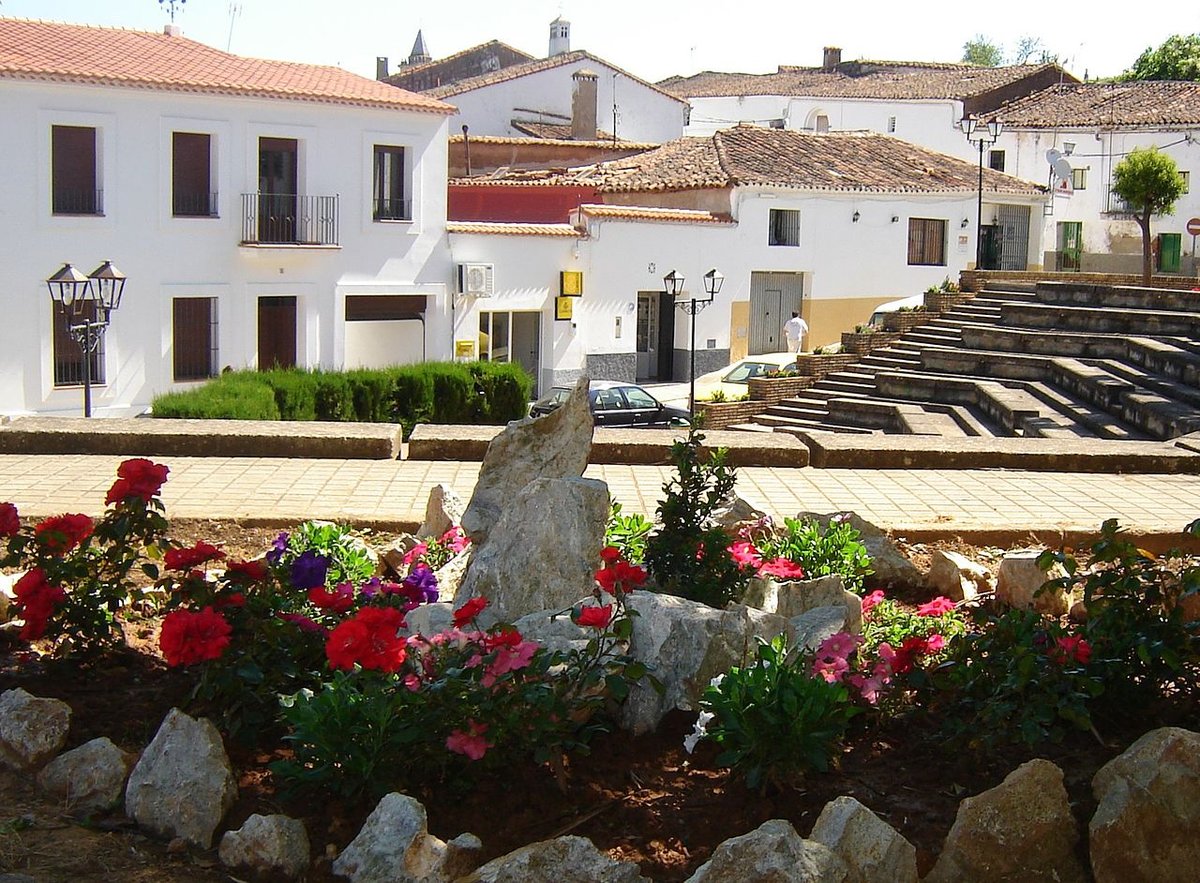
The village's 563 inhabitants have perfected the art of living slowly. Streets barely wide enough for a donkey – let alone the rental cars that occasionally scrape their wing mirrors along the stone walls – wind between houses whose lime-washed facades glow different hues depending on the light. Many retain their original forge-work grilles, thick wooden doors opening onto cool interior patios where geraniums splash colour against white walls.

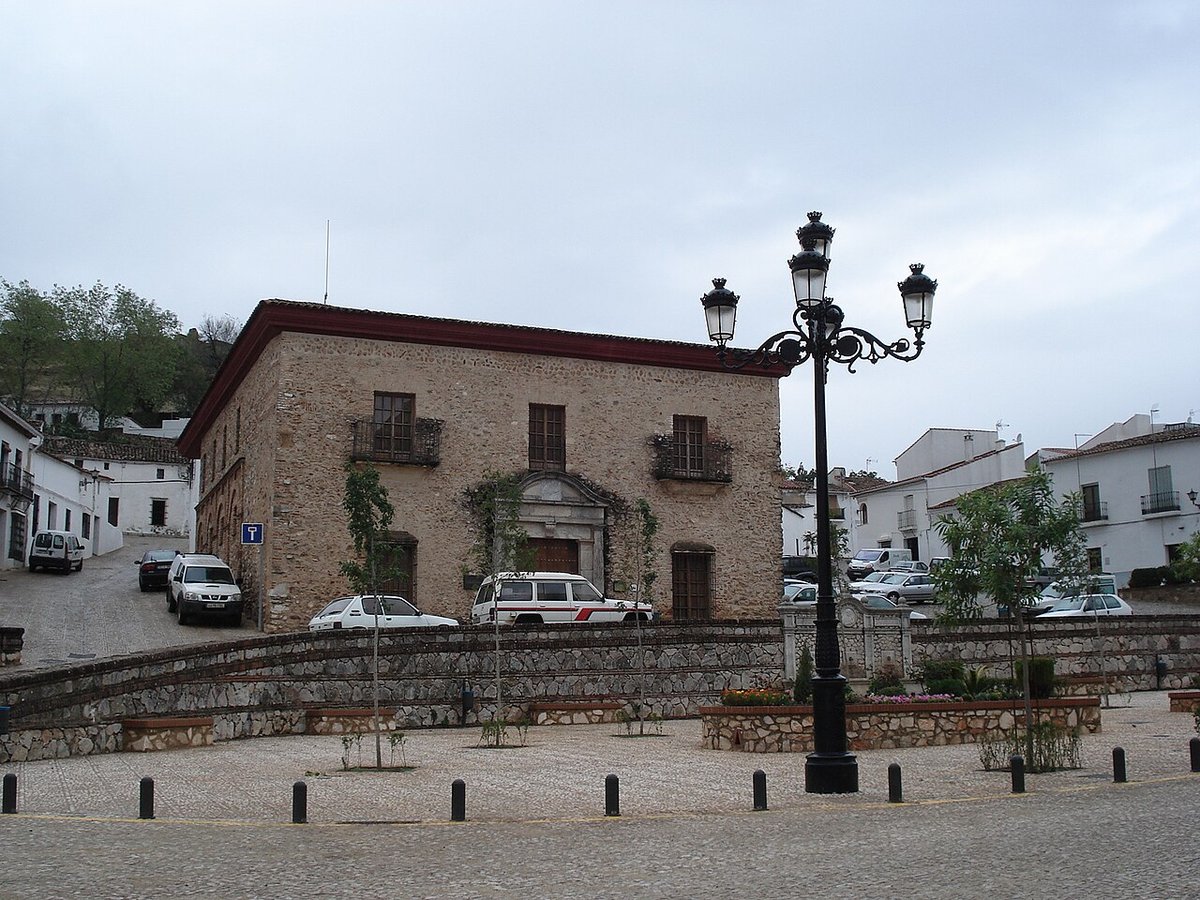
The parish church of Nuestra Señora de la Concepción anchors the upper town, its modest tower providing a landmark visible from every approach. Built in the 16th century and remodelled several times since, it exemplifies the sober architectural style typical of mountain villages – no baroque excess here, just solid stone and whitewash designed to withstand both weather and time. The square outside hosts the village's social life: old men play cards under the shade of a struggling plane tree while women exchange gossip on benches positioned to catch the afternoon sun.

Below, the streets descend in irregular steps towards the main road. Here, traditional houses give way to more recent additions – some sympathetic, others less so – but the overall impression remains one of a place that has evolved rather than been preserved. Washing hangs from balconies. A cat sleeps on a windowsill. From an open doorway comes the sound of a radio discussing yesterday's football and the price of cork.

The Forest That Pays the Bills

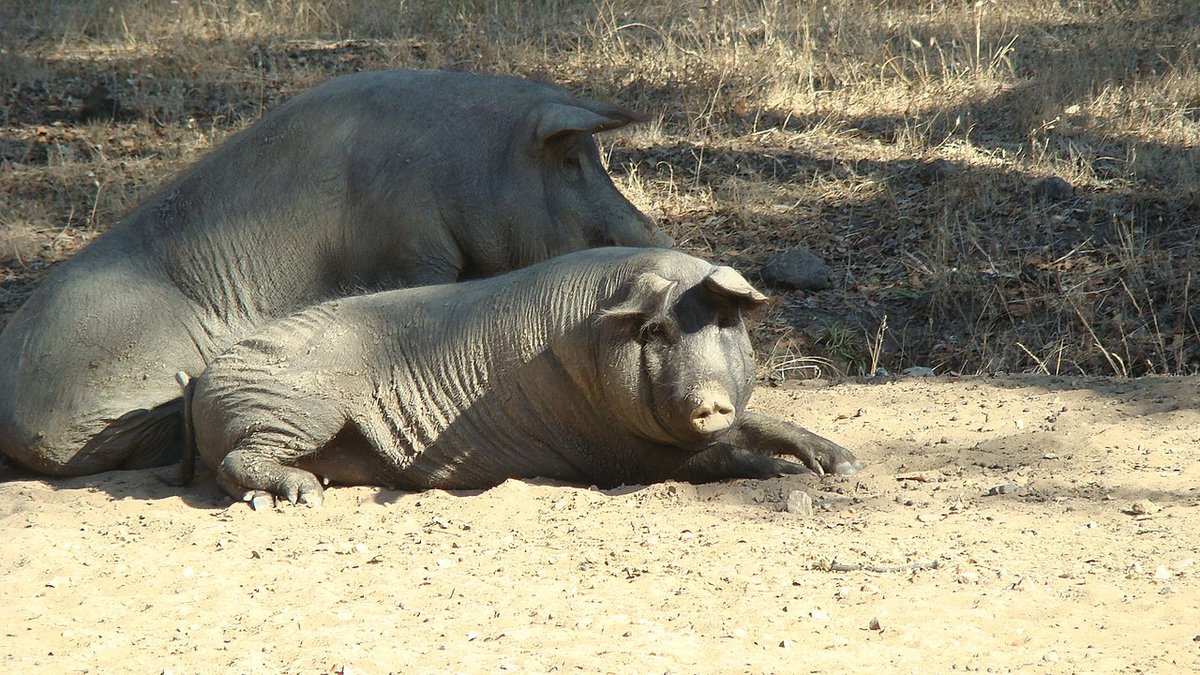
Corteconcepción's true wealth lies not in its buildings but in the surrounding landscape. The dehesa system – a carefully managed agro-forestry ecosystem that produces everything from cork to acorn-fed pork – stretches for miles in every direction. Cork oaks, their trunks stripped to reveal the orangey-pink inner bark, stand alongside holm oaks whose acorns fatten the famous black-footed pigs during the montanera season.

This is working countryside, not wilderness. Paths originally created for moving livestock now serve walkers equally well. The Ruta de los Castaños leads through sweet chestnut groves, while shorter circuits connect with neighbouring villages like Alájar or Aracena itself, four kilometres distant. Waymarking follows the Spanish system of painted stripes – white and yellow for long-distance paths, green and white for local routes – though some signs have weathered to near-invisibility.

The best walking weather comes in spring and autumn. Summer heat can be brutal, with temperatures touching forty degrees, while winter brings the possibility of snow that makes the mountain roads treacherous. Even in ideal conditions, proper footwear is essential. The limestone terrain eats trainers for breakfast, and the paths can be slippery with fallen leaves or loose stone.

What Ends Up on the Plate

Food here carries the unmistakable stamp of the landscape. The local jamón ibérico de bellota isn't a luxury product but a staple, produced from pigs that spent their final months gorging on acorns under the village's own oak trees. Jamones Gómez, signed simply as 'Factory', sells vacuum-packed portions perfect for travellers who can't face transporting an entire leg home. Their staff will slice it paper-thin while explaining, in rapid Spanish, the difference between jamón and the lesser paleta (shoulder cut).

The village's single restaurant, Bar Venta El Puerto on the main through-road, serves honest mountain cooking. Sopa de ajo – garlic soup enriched with paprika and often topped with a poached egg – provides winter comfort, while migas (fried breadcrumbs with pork belly and grapes) tastes better than it sounds. Local chorizo cooked in fino sherry appears frequently as tapas, its sweetness balanced by the dry sherry's bite. The menu changes with the seasons: wild mushrooms in autumn, chestnuts in winter, asparagus gathered from the hillsides in spring.

Sunday lunch draws families from kilometres around. Arrive before two o'clock or risk finding the kitchen closed and the day's specials sold out. Payment is cash only – the village has no ATM, and most establishments view card machines with the suspicion city folk reserve for pyramid schemes.

When the Village Comes Alive

Corteconcepción's calendar revolves around agricultural and religious festivals that blend seamlessly together. The fiestas patronales in August transform quiet streets into a celebration that lasts four days. Emigrants return from Barcelona and Madrid, swelling the population temporarily and filling the bars with raucous reunions. Music drifts from the plaza until dawn; the smell of roasting pork competes with incense from the church.

January brings the matanza – the traditional pig slaughter – when families gather to transform a year's careful pig-rearing into hams, sausages and blood puddings that will see them through the next twelve months. This isn't performed for tourists, though respectful observers are sometimes welcomed with a glass of anis and a slice of fresh morcilla.

Spring romerías see villagers deck out traditional carts for pilgrimages to country chapels. These combine religious observance with serious picnicking: whole lambs roast over wood fires while flamenco singers compete for attention with the local brass band. The most atmospheric is the Romería de San Isidro in May, when the route passes through flowering meadows and the air fills with the scent of wild herbs crushed underfoot.

The Practicalities of Peace

Reaching Corteconcepción requires commitment. The nearest airport is Seville, ninety minutes away on increasingly twisty roads. Car hire is essential – public transport involves multiple changes and schedules that seem designed to discourage visitors. Once in the village, park at the bottom and walk up. The streets weren't designed for vehicles, and reversing downhill past stone walls while locals watch with the resigned air of people who've seen it all before loses its charm quickly.

Accommodation is limited to a handful of rural houses rented out by their owners. These range from sensitively restored traditional properties with original beams and working fireplaces to more basic apartments that favour function over form. Booking ahead is crucial – with only a few options available, weekends and festivals fill fast.

The village offers Wi-Fi at the municipal building, though connections can be temperamental. Phone signal varies by provider and weather conditions. This isn't necessarily a drawback. Corteconcepción works best as a place to disconnect, to remember what mornings sound like without traffic, to rediscover that darkness can be absolute rather than merely dim.

Come prepared for weather that changes with altitude. Even in summer, evenings can be cool enough for a jumper. Winter requires proper coats – the mountains create their own microclimate, and what seems mild in Seville can feel distinctly chilly at 572 metres. Most importantly, bring patience and a phrasebook. English is rarely spoken, but willingness to attempt Spanish – however halting – unlocks levels of hospitality that transcend language barriers.

Corteconcepción won't suit everyone. Those seeking nightlife, shopping or sophisticated dining should look elsewhere. But for travellers happy to trade convenience for authenticity, who measure value in bird song rather than thread counts, this mountain village offers something increasingly rare: a place where tourism hasn't replaced daily life, merely provided a window into its continuance.

Key Facts

Region
Andalucía
District
Sierra de Aracena
INE Code
21024
Coast
No
Mountain
Yes
Season
winter

Livability & Services

Key data for living or remote work

2024
ConnectivityFiber + 5G
HealthcareHospital 24 km away
EducationElementary school
Housing~5€/m² rent · Affordable
Sources: INE, CNMC, Ministry of Health, AEMET

Official Data

Institutional records and open data (when available).

  • Ermita de San Juan Bautista
    bic Monumento ~0.2 km

Planning Your Visit?

Discover more villages in the Sierra de Aracena.

View full region →

More villages in Sierra de Aracena

Traveler Reviews