Full Article
about Cumbres de San Bartolomé
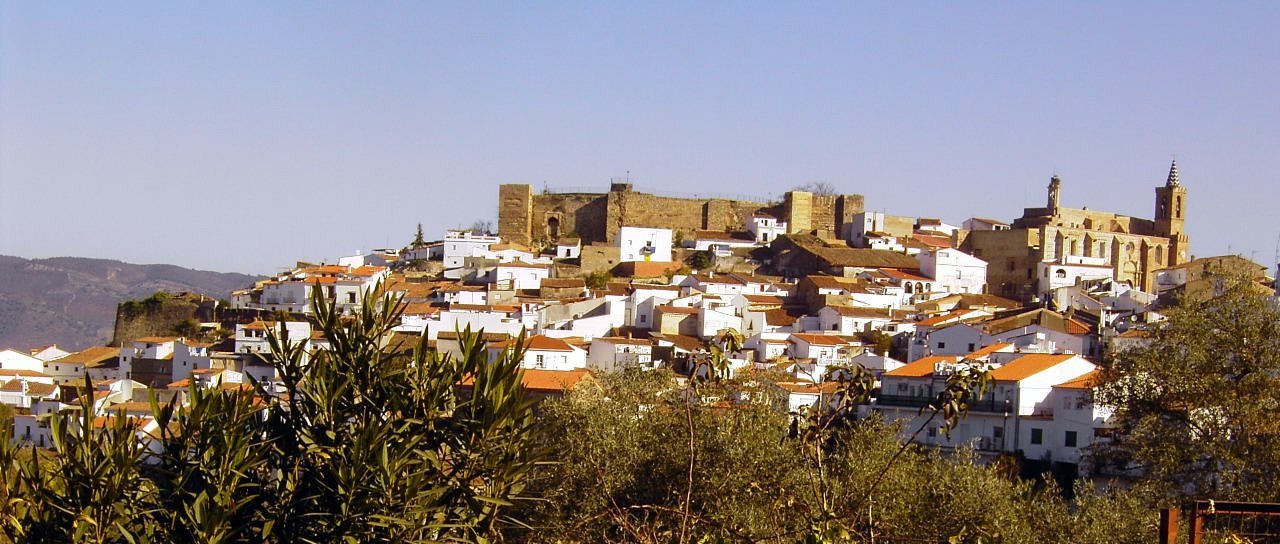
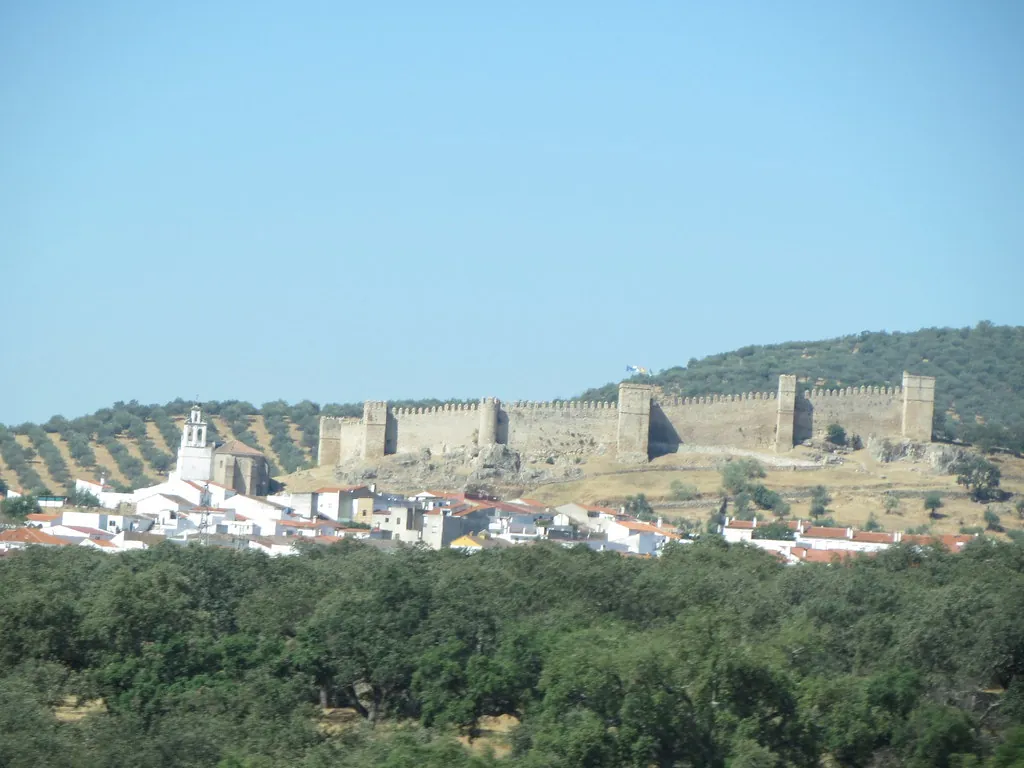
Border town with a fortress castle that once guarded the boundary with Portugal; its defensive layout and genuine rural atmosphere remain intact.
Ocultar artículo Leer artículo completo
The morning mist lifts at 586 metres to reveal a village where mobile signal fades faster than the footpaths begin. Cumbres de San Bartolomé sits quietly in western Huelva province, its 371 residents outnumbered roughly ten-to-one by the surrounding cork oaks that define Spain's Sierra de Aracena. This isn't a destination that announces itself with grand plazas or Moorish castles. Instead, it offers something increasingly rare: a place where walking shoes matter more than Wi-Fi passwords, and where the day's rhythm follows cattle bells rather than tour coaches.
A Village That Prefers Footsteps to Headlines
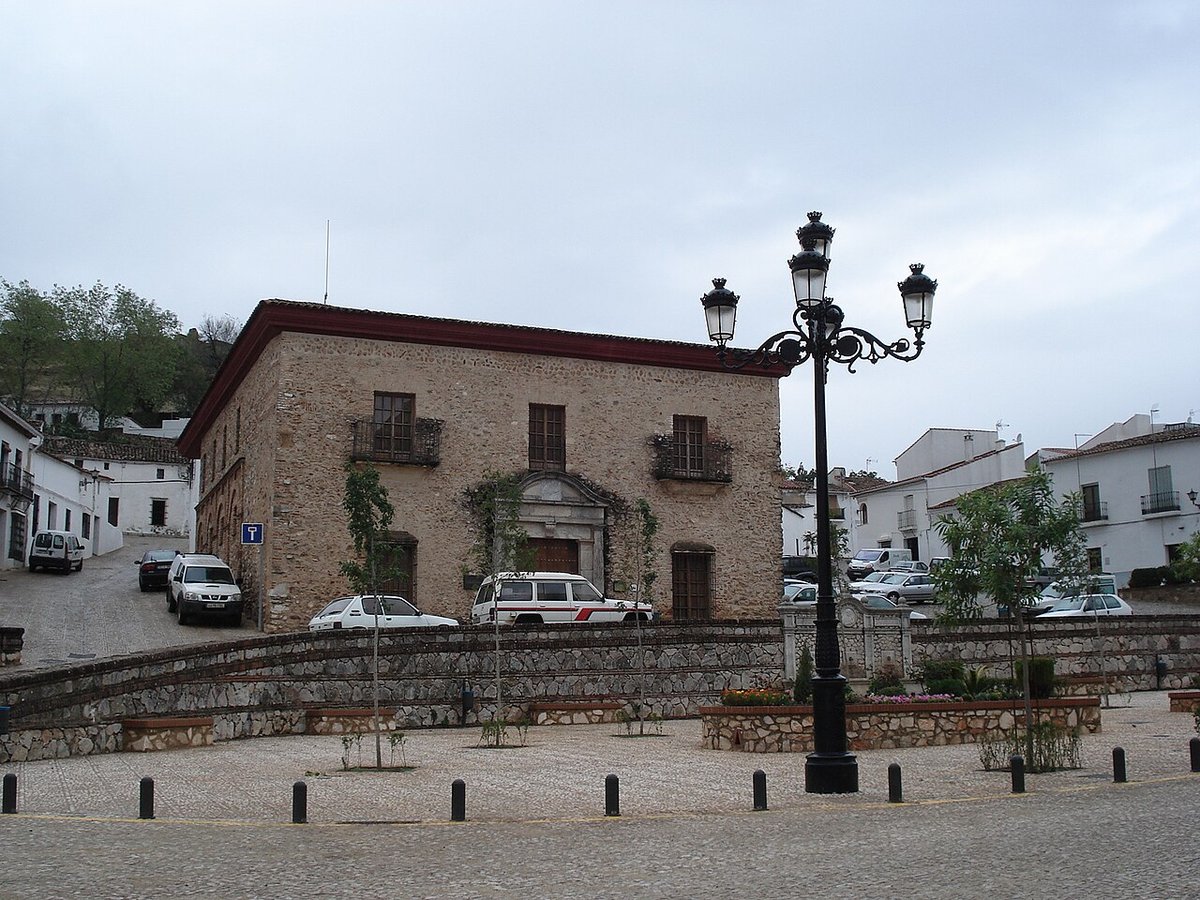
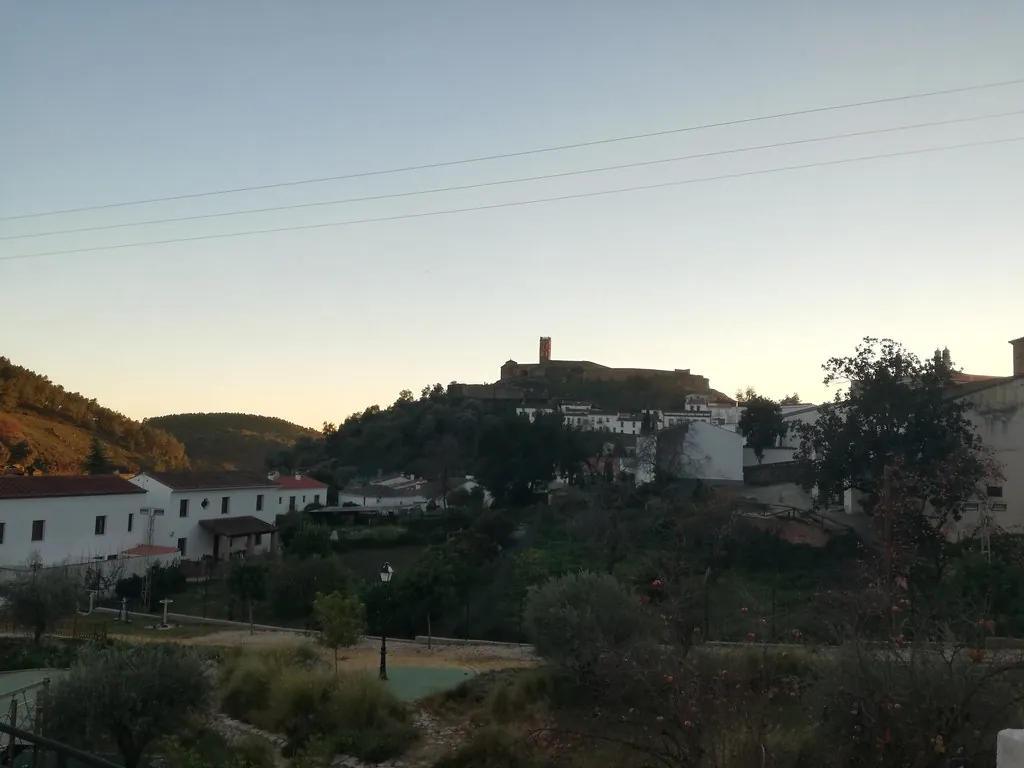
Calle Real, the main thoroughfare, climbs gently past whitewashed houses whose terracotta roofs bear the weight of decades rather than renovation grants. The church of San Bartolomé anchors the upper reaches - a modest medieval structure whose architectural interest lies in its evolution rather than any single spectacular feature. Weathered stone meets later brick additions; a Renaissance portal sits beside simpler Gothic windows. It's the architectural equivalent of a well-worn book: more character than glamour.
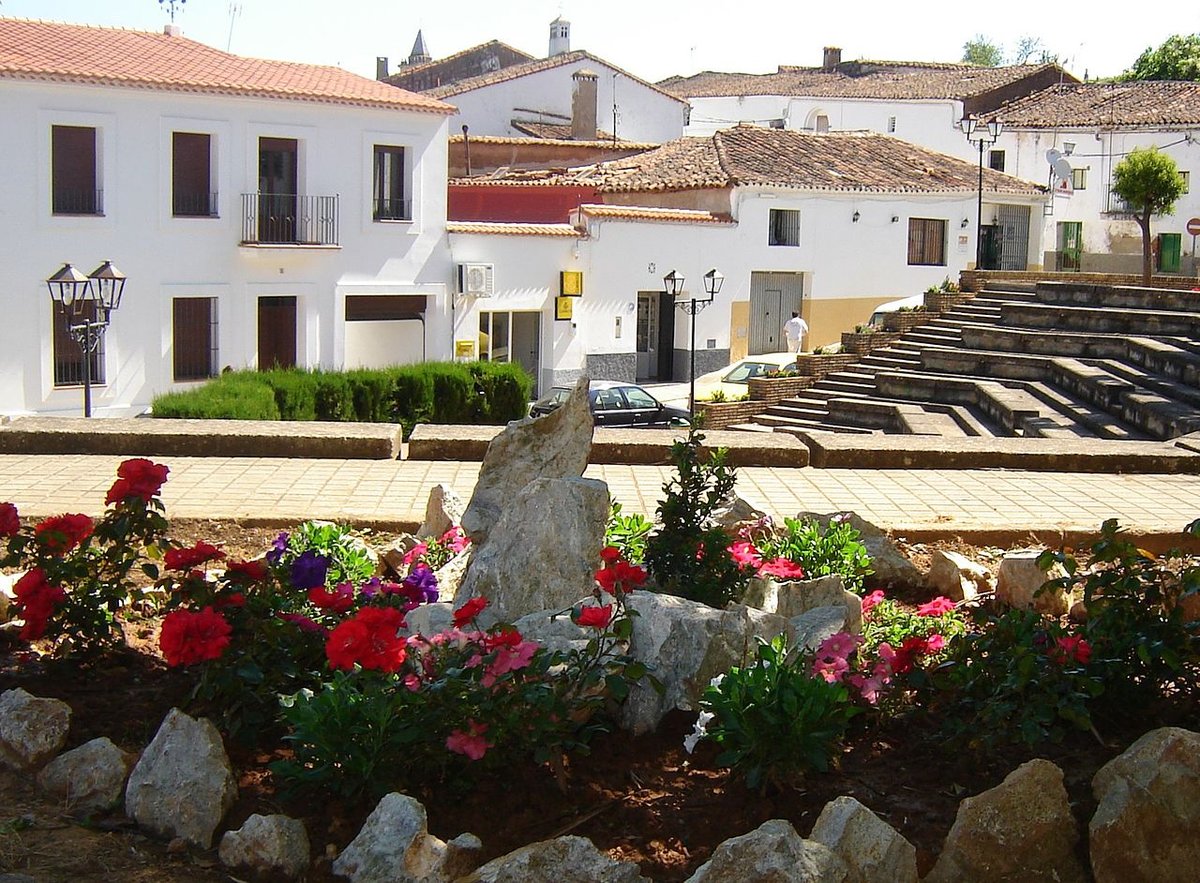
The village proper takes forty minutes to traverse at browsing speed. Narrow lanes branch off Calle Real like capillaries, revealing tiny plazas where elderly residents position plastic chairs to catch afternoon sun. Their conversations flow in thick Andalusian Spanish - if you're hoping to practice phrasebook Spanish, the local accent might prove humbling. Children play football against stone walls that predate their grandparents, while washing flaps from wrought-iron balconies painted traditional blue-green against white lime wash.
What's striking is what's missing: no souvenir shops, no multilingual menus, no hotels occupying historic buildings. The nearest accommodation lies outside village boundaries - rural cottages and converted farmhouses that accept guests on terms that suit owners rather than booking platforms. This isn't deliberate obscurity; simply a community that never reoriented itself around tourism's demands.
The Real Attraction Begins Where Tarmac Ends
Cumbres de San Bartolomé functions primarily as a gateway to the Parque Natural Sierra de Aracena y Picos de Aroche. The protected landscape unfurls immediately beyond the last houses, where centuries-old drovers' paths cut through dehesa - the classic Spanish pastureland where holm and cork oaks grow far enough apart to let light reach the grass below. These paths formed the region's motorway network long before tarmac arrived, and they remain the best way to understand the area's scale.
Walking options range from thirty-minute circuits suitable for post-lunch digestion to full-day hikes connecting neighbouring villages. The Sendero de las Cumbres traces ridge lines offering views across western Andalusia - on clear days, the Portuguese border lies visible to the west. Paths are marked but not manicured: expect loose stones, occasional muddy patches after rain, and sections where vegetation closes in during spring growth. Medium fitness levels suffice, though the constant undulation means you'll feel thigh muscles tomorrow.
Spring transforms the landscape from muted winter browns to vivid greens dotted with wildflowers. Temperatures hover around 18-22°C during April and May - perfect walking weather. Autumn offers similar conditions with added advantage: the dehesa develops subtle copper tones while mushroom varieties appear along path edges. Summer demands early starts; by 11am, heat makes exposed ridge walking unpleasant. Winter brings its own rewards - crisp air, empty paths, and occasional frost that silvers the oak branches - but daylight hours shrink dramatically and mountain fog can arrive suddenly.
Practicalities for the Self-Sufficient
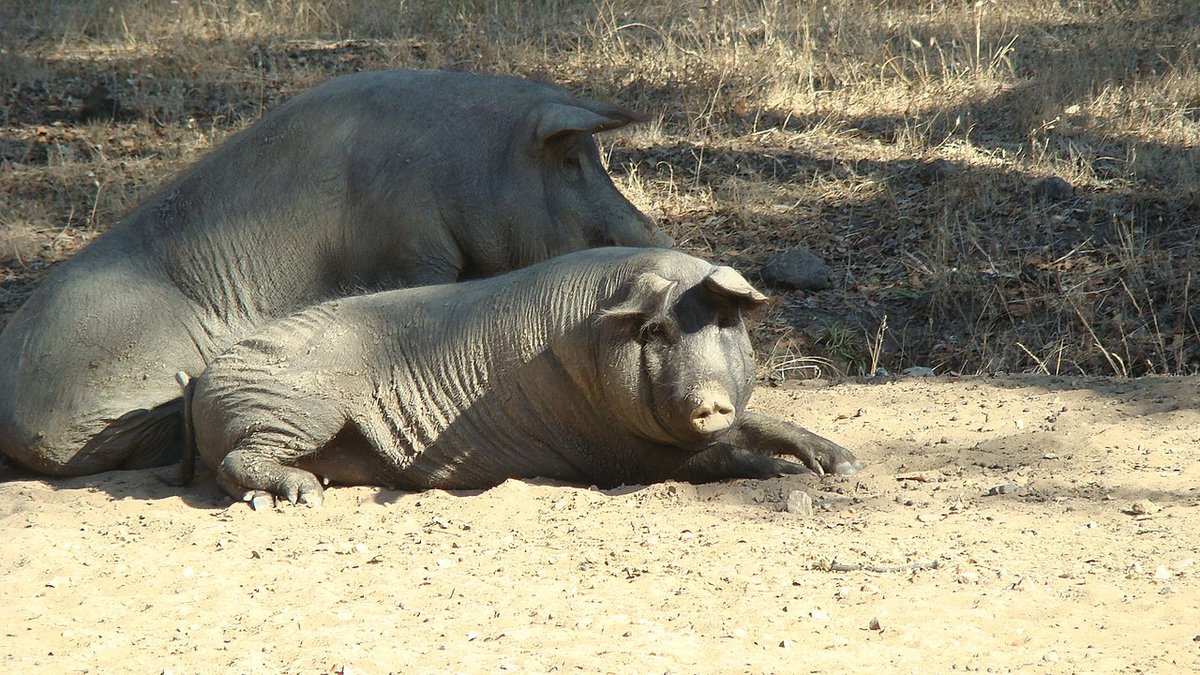
Stock up before arriving. The village contains a single small shop whose opening hours favour local routines over visitor convenience, and its stock runs more to tinned tuna and washing powder than hiking snacks. Aracena, twenty-five minutes drive north, offers proper supermarkets and Saturday morning market where you can assemble picnic supplies: local cheese that's mild enough for British palates, paper-thin jamón ibérico that costs fraction of UK prices, and crusty bread that won't disintegrate in rucksacks.
Driving proves essential. Public transport reaches Cumbres de San Bartolomé twice daily from Aracena, but times suit school runs rather than hiking schedules. From Seville airport (ninety minutes north via A-66 motorway), hire cars navigate easily until final approach: the last five kilometres involve narrow mountain roads where meeting oncoming traffic requires reversing to passing places. If winter visits coincide with unusual weather, carry snow chains - the 586-metre altitude means occasional snow that local authorities clear eventually rather than immediately.
Mobile coverage disappears within minutes of leaving the village. Download offline maps beforehand - the obvious path isn't always the correct one where multiple drovers' routes intersect. Water sources exist but aren't guaranteed; carrying two litres per person covers full-day walks even during summer heat.
Eating Beyond the Village Limits
Food culture here revolves around home cooking rather than restaurant experiences. The nearest ventas - roadside restaurants serving truckers and locals - lie along the A-493, fifteen minutes drive south. These unpretentious establishments deliver reliable staples: grilled meats, tortilla española thick as textbooks, and cold beer served in frosted glasses. Prices hover around €12-15 for three courses including wine - less than a single main course costs in Seville's tourist districts.
For genuine local flavour, time visits with village fiestas. The August pilgrimage combines religious procession with outdoor feasting where families share giant paellas cooked over wood fires. October's chestnut roast sees villagers gathering fallen nuts from surrounding forests, roasting them in perforated metal drums turned by hand. These aren't tourist events; visitors are welcomed but not catered to specifically. Bring contribution - bottles of decent Rioja go down well - and accept food offered even if chestnut fatigue sets in after the tenth portion.
When Silence Becomes the Main Attraction
Evening entertainment means positioning yourself where cork oak silhouettes frame sunset views. The western ridges catch final light dramatically; shadows creep across dehesa while bird calls signal day's end. Eagles and vultures ride thermals overhead - bring binoculars if birdwatching appeals, though identification guides need Spanish species focus rather than British garden varieties.
Nights deliver exceptional star visibility. Light pollution remains minimal; on moonless nights, the Milky Way appears with startling clarity. Temperature drops sharply after dark regardless of season - pack layers even during summer visits. The silence feels almost physical after urban backgrounds; distant dog barks carry kilometres through still air.
This isn't a destination for tick-box tourism. Cumbres de San Bartolomé rewards those comfortable with their own company and content to let landscape rather than facilities shape their experience. Come prepared, respect the quiet, and the village offers something increasingly precious: a place where Spain continues being Spanish rather than international. Just remember to fill the car with petrol and the rucksack with supplies before that final climb into cork oak country.