Full Article
about Cumbres Mayores
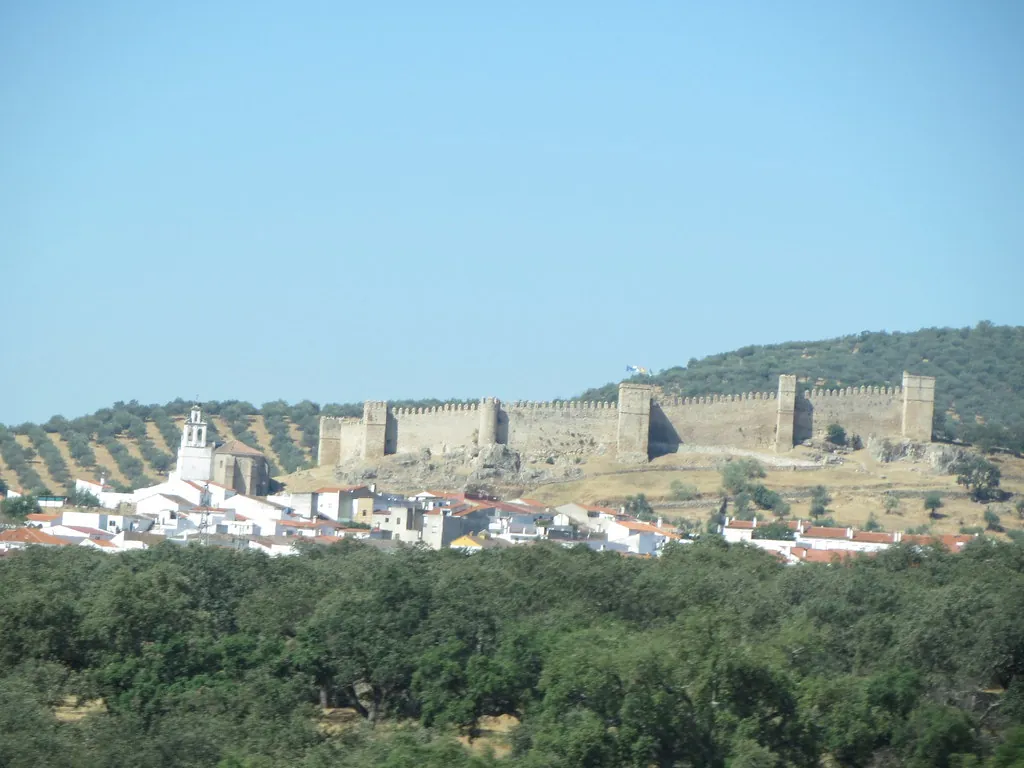
Birthplace of acorn-fed ibérico ham in the northern sierra; it has a monumental fortress-castle and a strong culinary tradition.
Hide article Read full article
Cumbres Mayores, desde la altura
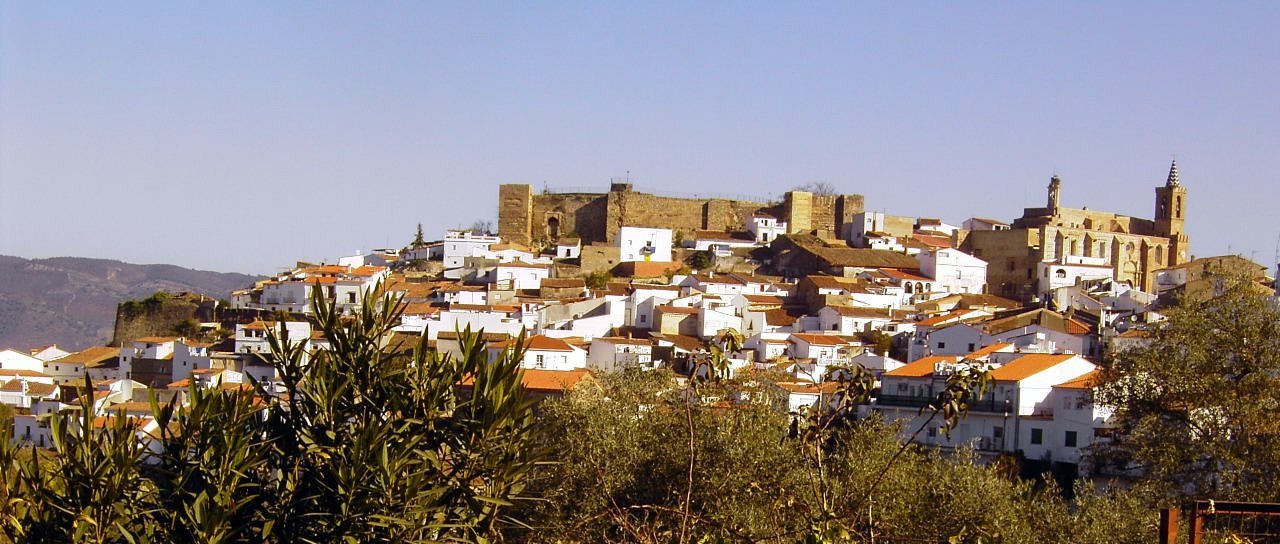
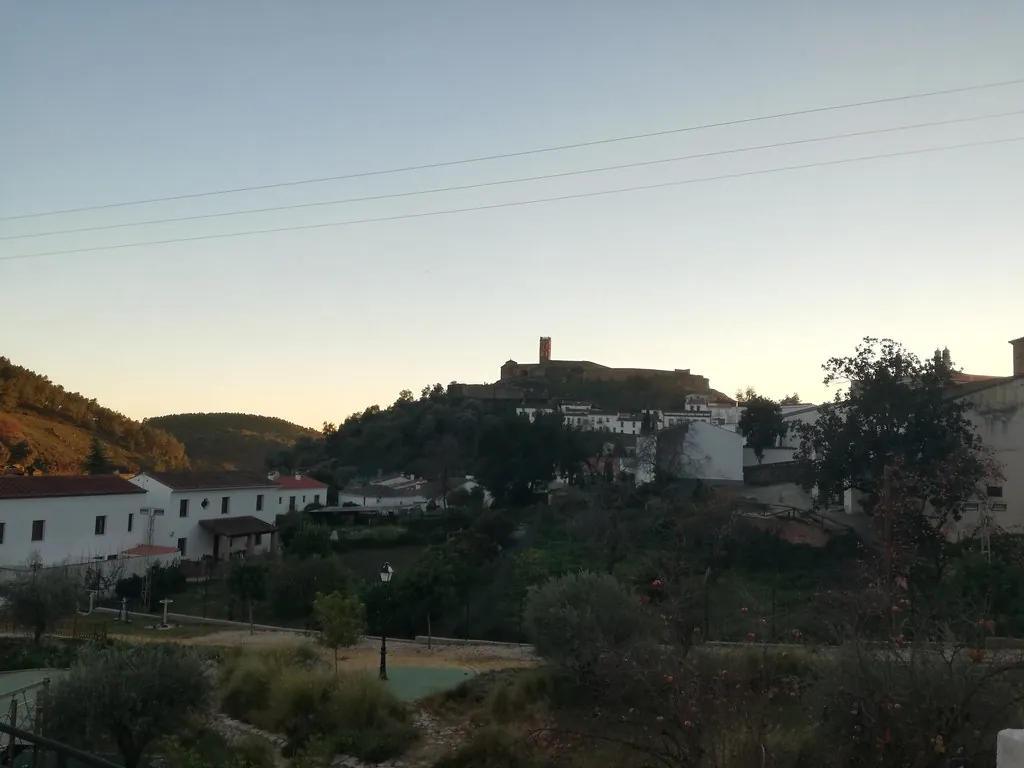
Cumbres Mayores se encuentra a unos setecientos metros, en el límite norte de la provincia de Huelva con Badajoz. Pertenece a la Sierra de Aracena y su población ronda los mil setecientos habitantes. La vida aquí sigue vinculada a la ganadería y al campo. El nombre no es casual: ocupa una de las cumbres más notables de esta parte de la sierra.
En invierno, el olor a leña quemada es constante. El paisaje inmediato es de dehesa, ese sistema de bosque aclarado y pasto donde se cría el cerdo ibérico. Su presencia no es anecdótica; marca el ritmo anual del territorio. Esta zona fue frontera durante la Reconquista, un hecho que aún explica su trazado y los restos de estructuras defensivas.
Un núcleo compacto
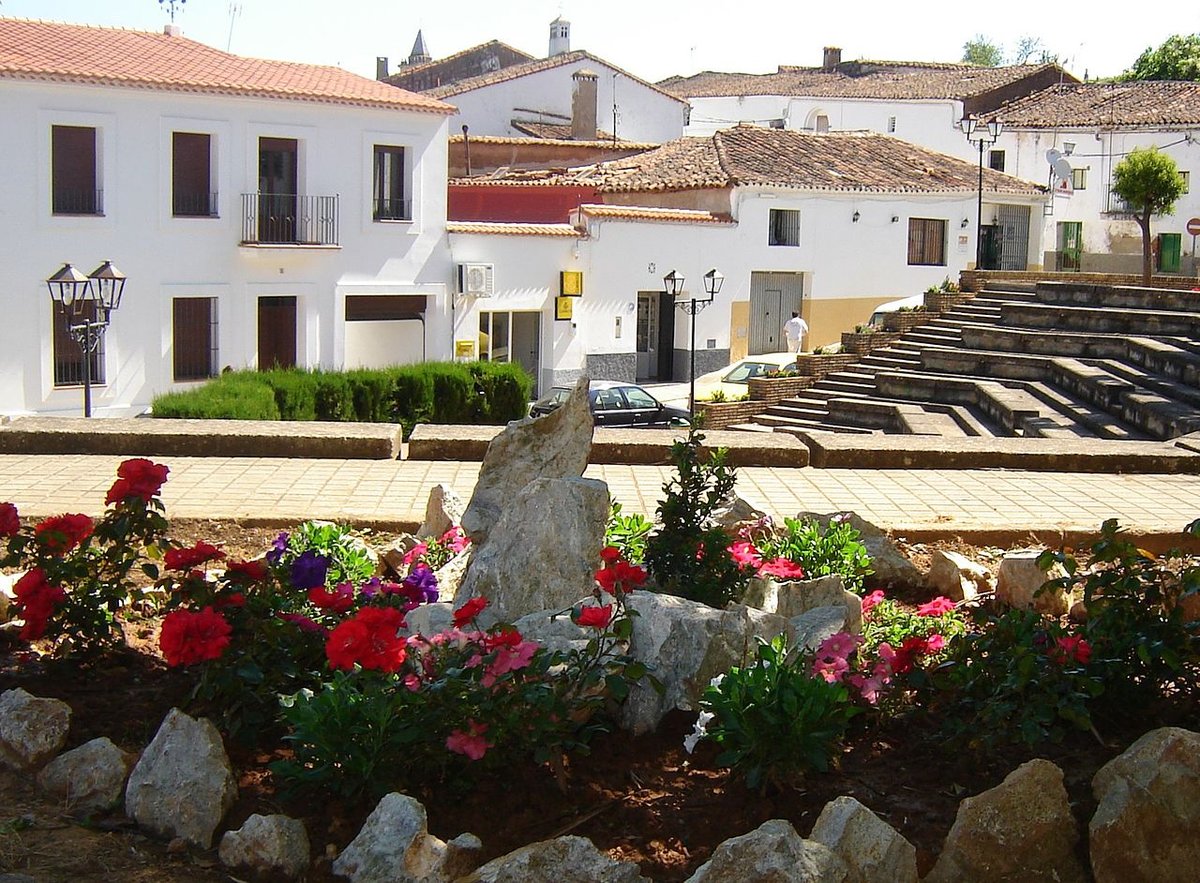
El pueblo se recorre con facilidad. Las cuestas son suaves. Las casas encaladas, con teja curva y portadas sencillas, responden a la arquitectura tradicional de la sierra onubense. La sensación es de homogeneidad, de un núcleo que ha crecido bajo unas mismas reglas constructivas.
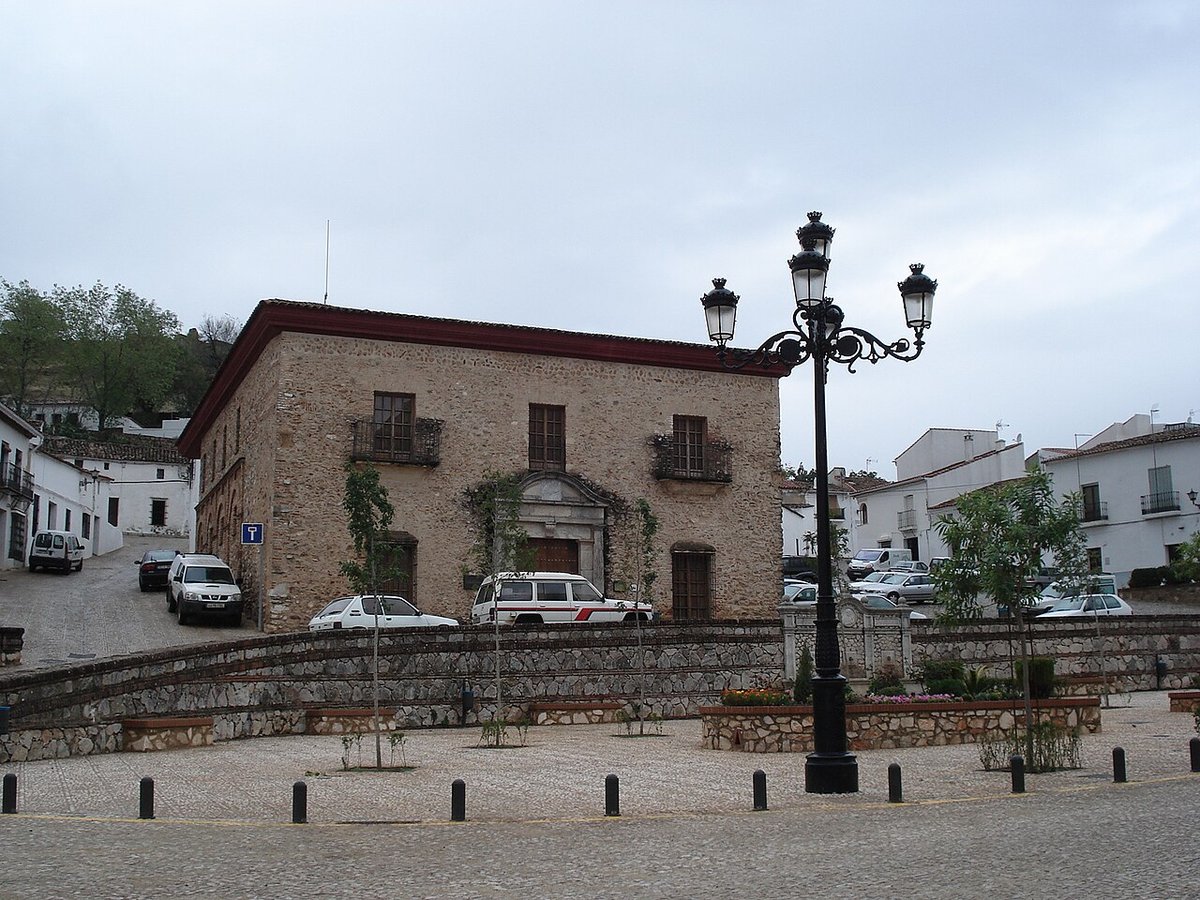
La Plaza de España funciona como centro social. La rodean edificios de los siglos XVIII y XIX y, con buen tiempo, es habitual ver vecinos sentados al sol. El ritmo es pausado, sin concesiones al visitante.
La iglesia parroquial de San Miguel Arcángel domina el conjunto. Su construcción se alargó desde el siglo XVI al XVII, con reformas posteriores. La fachada muestra rasgos mudéjares. En el interior conviven elementos barrocos con añadidos de otras épocas. El resultado no es un diseño unitario, sino la huella de adaptaciones sucesivas.
La dehesa trabajada
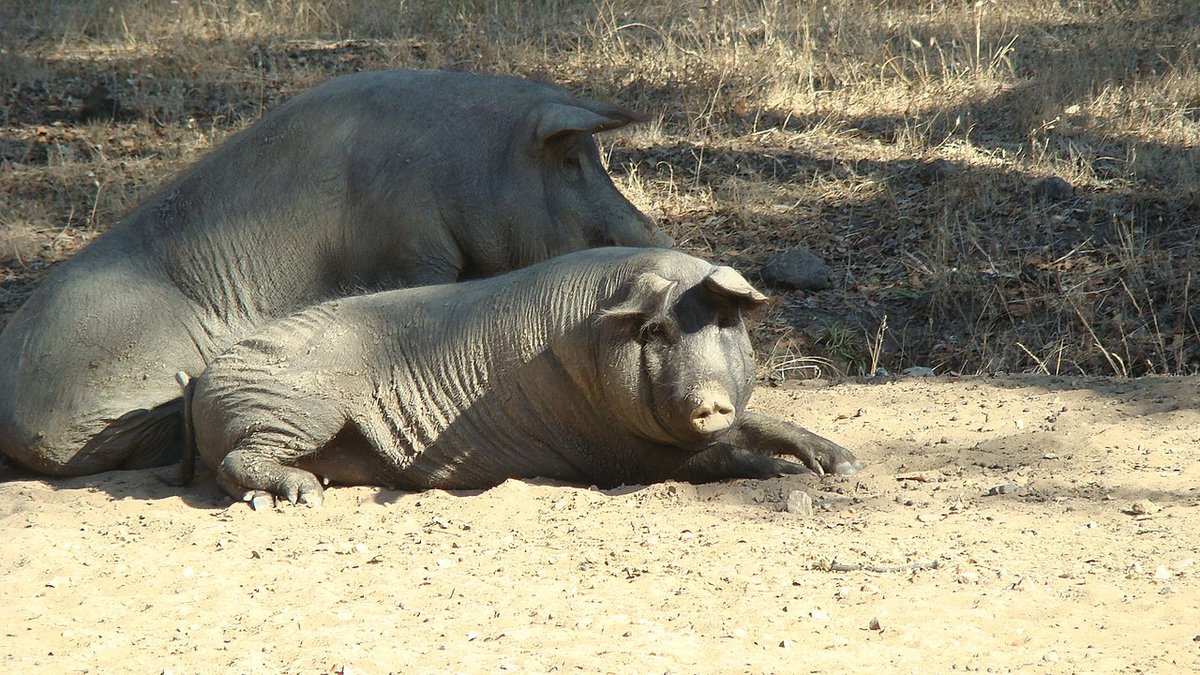
Al salir del casco urbano, el cambio es inmediato. Aparecen cerramientos de piedra, encinas dispersas y fincas dedicadas al cerdo ibérico. Durante la montanera, se ven los animales alimentándose de bellota bajo los árboles. Este ciclo es el eje del funcionamiento de la dehesa.
En el término municipal también hay castañares. En otoño, los senderos se cubren de hojas caídas. Estas vías no fueron diseñadas para el paseo; durante siglos sirvieron para el trasiego de ganado y mercancías entre pueblos vecinos.
No es un espacio natural virgen. Es un paisaje gestionado desde hace mucho tiempo. Las dehesas combinan pasto, arbolado y ganado en un sistema equilibrado. Charcas, apriscos y cercados forman parte de esa estructura. En los lindes de algunas fincas aún se ven pequeñas huertas familiares, recordando que este es un territorio modelado por el uso.
Los caminos que parten del pueblo hacen evidente esta relación. Algunos siguen antiguas veredas; otros atraviesan castañares o bordean dehesas donde pasta el ganado. En otoño, la recolección de setas es una actividad extendida en toda la sierra, aunque requiere conocer bien el terreno y las especies.
Cocina de aprovechamiento
La matanza del cerdo ibérico define buena parte de la cocina local. Los jamones curados en secaderos naturales, los embutidos y los guisos derivados del despiece forman parte de una tradición doméstica que se mantiene.
A esto se suman otros platos serranos: las migas de pan, los guisos de caza menor y las sopas contundentes para los meses fríos. La comida prioriza el sustento sobre la presentación.
En los postres, sobre todo en otoño, tienen peso la castaña y la miel. Su uso vincula la cocina directamente con lo que produce el paisaje circundante.
Calendario tradicional
El ciclo anual sigue costumbres establecidas. En enero, San Antón se suele celebrar con hogueras y la bendición de animales, un rito ligado a la vida rural. A finales de septiembre tienen lugar las fiestas patronales en honor a San Miguel Arcángel.
El otoño trae eventos en torno a la castaña, un producto emblemático de esta parte de la sierra. Son encuentros que reflejan tanto el ciclo agrícola como la importancia social del cambio estacional.
Cumbres Mayores no ha cambiado de escala. No hay grandes equipamientos ni una transformación impulsada por el turismo masivo. Lo que se encuentra es un pueblo que funciona según los ritmos ganaderos y agrarios. El paisaje que lo rodea se comprende mejor caminando, por las mismas veredas que han conectado durante generaciones a las personas, los animales y la tierra.