Fuenteheridos - Flickr
Andalucía · Passion & Soul

Fuenteheridos

The water arrives before the village does. Even on the approach road you hear it—twelve stone spouts at Fuente de los Doce Caños gushing into a tro...

804 inhabitants · INE 2025
702m Altitude

Why Visit

Mountain Twelve-Spout Fountain Hiking through chestnut forests

Best Time to Visit

autumn

Patron Saint Festival (August) Agosto y Septiembre

Things to See & Do
in Fuenteheridos

Heritage

  • Twelve-Spout Fountain
  • Church of the Holy Spirit
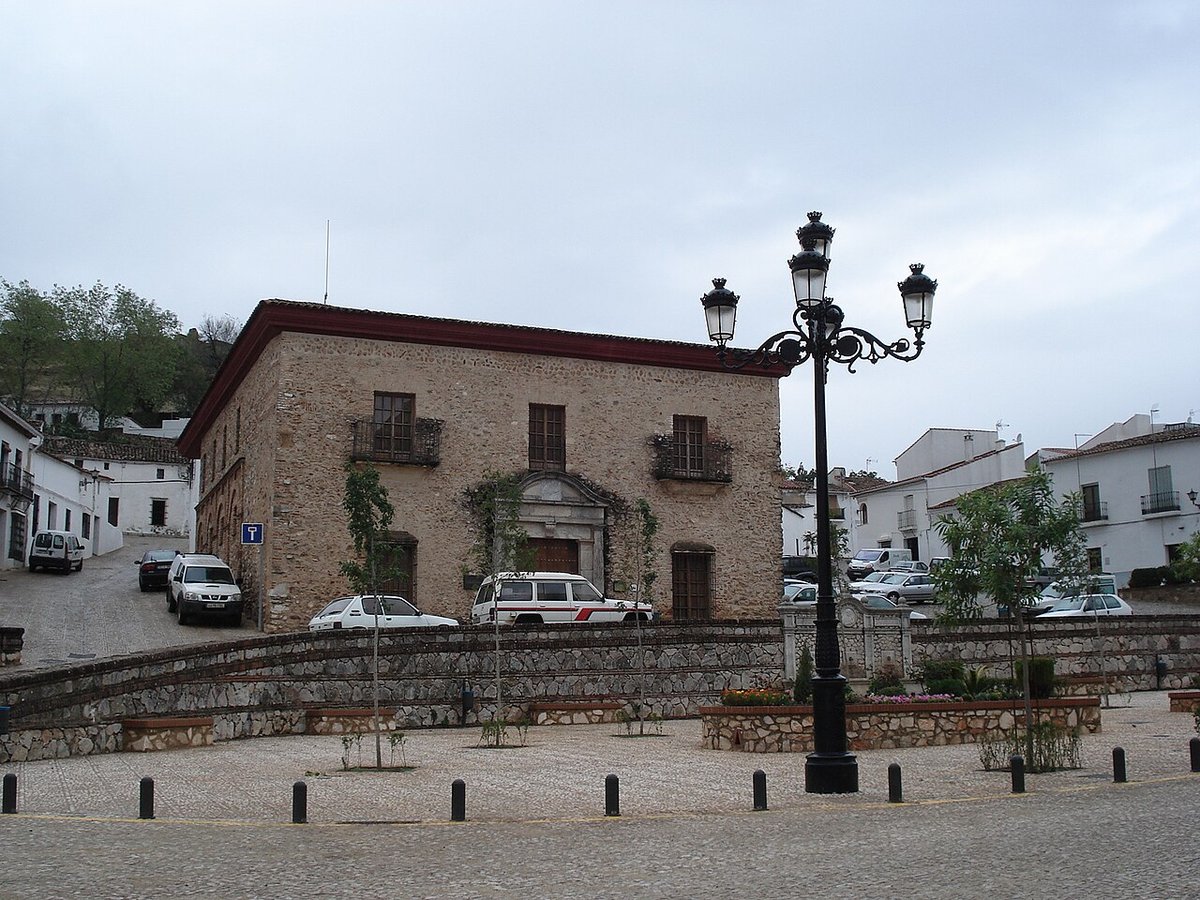
  • Bullring Square

Activities

  • Hiking through chestnut forests
  • Photography
  • Buying local crafts

Full Article
about Fuenteheridos

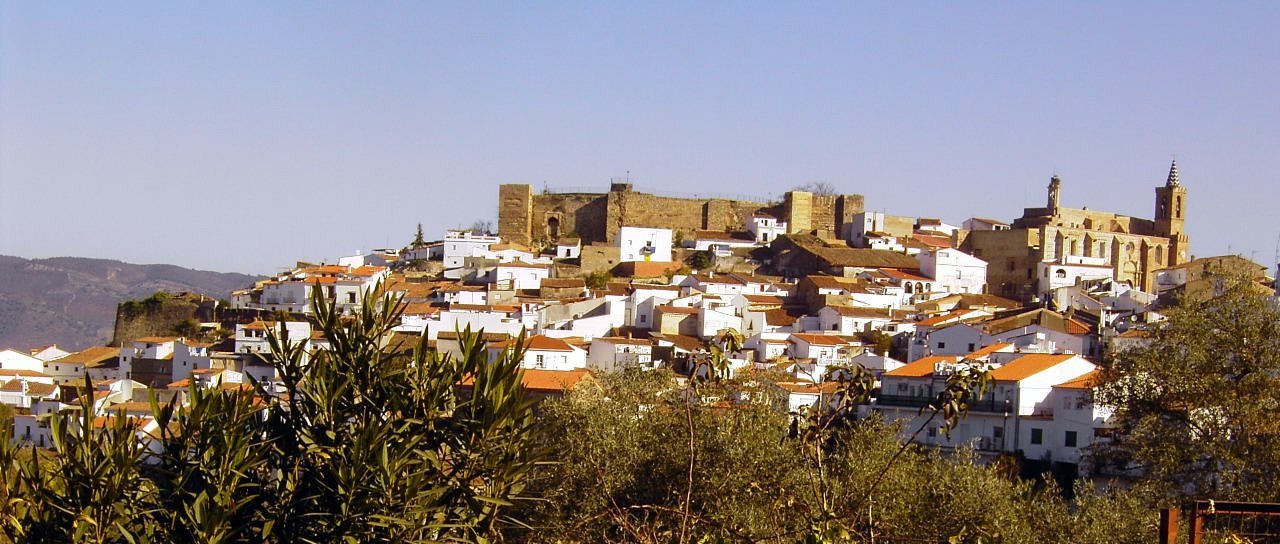
One of the most beautiful villages in the sierra, set in a dense chestnut forest; known for the Fuente de los Doce Caños and its historic center.

Ocultar artículo Leer artículo completo

The water arrives before the village does. Even on the approach road you hear it—twelve stone spouts at Fuente de los Doce Caños gushing into a trough built in 1780. Locals still fill five-litre jerrycans here, hoisting them into battered Seat Ibizas while visitors photograph the symmetry. The fountain is the hinge between everyday life and the Parque Natural Sierra de Aracena, and it sets the tone: nothing is cordoned off, nothing is staged. You can wet your face, drink, or simply listen.

A grid of granite and whitewash

Fuenteheridos sits at 700 m on the north-west flank of the Sierra Morena, 95 km from Seville and a 15-minute drive from the Portuguese border. The altitude knocks the edge off Andalucían heat; nights stay cool even in July, and autumn arrives early enough to turn the chestnut woods copper by mid-October. Granite cobbles replace the region’s usual clay; they gleam after rain and can be lethal in flip-flops. Houses are low, roofed with dark schist, their patios hidden behind wooden gates left ajar so passers-by glimpse geraniums and the occasional sleepy hound.

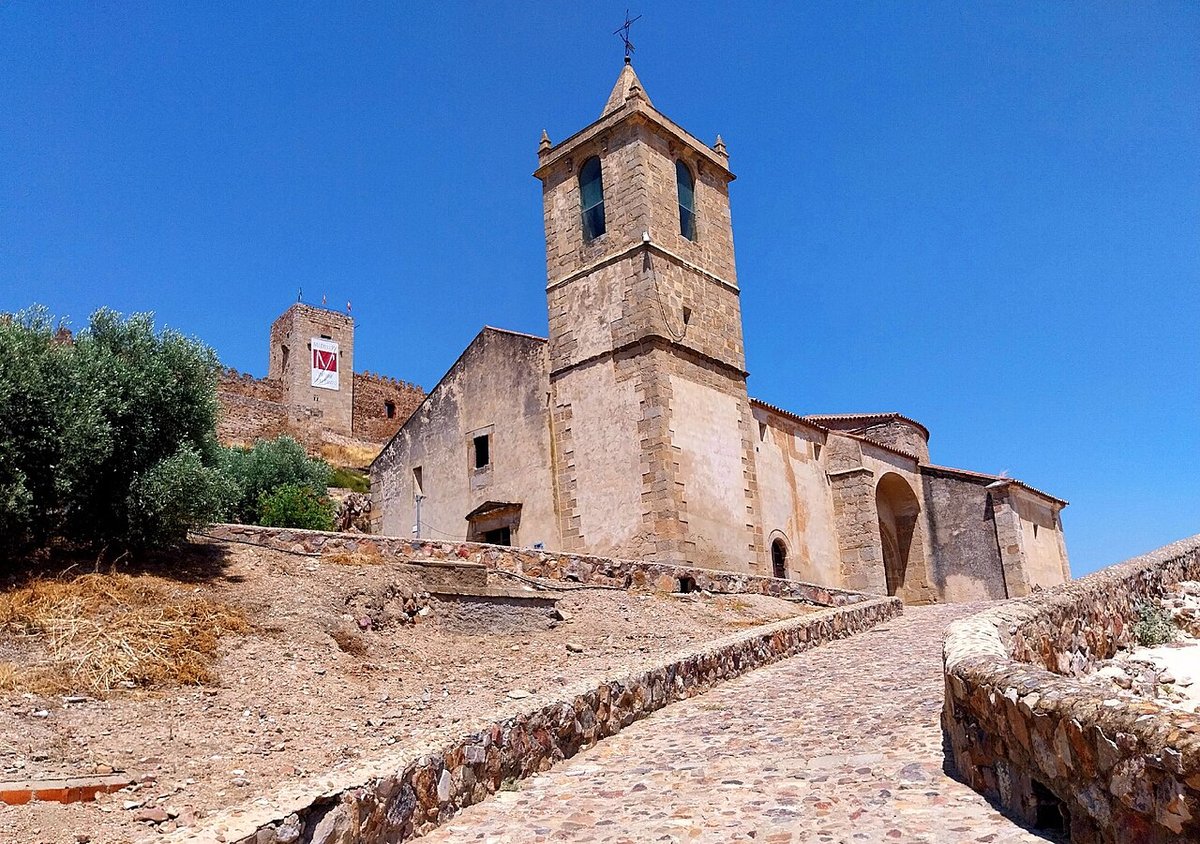
The entire historic core is smaller than a Premier League pitch. From the fountain it takes six minutes to reach the Iglesia del Espíritu Santo, a 16th-century Mudejar tower whose brickwork glows ochre at dusk. The nave is plain, the air thick with incense and floor wax; Sunday Mass still fills every pew. Walk another three minutes and you’re on the camino to Galaroza, chestnut trees closing overhead like a tunnel. Mobile signal dies within 500 m—screenshot your route before leaving the tarmac.

Jamón air-drying in the mountain breeze

This is Jabugo country, the Denominación de Origen that commands £90 a kilo in Borough Market. In Fuenteheridos the same jamón ibérico de bellota hangs in an open-fronted secadero on Calle San Sebastián, mountain air threading between hocks like prosciutto in the Apennines. A half-kilo vacuum pack of paletilla (the milder shoulder cut) costs €28 at the cooperative on Plaza Andalucía; they’ll slice it paper-thin while you wait. Ask for chorizo al vino—soft, sweet, the colour of claret—and the butcher will tuck a stub into your bag “para probar”.

Food is seasonal, not performative. October brings setas gathered at dawn: níscalos (saffron milk caps) sautéed with garlic, or boletus grated into scrambled egg. Tuesday is the cruel exception—both grocers shut, the bar closes early, and you’ll be eating crisps for supper unless you stocked up in Aracena the day before. Lieva, the only restaurant with a printed menu, serves duck in orange for €12; book before 6 p.m. or the kitchen simply goes home.

Trails that smell of moss and chestnut

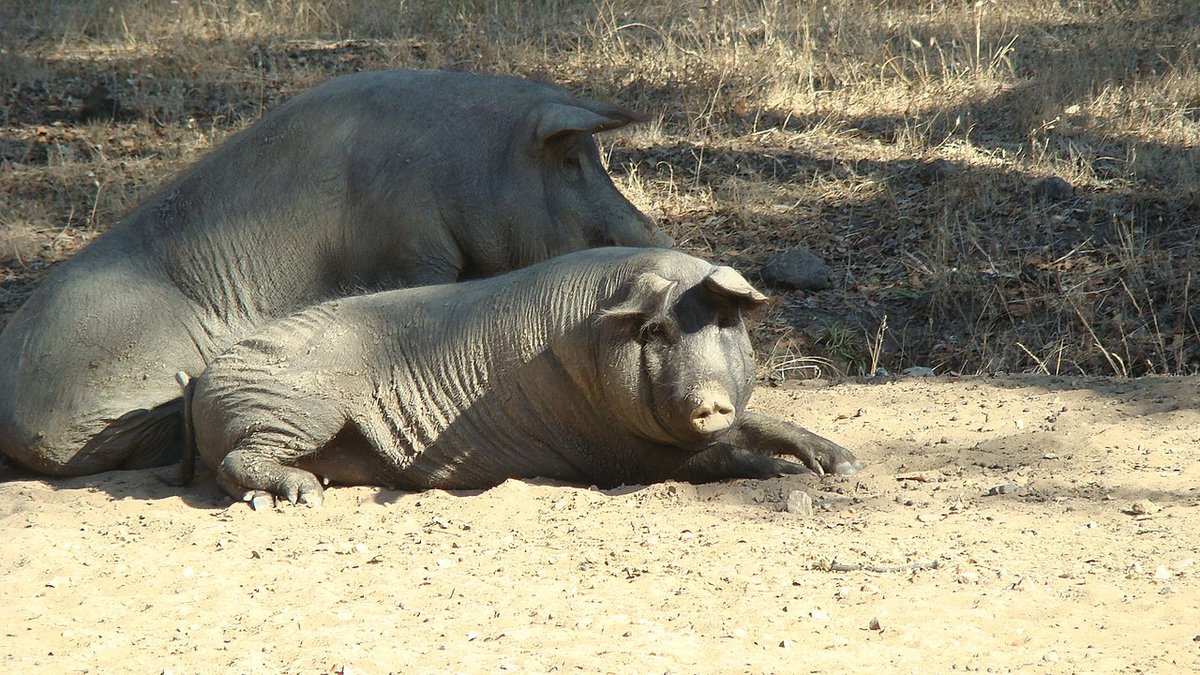
The GR-48 long-distance path skirts the village, linking Aracena with Cortegana castle 28 km away. A softer option is the 6 km loop to Los Molinos, following an irrigation channel built by the Templars. The trailhead is opposite the fuente; look for a yellow-and-white blaze on a telegraph pole. Thirty minutes in, the path dives through a cork plantation where black pigs graze beneath holm oaks, their snouts painted red for identification. Autumn rain turns the red earth to toffee—walking shoes with tread are essential, trainers will cake within minutes.

Serious hikers can string together villages: Fuenteheridos–Galaroza–Jabugo (14 km, 4 hrs, 350 m ascent). The route passes the tiny hamlet of El Collado where an unmanned honesty fridge sells cold beer for €1—leave coins in the tobacco tin. In summer start early; by 11 a.m. the shade has vanished and the only water is at the beginning and end. Winter mornings can start at 3 °C; gloves and a windproof are worth the rucksack space.

When the square empties by eleven

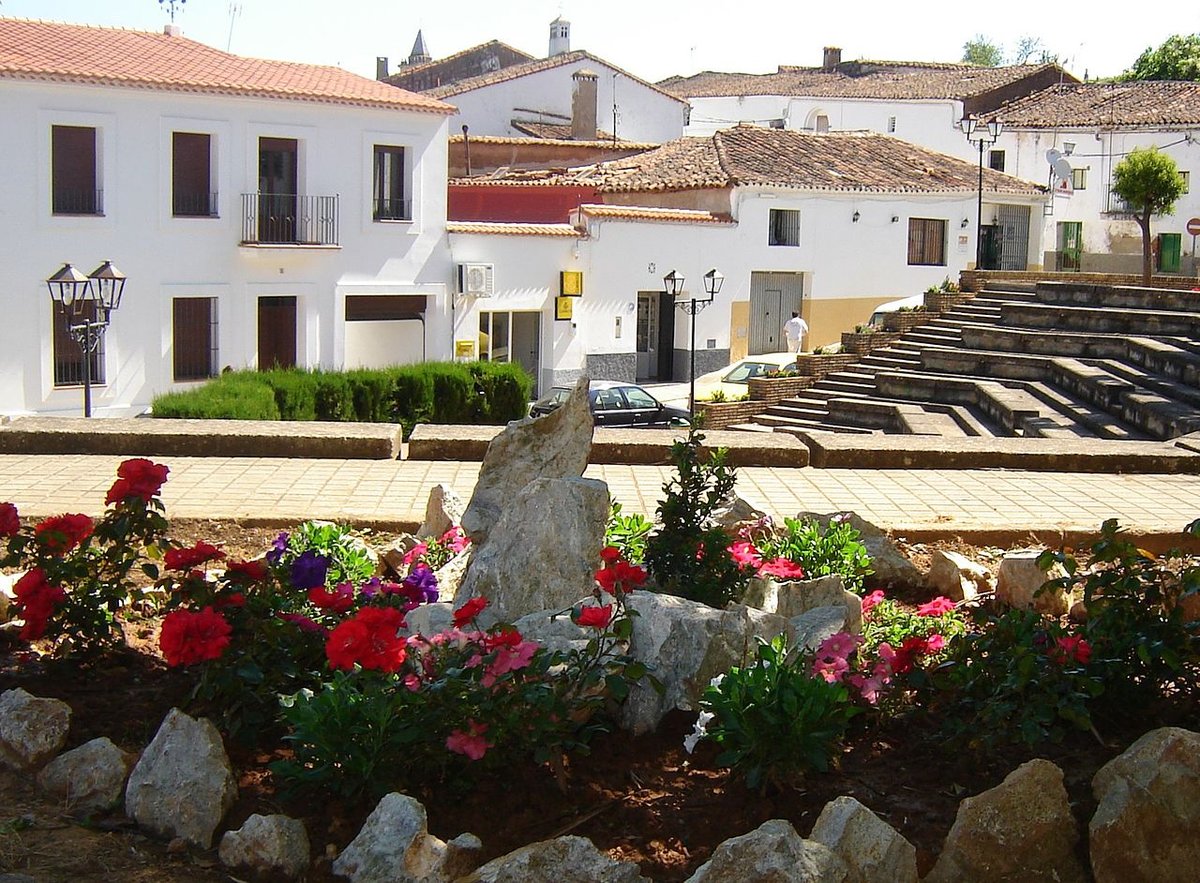
Evenings revolve around Plaza de la Constitución, a triangle of granite benches beneath a 200-year-old lime tree. The bar opens at seven, serves chilled manzanilla for €1.50, and projects the previous night’s football on a sheet strung between balconies. Order a caña and you’ll receive a tapa without asking—perhaps a wedge of payoyo goat cheese or a single slice of jamón on crusty bread. By 23:00 the television goes off, metal shutters rattle down, and the only sound is the fountain echoing off stone. Night-life is a bottle of local tempranillo on your rental terrace and a sky salted with stars the light pollution of Seville never reaches.

Practicalities that catch people out

Cash is king. The nearest ATM is a 10-minute drive to Alájar along a road that narrows to single-track with passing places—reverse 200 m if you meet a delivery van. Accommodation is scarce: 12 rooms in total split between three guesthouses. Molinos de Fuenteheridos has the only pool; it’s unheated and shaded by chestnuts, glorious in July, heart-stopping in April. August books solid with returning emigrant families; reserve by March or expect to stay 25 km away.

Public transport exists but tests the patience. From Seville’s Plaza de Armas take the morning bus to Aracena (1 hr 45), then the midday local service to Fuenteheridos (another 35 min). Miss the connection and you’re stranded until 17:00. A hire car from Seville airport takes 90 minutes on the A-66 and HU-8101; fuel is cheaper at the Huelva hypermarkets than in the mountains.

Rain arrives suddenly, even in May. A squall can barrel up the valley, drench the cobbles and vanish within an hour, leaving steam rising like a kettle. Pack a feather-weight waterproof and you’ll still fit the jamón into your hand luggage on the way home.

Leaving without the souvenir cliché

There is no fridge-magnet stall, no flamenco dress shop. The best keepsake is a 100 g waxed parcel of jamón from the cooperative, sliced while you watch and stamped with the village’s postcode. Carry it home, open it in a British kitchen where the central heating is set to 21 °C, and the mountain air of Fuenteheridos—cool, resinous, tinged with chestnut wood-smoke—rises for a moment before it vanishes.

Key Facts

Region
Andalucía
District
Sierra de Aracena
INE Code
21033
Coast
No
Mountain
Yes
Season
autumn

Livability & Services

Key data for living or remote work

2024
ConnectivityFiber + 5G
TransportTrain nearby
HealthcareHealth center
EducationElementary school
Housing~5€/m² rent · Affordable
Sources: INE, CNMC, Ministry of Health, AEMET

Official Data

Institutional records and open data (when available).

  • Ermita de la Reina de los Angeles
    bic Monumento ~2.5 km

Planning Your Visit?

Discover more villages in the Sierra de Aracena.

View full region →

More villages in Sierra de Aracena

Traveler Reviews