Full Article
about Galaroza
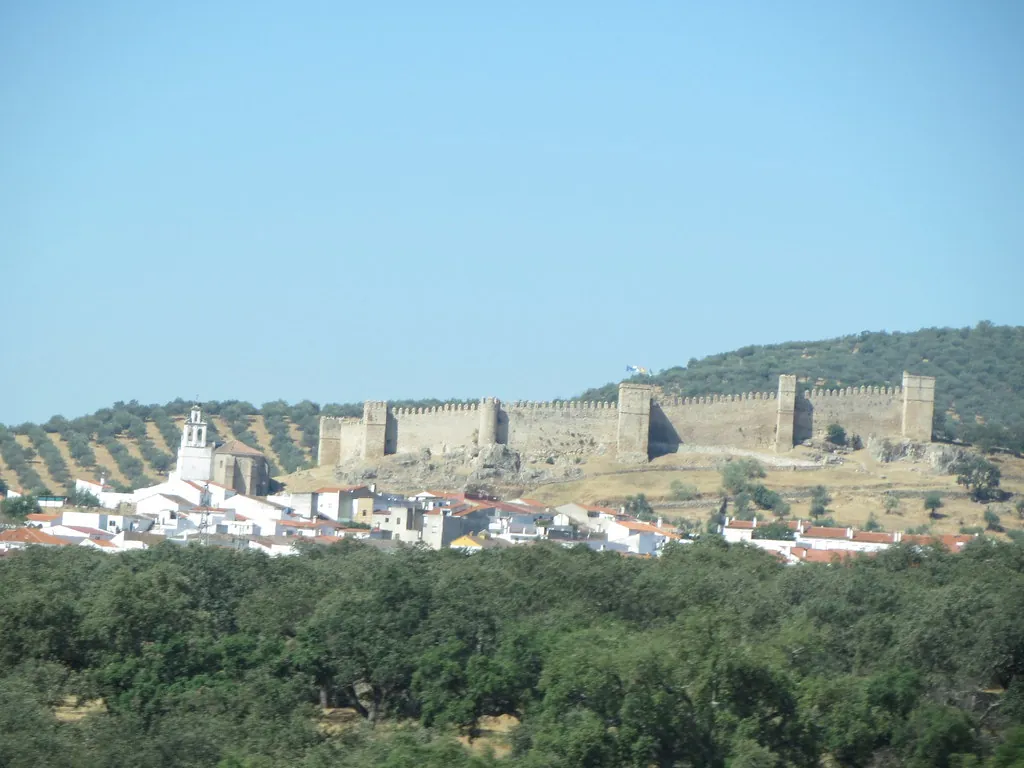
Known as the Enchanted Valley for its lush vegetation and abundant water; noted for its woodcraft and the Fuente de los Doce Caños.
Hide article Read full article
A village of small details
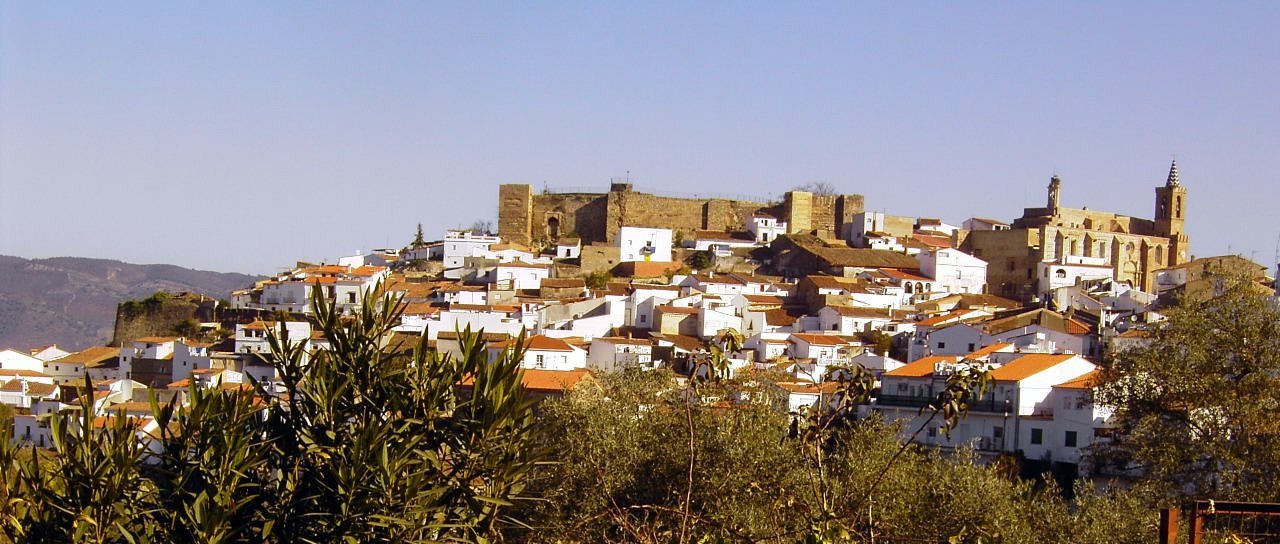
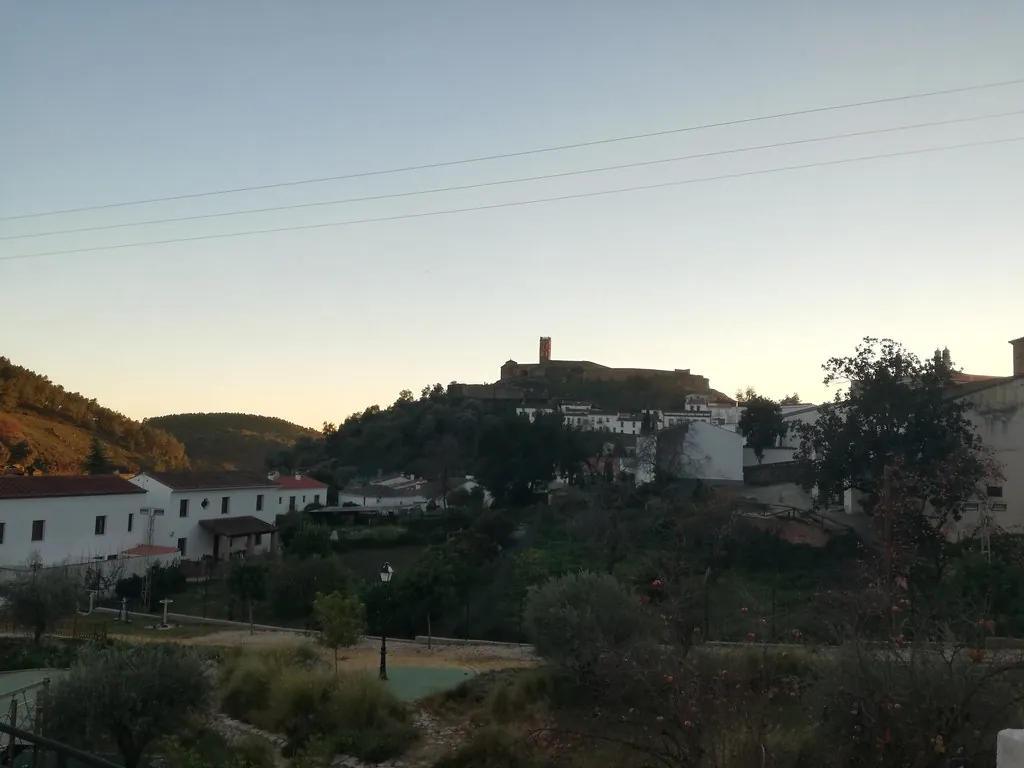
By mid-morning, once the sun has cleared the hills around the valley, the streets of Galaroza begin to carry a mix of scents: firewood, damp stone, and in autumn, sometimes roasted chestnuts. The village sits tucked among gentle slopes, its whitewashed houses reflecting the light while shadows linger around doorways.
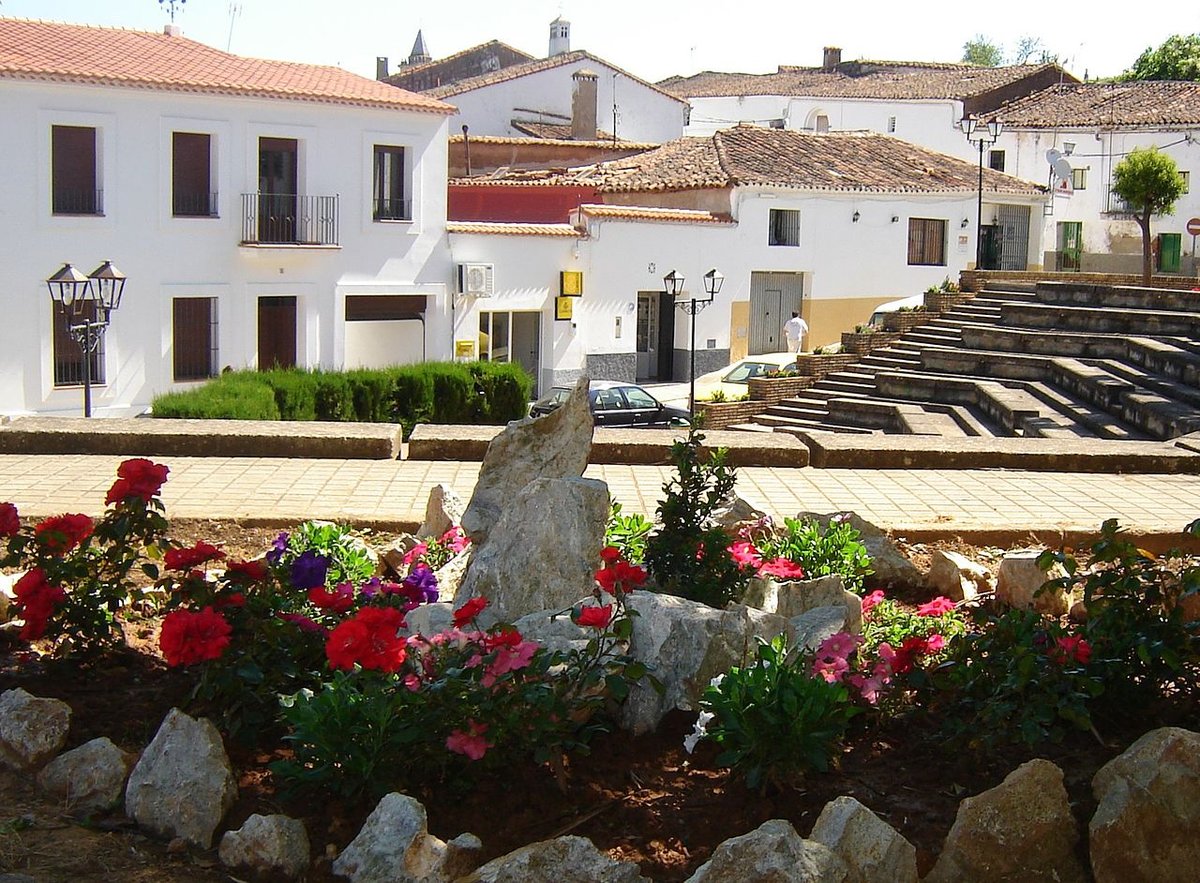
Tourism here tends to begin without a plan. Galaroza is not about grand sights. It reveals itself through small details: a worn wooden door, rows of flowerpots set along a low ledge, the sound of running water nearby, even when it remains out of sight.
With just over 1,300 residents, the scale stays calm and manageable. Distances are short, yet the inclines encourage a slower pace.
Streets that lead to quiet corners
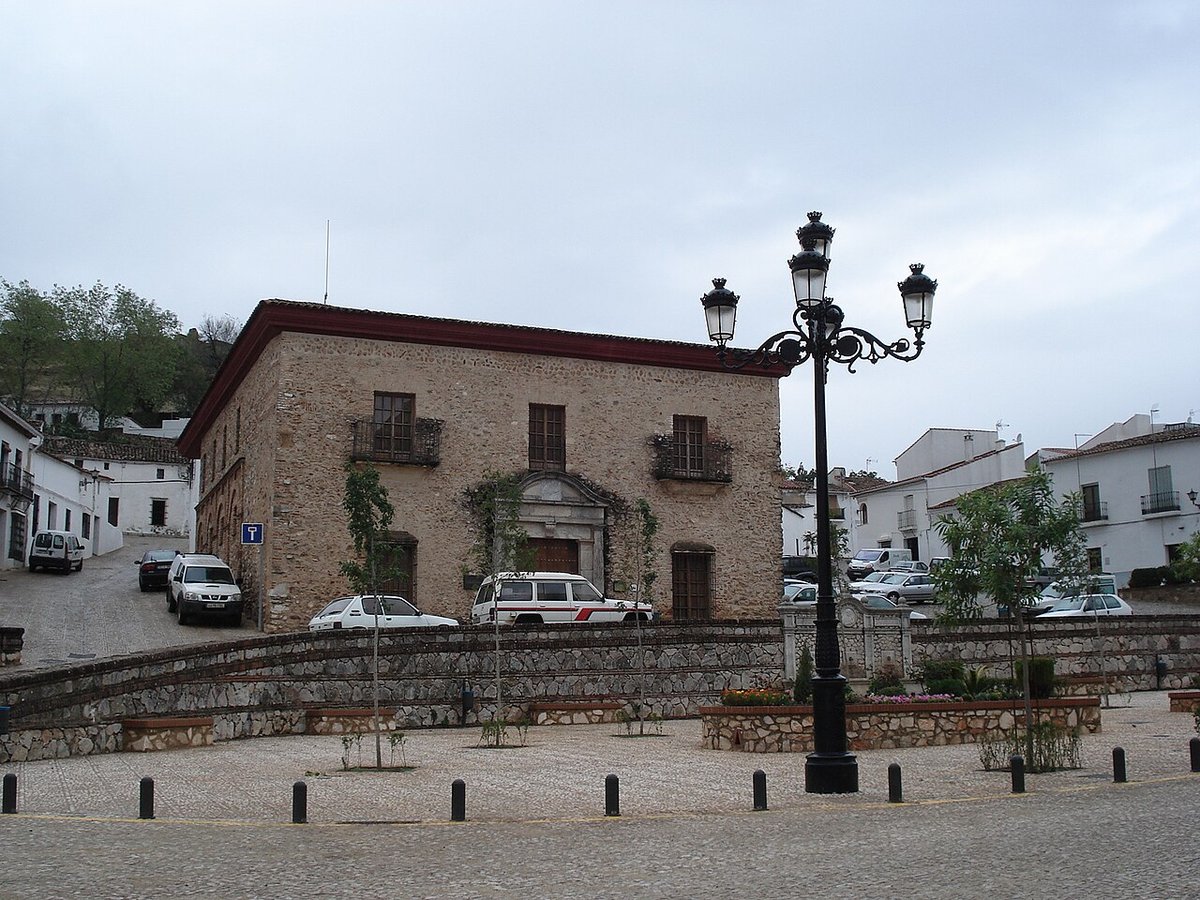
The layout of the village follows the hillside rather than any straight grid. Streets bend, climb, and dip again. At intervals, they open into small pauses in the urban fabric, a tiny square or a widened space with a bench.
The façades keep things simple. White limewash dominates, often paired with darker lower walls and iron balconies that creak when opened. Some older houses still retain stone doorways and interior courtyards where cool air lingers even in the height of summer.
Footsteps echo on cobbled ground. On a quiet day, voices drift out through half-open windows, adding to the sense that daily life continues at an unhurried rhythm.
The church at the heart
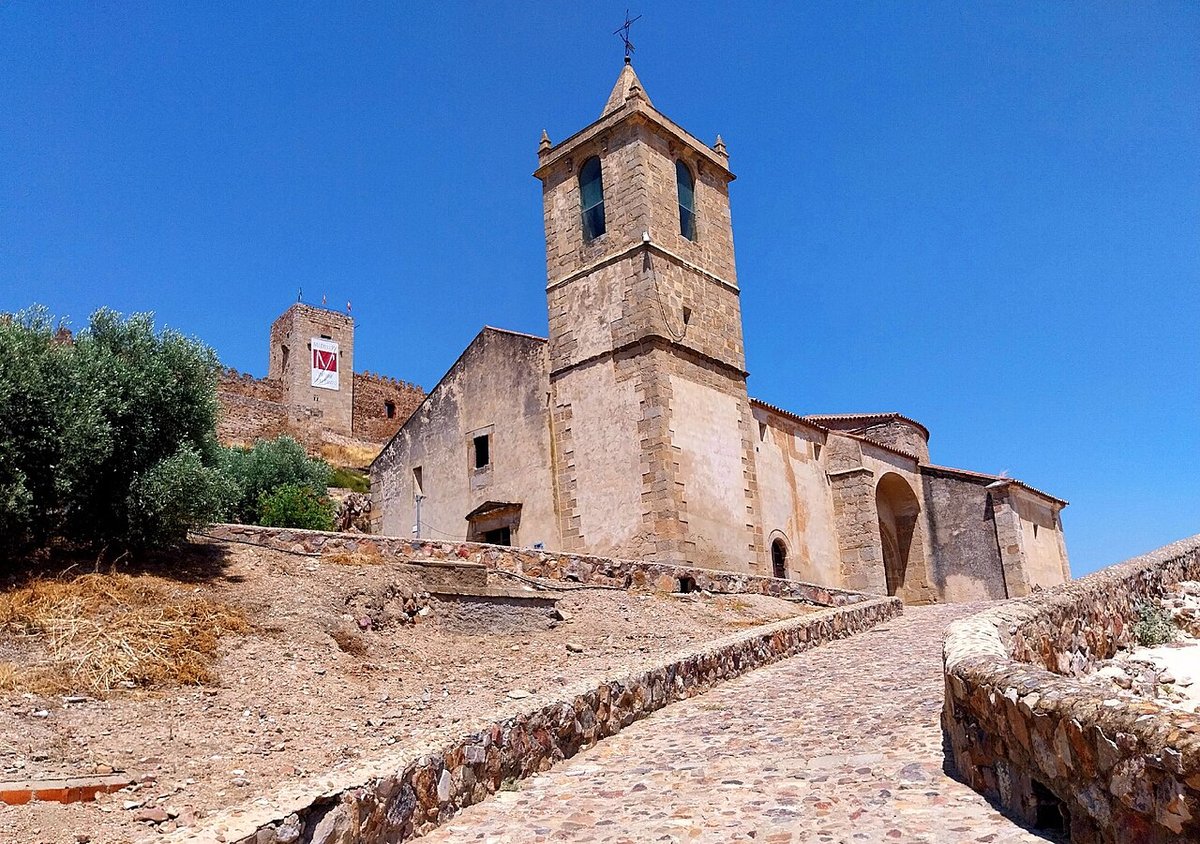
At the main square stands the Iglesia de Nuestra Señora del Carmen, which acts as a clear point of reference. It is not monumental in scale, yet its tower is visible from several corners of the village.
Inside, elements from different periods sit together without excess. Religious images and simple altarpieces fill the space, along with the dense silence typical of small-town churches during the week.
Outside, the streets that slope downward offer glimpses of the surrounding valley. The landscape shifts with the seasons. Winter deepens the green tones, while spring brings a brighter, almost luminous colour to the hills.
Paths through dehesa and water
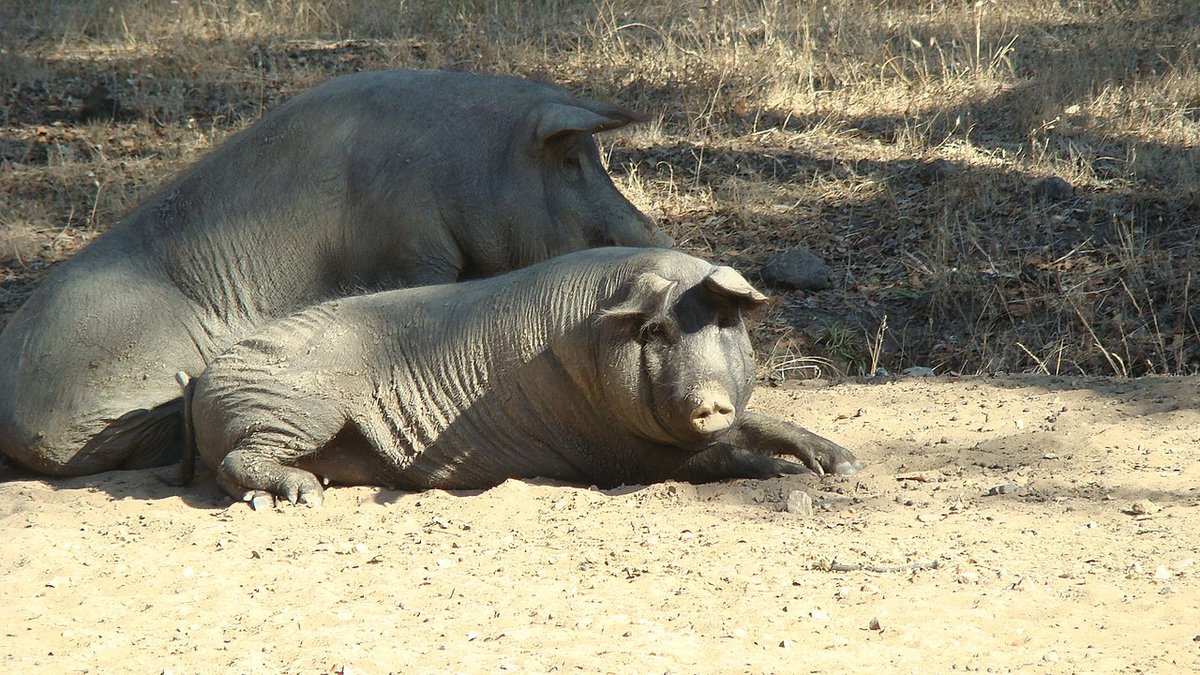
Galaroza lies within the Parque Natural Sierra de Aracena y Picos de Aroche, a protected natural area in western Andalucía. Beyond the last houses, the scenery changes almost immediately into dehesa. This traditional landscape features scattered holm oaks, grassy ground, and at times Iberian pigs moving slowly through the shade.
Several traditional paths run close to the village. Some follow old routes that link nearby places such as Fuenteheridos or Jabugo. Others descend towards streams where traces of former flour mills can still be found.
One route often mentioned locally is the “sendero de los molinos”. Along this path, stone walls, water channels and remains of old structures appear along the way, recalling how the flow of water was once used to grind grain.
Summer brings a different rhythm to these walks. Heat builds quickly in the sierra after midday, and shade does not always cover the route. Earlier starts tend to make the experience more comfortable.
When chestnut season arrives
Autumn shifts the pace of life in Galaroza. Nearby woodlands begin to attract people heading out in search of mushrooms, always with care and in line with the rules of the natural park.
Chestnuts become a central presence at this time of year. They appear in sacks, at small improvised stalls, or roasting in metal drums. Their smell drifts through certain streets as evening approaches.
The calendar also includes local celebrations rooted in tradition. The romería of San Sebastián brings residents together in the surroundings of his hermitage, while summer is marked by festivities dedicated to the Virgen del Carmen. During these periods, the village feels fuller and more animated than usual.
Arriving in the sierra
Reaching Galaroza from Huelva or Sevilla typically involves passing through Aracena and continuing a few more kilometres along a road that crosses the sierra.
The landscape changes gradually along the way. Open countryside and scattered olive groves give way to narrower roads bordered by holm oaks, cork oaks and small ravines.
Weekends in autumn and public holidays tend to draw more visitors. The village’s size means parking near the centre can take time. Walking the final stretch often becomes part of the visit itself, fitting naturally with the slower pace that defines Galaroza.