Full Article
about Hinojales
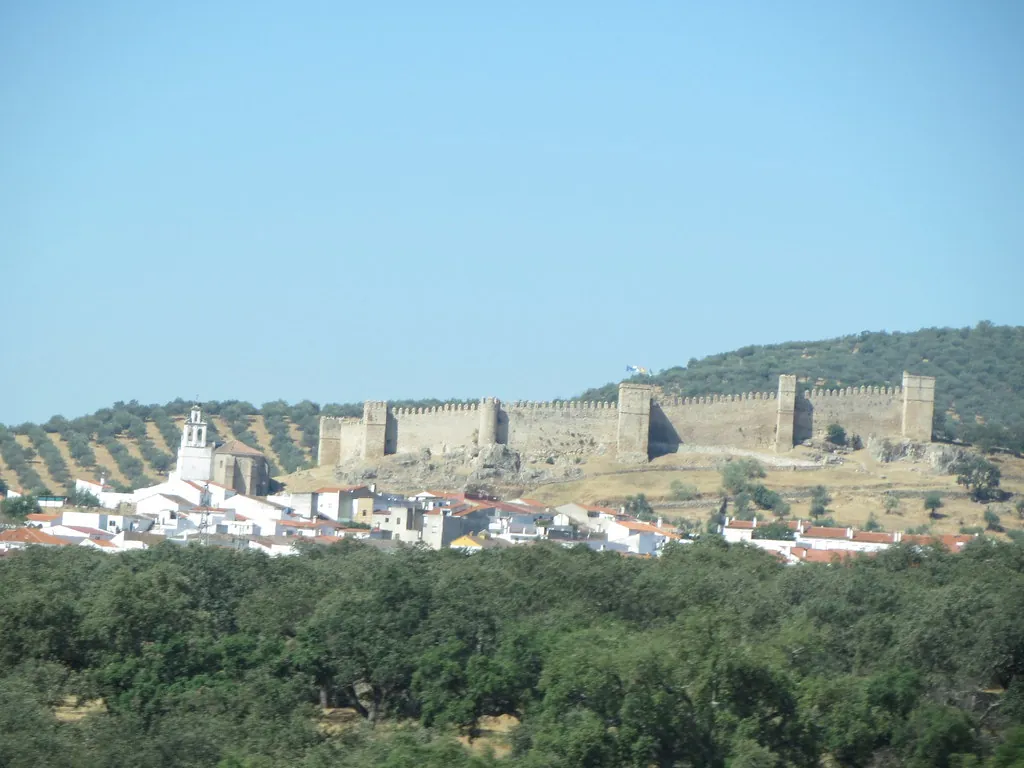
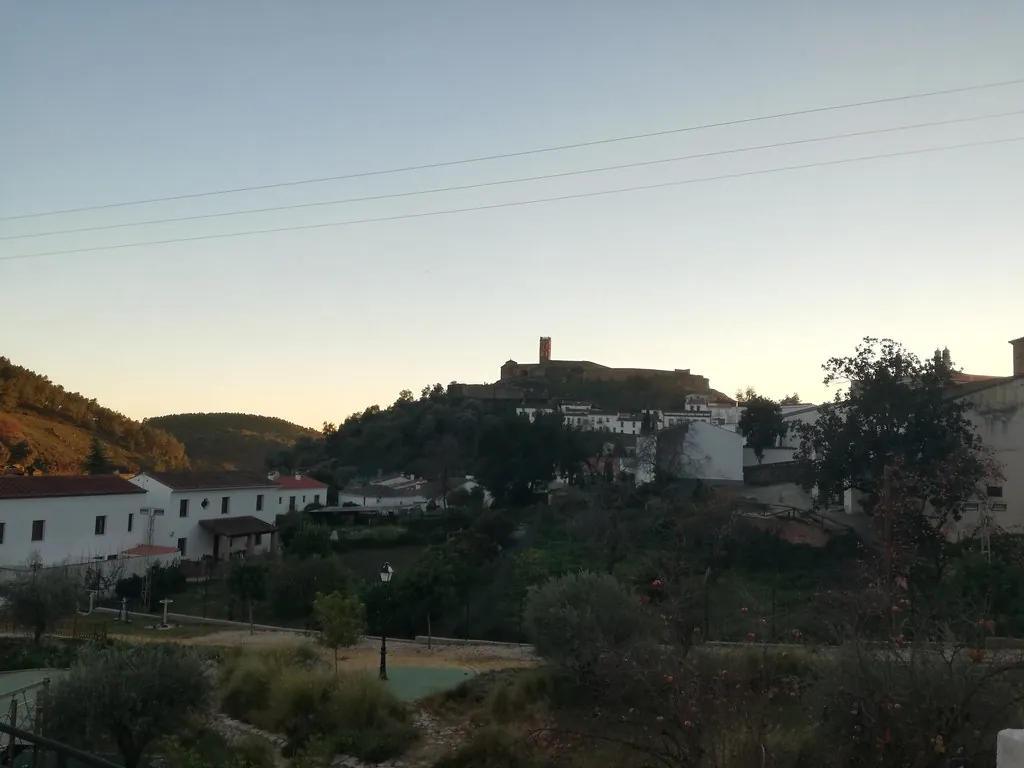
Mountain village of steep white streets that preserves ancient ritual dances; surrounded by holm-oak pastureland in unspoiled countryside.
Hide article Read full article
Hinojales: El Pueblo Que No Actúa Para Ti
Llegar a Hinojales es como entrar en casa de alguien un martes por la tarde. No hay nada preparado para ti, la televisión está puesta en el canal de noticias y en la mesa queda media taza de café frío. No es descortés, es real. Este pueblo del norte de la Sierra de Aracena, con sus trescientas y pico almas, no gira alrededor del visitante. Gira alrededor del vecino que baja a comprar el pan.
Esa es la primera cosa que notas. Las calles no están diseñadas para que saques una foto bonita al final, sino para que un tractor pase o para dar sombra en verano. La vida aquí tiene un ritmo que se mide en saludos entre conocidos y en puertas abiertas a las casas.
Un Silencio Que Se Nota
Hay pueblos silenciosos y luego está Hinojales. Aquí el silencio tiene peso. Caminas por sus cuestas empedradas y lo único que suena son tus propios pasos y, con suerte, el balido lejano de una oveja. No es un silencio vacío, sino lleno: de luz blanca reflejada en las fachadas, del olor a tierra seca y romero, del runrún de una radio encendida en alguna cocina.
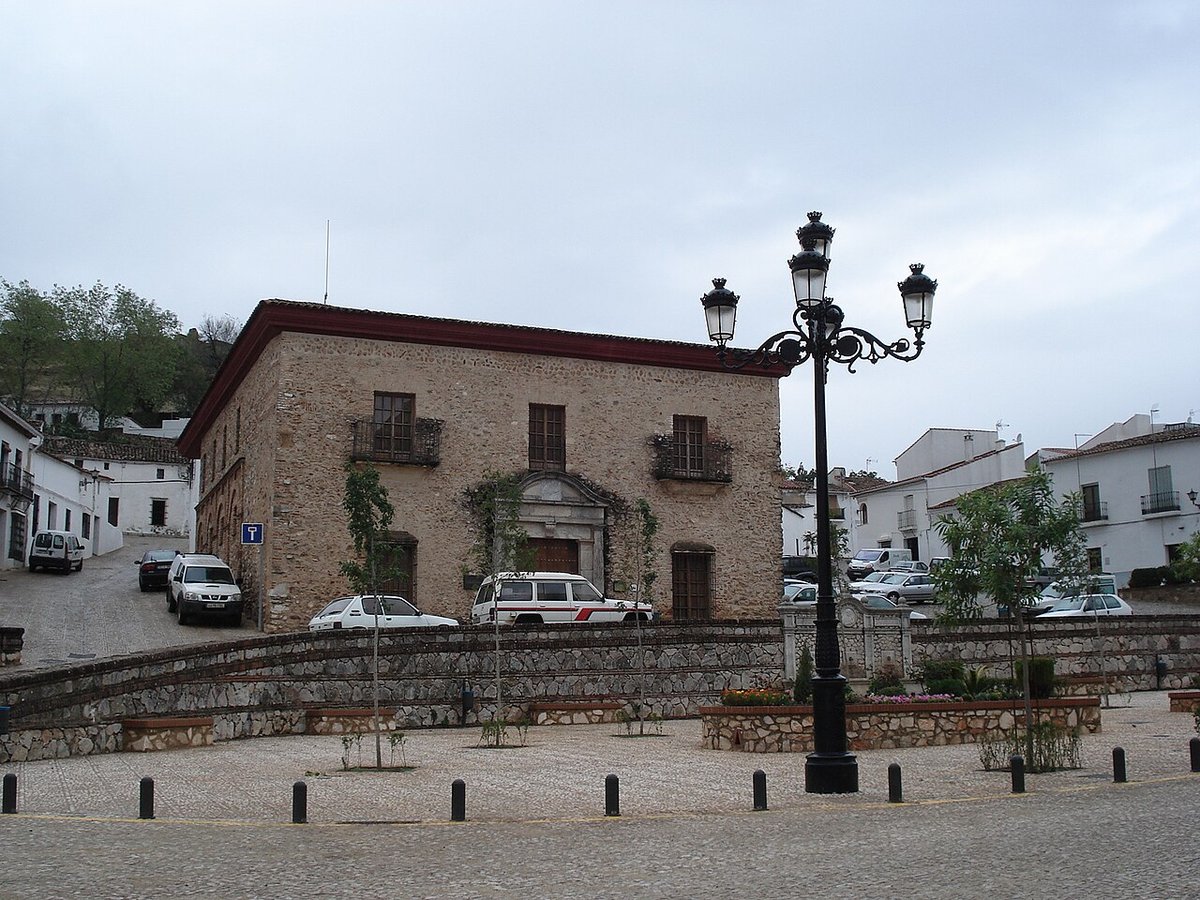
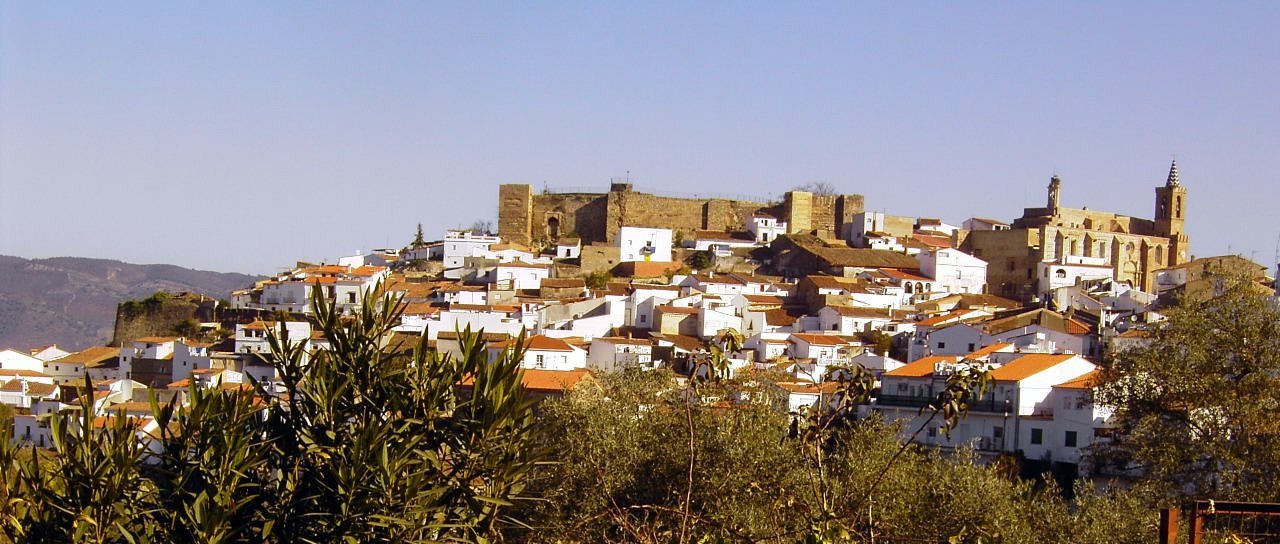
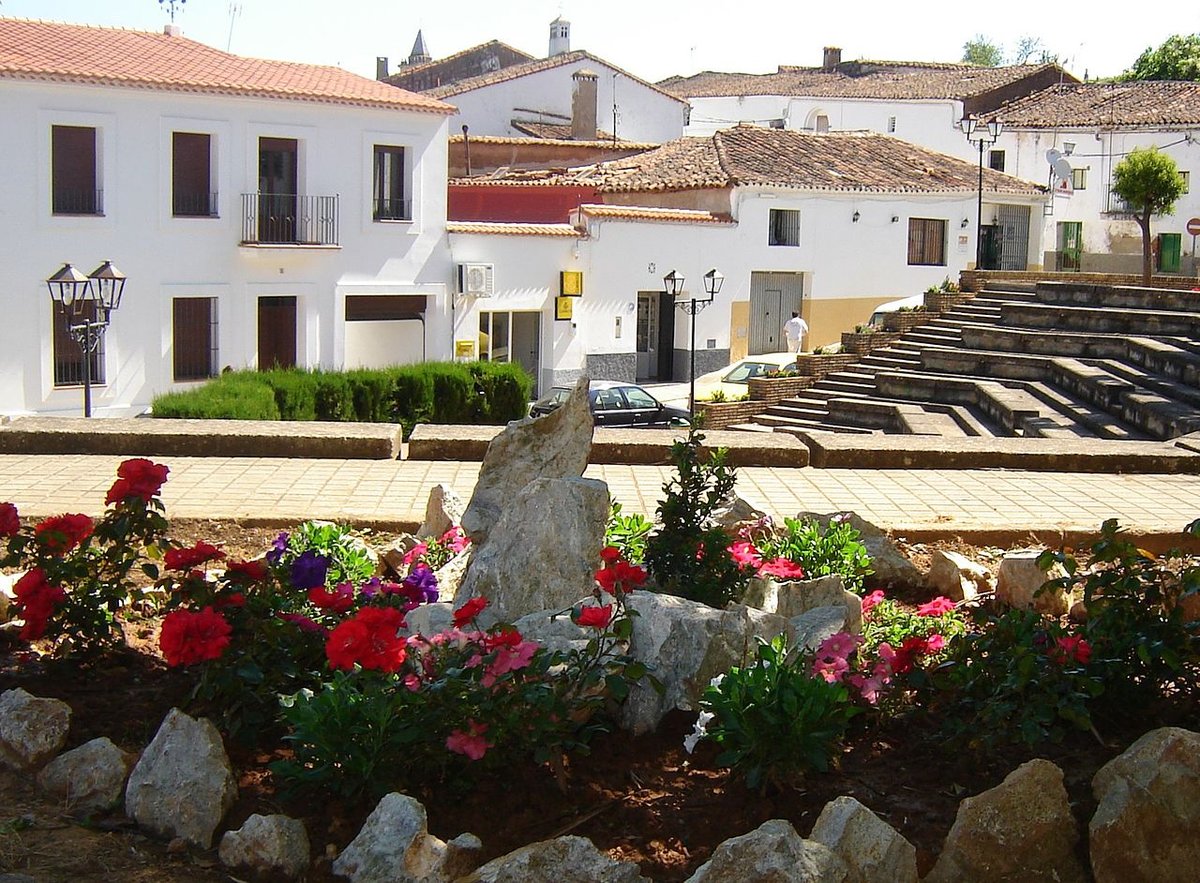
La arquitectura es la típica serrana, sin sorpresas: casas encaladas, muros de piedra vista, patios interiores donde se guardan los aperos. No es bonita en el sentido postal. Es funcional. Sabes que esos materiales están ahí porque siempre han estado ahí, no para decorar.
La Vida En La Plaza (Y Fuera De Ella)
La iglesia de San Bartolomé preside una de las plazas. Es sobria, sin grandes florituras, como casi todo aquí. Pero lo interesante no es el edificio, sino lo que pasa frente a él. La plaza es el salón del pueblo. Si te sientas un rato en un banco verás la coreografía diaria: el vecino que se para a hablar con el dueño del bar, la señora que vuelve de la huerta con una bolsa, los perros callejeros que saben exactamente a qué hora abren la carnicería.
Nadie te hará mucho caso, pero tampoco te mirarán mal. Eres un elemento extraño en una escena cotidiana, y punto.
Salir A Andar (De Verdad)
Si vienes hasta aquí y no sales a caminar por los alrededores, te lo has perdido. Esto no es un parque temático natural; es dehesa de trabajo. Los senderos son principalmente pistas rurales antiguas, usadas para ir de una finca a otra.
No esperes una señalización perfecta ni miradores con barandilla. Aquí caminas entre encinas y alcornoques centenarios, saltando alguna valla baja (y cerrándola detrás de ti), sorteando el estiércol seco de las ovejas. El paisaje es suave, de colinas redondeadas y tonos que cambian del verde intenso en abril al dorado quemado del verano.
Es ese tipo de paseo donde importa más el acto de andar que llegar a ningún sitio concreto. Lleva agua y algo para picar, porque no hay quioscos en mitad del campo.
Fiestas: Cuando Vuelven Los Que Se Fueron
La vida social hierve en agosto, durante las fiestas de San Bartolomé. Es cuando el pueblo recupera su población flotante –los hijos y nietos que viven en Sevilla o Huelva– y la plaza se llena hasta altas horas. Son fiestas familiares, de procesión sencilla, música en la calle y charlas interminables entre terrazas.
Ir entonces es ver Hinojales con otra energía. Ir cualquier otro día es ver su estado natural: tranquilo hasta la médula.
Cómo Llegar Y Cuándo
Hinojales está en el último piso norte de Huelva, rozando ya Extremadura. Desde la capital provincial se tira casi dos horas por carretera, la última parte por una serpenteante HU-8105 que sube entre dehesas. Conduce tranquilo; las curvas son cerradas y a veces sale un rebaño cruzando.
¿La mejor época? Primavera u otoño para caminar sin sofoco o sin frío. Pero honestamente, este pueblo funciona igual en febrero que en julio. No viene por temporada alta o baja; viene quien quiere desconectar del ruido y pasear sin rumbo fijo.
Hinojales no te va a sorprender con un monumento espectacular ni con una gastronomía secreta. Te va a ofrecer lo justo: calles vacías para pensar, senderos polvorientos bajo las encinas y la sensación rara hoy en día de estar en un sitio donde la vida sigue su curso, contigo o sin ti. Ven si buscas eso. No vengas si buscas emociones fuertes