Full Article
about Jabugo
World capital of Iberian ham, set deep in the sierra; a name that stands for top-grade food and a century-old curing tradition.
Ocultar artículo Leer artículo completo
At 06:30 on a January dawn the thermometer in Jabugo reads 3 °C, yet the curing halls are already wide open. Steam rises from vents in the stone roofs as workers wheel half-pig carcases between corridors of dangling hams; the village smells of woodsmoke, coffee and sweet pork fat drifting downhill on the cold mountain air. It is an introduction that no glossy brochure ever mentions, and it tells you immediately that this is a working place first, a curiosity second.
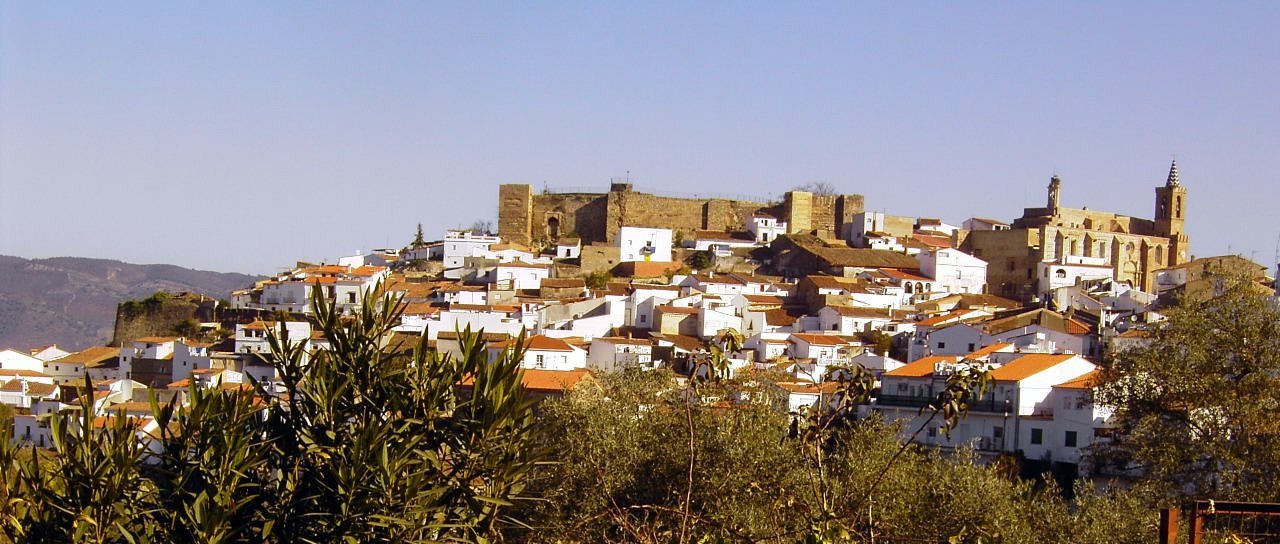
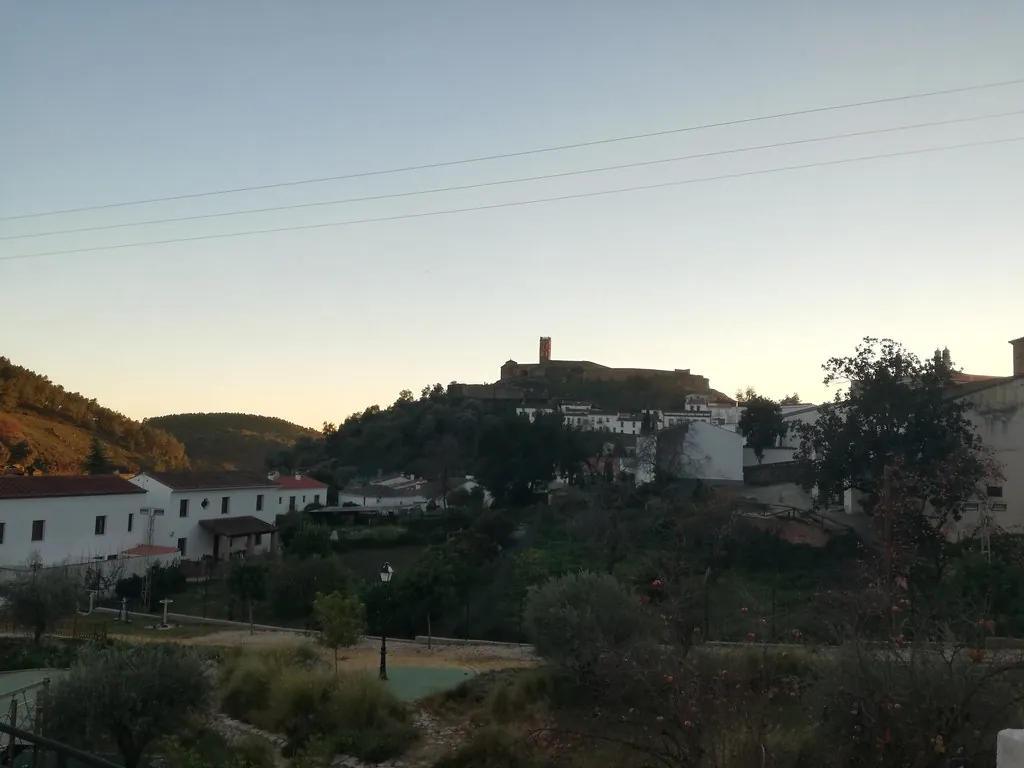
The settlement sits at 650 m on the north-west flank of the Sierra de Aracena, 90 minutes’ drive from Seville and a world away from the costas. Oaks and cork trees replace olive groves, the climate is Atlantic rather than Mediterranean, and winter mists can trap coaches on the A-461 until midday. In summer the same altitude tempers the Andalusian furnace: afternoons peak around 30 °C instead of 40 °C, making July and August decent walking months provided you start early.
A village that lives by the hoof
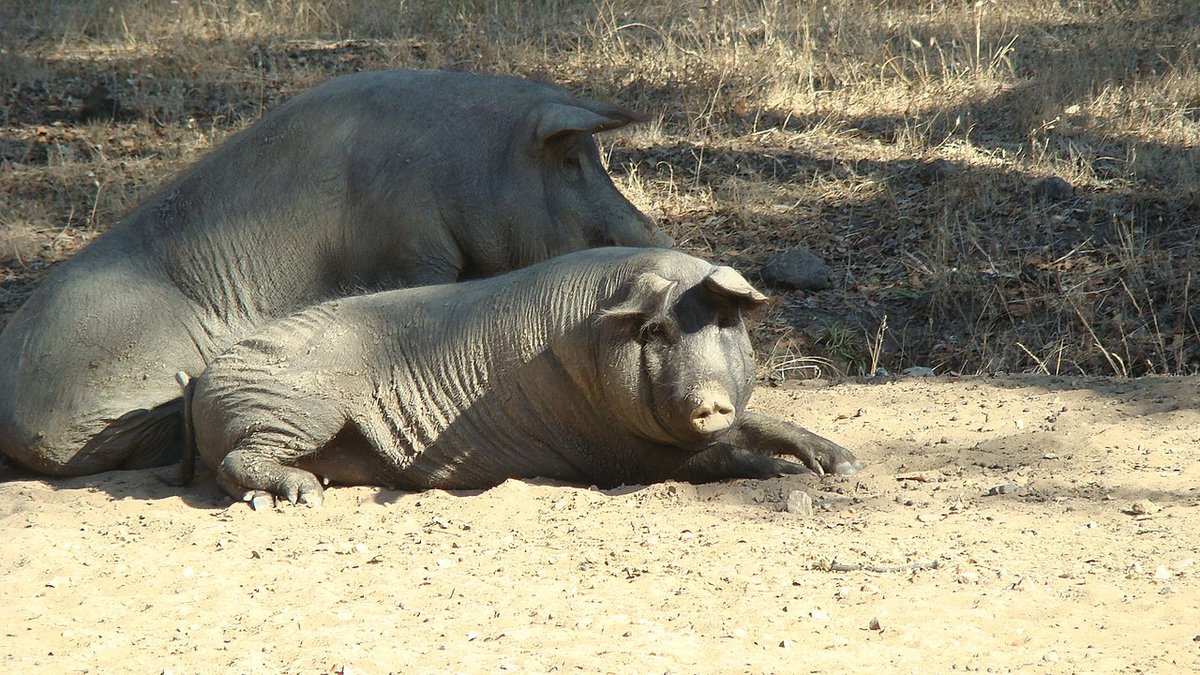
Jabugo’s 2,300 inhabitants measure the year not by school terms or tourist seasons but by the montanera, the October-to-February period when Iberian pigs wander the dehesa eating acorns. Each animal needs a hectare of woodland to reach the 46 % fat content that will later melt into nutty, ruby-red jamón. The maths explains why the surrounding hills look empty even though the industry supports almost every family in sight.
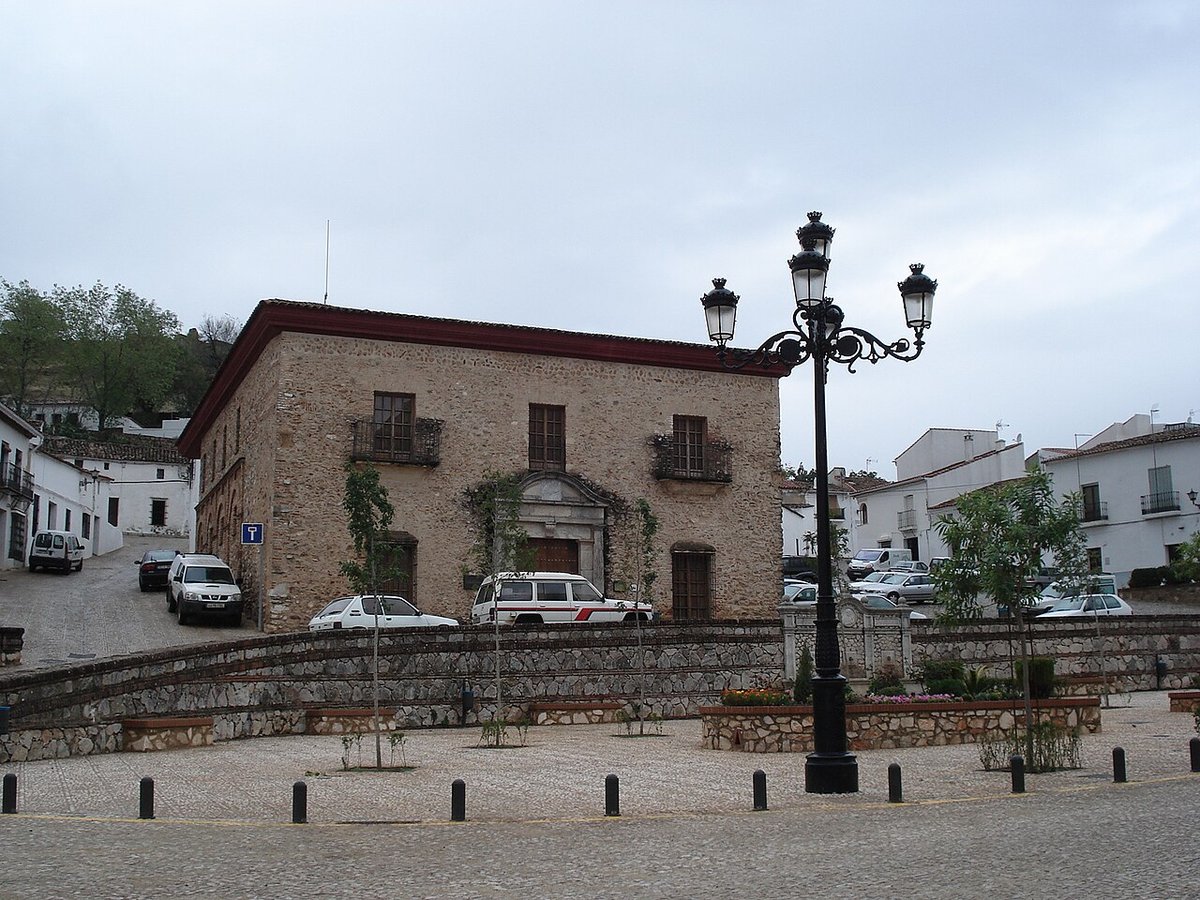
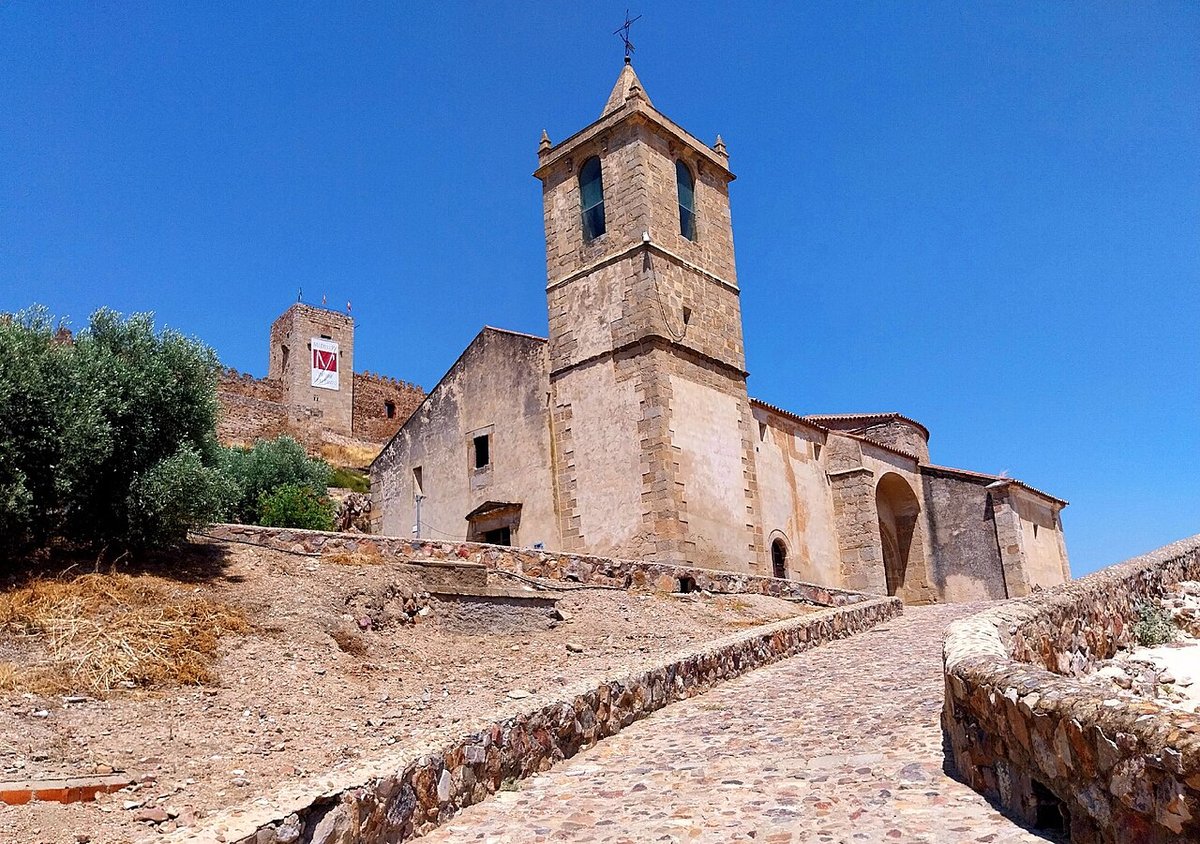
Visitors arrive expecting a ham museum and instead find a grid of steep, cobbled lanes where delivery vans double as school buses. The architectural showpiece is the sixteenth-century Iglesia de San Miguel, its stone tower visible from any approach road, but the buildings that matter are the bodegas de secadero—long, lowbrick sheds pierced by shuttered windows. Some carry hand-painted adverts for defunct brands; others belong to Cinco Jotas, the firm that turned Jabudo into a luxury label. Guides there speak excellent English and will let you stroke a 36-month ham then slice paper-thin slivers straight off the knife. The tour lasts 75 minutes, ends with a three-grade tasting, and costs €25—book online because weekend slots disappear fast. If the premium price feels steep, the smaller Jamones Eíriz plant on Calle la Plata charges €15 and you still walk away tasting bellota-grade shoulder.
Trails that taste of chestnuts and mushrooms
Behind the curing halls the Sierra de Aracena Natural Park rises to 960 m at the Pico de Arias Montano, a limestone summit visible from the village square. Footpaths leave almost from the church door: the Sendero de los Molinos heads 5 km down a stream bed past ruined watermills, while the circular Ruta de los Castaños climbs through sweet-chestnut woods that turn copper in late October. Neither route is Alpine—expect 250 m of ascent on stony tracks—but the granite can be slippery after rain and signposts assume you can read Spanish. Download the free Wikiloc maps before you set out; phone signal is patchy under the tree canopy.
October also marks mushroom season. Gurumelos (blushers) and níscalos (saffron milk-caps) appear after the first autumn storms, and locals guard their patches like family silver. If you fancy joining the hunt, the tourist office in nearby Aracena runs Saturday morning forays with a mycologist for €20 including picnic; you need boots, a basket and someone who can translate the safety talk—mistakes here can wreck a liver.
What to eat when you’ve eaten enough ham
Even devoted carnivores reach saturation, so it is useful that Jabugo does other things well. Presa ibérica, a shoulder cut marinated in paprika and olive oil then grilled medium, tastes like the best pork steak you have ever ordered. Vegetarians are catered for with quince-topped goat’s cheese from Aracena and hearty chestnut stews served at Las Bellotas on Plaza del Jamón. House red comes from Condado de Huelva, a coastal region that British travellers usually overlook; it is light enough for lunch and costs under €3 a glass.
Prices drop markedly if you step away from the main square. Bar La Parada, next to the bus stop, sells a jamón bocadillo and caña beer for €4.50, while the Friday market brings fruit stalls from the Guadalquivir valley—useful if you are self-catering. One budgeting tip: buy vacuum-packed ham at the factory shop rather than the souvenir boutiques. A 100 g packet of Cinco Jotas bellota is €14 at source; the identical product is €22 in Seville airport and £32 in London delicatessens. EU customs allow it in hand luggage, so stuff a cool-bag and declare it openly at Stansted.
Getting there, staying warm, finding cash
Public transport to Jabugo is patchy. DAMAS bus 100 leaves Seville’s Plaza de Armas at 09:00 and reaches the village at 11:15; the return departs 17:45. A hire car is faster—take the A-66 west, then the N-433 north—and gives flexibility when mountain weather closes in. Parking on Calle Barco is free but fills by 11:00; overflow spaces lie by the municipal pool at the entrance roundabout.
Accommodation splits between three guest-houses and a handful of rental flats. Casa Rural La Umbria (doubles €70) has under-floor heating, essential because nights can dip below zero between December and February. Summer visitors should still pack a fleece—altitude means 12 °C at dusk even in August—and request a south-facing room; the north wind that flavours the ham also whistles through single-glazed windows.
The village has no bank, and the solitary ATM has been known to run dry on Sundays. Bring cash or drive 8 km to Galaroza where Santander and BBVA machines stand opposite the petrol station. Bars prefer notes, markets deal only in cash, and the jamón factories will not accept Monzo on a contactless reader.
When the coaches leave
By 18:00 the day-trippers climb back aboard their coaches, the square falls quiet and the evening paseo begins. Grandparents walk clockwise, teenagers anti-clockwise, dogs weave between them. Smoke drifts from chimneys, someone tunes a guitar, and the curing halls exhale their sweet, faintly metallic breath into the darkness. Stay overnight and you witness the village revert to itself: not a theme park of ham, but a mountain community that has simply never stopped doing what it does. The experience will not suit everyone—nights are cold, English is scarce, and the most exciting nightclub is the petrol station vending machine—but if you ever wanted to see food production in real time, framed by oak woods and limestone ridges, Jabugo delivers the sight, the smell and the taste in a single, unvarnished package.