Full Article
about Los Marines
A village ringed by chestnut trees and orchards, noted for its mosto; gentle mountain scenery perfect for hiking and switching off.
Hide article Read full article
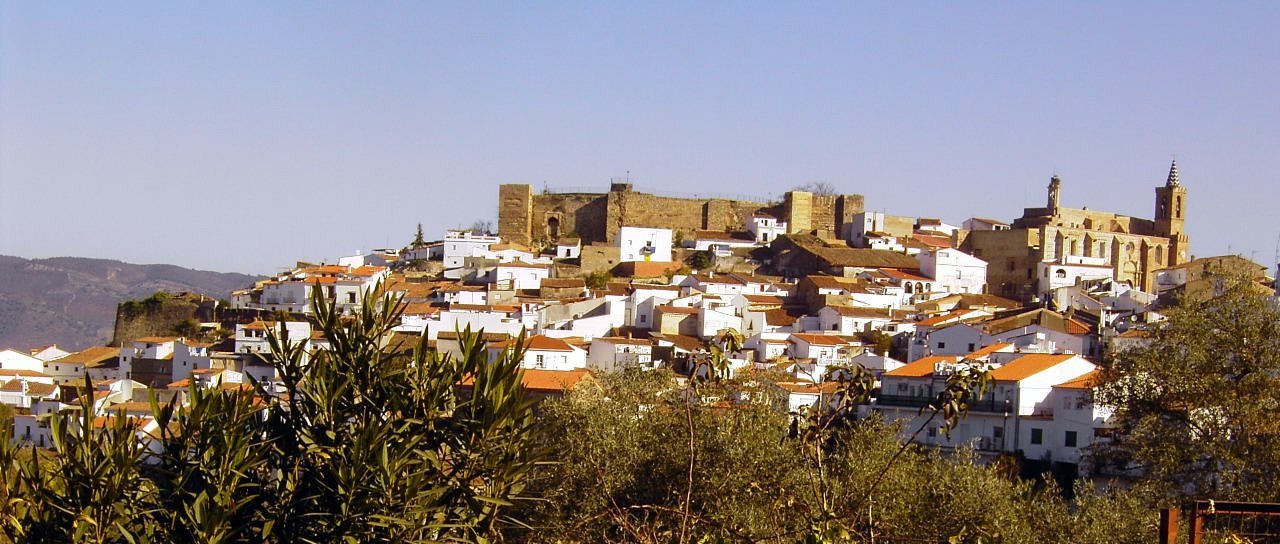
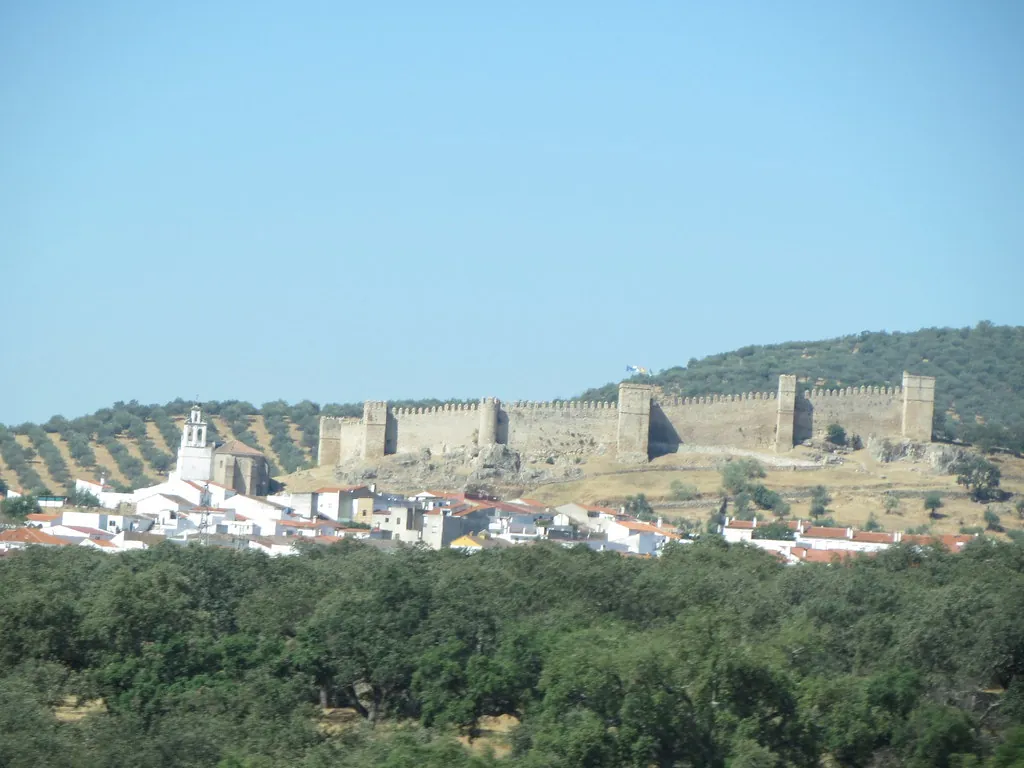
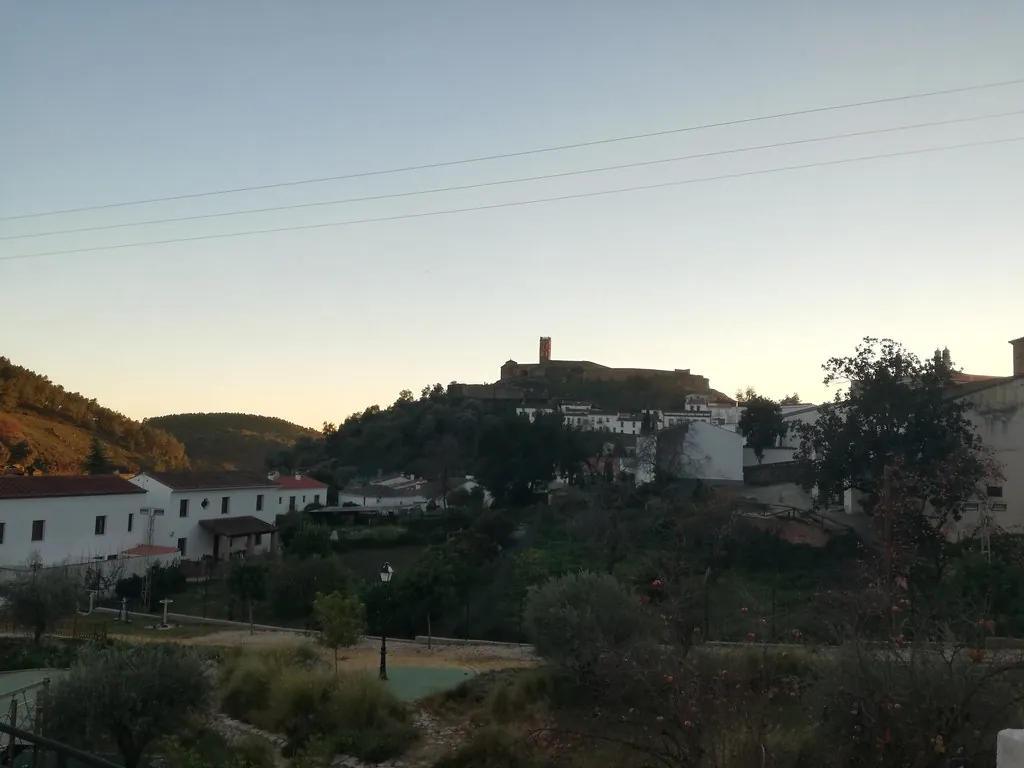
Early in the morning, while there is still moisture on the ground, Los Marines smells of wood smoke and damp earth. The road that climbs up from Aracena reveals it all at once: a cluster of white houses pressed into the hillside, dark roofs and chimneys that in winter release thin threads of smoke, lingering for a while above the valley. Tourism in Los Marines usually begins like this, arriving slowly along a short stretch of road between holm oaks and chestnut trees.
The village sits at just over 700 metres above sea level, and that height makes itself felt. The light shifts quickly and the air is often cooler than in the nearby valleys. Even on clear days there is a kind of restraint to the soundscape: a bird calling from the trees, wind moving through branches, little else.
The Village in Close-Up
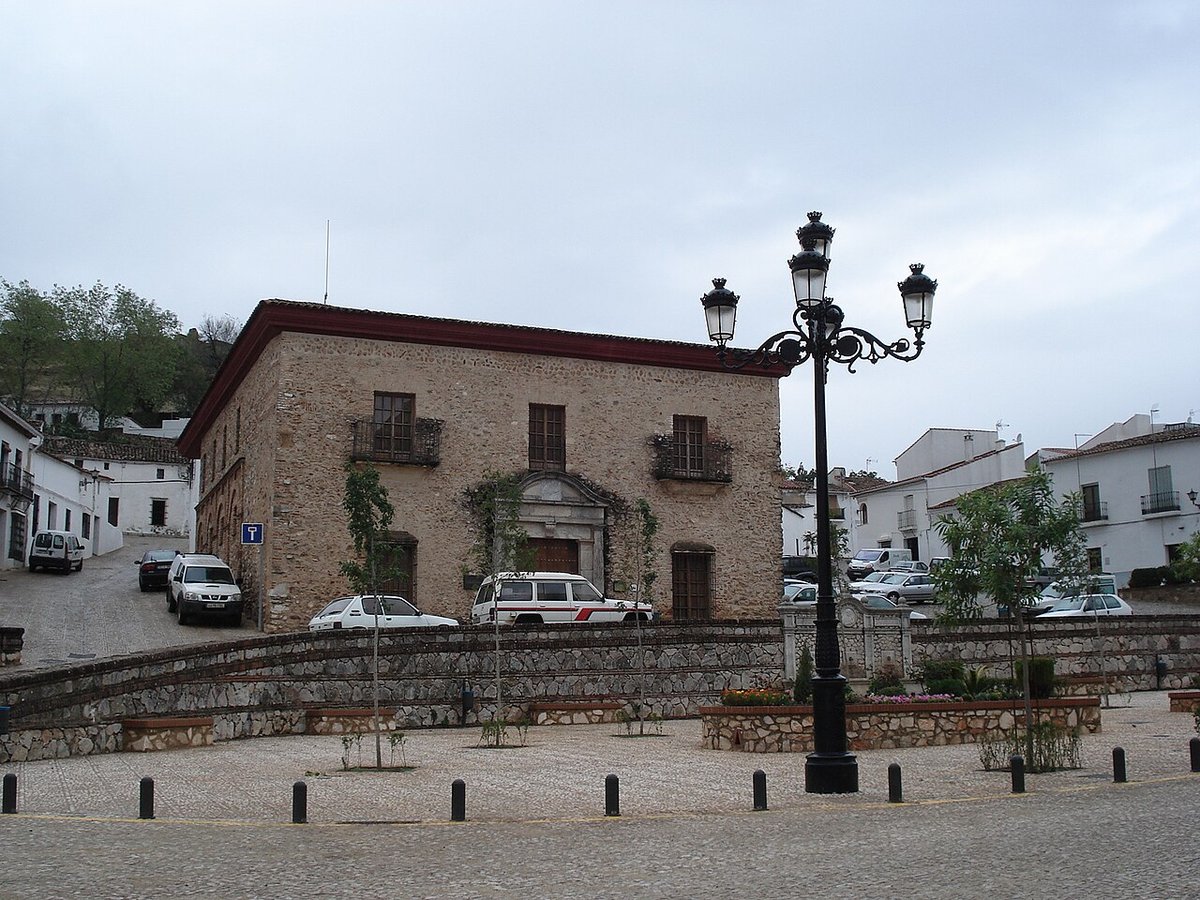
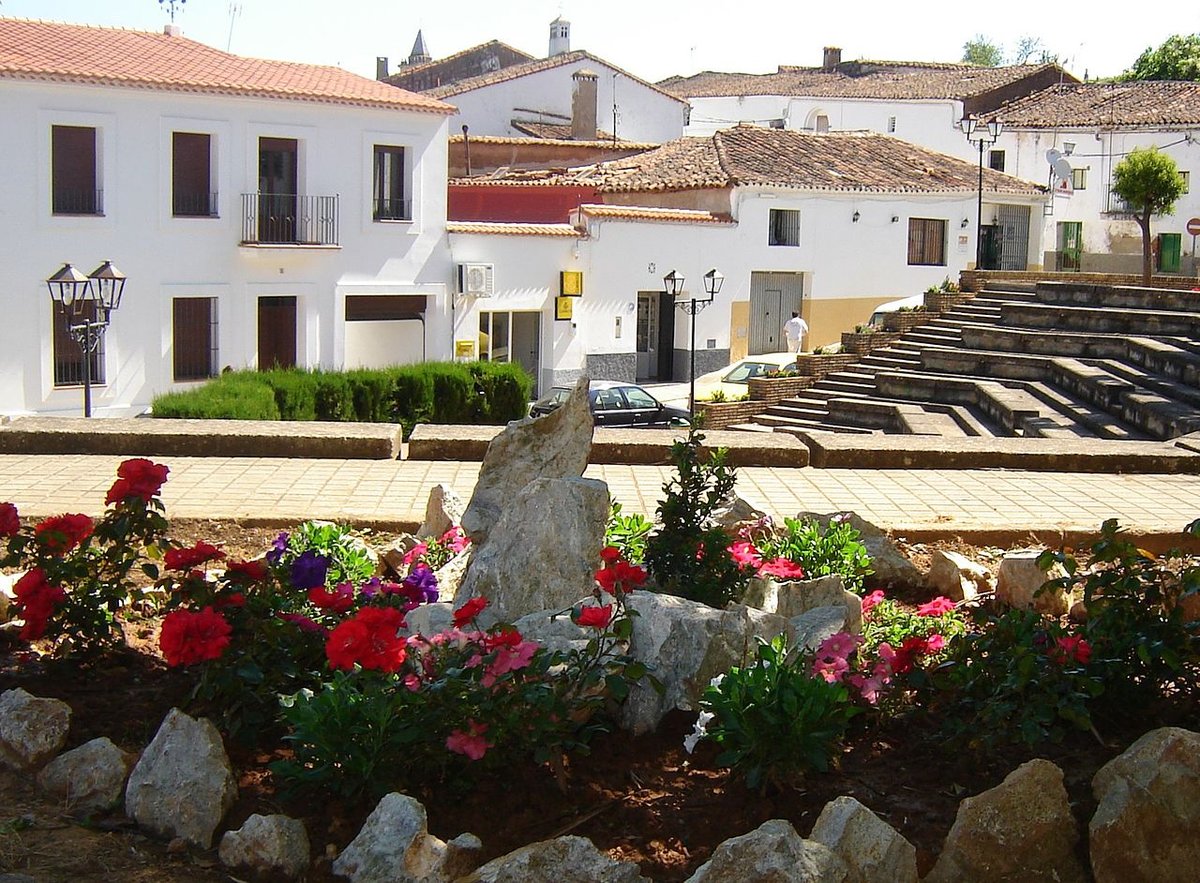
The centre is compact and easy to walk without noticing the distance covered. Narrow streets, whitewashed houses and wooden doors darkened by time set the tone. The parish church stands in the middle, simple and steady, the sort of building that helps you find your bearings when you turn a corner and briefly lose your sense of direction.
In winter, the limewash reflects a soft, silvery light, especially towards the end of the afternoon. In summer the effect is reversed. The white walls throw the sun back with force, and it makes sense to stick to whichever side of the street offers shade.
Step beyond the last row of houses and farmland begins almost immediately. Dirt tracks branch out and the dehesa appears without transition. This traditional landscape of southern Spain is characterised by widely spaced holm oaks and taller cork oaks, with dry leaves underfoot that crackle beneath your boots. In spring the ground changes colour and fills with small flowers in yellow, violet and white, lasting only as long as the season’s moisture allows.
On clear days, some of the paths leading out of the village open up views across the valley of the River Múrtigas and towards the hills that continue northwards, close to the border with Extremadura.
Paths Into the Sierra
Los Marines is the sort of place where walking comes naturally. Several rural tracks start in the village itself, linking up with footpaths in the sierra and with neighbouring villages. There is no need to commit to a long-distance route. An hour on foot is enough to find yourself fully immersed in the dehesa.
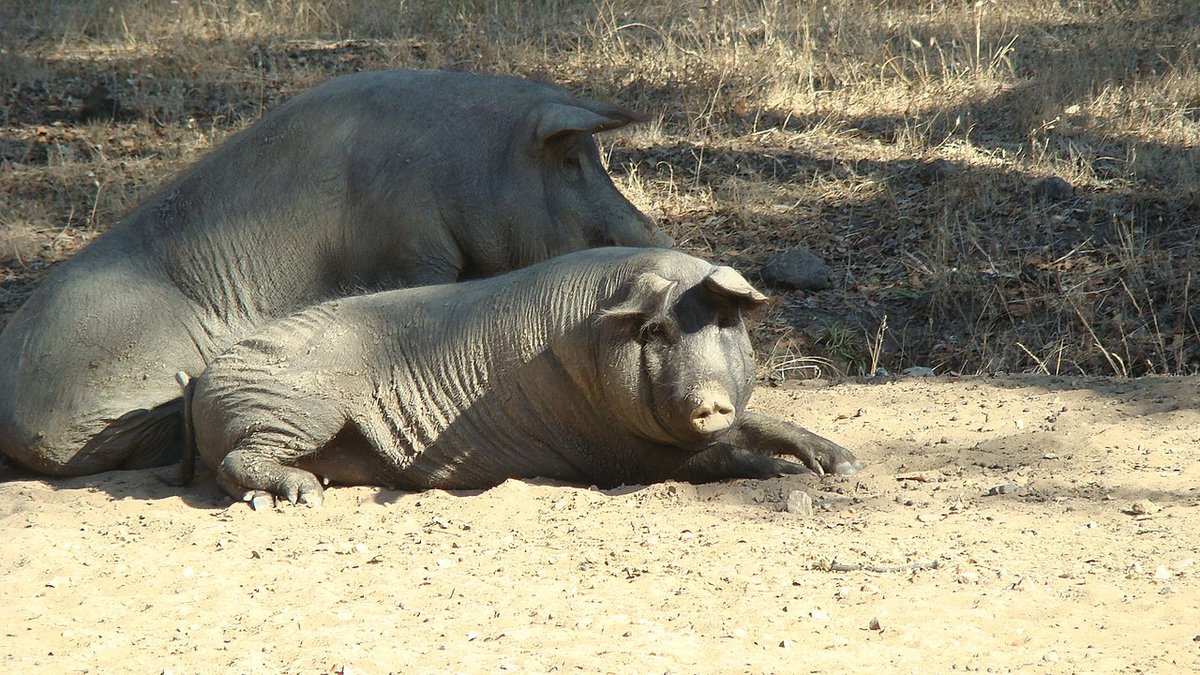
During the montanera, usually between late autumn and early winter, Iberian pigs can often be seen roaming freely beneath the holm oaks, moving slowly among the fallen acorns. The montanera is the traditional free-range fattening period that gives Iberian pork its distinctive quality. Fences should be respected, and any gates crossed should always be closed behind you.
Wildlife tends to appear when noise drops away. Birds of prey circle high overhead, small birds flicker through the scrub, and at dusk it is not unusual to glimpse a deer at the edge of a clearing. Wild boar also inhabit the area, though more often their presence is marked by tracks in the mud rather than a direct sighting.
The experience of walking here is shaped as much by sound and light as by distance. The wind moves through the trees, shadows lengthen quickly towards evening, and the air cools fast once the sun dips behind the oaks. It is easy to set out for a short stroll and end up walking further than planned.
From Field to Table
Cooking in Los Marines remains closely tied to the surrounding countryside. Iberian pork takes centre stage in many households, particularly in winter when freshly cured chacinas, cured meats and sausages, begin to hang in larders.
Seasonal produce also finds its way into the kitchen. Wild mushrooms appear at the right time of year, along with wild asparagus and tagarninas, a type of thistle gathered locally. The dishes are straightforward and rooted in the landscape, carrying the scent of garlic, hot olive oil and freshly cut bread.
Food here follows the rhythm of the seasons rather than outside demand. What reaches the table depends largely on what is available in the fields and woods around the village at that moment.
Dates That Shape the Year
The patron saint festivals are usually held in August, when many residents who live elsewhere return for a few days. The pace of the village shifts. There are more people in the streets, music at night and long gatherings in the squares.
The matanza del cerdo, the traditional pig slaughter, is still maintained in some households during winter. It is not organised as a display for visitors but continues as part of the family larder cycle, a practical and cultural ritual that has structured rural life for generations.
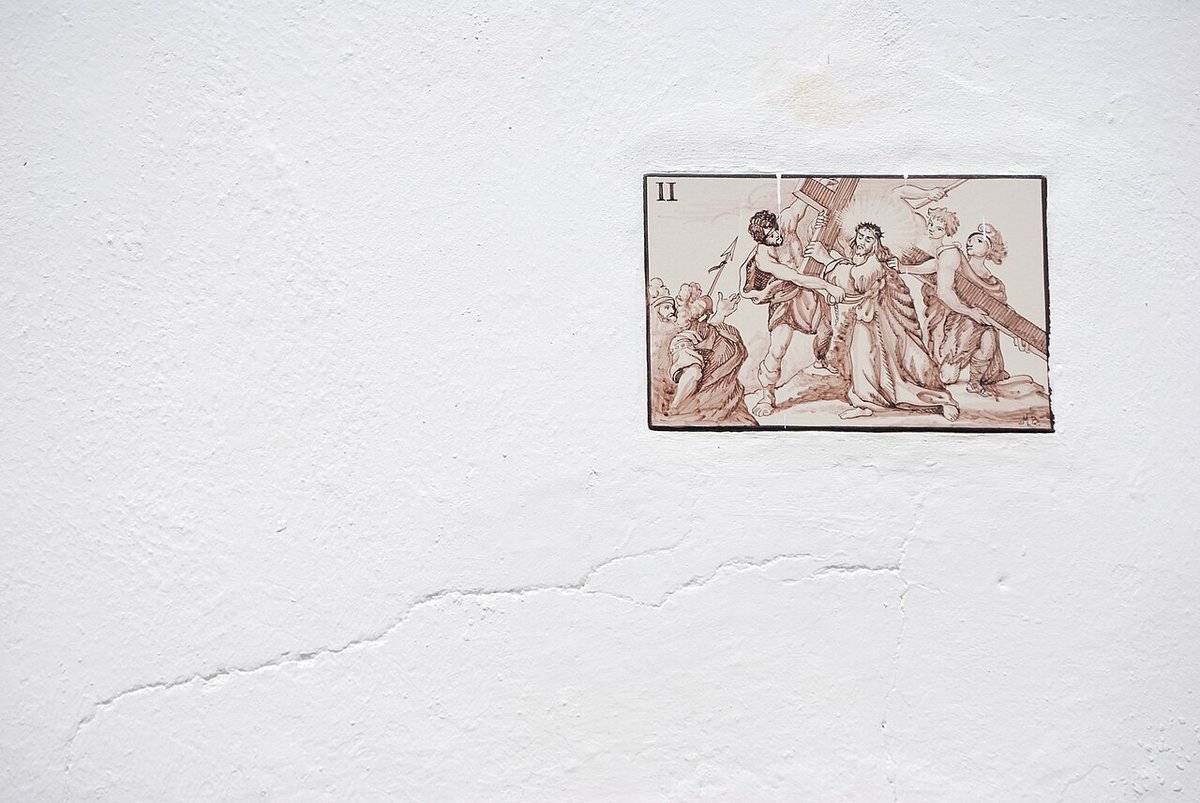
At Easter, processions move through the narrow streets with small pasos, religious floats, and without elaborate staging. Everything happens within a few metres, between whitewashed walls that bounce back the sound of drums with a short echo. The scale is intimate, and the proximity brings the details into focus.
When to Visit Los Marines
From Aracena, the drive takes only a few minutes along a local road, which makes Los Marines a popular choice for short breaks. Autumn weekends, when mushroom season begins and the sierra fills with visitors, tend to be noticeably busier.
For a quieter atmosphere, weekdays or early mornings are a better bet. In spring the countryside is greener and the air carries the scent of fresh grass. In autumn, after the first rains, the dark soil of the dehesa is covered with damp leaves and the pace of a walk naturally slows.
Comfortable footwear is advisable. The village itself is small, yet the surrounding paths encourage you to keep going a little further than intended. As evening falls, light drains quickly between the holm oaks, and it is wise not to leave a walk too late.