Full Article
about Rosal de la Frontera
Last village in the sierra before Portugal, where Miguel Hernández was imprisoned; privileged natural setting and close ties with the neighboring country.
Hide article Read full article
A village shaped by the raya
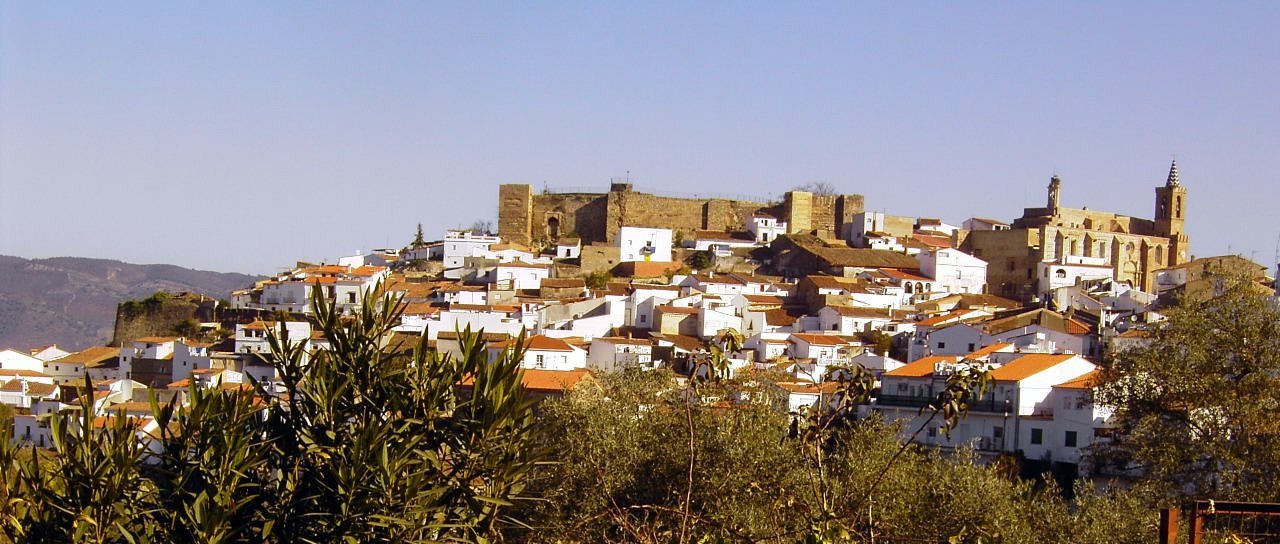
Any look at Rosal de la Frontera has to begin with the raya, the historic line that separates Spain and Portugal. The village sits right on this border, at the western edge of the province of Huelva. For centuries it was a place of passage. Merchants, muleteers and also smugglers crossed through here, moving goods between one country and the other. That border condition still lingers in the way people speak and in the easy movement back and forth that has long defined daily life.
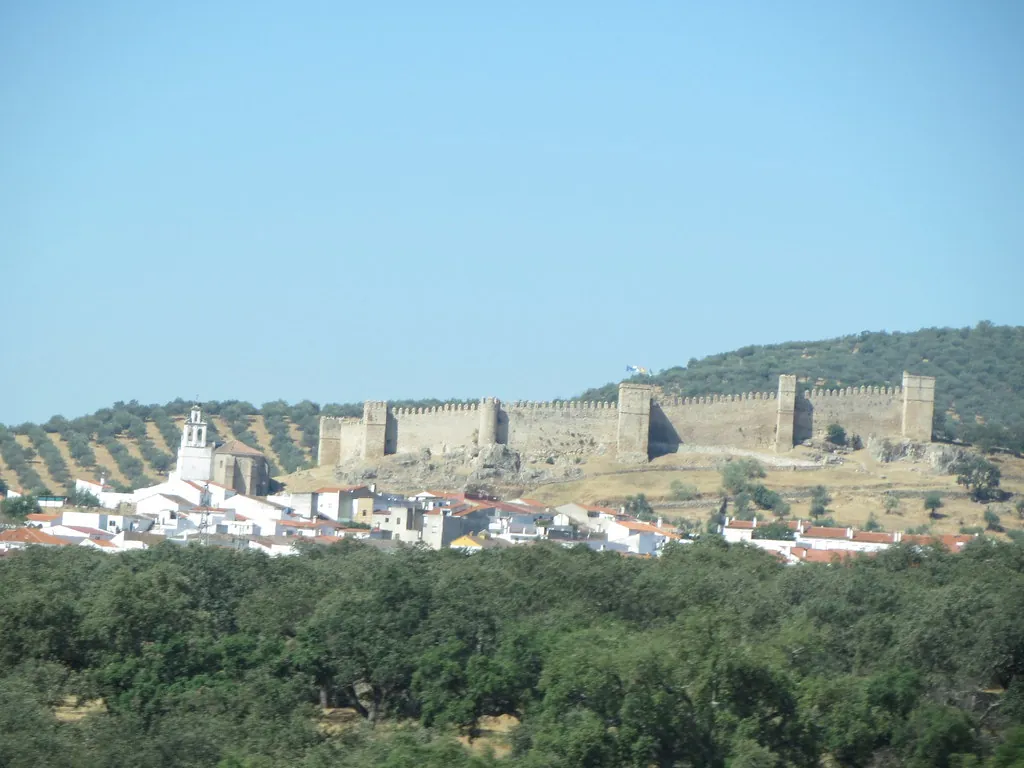
Rosal belongs to the Sierra de Aracena area, although its landscape feels more open than in other mountain villages nearby. The settlement itself is compact and fairly flat. Just over 1,600 people live here. Many families remain connected to livestock farming and to the management of the dehesa, the characteristic landscape of southwestern Spain made up of open woodland and pasture, which covers much of the municipality.
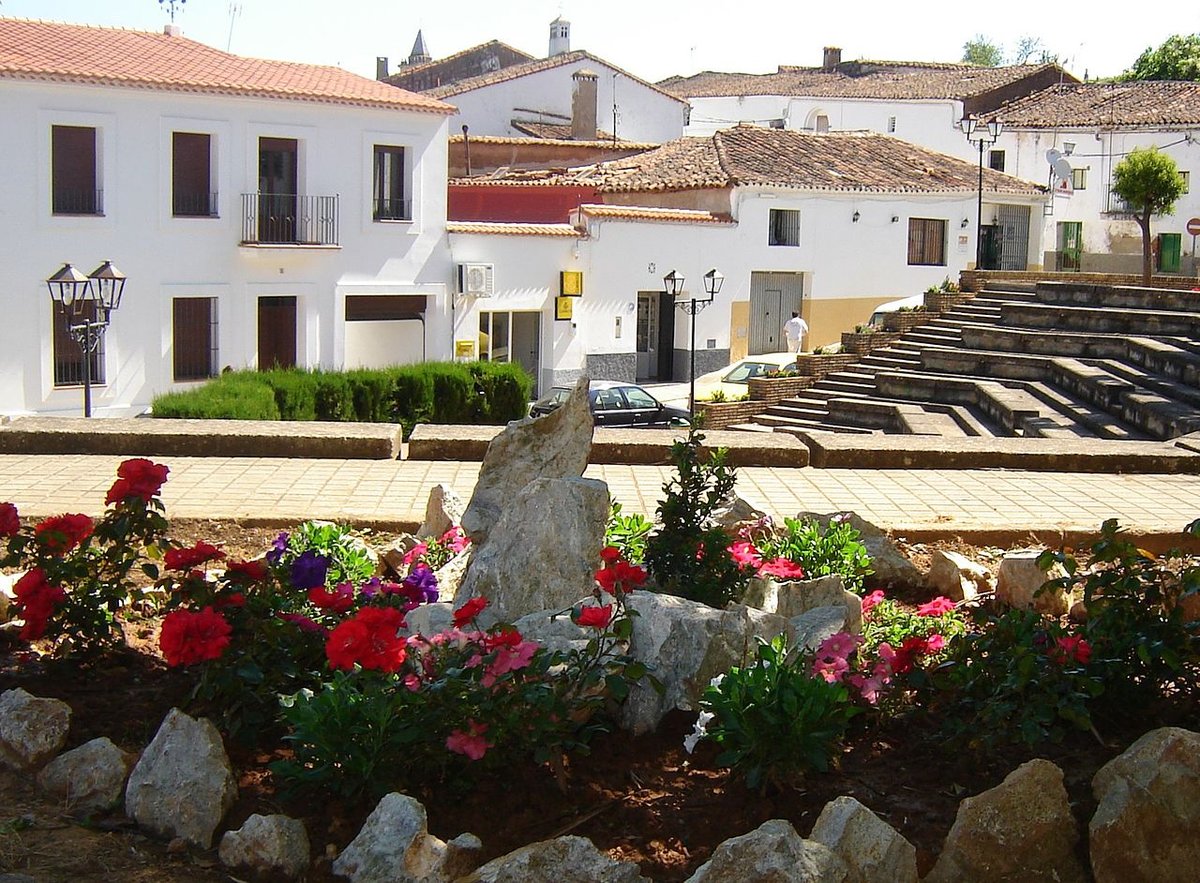
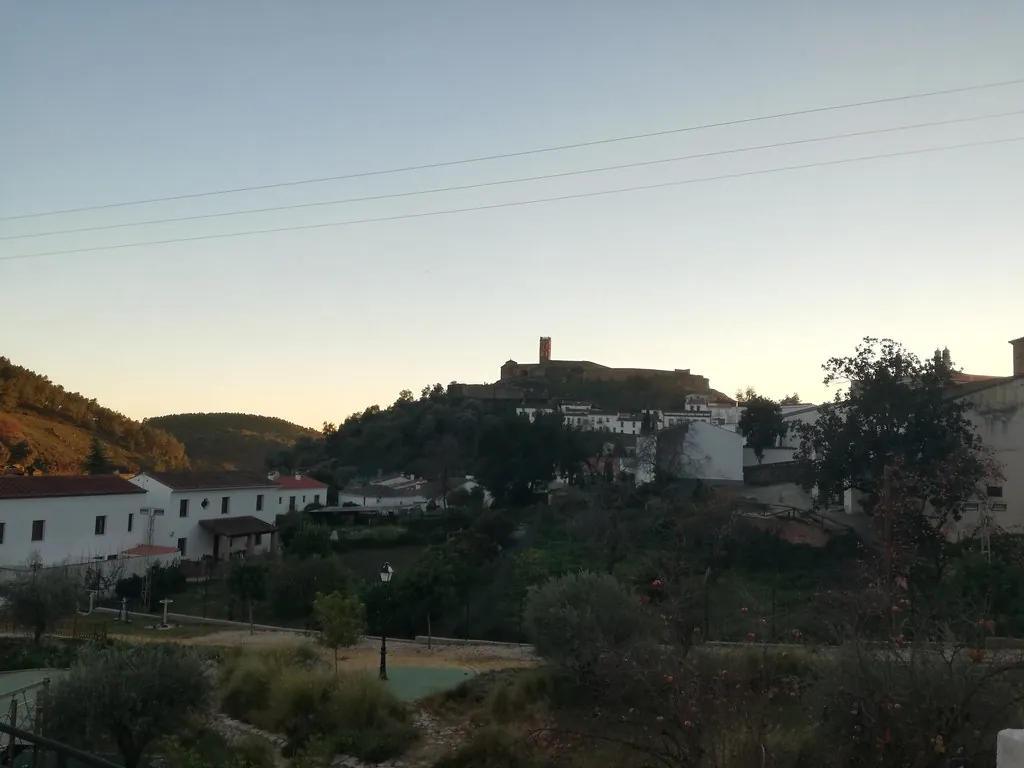
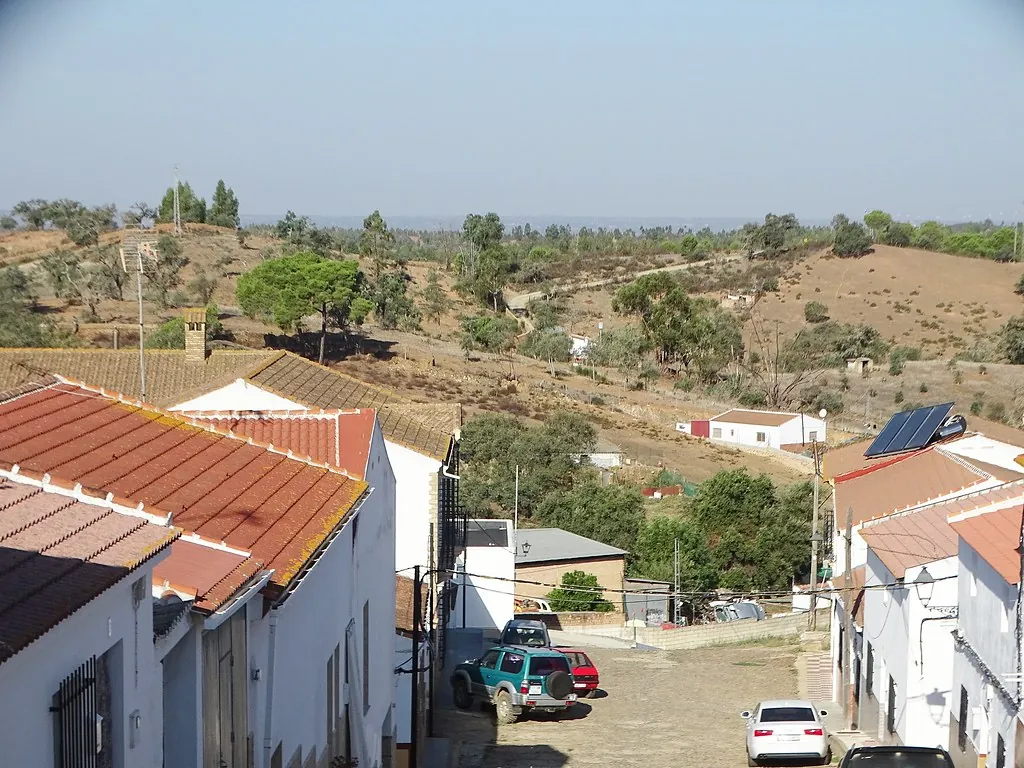
In the centre, streets are short and straightforward. Whitewashed houses of one or two storeys line the way. There are no grand monuments, yet the overall feel explains the village’s agricultural roots. Patios sit hidden behind large gates and high walls, a common feature in this part of the sierra, where privacy and protection from the elements have traditionally shaped domestic architecture.
The parish church and the main square
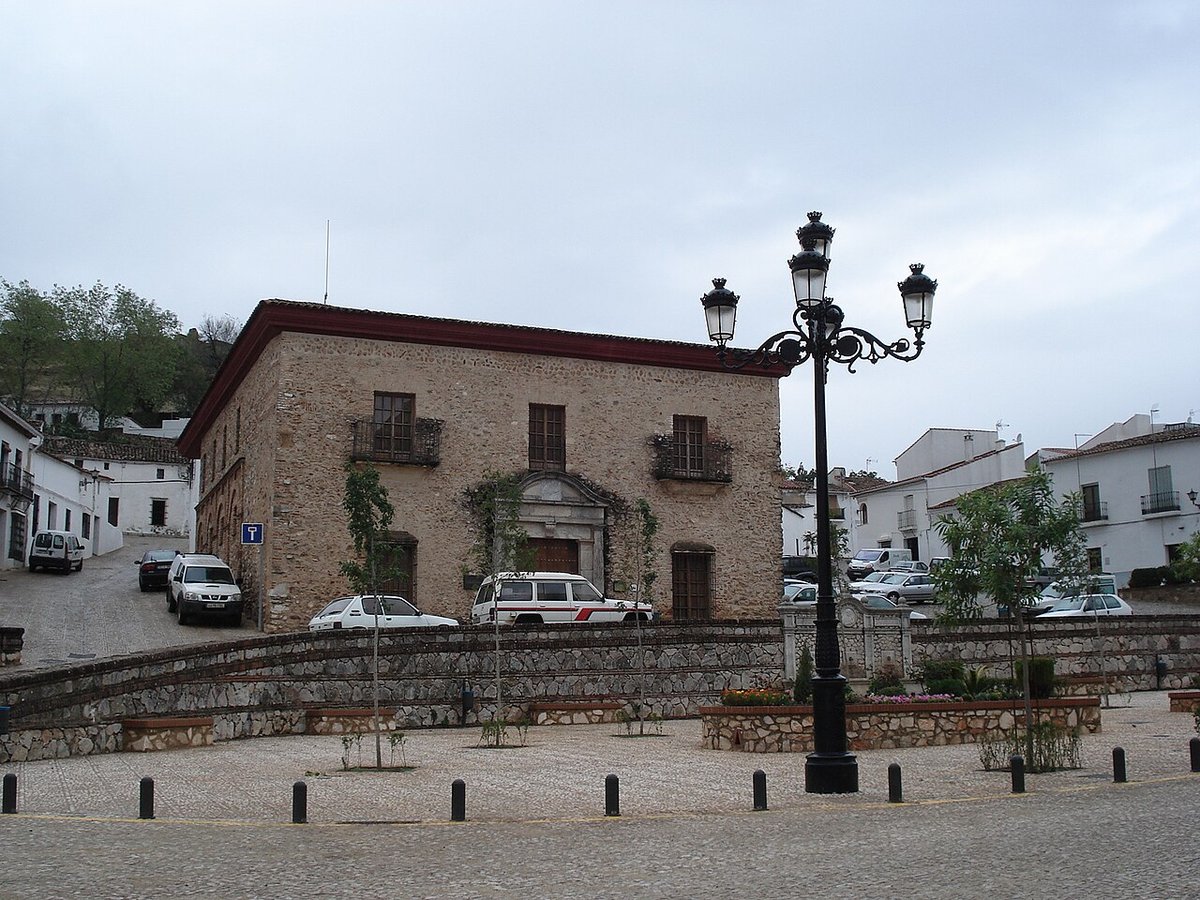
The Iglesia Parroquial de la Purísima Concepción stands on the main square. The present building dates from the 16th century, with later alterations, probably in the 18th. It is a restrained church, in keeping with the scale of the village around it.
Its interest lies less in elaborate architecture and more in its position. The square has long organised everyday life in Rosal de la Frontera. Religious celebrations, meetings and the occasional market all took place here. The church remains the clearest reference point when finding your way through the old centre, a constant presence in a village that has never grown far beyond its original core.
Dehesa landscapes and old border routes
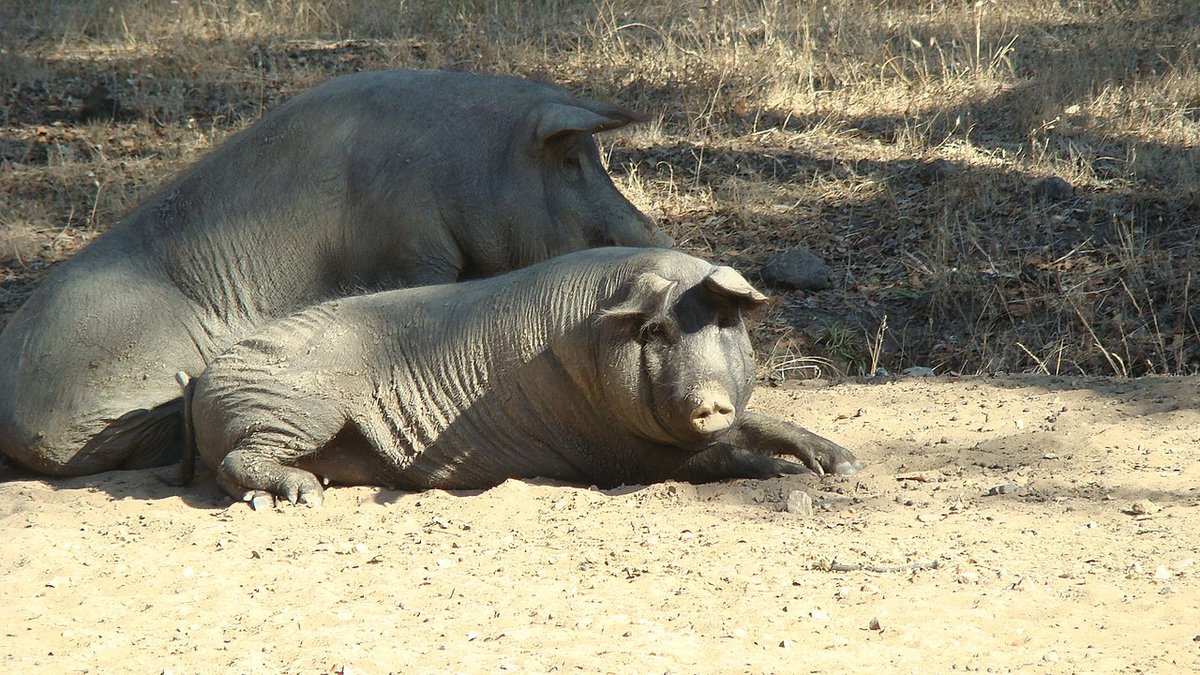
Step outside the built-up area and the dehesa begins almost immediately. Holm oaks and cork oaks define the landscape, spaced out across wide clearings where livestock graze. These estates have been tied for generations to the rearing of the Iberian pig and to other traditional uses of the land.
Threading through the dehesas are old tracks that once linked Rosal with Portugal and with neighbouring villages. Some are still used today for walking or for agricultural work. In certain stretches, remains of constructions connected to border control can still be recognised, reminders of periods when surveillance here was constant and the frontier was closely watched.
At higher points in the municipality, small chestnut groves appear. They are not as extensive as those found deeper in the heart of the Sierra de Aracena, yet in autumn they noticeably alter the colour of the landscape. The change is subtle but clear, adding seasonal contrast to the dominant greens and browns of the dehesa.
Everyday life and serrano cooking
Local cooking follows what the dehesa provides. Iberian pork continues to play a central role. From it come embutidos, cured sausages and hams, along with hearty stews that are still prepared in many homes. The cuisine reflects a rural economy where preserving and making full use of each animal has long been essential.
In autumn, chestnuts become part of the kitchen as well. They are roasted over braziers or incorporated into homemade sweets. Honey produced in the area is also widely used, especially at breakfast or in simple baking. These ingredients connect directly to the surrounding landscape, keeping food traditions closely tied to seasonal cycles.
During the colder months, some families maintain the tradition of the matanza del cerdo, the domestic slaughter of a pig. It is not a public spectacle. Rather, it is a family day in which tasks are shared and sausages and other products are prepared to last throughout the year. The matanza remains an example of how agricultural routines continue to shape social life.
Festivals and the rhythm of the year
The festive calendar revolves around religious celebrations and summer festivities. In December, the village honours the Purísima Concepción, its patron saint. The church and the main square once again become the focus of activity, continuing a pattern that has been repeated for generations.
In August, summer fiestas are usually held. Events are concentrated at night, when the heat drops. These are days primarily designed for local residents and for those who return to Rosal during the holidays. The population swells temporarily, and the village centre regains the bustle that many smaller rural communities experience only at certain times of year.
Walking the border landscape
The urban centre can be explored in a short time. The greater interest lies in the surroundings. Several tracks and footpaths cross the dehesa and connect with old routes towards Portugal or to other villages in the sierra. Walking here offers a way to understand the geography that has defined Rosal de la Frontera for centuries.
It is sensible to seek information before setting out on long walks. Many estates are privately owned, and some paths may be closed at certain times. The landscape may appear open, but it is structured by traditional property boundaries and agricultural use.
For those interested in understanding the character of the raya onubense, the stretch of border in the province of Huelva, Rosal de la Frontera works well as a starting point. Here, the frontier is not experienced as a rigid line. It feels more like a broad strip of movement and exchange, a space that has influenced the village’s history and continues to shape its identity today.