Santa Olalla del Cala - Flickr
Andalucía · Passion & Soul

Santa Olalla del Cala

The first thing you notice is the smell of oak smoke drifting from chimney pots at midday, even when the thermometer nudges 30 °C. Santa Olalla del...

2,039 inhabitants · INE 2025
535m Altitude

Why Visit

Mountain Santa Olalla Castle Visit the castle

Best Time to Visit

spring

August Fair (August) agosto

Things to See & Do
in Santa Olalla del Cala

Heritage

  • Santa Olalla Castle
  • St Peter’s Church
  • stone wayside cross

Activities

  • Visit the castle
  • Hike the Ruta de la Plata
  • Mountain cuisine

Festivals
& & Traditions

Fecha agosto

Feria de Agosto (agosto), Romería de Santa Eulalia (mayo)

Las fiestas locales son el momento perfecto para vivir la autenticidad de Santa Olalla del Cala.

Full Article
about Santa Olalla del Cala

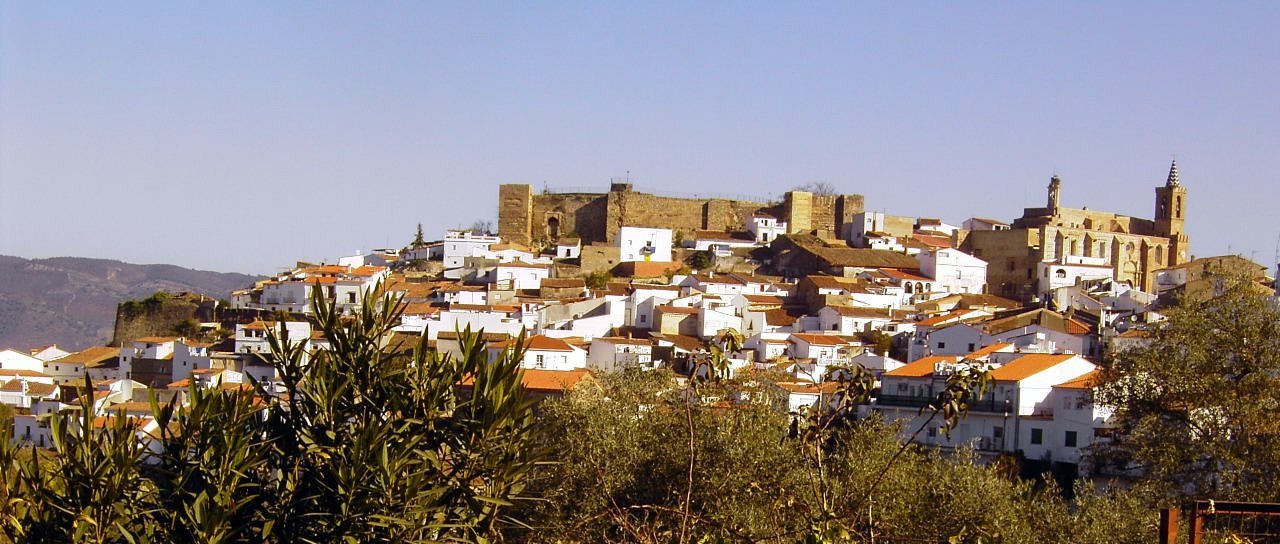
A key stop on the Ruta de la Plata with a striking castle visible from the highway; Andalusia’s gateway from Extremadura, steeped in history.

Ocultar artículo Leer artículo completo

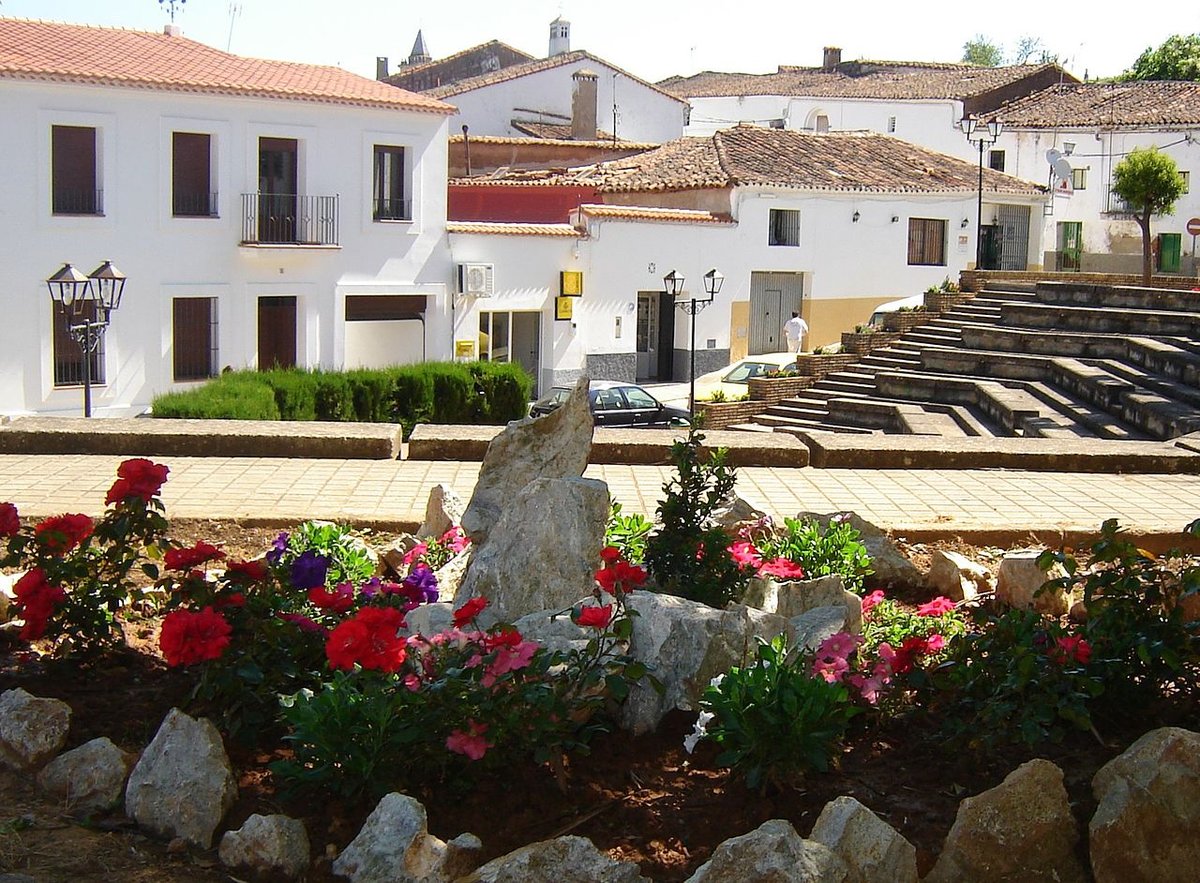
The first thing you notice is the smell of oak smoke drifting from chimney pots at midday, even when the thermometer nudges 30 °C. Santa Olalla del Cala sits 535 m above sea level on the A-66 Seville–Mérida corridor, and truckers have been braking for coffee here long before the word “authentic” started appearing in guidebooks. The village doesn’t do pretty-for-pretty’s-sake; its walls are whitewashed because lime reflects heat, not because it photographs well. Yet that practicality is precisely what makes a wander worthwhile.

A Castle, a Church and a Street That Still Remembers the Romans

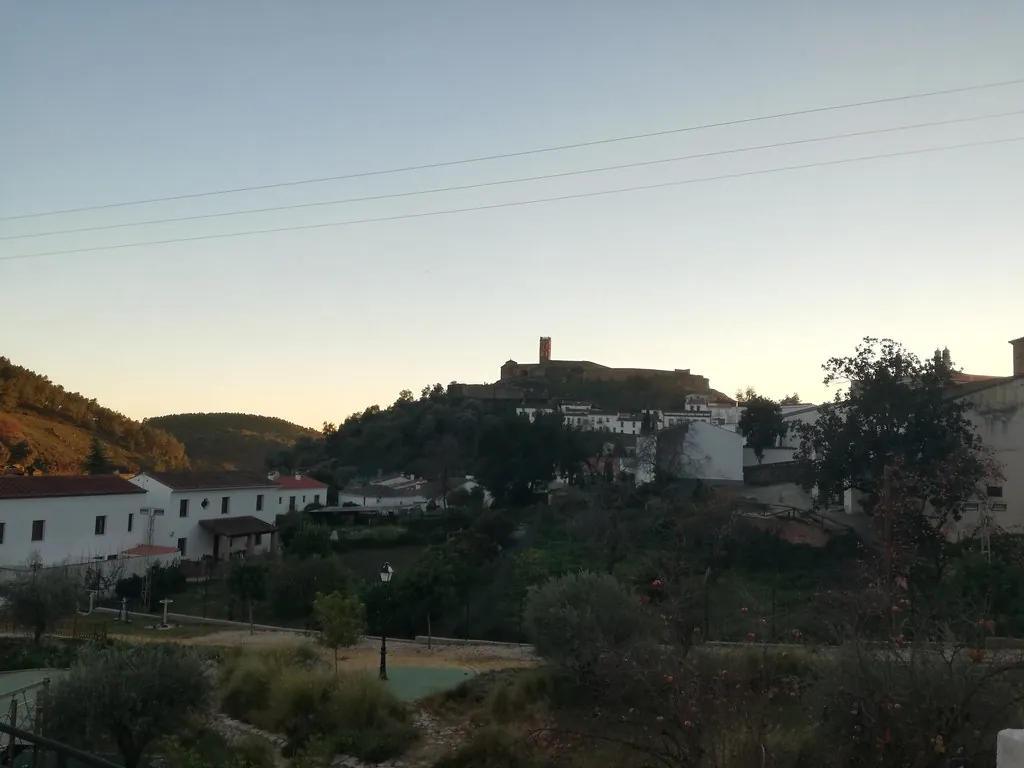
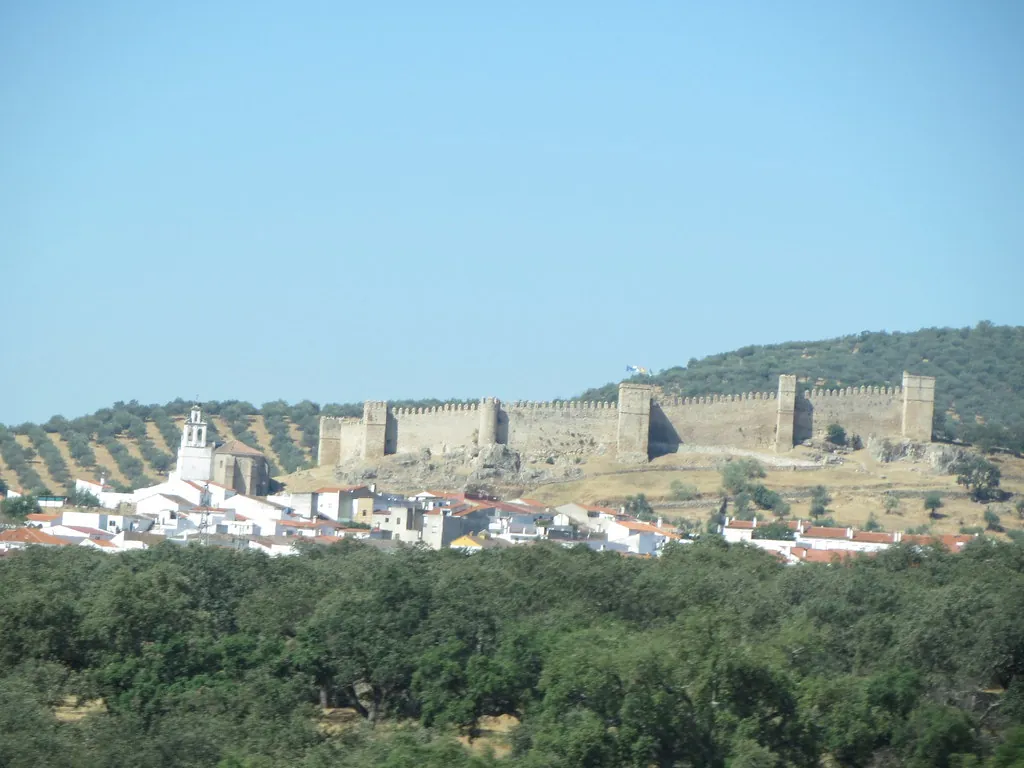
Start at the top. A signed gate off the main square opens onto a ten-minute stone path that switchbacks up to the Castillo de Santa Olalla, an eleventh-century Muslim fort later patched up by the Knights Templar. Only one tower stands complete, but the 360-degree platform gives you the full lesson in local geography: dehesa (open cork-and-holm-oak pasture) rippling westwards until it bumps into the Sierra de Aracena, while the motorway cuts a silver ribbon far below. Entry is free and the guardrail is waist-high—mind the drop and bring something wind-proof outside summer.

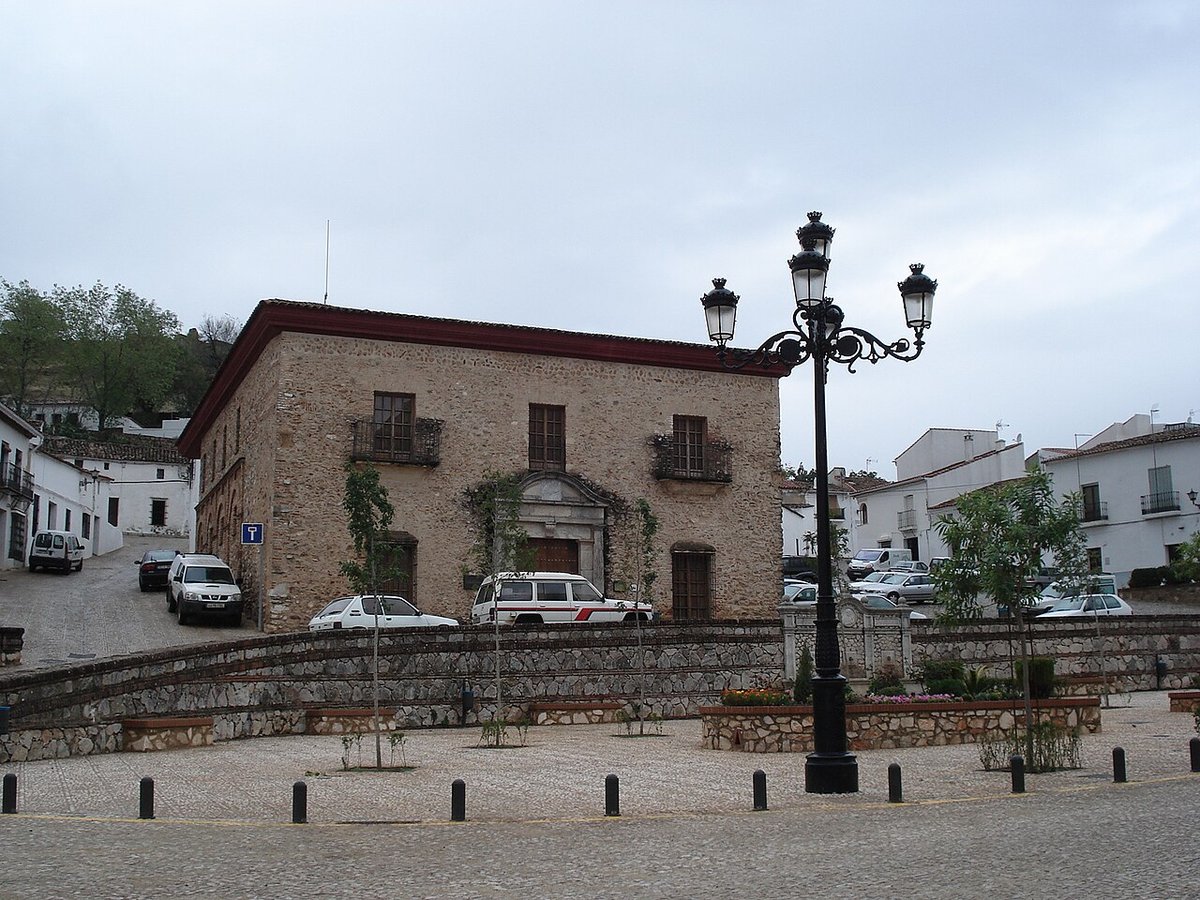
Back in the lanes, the Iglesia Parroquial de Santa Olalla dominates the only proper plaza. The building is part-Gothic, part-budget-Baroque, its bell tower rebuilt in the 1700s after the Portuguese earthquake shook half of it down. Doors open 09:00–12:00 and again 18:30–20:00; step inside to see a gilded altarpiece that locals still fund with monthly pig-bank collections. No audio guide, no gift shop—just a laminated sheet that someone’s auntie replaces when it gets dog-eared.

Below the church, Calle Real follows the old Roman road that once linked Seville to Mérida. Cobbles have been relaid but house facades haven’t bowed to anything as modern as a theme colour: terracotta pipe here, bottle-green balcony there, a 1950s petrol pump rusting outside what is now a living room. Walking the entire axis takes six minutes end to end, yet the detail keeps photographers busy for an hour.

Black Hooves and Cork Bark: Life Outside the Walls

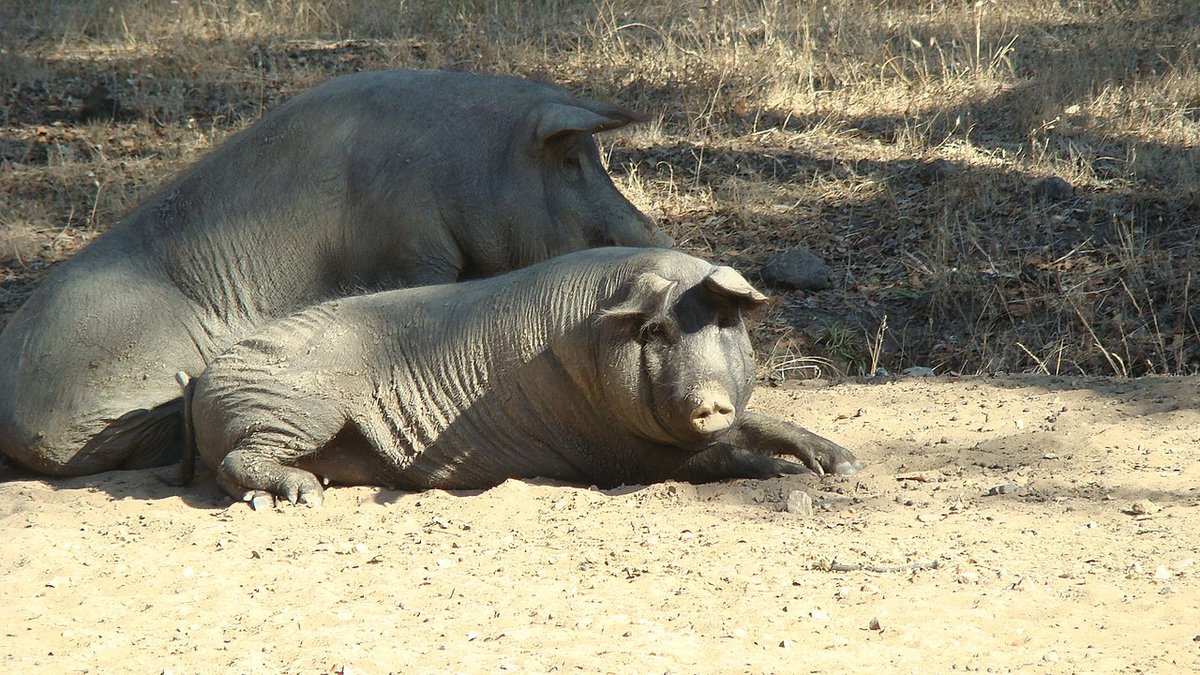
Santa Olalla’s real wealth is the surrounding dehesa, a man-made prairie that looks wild but has been harvested for a thousand years. Between November and March, Ibérico pigs nose for acorns under century-old oaks; their black silhouettes appear and disappear like ink blots on a green page. Farmers still move livestock on foot at dawn—you’ll meet them if you set out early on the PR-A 265 footpath that starts behind the health centre. The circuit is 7 km, mostly flat, and passes two stone huts (chozos) where shepherds once overnighted. No ticket office, just lift the latch.

Cork is stripped in late summer, the trunks glowing crimson after harvest. If you’d like a closer look, drive 4 km south on the HU-8101 and pull off at the Fuente de la Reina lay-by; boards (Spanish only) explain the nine-year cycle. Take nothing with you—removing a single strip of bark carries a €300 fine.

What Arrives on the Plate

Locals eat early for Spain—lunch by 14:00, supper before 21:00—because farm work starts before the sun clears the hill. Order presa ibérica at Bar Manolo (Plaza del Generalísimo, mains €9–€14): the cut sits somewhere between pork loin and steak, grilled medium and served with hand-cut chips that arrive in a separate metal cone so they don’t stew. If you prefer plant-based, the salmorejo at Mesón El Castillo is thickened with breadcrumbs rather than egg, giving a velvety texture that suits tentative palates; ask for the dish “sin jamón” and they’ll swap in grated carrot without fuss.

Sweet-toothed? The village bakery (no name above the door, opens 07:30–13:00) sells técula mécula, an orange-scented almond tart once reserved for priests. A palm-sized wedge costs €2.30 and keeps for three days—handy if you’re self-catering.

Vegetarians should note: even the chips may have been fried in pork fat; ask “¿está frito en aceite vegetal?” if it matters. Sunday lunch is the social event of the week—turn up after 14:30 and you’ll queue; arrive before 14:00 or book ahead.

When the Village Lets Its Hair Down

Fiesta timetable here is religious, literally. Santa Olalla’s own festival, 10–14 September, mixes procession with practicality: morning mass, giant paella for 1,000 in the sports pavilion, then live music until the last pensioner leaves the dancefloor. Visitors are welcome, but don’t expect bilingual signage; buy a €3 raffle ticket from the elderly gents in sashes and you might win a shoulder of ham.

In January the matanza still happens in back-street patios. It isn’t staged for tourists—families gather to slaughter one pig, share the work and divide 80 kg of meat. Some butchers will sell you fresh morcilla (blood pudding with rice) if you ask early; they’ll even tie the string so it fits your rucksack side-pocket.

May brings the Romería de San Isidro: 40 decorated carts, horses whose manes are braided with flowers, and an exodus to the Dehesa de Solana for a picnic so extensive that the village itself feels abandoned. Foreigners are invited onto carts—offer to bring ice or water and you’re instantly adopted.

Getting There, Getting Cash, Getting Stuck

Santa Olalla is 110 km inland; the coast is a separate holiday. From Seville the A-66 northbound delivers you to Exit 635 in 50 minutes; the village slip-road spits you out above the castle car park (free, plentiful). Huelva city is 90 km south-west on the same motorway, but budget an extra 30 min for mountain curves once you leave the dual carriageway.

Public transport exists in theory: Línea 100 (Damas) leaves Seville’s Plaza de Armas at 16:00 Monday to Friday, returns at 05:45 next morning. Unless you fancy a 14-hour stopover, you’ll need wheels. The nearest petrol station is 24 km away in Zalamea; fill up before you arrive.

Money: there is no ATM. The closest cash point is in Zufre (12 km), but the machine is often empty on weekends; bring euros. Cards are accepted in the two main restaurants, yet the bakery, food stalls during fiestas and the ethnological museum (€2 entry) are cash-only.

Mobile coverage on UK networks (EE, Vodafone, O2) is patchy inside stone houses; download offline maps before you leave the motorway. Wi-Fi is standard in hotels but bandwidth creaks once three devices log on—perfect if you’re trying to wean yourself off scrolling.

Where to Sleep (and Why You Might Not)

Accommodation totals three small guesthouses and a handful of rural cottages scattered in the dehesa. Casa Rural Fuente del Rey (doubles €65–€75) has thick walls, ceiling beams and a roof terrace that faces west—sunset over cork oaks with a glass of local tinto de verano (red wine, lemonade, ice) is worth the midges. For tighter budgets, Hostal Santa Olalla above Bar Central offers clean rooms from €35; request the back side if you’re a light sleeper—morning deliveries start at 06:30.

Most visitors base themselves in larger Aracena (20 min drive) and drop in for lunch or a castle climb. That works, yet staying overnight lets you experience the sierra silence once the lorries have rolled on. Night skies here register a Bortle Class 3; step outside, wait 90 seconds for your eyes to adjust and the Milky Way does the rest.

The Catch? Heat, Hills and Opening Hours

August midday is brutal—40 °C is routine and the castle path feels like a tandoor. Shops observe the classic siesta (14:00–17:30); if you need water, buy before the shutters drop or you’ll be knocking on a resident’s door. Paths are unsigned in places; the tourist office (open 10:00–14:00, closed weekends out of season) will photocopy a hand-drawn map but won’t hand-hold. Finally, this is a working village, not a museum—tractors hog the streets, diesel fumes mingle with wood smoke, and nobody apologises for it.

Come prepared and those small grits become part of the appeal. Santa Olalla del Cala offers neither beach bliss nor tapas-trail bragging rights; instead it gives you oak-filtered air, pork that tasted acorns last week, and a castle view able to reorder your sense of scale. Stay a night, speak a sentence of Spanish, accept the raffle ticket—you’ll leave heavier in the suitcase (ham travels) and lighter everywhere else.

Key Facts

Region
Andalucía
District
Sierra de Aracena
INE Code
21069
Coast
No
Mountain
Yes
Season
spring

Livability & Services

Key data for living or remote work

2024
ConnectivityFiber + 5G
EducationHigh school & elementary
Housing~5€/m² rent · Affordable
Sources: INE, CNMC, Ministry of Health, AEMET

Official Data

Institutional records and open data (when available).

  • Castillo de Santa Olalla de Cala
    bic Castillo/Fortaleza ~4.9 km
  • Iglesia Nuestra Señora de la Asunción
    bic Edificio Religioso ~5 km
  • Portada Cementerio San José
    bic Monumento ~4.1 km

Planning Your Visit?

Discover more villages in the Sierra de Aracena.

View full region →

More villages in Sierra de Aracena

Traveler Reviews