Full Article
about Valdelarco
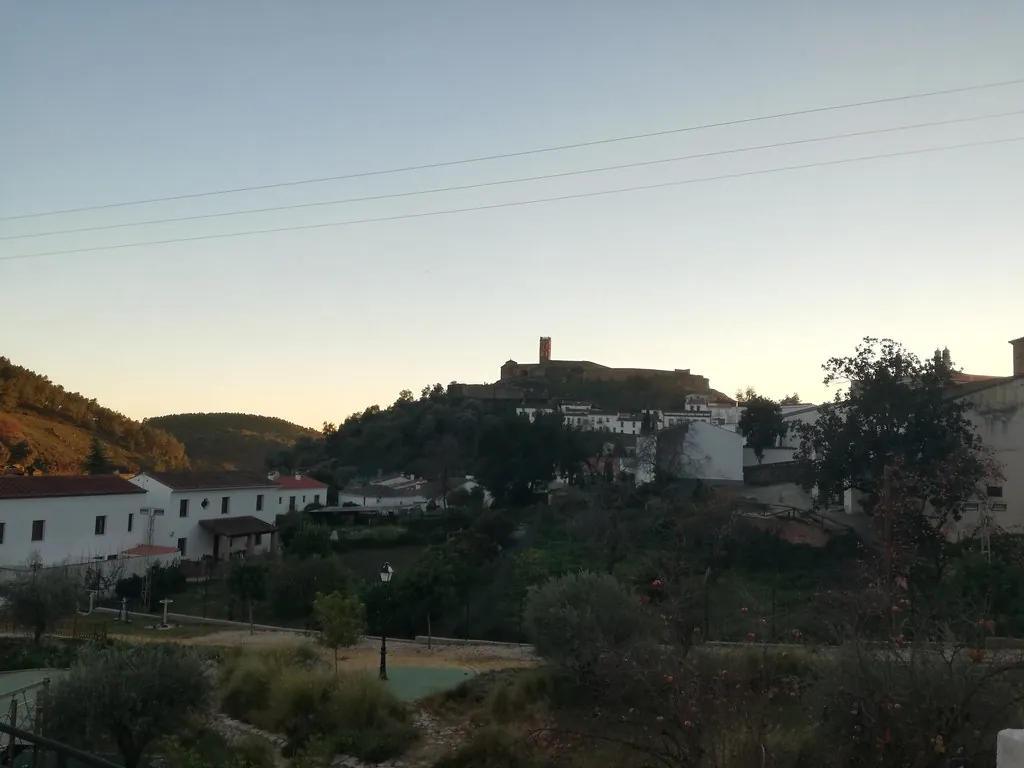
Village declared a Historic-Artistic Site for its unaltered folk architecture; set in a closed valley of striking beauty.
Ocultar artículo Leer artículo completo
The church bell strikes eleven and someone's calling "¡Pepe!" across the steep lane. From a doorway two floors up, Pepe shouts back without looking. This is how news travels in Valdelarco—voice against stone—because at 623 m the mountain air carries sound better than any mobile signal.
Altitude shapes everything here. Morning mist pools in the valley below while the village already basks in thin, bright light. Chestnut trees that colour the hills each autumn grow only because the elevation knocks 4–5 °C off the lowland heat; drive twenty minutes down to Aracena and you are back in olive-and-cork country. The gain in height is modest by Sierra standards, yet it is enough to turn winter sharp: occasional frost, chimneys that burn olive wood from November to March, and the odd December morning when the access road glitters with black ice. Chains are rarely needed, but a steady hand on the wheel helps—especially after dark when wild boar wander onto the tarmac.
A village that still keeps its own rhythm
Two hundred and forty-three residents, one small general shop, no bank, one bar. Numbers like that usually herald a museum-village; Valdelarco refuses the role. Houses are lived in, even the half-collapsed ones at the lower edge where swallows nest in exposed beams. Children still trace the same alley shortcuts their grandparents used—passages barely wider than a donkey—because every journey here is on foot. Cars park at the entrance plaza and stay there; beyond that the streets climb in flights of uneven steps polished to marble smoothness by decades of boot leather.
The rhythm is agricultural, not touristic. Men leave at dawn for the dehesa with chainsaws in the pickup to cut firewood for the curing of Iberian hams; women tend the terraced vegetable plots that squeeze between chestnut groves. Visitors who arrive expecting souvenir stalls find instead a noticeboard outside the ayuntamiento advertising a second-hand tiller and the date of the next blood-donor session.
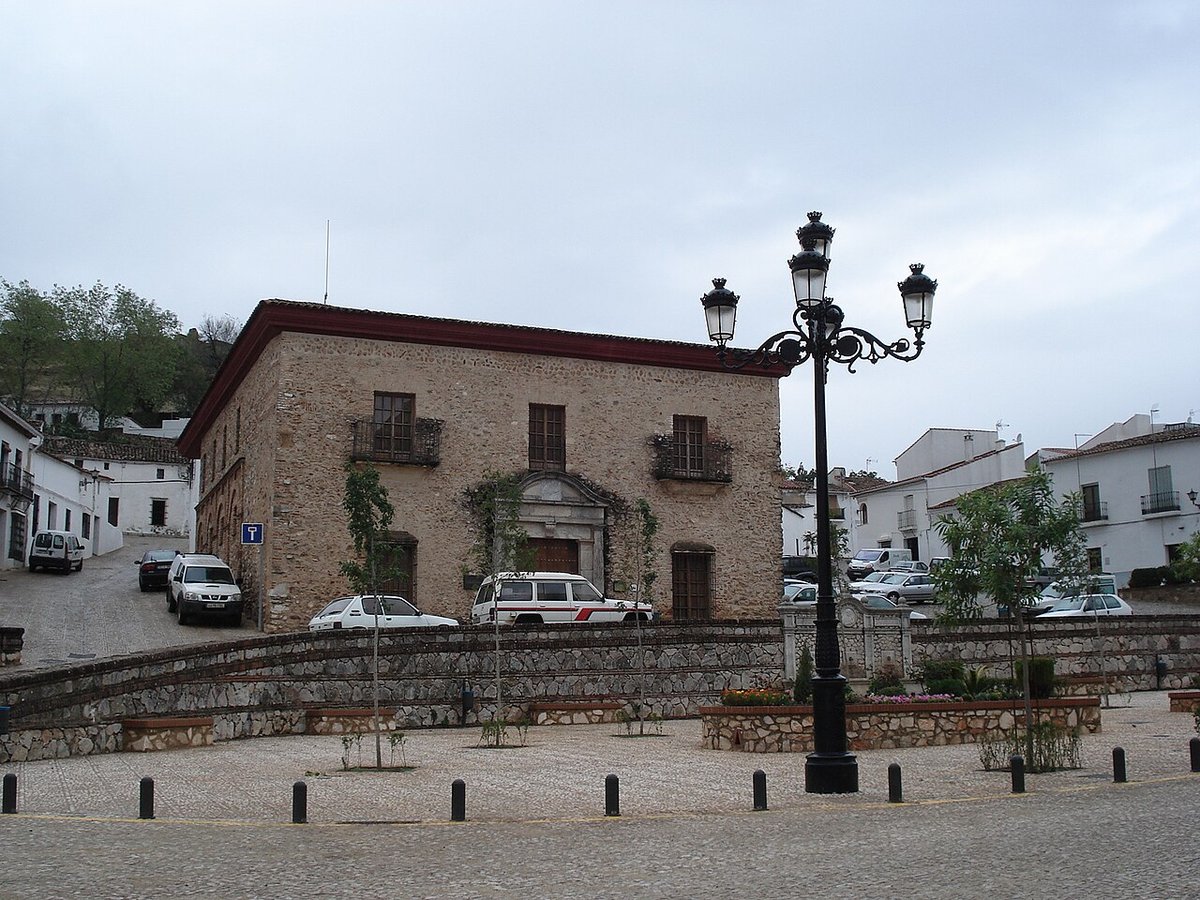
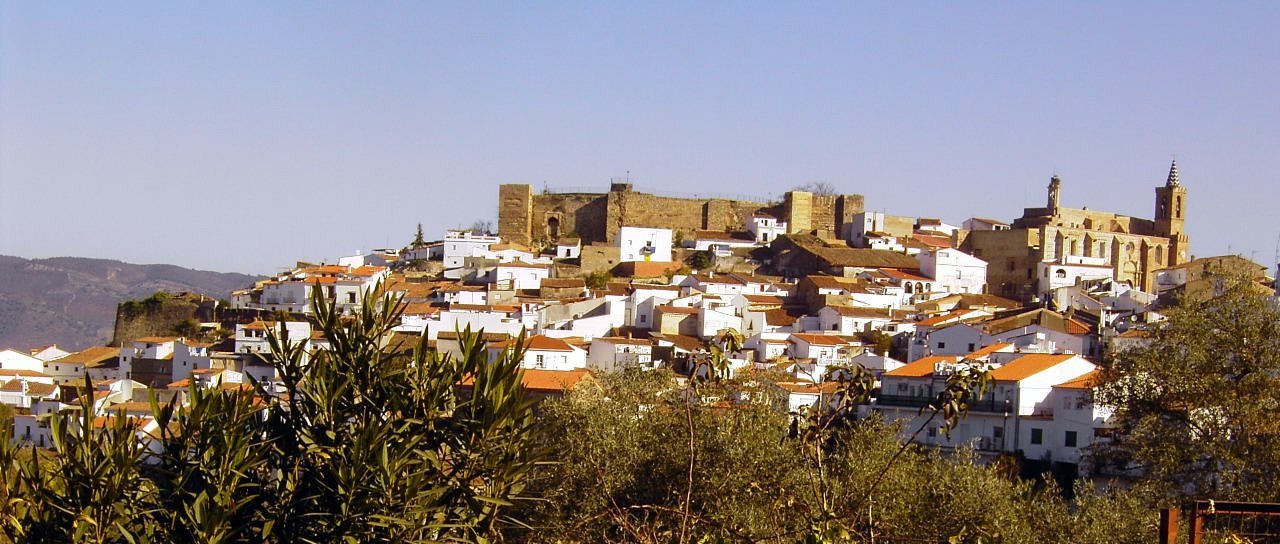
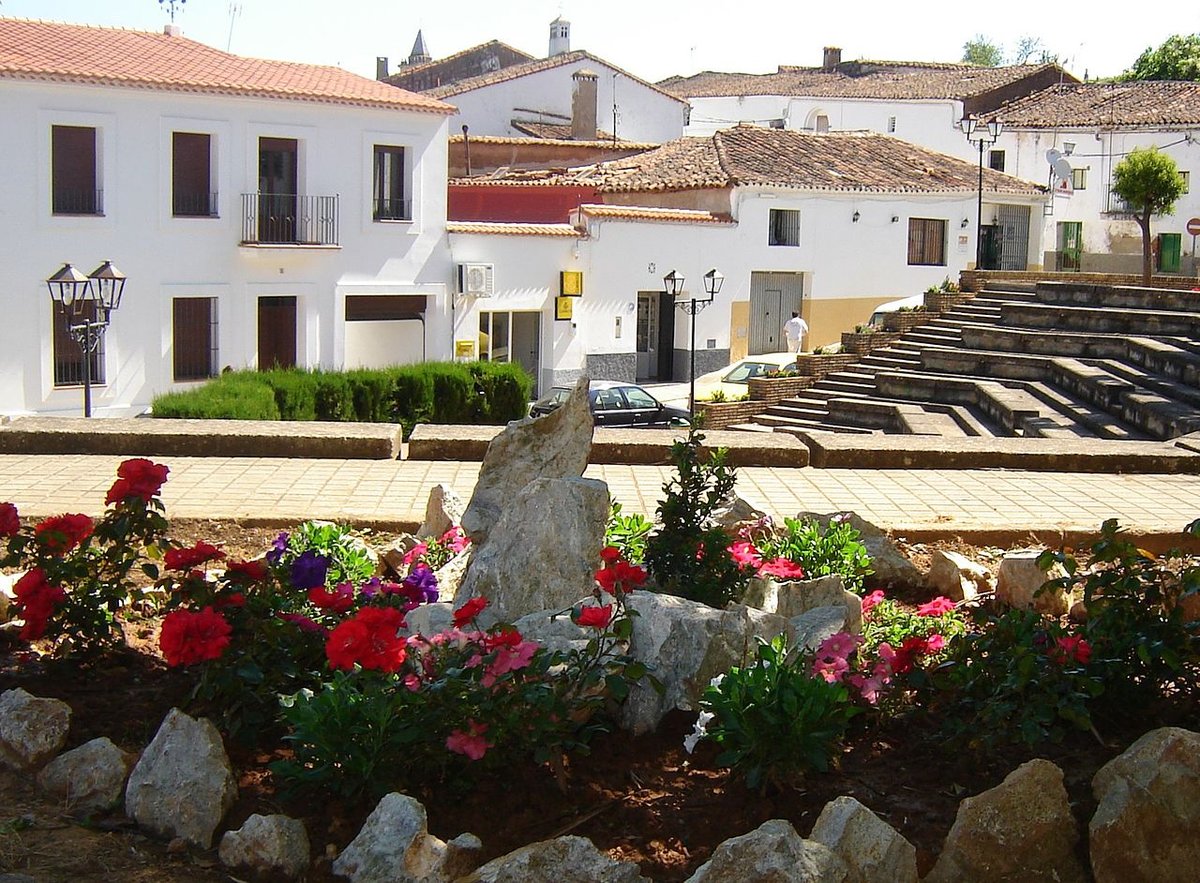
What you will see, if you look up from the cobbles, is a lesson in vernacular building: lime-washed walls the colour of fresh milk, hand-forged iron grills bent into pomegranate shapes, rooflines that sag like well-used saddles. No two doorways are identical. Some retain stone coats of arms; others have had their arches brutally squared to let tractors through. The effect is not picture-postcard perfect, it is better—lived-in, repairable, honest.
Walking tracks that start from your doorstep
Maps call the web of paths around Valdelarco the "Camino Natural de la Sierra de Aracena", but locally they are simply the way to the next hamlet. All routes begin with a climb; accept it and the reward is shade under chestnut canopy and, in October, the smell of bruised leaves fermenting. A circular walk east to the abandoned cortijo of El Castaño takes ninety minutes, gains 200 m, and delivers a picnic table with a view clear to Portugal on very clear days. Carry water; fountains marked on older OS sheets have dried up in recent summers.
If you prefer distance to gradient, follow the track north-west towards Los Marines. The descent is gentle, the return brutal—budget three hours and save something in the legs for the final haul back up through the allotments where every grandmother seems to be judging your pace. Mountain-bikers use the same trails; expect loose chestnut husks that skid like ball-bearings after rain.
Winter walking has its own rules. Daylight is short, cloud can sit on the ridge for days, and red mud clogs boot treads. Yet the air is so clear that every holm oak on the opposite slope stands out in individual detail. Come properly booted, stick to the firebreaks when mist descends, and you will have the tracks to yourself—save for a hunter or two in fluorescent orange, hoping for a fleeing boar.
What you will (and will not) eat
The village bar opens at seven for coffee and sells the last beer at ten, unless custom demands otherwise. There is no written menu; ask what exists. Usually that means jamón from pigs that fattened on the surrounding acorns, a plate of local chorizo, or a stew of chickpeas and spinach thickened with breadcrumbs. Prices hover around €8–€10 for a ración large enough to share; bread and olives arrive unbidden, you pay for what you touch.
Chestnuts dominate sweets when they are in season. Look for mantecados de castaña, crumbly shortbread that uses pork lard instead of butter—better than it sounds, especially with a glass of the dry, nutty local white. If you are self-catering, the shop stocks tinned tuna, UHT milk, and excellent dried beans. Fresh fruit comes up from the coast twice a week; by Friday the apples look travel-weary.
Vegetarians survive but do not thrive. Ask for "guisado de setas" in autumn and you may get a plate of golden chanterelles; at other times mushrooms arrive from a jar. Vegans should plan on cooking. Gluten-free bread is still regarded with polite suspicion.
Getting there, staying over, knowing when not to come
From the UK the simplest route is Seville airport, then hire car. Take the A-66 north, peel off at San Juan del Puerto, and follow the N-433 past Aracena. The final 12 km twist up the HU-8103: single-lane, stone walls, occasional goat. Allow ninety minutes from the airport if you are landing in daylight; double that after a late flight. There is no bus service on Sundays or fiesta days.
Accommodation is limited to four village houses rented by the night (search "casa rural Valdelarco"). Expect stone floors, wood-burning stoves, and Wi-Fi that falters when it rains. Prices run €70–€90 for two bedrooms, minimum two nights at weekends. Bring slippers—Andalusian nights are chilly even in May—and your own coffee if you are fussy about grind.
Avoid August if you value quiet. The fiesta patronales fills the plaza with sound systems and returning emigrants who have not seen each other since school. Good-natured, yes, but sleep is scarce. Mid-October brings the chestnut weekend: daytime tastings, night-time bonfires, the one time the village overflows. Book early or plan to stay down the road in Alájar. January and February can be glorious by day but bleak after sundown; cafés may close midweek if trade is slow.
When to leave well enough alone
Valdelarco does not need saving, discovering, or rebranding. It needs visitors who climb the lanes slowly, greet the woman scrubbing her threshold, and buy one beer not two because the afternoon is already warm and the drive down is tricky. If you come expecting nightlife, boutiques, or even a cash machine, you will leave disappointed—and the village will quietly prefer that you had checked the map first.
Bring binoculars for the short-toed eagles that circle on thermals above the chestnut canopy, a paperback for the hour when every Spaniard retreats indoors, and enough small change to avoid paying for a coffee with a twenty. Do this, and you will witness a place that has solved the problem of how to live in the mountains without turning itself inside out for strangers. That is worth the climb.