Full Article
about Alcalá del Valle
Mountain municipality set in a valley with a strong farming tradition and significant prehistoric remains; known for its asparagus and olive oil.
Hide article Read full article
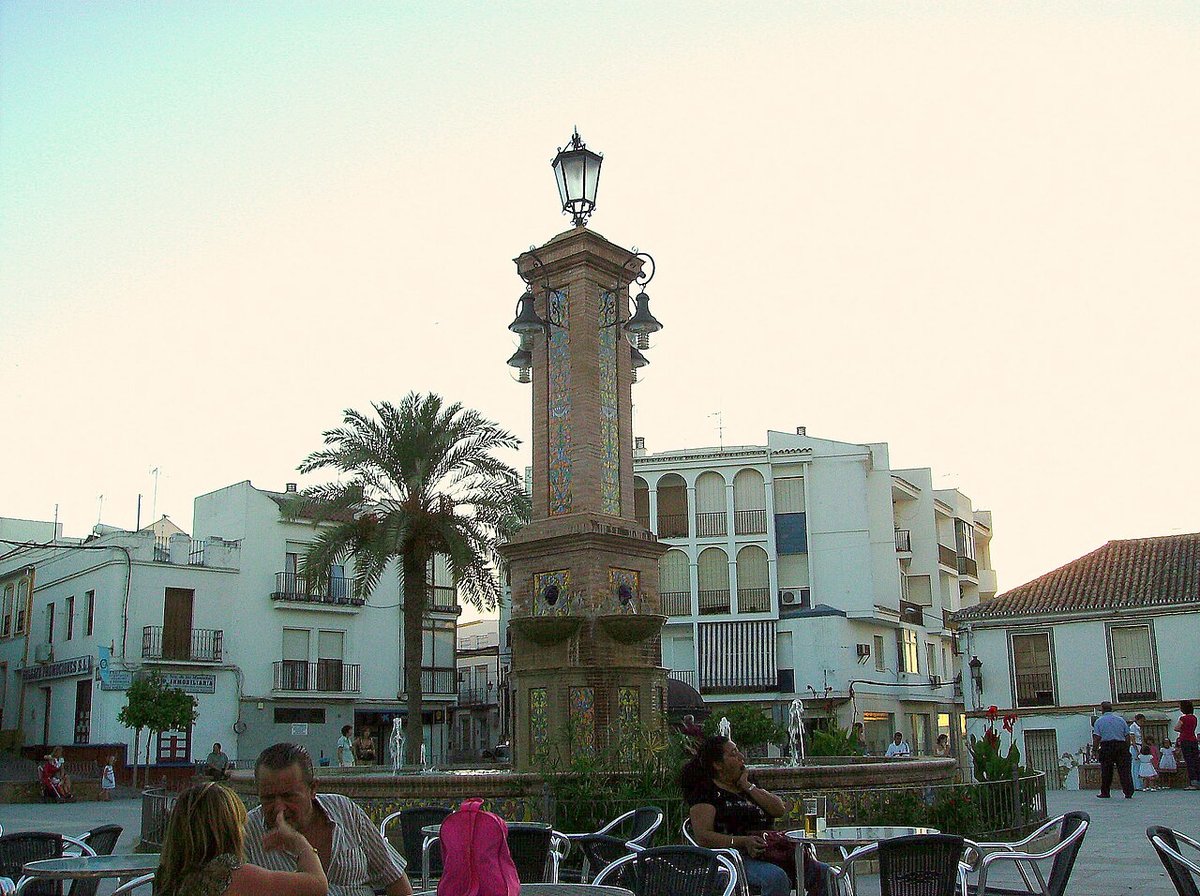
At half past seven in the morning, the bells of Santa María del Valle ring out while the sun has yet to gild the rooftops. From the square, the smell of freshly baked bread drifts through the air, mingling with the damp earth left by the night before. In the corner bar, a group of retired men debate irrigation for their vegetable plots over toast soaked in olive oil that spills onto the plate. No one seems in a hurry. This is tourism in Alcalá del Valle at the very start of the day, before cars arrive from elsewhere. The village breathes slowly.
The Valley the Mudéjars Chose
In 1484, when nearby Setenil de las Bodegas surrendered to the Catholic Monarchs, a group of Mudéjars travelled down along the stream to this valley, where water flowed from Fuente Grande. Perhaps they saw what is still visible today: a sheltered hollow between hills, fertile soil and springs that rarely run dry, even in the harshest summers. They founded their settlement beside the water, as was so often the case. The village name itself recalls that past. Alcalá usually derives from the Arabic al‑qal'a, meaning fortress or elevated place.
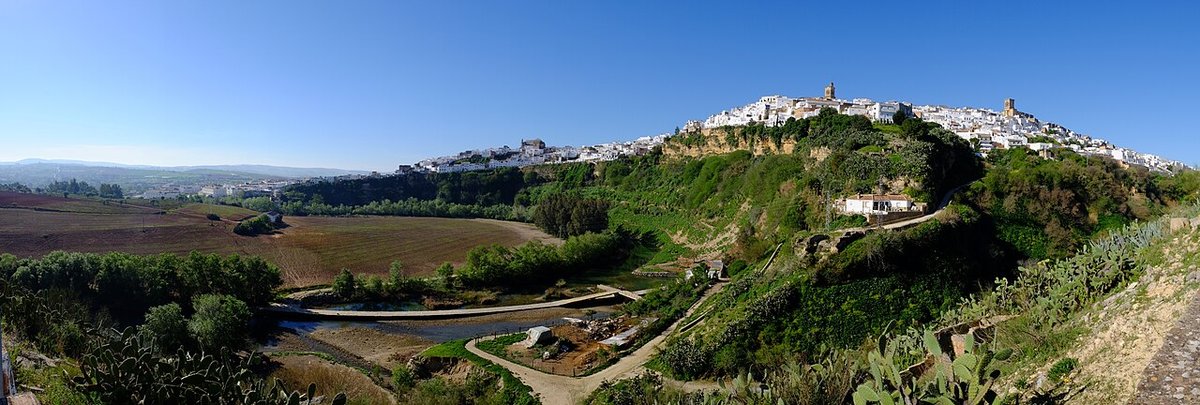
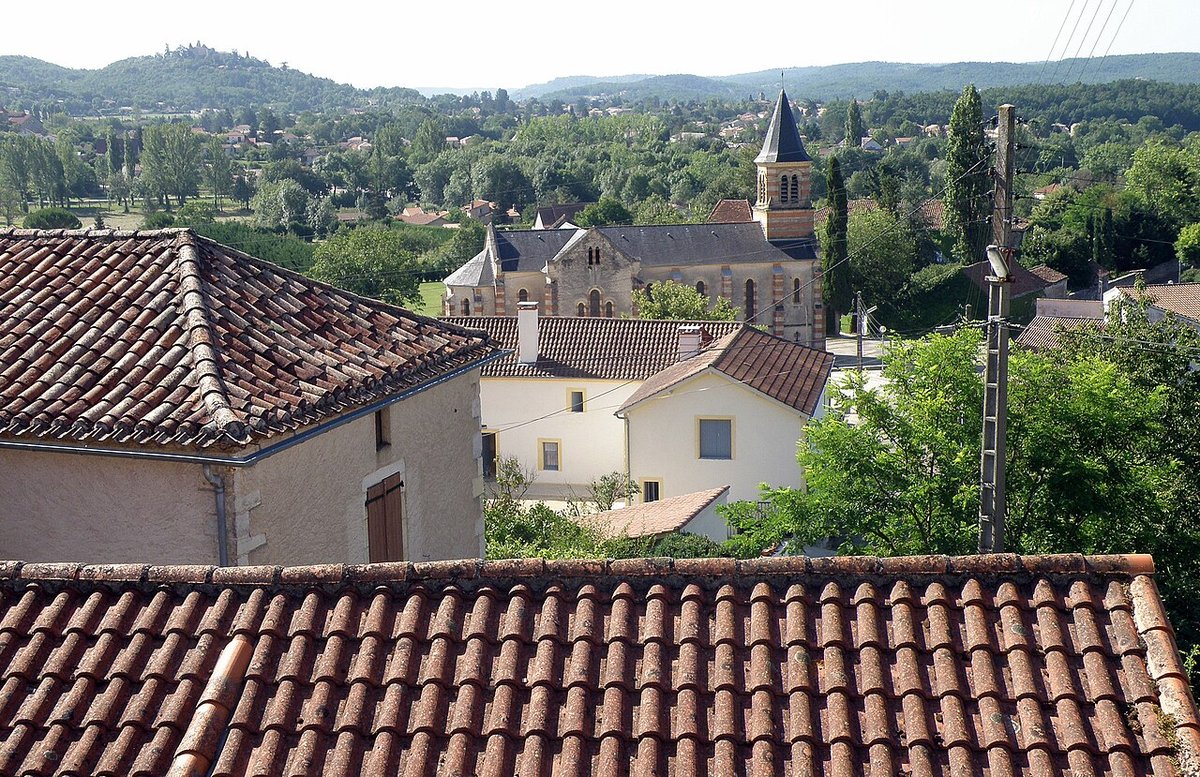
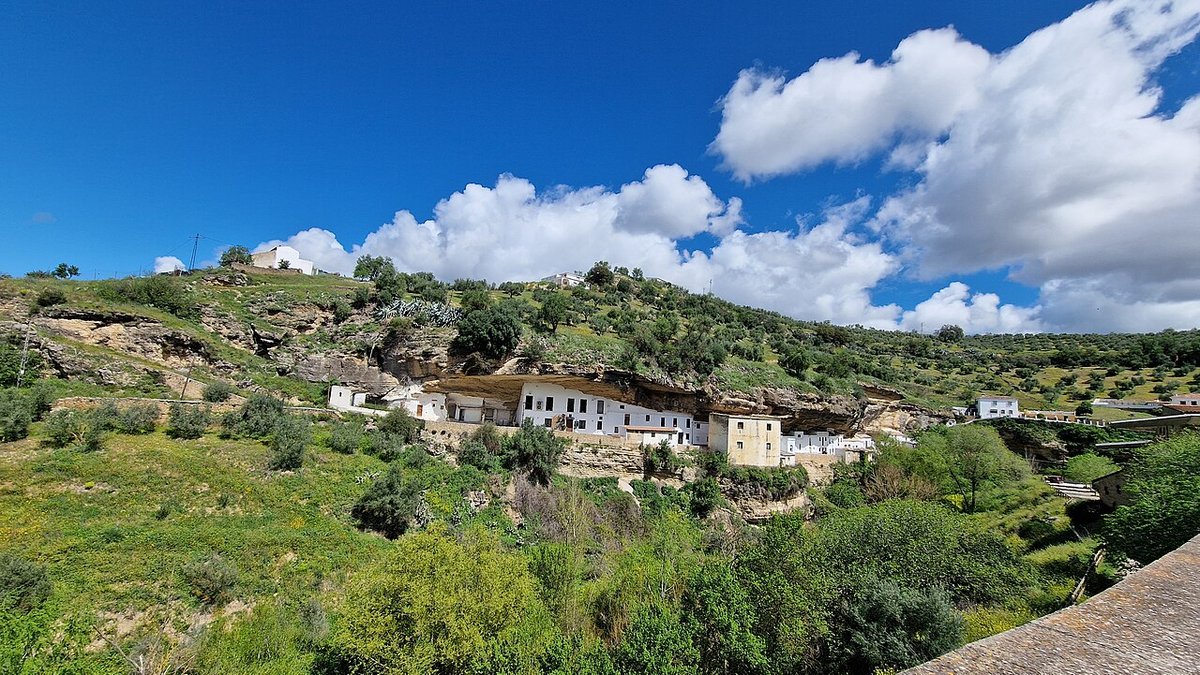
The houses gleam white under the spring sun. It is not a polished white designed for postcards, but a weathered surface, marked by cracks where swallows nest and patches where plaster has fallen away over the years. Steep streets end in cul‑de‑sacs that suddenly open towards the sierra. Here the mountains do not sit in the distance as scenery. They define the edge of the valley. At around 650 metres above sea level, the air often carries the scent of rosemary and holm oak. Silence is broken by wind, or by the sound of a car climbing up from the plain.
Where Water Shapes the Land
Following the road towards Caños Santos leads to the walking route of the same name. It is a circular trail of about eight and a half kilometres. It begins among old olive trees and ends as it enters areas of pine forest. For much of the way, the Alcalá stream appears alongside the path. At times it runs fast and clear, at others it is barely audible, but it always traces the route between vegetable plots and small pools.
In spring the water flows steadily and transparently. In summer it is often reduced to a thin thread, though it still feeds the old mills scattered along the riverbank.
Close to the village, on an open rise, stand the Dólmenes del Tomillo. Two prehistoric tombs and a solitary menhir rise from the low holm oaks. The walk from the square takes about twenty minutes. The path is straightforward, though there are no large information boards or visitor centre. What awaits is open countryside and the valley stretching southwards like a slightly rumpled green blanket.
The Taste of What the Earth Produces
On the outskirts, raspberries ripen under plastic in greenhouse tunnels. In winter, long white covers line up across the fields like oversized cocoons. By March, they are usually opened to let in air, and the sweet scent of fruit mingles with freshly turned soil.
The women who work the harvest wear plastic aprons and fine gloves. They speak about the land with a mixture of respect and fatigue. “The water here is good, but it needs a lot of care.”
At the municipal market, which is liveliest on Saturday mornings, bundles of white asparagus appear tied with red string. The spears are thick, with slightly purple tips and brittle stems. Sellers sometimes explain how to prepare sopas alcalareñas, a local soup made with water, bread that is several days old, one egg per person and plenty of mint.
Gazpacho serrano is something different. It is a thick broth filled with pieces of bread, ham and boiled egg. On foggy days, when the valley fills with a milky white haze that takes hours to lift, it is the kind of dish that warms the body slowly.
When the Village Dresses for Celebration
The Romería de Caños Santos is usually held in early May. It transforms the road to the monastery into a slow procession of tractors decorated with branches and flowers. Trailers carry entire families: women in polka‑dot dresses, men in short‑brimmed hats, children hopping on and off as they please.
The journey covers roughly ten kilometres and unfolds at an unhurried pace. Beneath the cypress trees of the monastery, a site shared between Olvera and Alcalá del Valle, tables are set up, hands clap in rhythm and smoke from grills drifts into the scent of incense from the open‑air mass.
In August come the fiestas of San Roque. Streets are strung with paper lanterns and wooden huts built by local social clubs appear in the square. One evening is usually devoted to flamenco. A small stage is assembled, and singers from the surrounding area take turns, some veterans, others just starting out. It can be striking to hear a very young performer launch into fandangos while older listeners keep time by tapping the table.
When the lights are switched off and people begin to drift away, quiet returns. The water can be heard again.