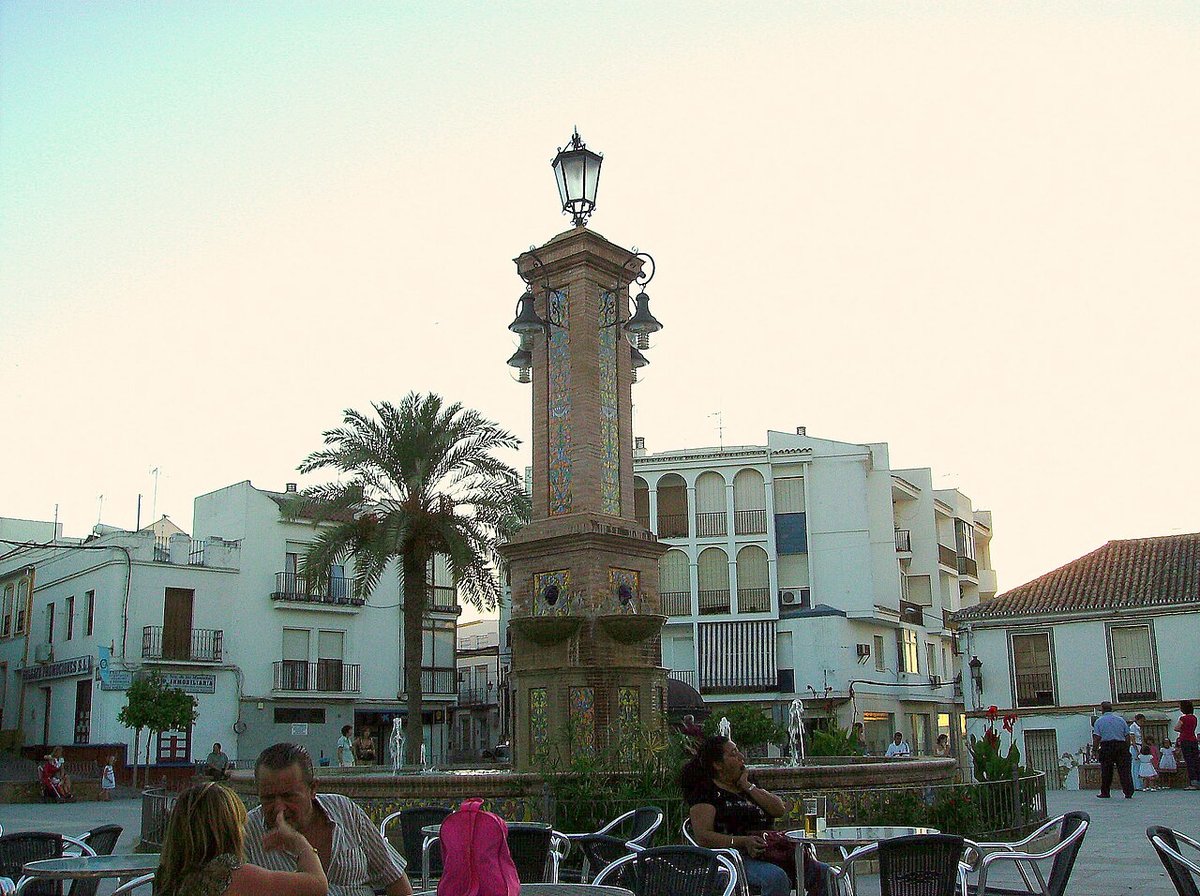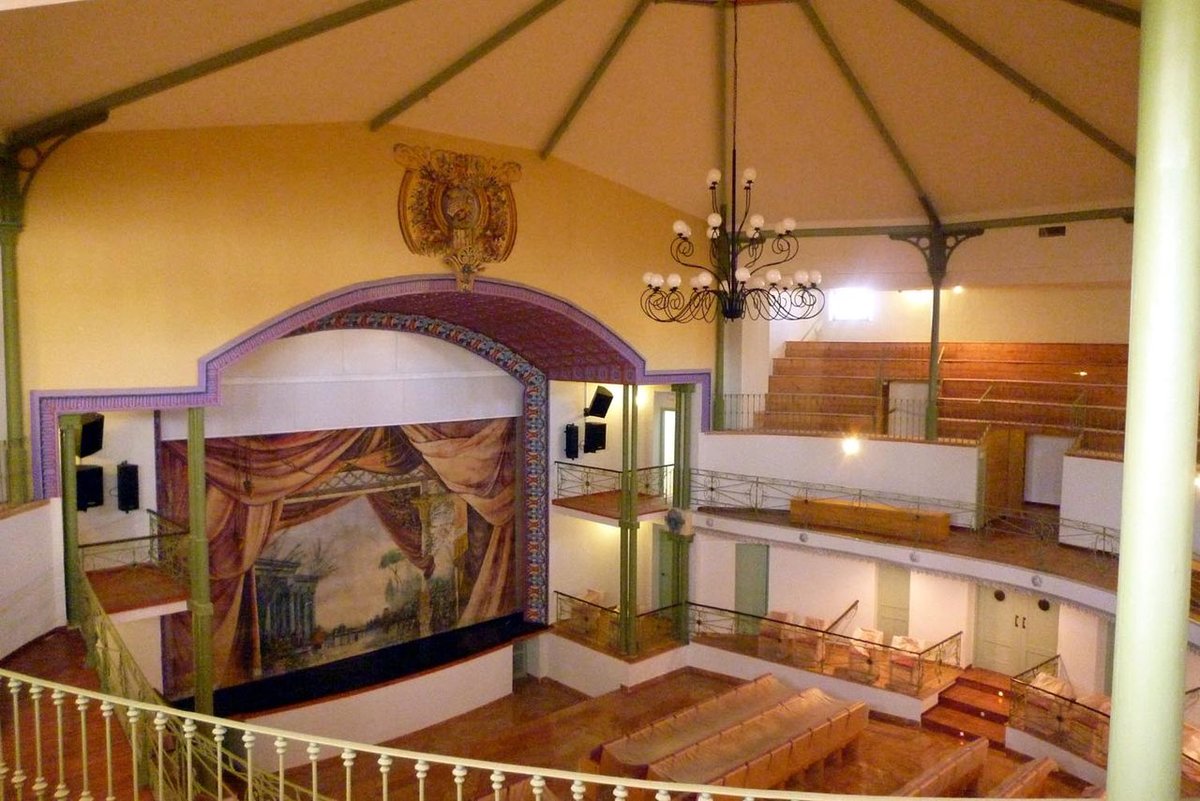
Teatro Apolo El Algar 2.JPG
Andalucía · Passion & Soul

Algar

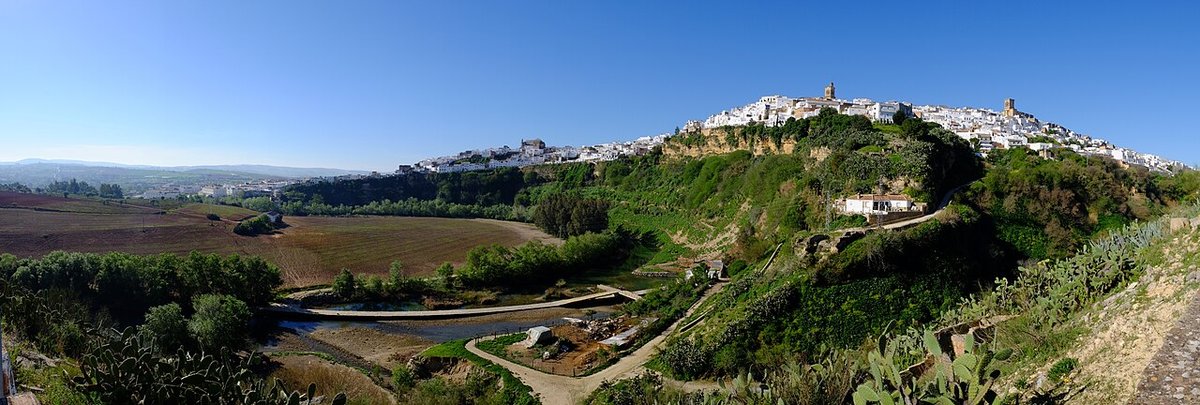
The evening light hits the Guadalacacin reservoir differently here. From Algar's upper streets, the water stretches westwards like polished steel, ...

1,452 inhabitants · INE 2025
212m Altitude

Why Visit

Mountain Tempul Castle Fishing in the reservoir

Best Time to Visit

spring

San Nicolás Fair (September) septiembre

Things to See & Do
in Algar

Heritage

  • Tempul Castle
  • Santa María de Guadalupe Church
  • Bullring

Activities

  • Fishing in the reservoir
  • Hiking through the Tajo del Águila
  • Algar Rally

Festivals
& & Traditions

Fecha septiembre

Feria de San Nicolás (septiembre), Romería (mayo)

Las fiestas locales son el momento perfecto para vivir la autenticidad de Algar.

Full Article
about Algar

Quiet little village near the Embalse de los Hurones, perfect for unwinding and nature; traditional Andalusian architecture.

Ocultar artículo Leer artículo completo

The evening light hits the Guadalacacin reservoir differently here. From Algar's upper streets, the water stretches westwards like polished steel, reflecting the Sierra de Grazalema's jagged outline. It's a view that stops walkers mid-stride, yet most visitors to Cádiz province never make the 45-minute drive inland from Jerez airport.

That's precisely the point. Algar isn't vying for attention. With 1,444 residents and barely a dozen streets, this white village operates on a different timescale to the Costa de la Luz. Farmers still gather at Bar Cruz to discuss olive harvests over mid-morning coffee. The town hall's digital noticeboard might announce tomorrow's agricultural meeting alongside Friday's cinema club screening. Life proceeds at agricultural pace, regardless of whether outsiders turn up.

The Village That Agriculture Built

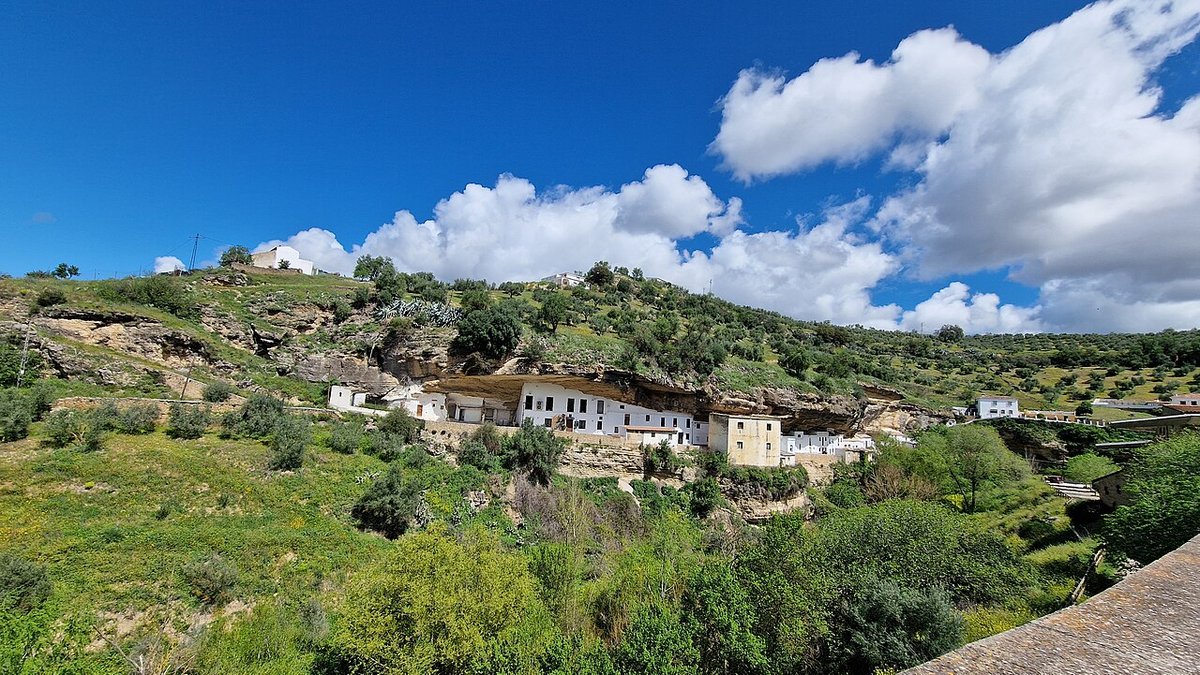
At 212 metres above sea level, Algar sits where the sierra begins its climb towards Grazalema's peaks. The surrounding olive groves aren't scenic backdrop—they're livelihood. Silver-green terraces blanket the hillsides, their colours shifting from grey-green in winter's rain to almost blue during summer drought. These aren't the manicured plantations of Jaén; trees grow gnarled and irregular, many planted generations ago when families counted their wealth in harvests rather than hectares.

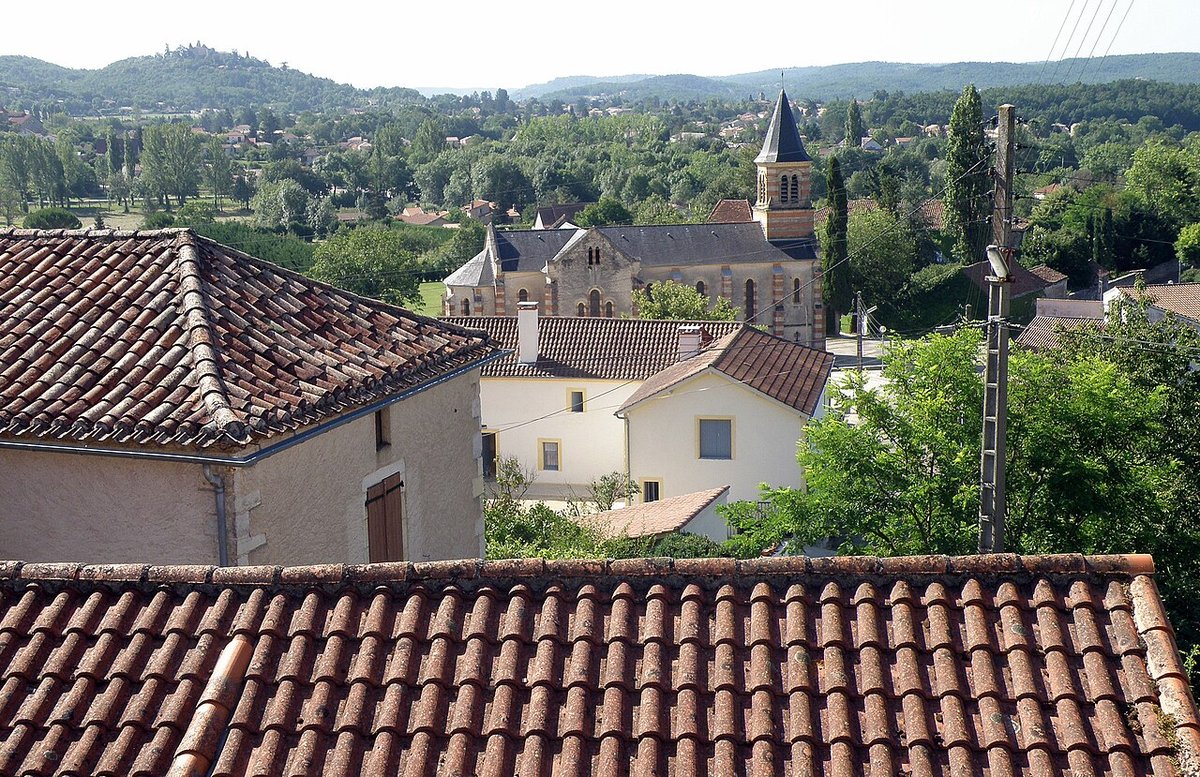
The village architecture reflects this agricultural heritage. Houses cluster tightly around the 17th-century Santa María de Guadalupe church, their white walls and terracotta roofs designed for practicality rather than postcard perfection. Windows face south-east to catch morning light while avoiding afternoon heat. Doorways sit slightly recessed, creating natural shade for residents who still use front steps as evening gathering spots.

Walking Calle Laura Gallego reveals how agriculture permeates daily life. Morning laundry hangs beside baskets of foraged thyme. A retired farmer demonstrates traditional olive pruning to his grandson using branches from yesterday's orchard maintenance. The boy's trainers, incongruously modern against ancient stone, suggest Algar's youth face familiar rural dilemmas: stay and farm, or leave for city opportunities?

Beyond the Village Limits

Algar's appeal extends well beyond its compact centre. The Guadalacacin reservoir, created by damming the Guadalete river in 1930, dominates the western horizon. A 20-minute walk from Plaza de la Constitución brings you to mirador El Embalse, where interpretive panels explain how this engineering project transformed local agriculture. The view encompasses water, sierra and—on clear days—the Atlantic glinting 40 kilometres distant.

Several walking routes radiate from the village, varying from gentle olive grove circuits to more demanding sierra ascents. The Sendero de los Olivares, marked by discrete yellow-and-white stripes, offers two-hour loops through working farmland. Early morning walkers might encounter farmers checking irrigation systems or hunters scanning hillside scrub for rabbit tracks. The path passes an abandoned cortijo whose collapsed roof now shelters wild asparagus rather than agricultural workers.

More ambitious hikers can tackle the six-hour route to Benaocaz, following ancient droving paths through Alcornocales Natural Park. This cork oak forest, Europe's largest, supports Iberian pigs whose acorn-rich diet produces celebrated jamón ibérico. The path climbs steadily from Algar's 212 metres to Benaocaz's 740 metres, passing through several microclimates. Spring walkers encounter wild orchids and flowering thyme; autumn brings mushroom foragers and migrating birds of prey.

What to Expect on Your Plate

Algar's cuisine refuses to acknowledge tourism exists. Local restaurants serve food designed for agricultural workers, not Instagram feeds. Portions border on enormous. Lunch might feature gazpacho followed by conejo al ajillo—rabbit stewed with garlic, white wine and mountain herbs. The rabbit arrives recognisably rabbit-shaped, challenging those accustomed to anonymous supermarket portions.

Game features prominently from October through February. Venison stew appears on weekend menus when local hunters return successful. Partridge season brings smaller portions but equally robust flavours. These aren't refined restaurant presentations; they're farmhouse recipes perfected over generations, served on plain pottery with crusty bread for sauce-mopping.

Vegetarians face limited options beyond excellent local cheeses. The village factory produces both fresh goat's cheese, mild and slightly nutty, and cured varieties aged three months in natural caves. Served with local honey or quince jelly, these represent Algar's terroir as accurately as any meat dish. Bread comes from a bakery that's changed ownership twice in 40 years; the current baker learned his craft from his predecessor, who learned from the previous owner.

Timing Your Visit

Spring transforms Algar's surroundings from winter brown to vivid green. March brings almond blossom; April carpets olive groves with wildflowers. Temperatures hover around 20°C, perfect for walking. The village's annual car rally occurs late April, when accommodation books solid with motor enthusiasts. Unless petrolhead culture appeals, avoid this weekend.

Summer hits hard. By July, midday temperatures regularly exceed 35°C. Locals adopt siesta rhythm: activity before 11am, retreat during afternoon heat, resumption around 6pm. Visitors should follow suit. Mornings offer best walking conditions; afternoons suit reservoir swimming or village exploration shaded by narrow streets. Evenings stretch until 10pm, when temperatures finally drop below 25°C.

Autumn brings harvest activity. October's olive harvest sees families working groves their grandparents planted. Mechanical harvesters shake trees while workers rake remaining fruit onto nets spread below. The atmosphere combines hard work with social occasion; workers break for lengthy lunches featuring hearty stews designed to fuel afternoon labour. Visitors arriving during harvest witness agricultural traditions unchanged for generations.

The Practicalities

Getting here requires wheels. Jerez airport lies 43 kilometres west; Seville's alternative adds 30 minutes' drive. Car hire isn't optional—public transport serves Algar twice daily from Arcos de la Frontera, itself poorly connected. The final approach involves navigating winding A-382, where agricultural vehicles occasionally block traffic during harvest season.

Accommodation options remain limited. Hotel Tugasa Villa de Algar offers 30 rooms above the village square, functional rather than luxurious, with restaurant serving competent local cuisine. Several casas rurales provide self-catering alternatives; book well ahead during festival periods. The village lacks tourist infrastructure beyond basics: one ATM, two small supermarkets, a handful of bars. This isn't criticism—it's reality in a place where tourism remains incidental rather than essential.

Algar won't suit everyone. Those seeking nightlife, shopping or extensive restaurant choice should stay elsewhere. The village rewards visitors who appreciate agricultural rhythm, authentic interaction and landscapes shaped by centuries of human toil rather than tourist board design. Come prepared for early nights, generous portions and conversations that might range from olive prices to grandchildren's city careers. Leave expecting little beyond what a small agricultural community naturally provides. Sometimes that's precisely what's needed.

Key Facts

Region
Andalucía
District
Sierra de Cádiz
INE Code
11003
Coast
No
Mountain
Yes
Season
spring

Livability & Services

Key data for living or remote work

2024
ConnectivityFiber + 5G
HealthcareHealth center
EducationElementary school
Housing~5€/m² rent · Affordable
CoastBeach 17 km away
Sources: INE, CNMC, Ministry of Health, AEMET

Official Data

Institutional records and open data (when available).

  • Cementerio Católico
    bic Monumento ~1 km
  • Parroquia de Nuestra Señora de Guadalupe
    bic Monumento ~0.1 km
  • Ermita del Mimbral
    bic Monumento ~4.1 km

Planning Your Visit?

Discover more villages in the Sierra de Cádiz.

View full region →

More villages in Sierra de Cádiz

Traveler Reviews