Full Article
about Algodonales
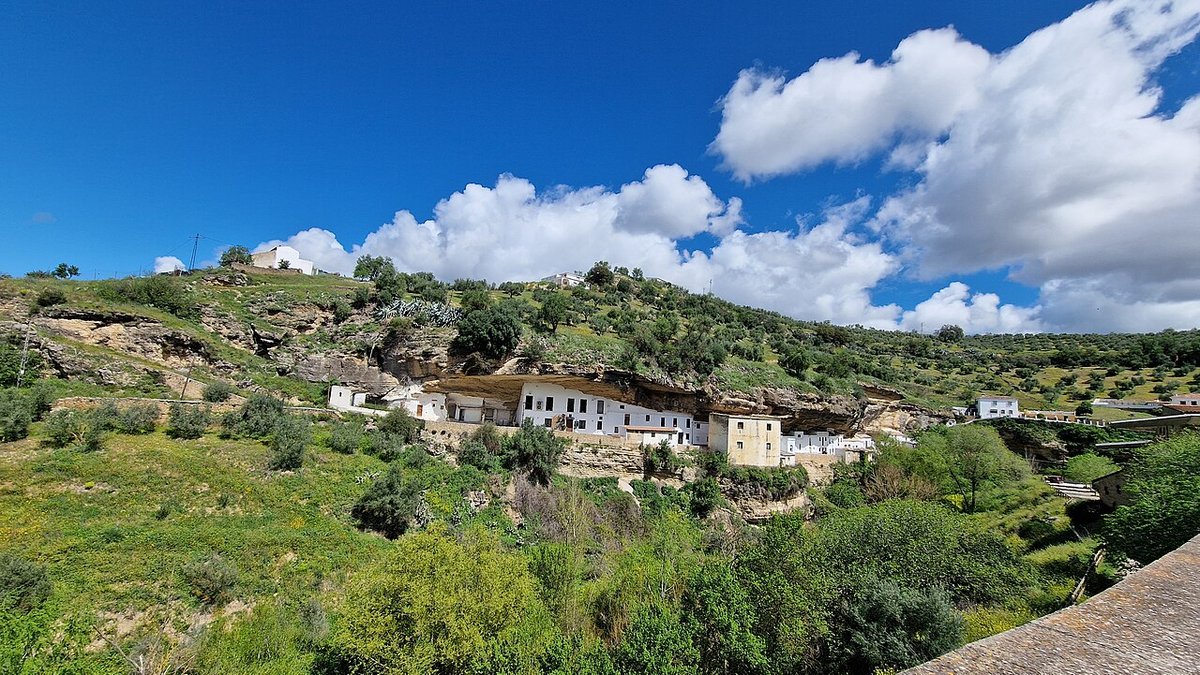
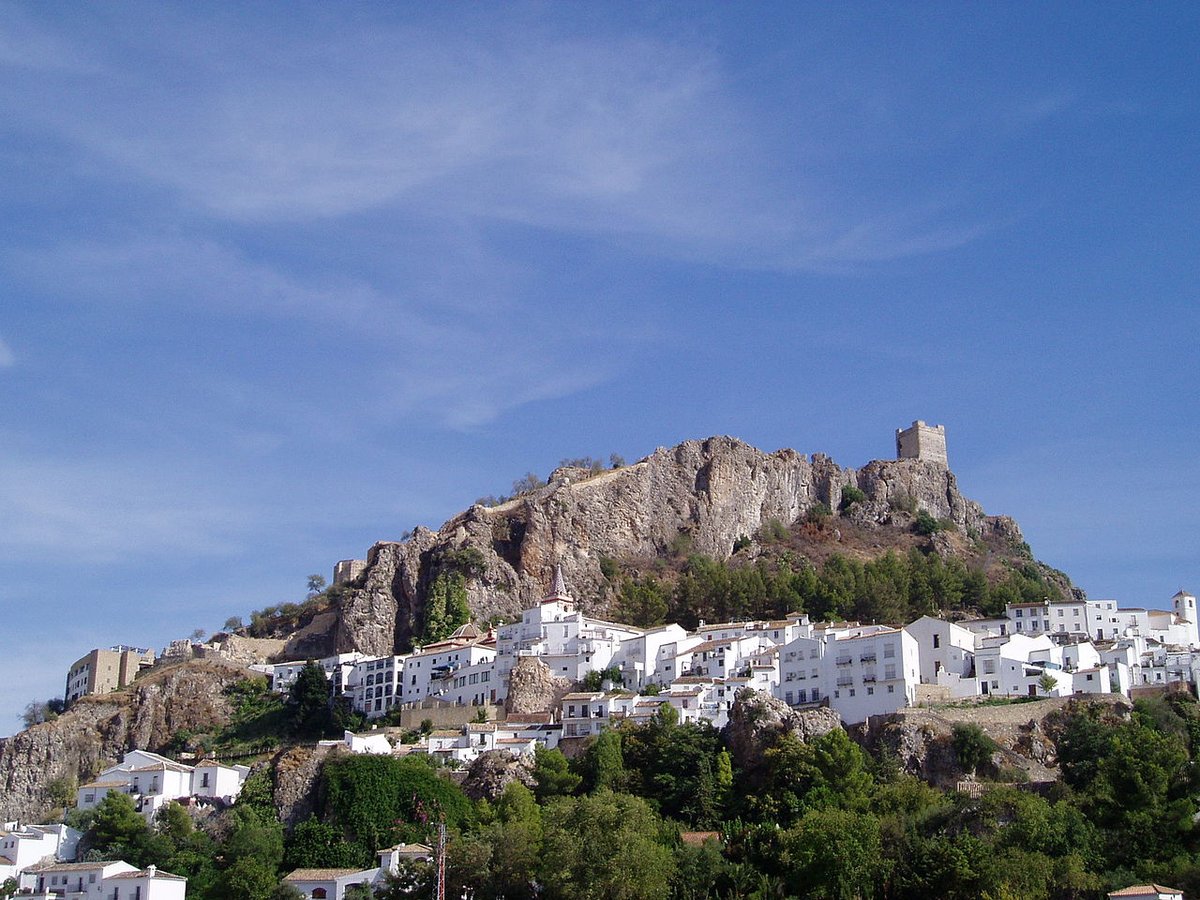
International hub for free flight at the foot of the Sierra de Líjar; a white village full of life in a privileged natural setting.
Hide article Read full article
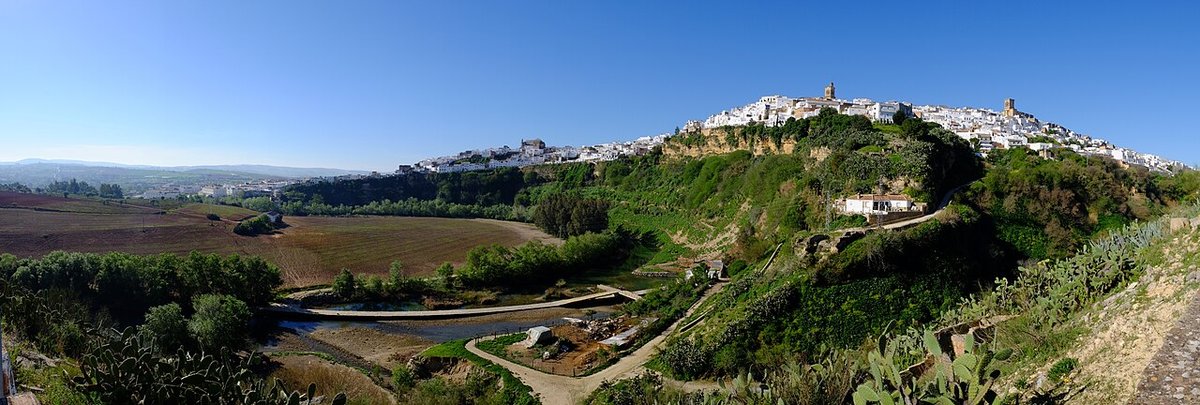
The wind arrives from the north, funnels down the valley of the Guadalete and collides head-on with the Sierra de Líjar. At around 370 metres above sea level lies Algodonales, set in one of the most open stretches of the Sierra de Cádiz. That wind, always taken seriously here, explains much of the town’s current reputation as a centre for free flight. It also appears in its history. During the Napoleonic occupation at the start of the 19th century, a fire set after fighting destroyed a large part of the settlement.
Algodonales is a place shaped by geography and by events that are still remembered. Its streets and surrounding landscape offer clues to both.
An agricultural town in the Guadalete valley
Unlike many settlements in the hills of Cádiz province, Algodonales did not begin as a defensive stronghold. It developed as an agricultural community. In the early 16th century several residents from Zahara moved to this fertile plain between the rivers Guadalete and Guadalporcún. The land was productive and there was more space here than in the nearby mountains, so the settlement gradually expanded around orchards and smallholdings.
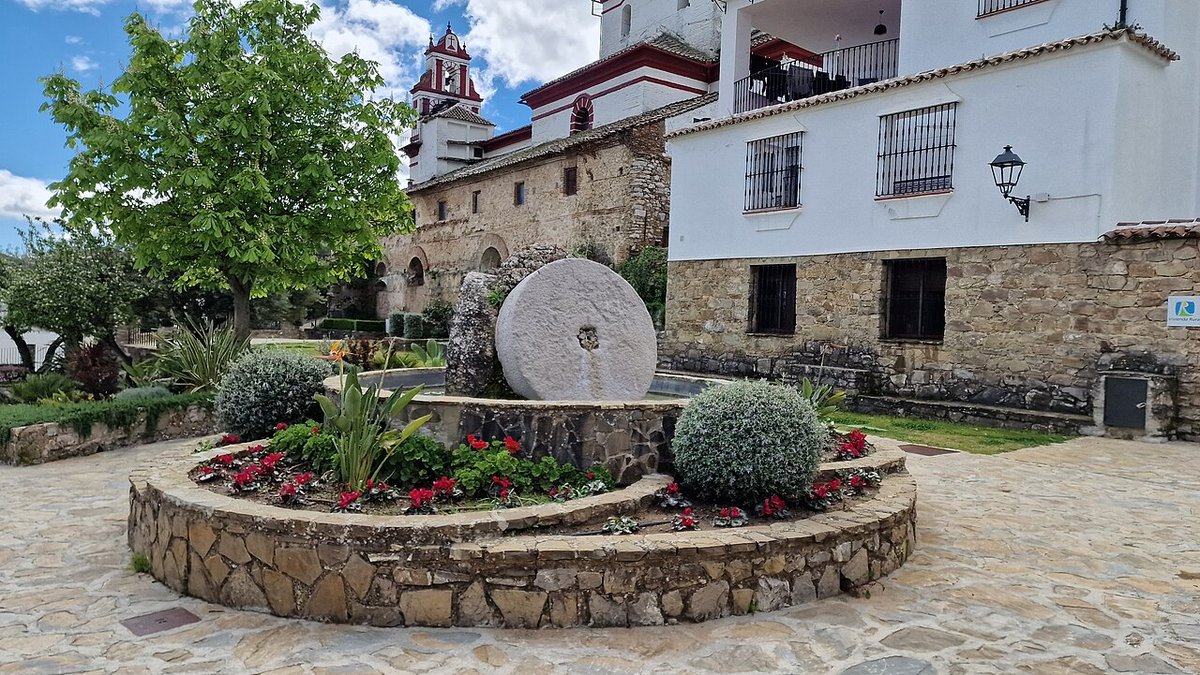
At the centre stands the church of Santa Ana. Its origins date back to the 16th century, although the present building reflects later enlargements, particularly after damage caused by the Lisbon earthquake of 1755, which had wide-reaching effects across southern Spain and Portugal. The church occupies a slightly elevated position within the town. From the surrounding area, the relationship between Algodonales and the valley that sustains it becomes clear.
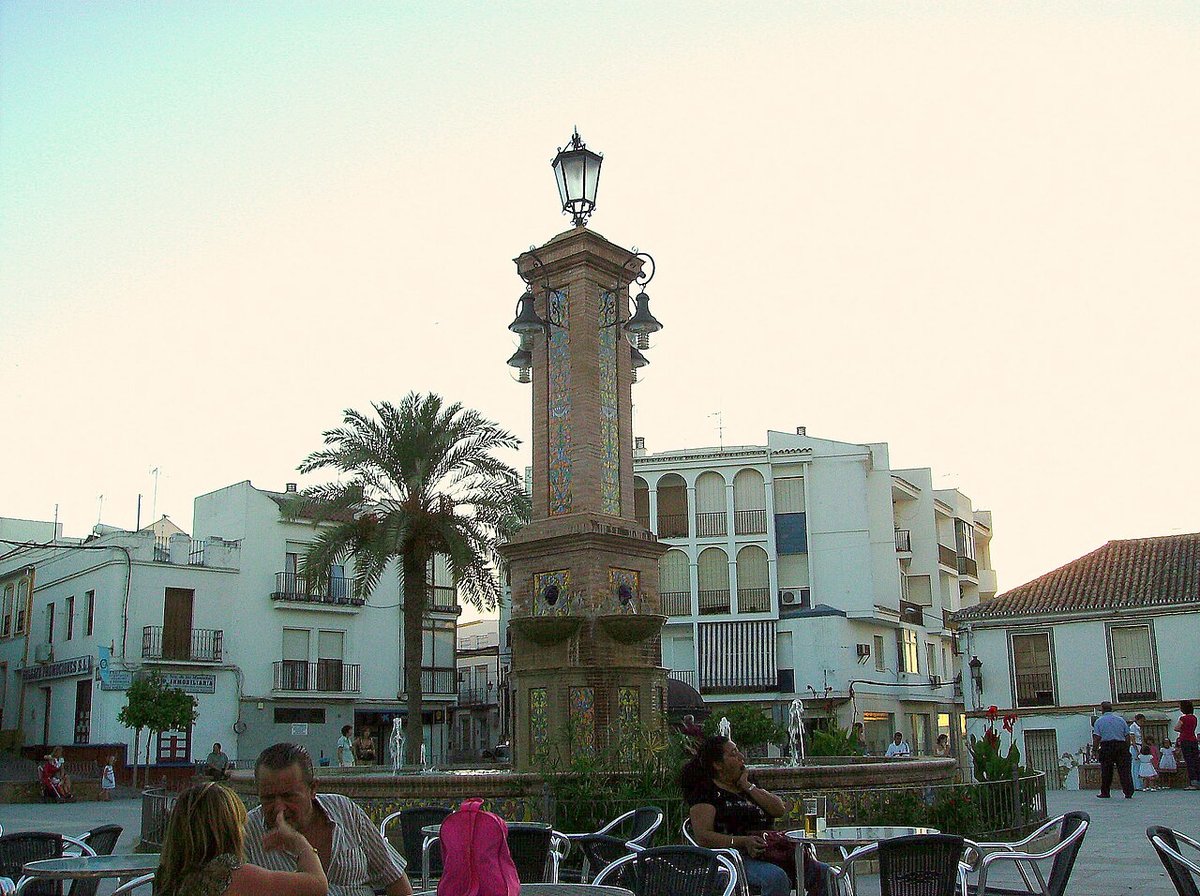
The old quarter follows a recognisably Andalusian pattern. Narrow streets create shade in the heat of summer, whitewashed façades reflect the light and brick-framed doorways add subtle decoration. There are few grand manor houses. Most buildings belong to a vernacular architecture linked to farming and small trades, practical rather than ornamental.
1810: fire and destruction
One of the most difficult chapters in the town’s history came during the Peninsular War, known in Spain as the War of Independence. In May 1810 Napoleonic troops entered Algodonales after two days of resistance by local inhabitants. The repression that followed was harsh. Fires were set, houses destroyed and many lives lost. More than seventy homes are said to have been reduced to ashes.
That episode remains present in local memory. The municipal flag includes the image of a house in flames, recalling the burning of the town. At the beginning of May, events are traditionally organised to commemorate those days. The story of 1810 is not treated as a distant footnote but as part of Algodonales’ identity.
The Sierra de Líjar and free flight
To the west rises the Sierra de Líjar, a ridge of dark rock that acts as a wall against the air currents moving along the valley. This configuration produces steady thermals, which since the 1990s have attracted paragliding and hang-gliding pilots from different countries.
Take-off usually takes place from the upper part of the sierra. On favourable days, the sky above the valley fills with brightly coloured wings circling on rising air. The same currents are used by griffon vultures, frequently seen gliding along these slopes.
Close by runs the Vía Verde de la Sierra. This long route follows the line of a former railway between the countryside of Cádiz and the mountains around Ronda. Disused railway infrastructure has been repurposed across Spain as “greenways”, and here the old trackbed now serves walkers and cyclists. Tunnels and viaducts punctuate the journey, reminders of its industrial past.
The combination of open valley, steady wind and accessible high ground has made Algodonales closely associated with free flight. Even for those who remain on the ground, the sight of gliders overhead forms part of the town’s daily rhythm.
A tradition of guitar making
Beyond agriculture and flight, Algodonales is also known for its guitarreros, craftsmen who build guitars. In some family workshops, flamenco guitars continue to be made using fairly traditional methods: careful selection of woods, handwork and long drying times. The craft became established during the 20th century, and the town’s name appears regularly within flamenco guitar circles.
In recent years there has been discussion of creating an exhibition space dedicated to the guitar and to Antonio de Torres, the Almería-born luthier who defined the modern guitar in the 19th century. His influence on the instrument’s design is widely recognised, and linking his legacy to Algodonales reflects the town’s identification with this craft.
The presence of guitar making adds another layer to a place otherwise defined by fields and wind. It connects Algodonales to a broader Andalusian cultural tradition rooted in music and skilled manual work.
Cooking from the sierra and the garden
Local cooking draws on straightforward ingredients from the surrounding hills and market gardens. In winter, warming spoon dishes appear on the table. Gazpacho serrano is served hot and thick, quite different from the chilled tomato soup that many outside Spain associate with the word gazpacho. Potajes with tagarninas, a wild plant commonly gathered in the area, are also typical of the colder months.
Spring and summer bring lighter preparations. Sopas tostadas, boronías made with pumpkin and tomato, and salads dressed with olive oil produced in the region reflect the seasonal rhythm of the countryside. In baking, Andalusian sweets such as pestiños and gañotes remain linked to particular points in the festive calendar.
The cuisine mirrors the town’s origins. It is based on what grows locally and on recipes passed down through generations, tied to agricultural life and annual celebrations.
Finding your way around
Algodonales lies on the road connecting Arcos de la Frontera and Olvera. The town itself is easy to explore on foot. From the area around the church of Santa Ana, several streets slope down towards the more modern part of town, allowing a gradual transition from older whitewashed houses to newer development.
Those interested in the surrounding hills can drive up to the higher areas of the Sierra de Líjar, where broad views open over the Guadalete valley. Waymarked paths in the area are used both by walkers and by those involved in free flight, reflecting how closely outdoor activity is woven into daily life here.
Algodonales presents itself without defensive walls or monumental excess. Its character rests on a fertile plain, a church rebuilt after an earthquake, the memory of a fire in 1810 and a wind that continues to shape the sky above it.