Full Article
about Benaocaz
Berber-origin village with a picturesque, abandoned Nasrid quarter; set in the heart of the sierra with spectacular views.
Ocultar artículo Leer artículo completo
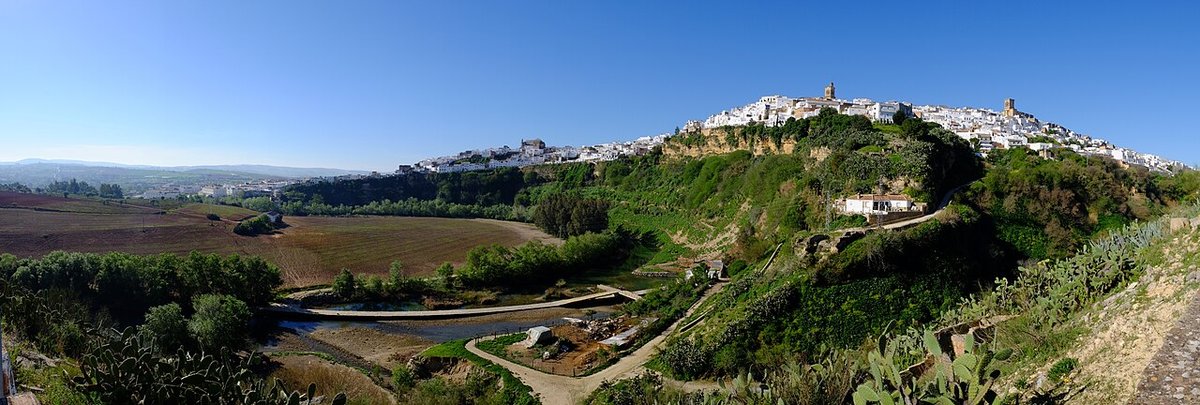
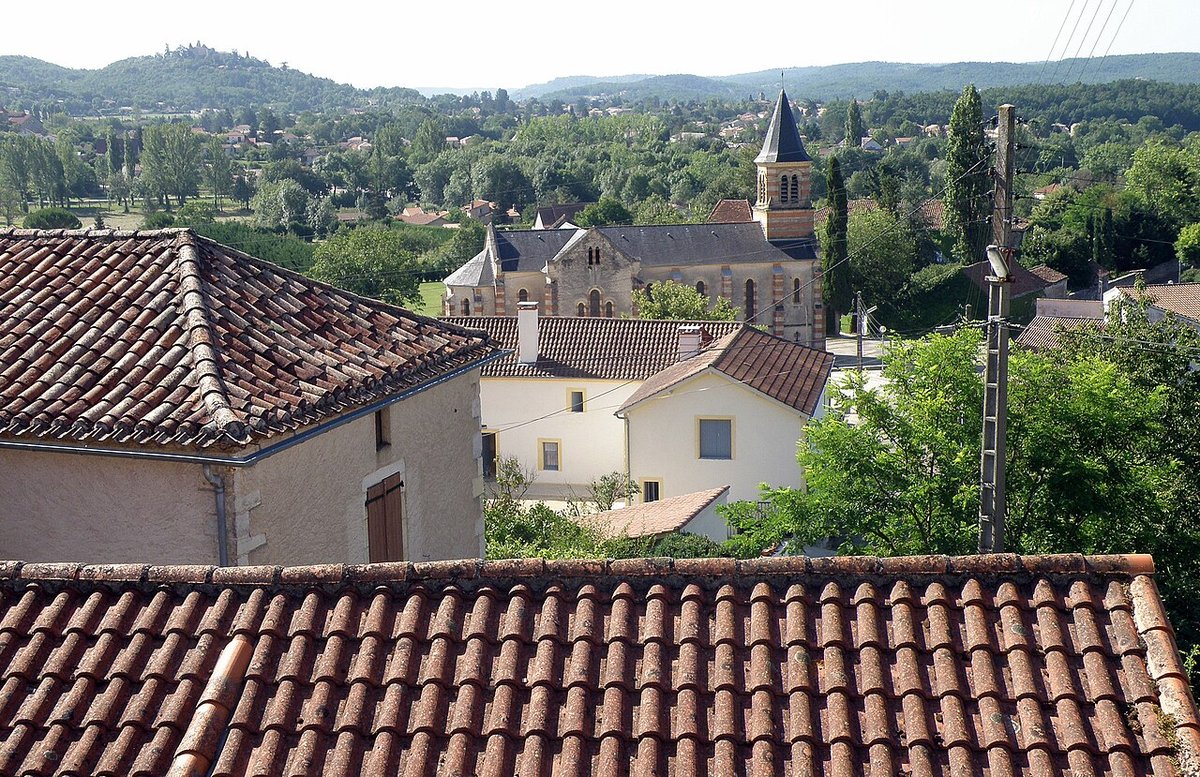
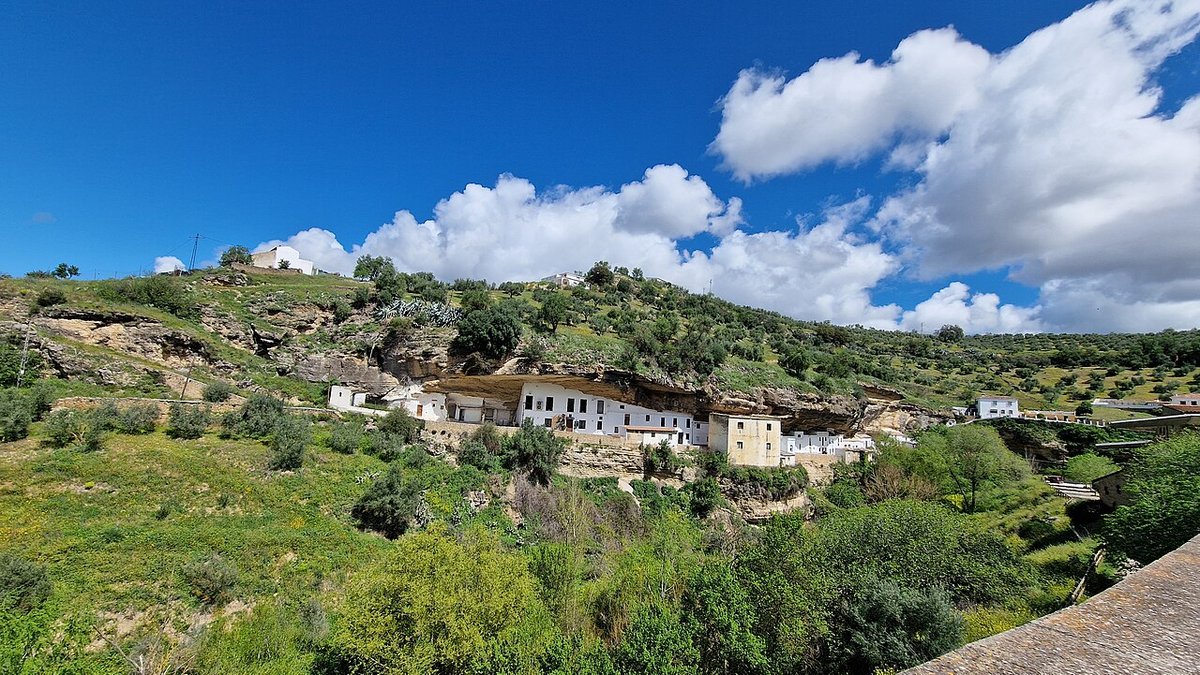
The first thing that strikes you is the drop. Stand at the northern edge of Benaocaz and the ground simply disappears – a 400-metre cliff plunging towards the Tavizna valley, cork-oak woods racing downhill like a green tide. Straight ahead, the limestone wall of the Sierra de Grazalema cuts across the horizon; turn round and the village’s whitewashed houses grip the ridge as if they’ve clawed their way up since Moorish times and never quite let go.
At 800 m above sea level the air is thinner and noticeably cooler than on the Costa de la Luz forty minutes away. Even in July a breeze sneaks through the narrow lanes, carrying the scent of wild thyme and wood-smoke from somebody’s kitchen. That altitude is the secret to Benaocaz’s other life: it may sit in Cádiz province, but it behaves more like a mountain refuge than an Andalusian stereotype.
A Village that Prefers Walking to Talking
There are no souvenir arcades, no flamenco tablaos, no artisan ice-cream in waffle cones. What you get instead is a grid of medieval footpaths still wide enough for a mule but barely a Fiat Panda. The Barrio Nazarí, the upper quarter, is the best-preserved slice: cobbled chutes between high walls, the occasional horseshoe arch bricked up centuries ago, and sudden glimpses of vultures turning lazily beyond the rooftops. House numbers are hit-and-miss; directions are given in metres uphill (“200 m, look for the cracked geranium pot”).
The parish church of San Pedro squats at the top, its bell-tower once a minaret. Inside, the baroque altarpieces gleam with the kind of gold leaf that looks almost brash against the plain stone walls. Mass is still announced on a chalkboard; if the door is locked, knock at the neighbouring town hall and the caretaker will appear with a key the size of a banana.
Outside, the mirador is nothing grander than a stone bench and a waist-high rail, yet the view delivers the punch of a helicopter shot. On a clear evening you can pick out the white dot of Grazalema village 7 km away and, further west, the Atlantic shimmering like polished steel.
Trails that Start at the Front Door
Benaocaz is threaded by the old Roman road that once linked Acinipo with the coast. Today it forms part of the GR-7 long-distance path, but you needn’t be a thru-hiker to enjoy it. A simple out-and-back to the ruined watch-tower of Tavizna takes ninety minutes, is sign-posted in English, and delivers eagle-level views without sheer drops. For a half-day circuit, continue over the Puerto de las Presillas and drop into Grazalema for a late lunch; the bus back leaves at 16:30 and costs €1.55—if it’s running, so check the timetable taped inside Bar La Sociedad.
More ambitious walkers can tackle the Salto del Cabrero, a 900-metre knife-edge traverse that ends directly beneath the crag you’ve been photographing from the village. The park office in El Bosque issues the free permit required at weekends; during the week you simply write your name in a logbook at the trailhead. Mobile signal dies after the first kilometre, so download an offline map before you set off.
Climbers aren’t forgotten. The same limestone amphitheatre has thirty-odd sport routes, grades 4 to 7b, bolted by local enthusiasts. Bring a 60 m rope and a topo from the Grazalema climbing shop; there’s no gear rental on site.
What Appears on the Table
Food here is mountain fuel, not beach-bar tapas. Chacina plates arrive unadvertised: paper-thin slices of loin, chorizo and salchichón from last winter’s matanza, milder than their bright-red colour suggests. Order a media ración to share and the landlord will bring a basket of warm bread without asking. Scrambled eggs with tagarninas—wild thistle that tastes like asparagus—appear in spring, while ajo caliente, a garlicky bread soup thick enough to stand a spoon in, is standard on the one-page menu when the mist rolls in.
The only restaurant open mid-week is La Sociedad, half bar, half social club. The menú del día costs €10 and changes according to whatever María has in the oven: today it might be stewed kid with chips, tomorrow a plate of lentils shot through with scraps of black pudding. Pudding is usually roscos trenzados, braided doughnuts that aren’t overly sweet; dunk them in the tiny glass of coffee and nobody will judge.
Vegetarians survive but don’t flourish—ask for huevos rotos con setas and you’ll get a plate of wild mushrooms the landlord foraged that morning. Vegans should pack emergency almonds.
When the Village Decides to Make Noise
For most of the year Benaocaz murmurs rather than shouts. Then, on the last weekend of June, San Pedro arrives and the decibel level trebles. Brass bands march through streets barely two metres wide, fireworks ricochet off stone walls at 03:00, and the football pitch becomes a fairground. Accommodation within the village sells out months ahead; if you fancy the party, book early. If you don’t, come in September when the weather is still settled and the only sound is the clack of migratory storks overhead.
August brings a smaller feria aimed at emigrants returning from Cádiz and Barcelona. It’s friendlier and marginally quieter, though the Saturday night dance still rattles window-panes until dawn.
The Practical Bits No-One Mentions
There is no cash machine; the nearest ATM is in Ubrique, 10 km down a switch-back road that feels longer than it is. Bring euros. Parking is free beside the football pitch—leave the car there because the lanes below taper to single-track with 500-year-old corners designed to remove wing mirrors. The daily bus from Grazalema continues to Ubrique and back three times a day except Sunday, when it doesn’t run at all. A timetable printed the night before is worth more than Google Maps.
Phone reception inside the village is fine; on the trails it vanishes. Water fountains exist at the start of most paths but carry at least a litre in summer—shade is scarce once you leave the cork woods. Trainers suffice for everything except the Salto del Cabrero, where proper boots save ankles.
Worth the Detour?
Benaocaz will never tick the “bucket-list” box. It offers no postcard-perfect plaza, no cathedral, no Michelin stars. What it does give is the rare sense of a place still living by the rhythm of its own bells, where the landscape is not a backdrop but the main actor. If that sounds like your sort of slow Tuesday—or if you simply want to walk until the horizon drops away—then yes, steer the hire car uphill and save a night for the ridge. Just remember to fill the tank before the climb; the nearest petrol station is back in the twenty-first century, 18 km down the mountain.